
Choosing the right shoe rack for your Singapore home involves balancing budget, space constraints, and aesthetic preferences. There is no single “best” brand for everyone, as different manufacturers cater to distinct household needs. Finding the ideal fit requires understanding how different retail categories align with your specific entryway dimensions and storage habits.
Mass-market retailers offer immediate, budget-friendly options with standard dimensions, making them highly accessible but sometimes lacking in long-term durability. Online-first local brands provide stylish, space-saving designs tailored specifically for local apartment layouts at a moderate price point. Custom carpentry offers a perfect, high-durability fit for irregular layouts, such as alcoves next to bomb shelters, but requires a significant financial investment and is a permanent fixture.
This guide compares these brand categories across quality, durability, and value. By analyzing material specifications, structural integrity, and local environmental factors, you can identify the right storage solution for your home’s layout and climate.
Products mentioned in this guide
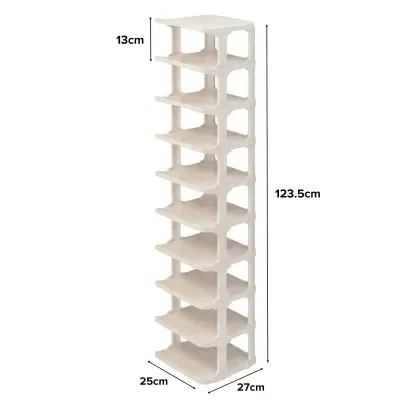
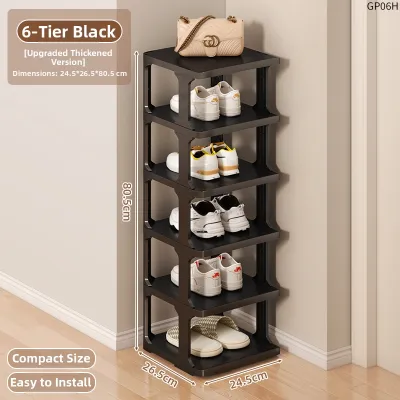
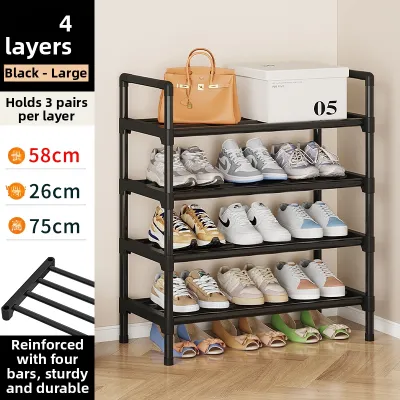
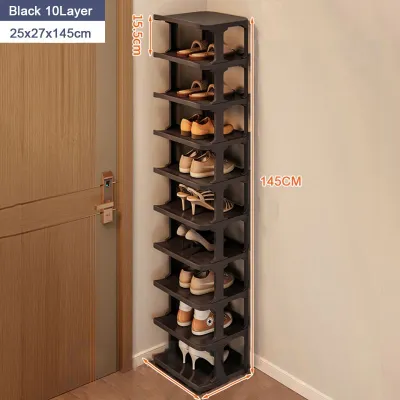
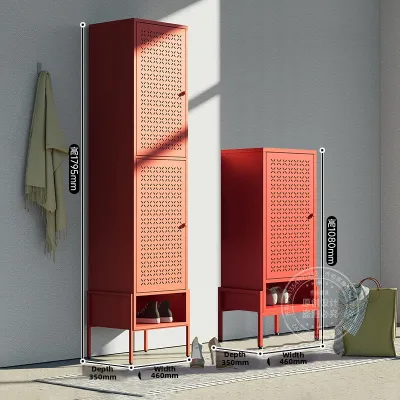
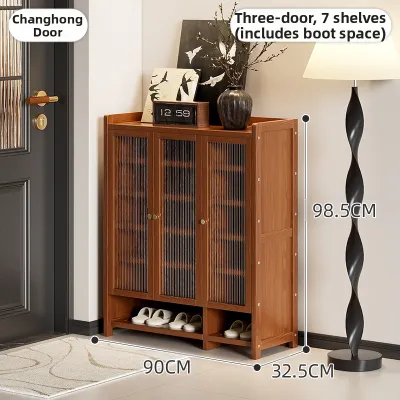
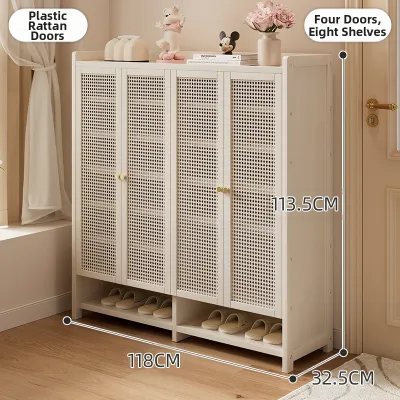
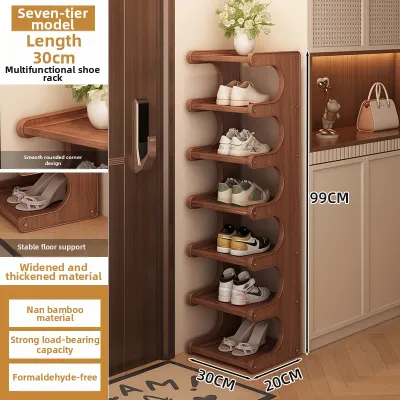
Prices are valid at publication and may change. Please refer to the product page for the latest price.
Core Dimensions for Evaluating Shoe Rack Quality
Before comparing specific brand categories, it is essential to understand the objective criteria that determine a shoe rack’s quality and longevity. In Singapore’s tropical climate, material choice and construction methods are paramount to prevent premature wear and structural failure.
Material Durability and Moisture Resistance
Engineered wood, such as Medium-Density Fibreboard (MDF) and particleboard, is widely used in budget and mid-range furniture. These materials consist of wood fibers or chips bonded with adhesive under heat and pressure. In Singapore’s high relative humidity, which often exceeds 80%, unsealed engineered wood easily absorbs ambient moisture. This absorption leads to swelling, warping, and structural crumbling. When evaluating engineered wood racks, check for high-pressure laminate (HPL) finishes and robust PVC edge banding, which seal the core from moisture.
Plywood is constructed from multiple thin layers of wood veneer glued together in alternating grain directions. This cross-graining makes plywood significantly more stable, stronger, and more moisture-resistant than particleboard or standard MDF. Plywood shoe cabinets finished with quality laminates are highly durable and well-suited for humid entryways.
Solid wood offers excellent longevity and a premium aesthetic but requires proper treatment. Hardwoods like teak, oak, or rubberwood naturally resist moisture better than softwoods like pine. Ensure any solid wood shoe rack is treated with a water-resistant sealant, such as polyurethane, to protect the wood from damp footwear and wet umbrellas.
Metal and plastic frames are highly durable, impervious to moisture, and completely rot-proof. Powder-coated steel or aluminum frames are excellent for high-traffic entryways or semi-outdoor corridors. When choosing metal, inspect the weld quality and ensure the powder coating is thick and uniform to prevent rust from developing in humid air or from occasional rain splashes.
Structural Integrity and Hardware Quality
The structural stability of a shoe rack depends heavily on its joinery. High-quality racks use dowels reinforced with cam locks, pocket screws, or metal brackets. Avoid furniture held together solely by thin nails, staples, or plastic brackets, as these joints loosen over time under the weight of multiple pairs of shoes.
Shelf thickness is a critical factor in preventing sagging. Shelves made of engineered wood should be at least 15mm thick to support heavy footwear without bowing. For wider shelves, look for central support brackets or vertical dividers that distribute the load more evenly.
Hardware quality determines the lifespan of moving parts. Look for heavy-duty metal hinges, preferably with soft-close mechanisms, which prevent slamming and reduce wear on the cabinet frame. If purchasing a cabinet with drawers or tilting compartments, ensure the runners and pivot brackets are made of robust metal or thick, high-grade nylon rather than flimsy plastic.
Functional Design and Ventilation
Enclosed shoe cabinets trap moisture from damp shoes, creating a breeding ground for mold, mildew, and unpleasant odors. To maintain a hygienic storage environment, look for functional design features that promote airflow. Louvered doors, cut-out back panels, or wire mesh panels allow essential ventilation while keeping shoes hidden from view.
Adjustable shelving is crucial for accommodating varying footwear heights. Look for pre-drilled peg holes along the inner walls of the cabinet, allowing you to reposition shelves. This flexibility ensures you can store flat sandals, high heels, sneakers, and ankle boots efficiently without wasting vertical space.
Depth considerations are vital for spatial efficiency. Standard shoe cabinets require a depth of 30cm to 35cm to store shoes flat. For narrow entryways, slim-profile cabinets with a depth of 15cm to 20cm use tilting compartments where shoes are stored vertically. Before purchasing a slim cabinet, verify that your specific shoe sizes will fit within the tilting mechanism, as larger shoes (such as UK size 10 and above) may prevent the compartments from closing fully.
Comparing Shoe Rack Brand Categories in Singapore
To help you navigate the local market, the table below summarizes the primary shoe rack brand categories available in Singapore across key performance and value dimensions.

| Brand Category | Typical Price Tier | Best Use Case | Primary Material Focus | Key Trade-offs |
|---|---|---|---|---|
| Mass-Market & Big-Box Retailers | S$30 – S$150 | Budget-conscious buyers with standard entryway layouts | Particleboard, MDF, lightweight steel | Lower moisture resistance, self-assembly required, standardized dimensions |
| Online-First & Local Design Brands | S$120 – S$500 | Modern apartments seeking space-saving, stylish, freestanding units | High-density MDF, plywood, wood veneer, metal | No physical showroom inspection for some, delivery lead times |
| Custom Carpentry & Built-In Solutions | S$800 – S$3,000+ | Homeowners renovating with irregular layouts or requiring maximum vertical storage | High-pressure laminate on plywood, solid wood accents | High cost, permanent fixture, long fabrication and installation lead times |
Mass-Market and Big-Box Retailers
Mass-market and big-box retailers are popular choices for homeowners seeking immediate, budget-friendly storage. These brands offer the distinct advantage of physical showrooms, allowing you to test cabinet doors, assess stability, and inspect finishes in person before making a purchase. Many items are stocked locally, enabling immediate self-pickup or fast delivery.
However, these budget-friendly options come with clear limitations. Most mass-market furniture is flat-packed and requires self-assembly. While instructions are generally straightforward, improper assembly can compromise the structural integrity of the rack. Sizing is highly standardized, which can make it difficult to find a unit that fits perfectly into narrow corridors or awkward foyer alcoves.
Material quality is another key consideration. To keep prices low, these manufacturers rely heavily on paper-foiled particleboard. In Singapore’s humid climate, these paper laminates can peel, bubble, or chip over time, especially if exposed to wet umbrellas or damp shoes. If you choose this category, inspect the quality of the edge banding carefully and consider choosing metal-framed or solid wood options over low-grade particleboard.
Online-First and Local Design Brands
Online-first and direct-to-consumer local brands have grown significantly in popularity. By operating primarily online or maintaining small, curated showrooms, these brands cut out high retail overheads. They reinvest these savings into better materials, such as thicker plywood, solid wood legs, and premium soft-close hinges, offering excellent value for money.
These brands often design products specifically tailored for modern Singaporean apartments, such as HDB flats and executive condominiums. They offer space-optimized solutions, including ultra-slim tilting shoe cabinets, multi-functional benches with hidden storage, and modular units that maximize vertical space without obstructing narrow walkways.
The primary drawback of online-first brands is the inability to physically inspect the materials or test the hardware before buying. While online listings provide detailed dimensions and high-resolution photos, you must rely on customer reviews to gauge actual build quality. Additionally, delivery lead times can be longer, and return policies may involve restocking fees or return shipping charges.
Custom Carpentry and Built-In Solutions
For homeowners undergoing a full renovation, custom carpentry represents the premium, highly tailored alternative to freestanding branded racks. Built-in shoe cabinets are designed and fabricated by local carpenters to fit your exact foyer dimensions. This approach is ideal for maximizing awkward spaces, such as recessed walls, corners next to bomb shelter doors, or under-stair areas.
Custom carpentry excels in material quality and durability. Local carpenters typically construct built-in cabinets using high-quality plywood finished with high-pressure laminates (HPL). This construction is exceptionally sturdy, structurally stable, and highly resistant to warping, sagging, and moisture damage in Singapore’s humid environment.
The trade-offs for custom carpentry are cost, time, and flexibility. Built-in solutions are significantly more expensive than freestanding retail units. They also require a lengthy design, fabrication, and installation process, often taking several weeks. Furthermore, built-in cabinets are permanent fixtures; they cannot be easily moved or reconfigured if your storage needs change, and they cannot be taken with you if you relocate.
Space and Climate Considerations for Singapore Homes
Selecting a shoe rack in Singapore requires careful consideration of local housing layouts and environmental conditions. Proper planning ensures your furniture remains functional, safe, and durable.
Foyer and Corridor Constraints
Many Singaporean apartments, particularly HDB flats, feature narrow entryways or external common corridors. Before purchasing any shoe rack, measure the exact floor depth of your foyer. Ensure there is sufficient clearance for your front door, safety gate, and bomb shelter door to swing open fully without striking the cabinet.
If you plan to place your shoe rack in the common corridor outside your flat, you must comply with Singapore Civil Defence Force (SCDF) fire safety guidelines. A minimum clear escape passage of 1.2 meters must be maintained at all times along the corridor. Placing bulky furniture that obstructs this path is a safety hazard and can result in fines or demands for removal by your town council or estate management. Always verify local municipal guidelines before placing any storage units outside your main door.
Ventilation and Humidity Management
Singapore’s relative humidity averages around 84% year-round, which poses a constant threat to footwear. Storing damp shoes in an airtight, unventilated cabinet traps moisture, creating an ideal environment for mold, mildew, and bacteria to thrive. This not only damages leather and fabric shoes but also leads to persistent, unpleasant odors.
To mitigate moisture buildup, prioritize open-shelved racks or cabinets with built-in ventilation features. If you prefer a closed cabinet for a cleaner look, choose designs with louvered doors, mesh panels, or ventilation grommets at the back. Additionally, placing active charcoal bags, silica gel packs, or small electric dehumidifiers inside closed cabinets can help absorb excess moisture and neutralize odors.
Capacity Planning
To determine the right size for your shoe rack, calculate your household’s storage capacity requirements. A practical rule of thumb is to allocate 3 to 4 pairs of shoes per household member, plus an extra 4 to 6 slots for guests.
Remember to account for the physical dimensions of different shoe types. Bulky running shoes, high heels, and boots require more vertical and horizontal clearance than flat sandals or flip-flops. Choosing a rack with adjustable shelves ensures you can configure the interior layout to maximize capacity without crushing or damaging your footwear.
Decision Framework: How to Choose the Right Option
To finalize your choice, evaluate your specific living situation, budget, and layout constraints. Using a structured decision framework helps ensure you select the most suitable option for your home.
Conditional Recommendations
- Choose mass-market retailers if: You are on a tight budget, need an immediate storage solution, have a standard entryway layout with ample clearance, and do not mind self-assembly.
- Choose online-first local brands if: You want a stylish, freestanding cabinet with space-saving dimensions tailored for modern apartments, and prefer a balance of quality and affordability without the high cost of custom carpentry.
- Choose custom carpentry if: You are undergoing a full home renovation, have an irregular foyer layout, require maximum floor-to-ceiling storage, and have the budget for a permanent, high-durability solution.
Essential Verification Steps Before Purchasing
If you decide to purchase a freestanding shoe rack online, always perform these essential verification checks:
- Measure clearances multiple times: Verify the exact floor depth, height, and door swing clearances in your entryway. Compare these measurements against the product's finished dimensions.
- Check the warranty policy: Review the retailer's warranty terms specifically regarding structural defects, hinge failures, or material warping.
- Read user reviews: Look for customer feedback specifically addressing assembly difficulty, actual material finish, and delivery reliability.
- Inspect the material specifications: Confirm that the unit uses moisture-resistant finishes, robust edge banding, or high-quality plywood if you plan to place it in a humid area.
Regardless of the brand category you choose, prioritizing proper ventilation, material durability, and correct spatial measurements will ensure your shoe rack remains a functional and lasting addition to your Singapore home.
Frequently Asked Questions (FAQ)
How many pairs of shoes should a standard rack hold?
A standard shoe rack should ideally hold 12 to 16 pairs of shoes for a typical three- to four-person household. This estimate is based on allocating 3 to 4 pairs of daily-wear shoes per person, plus a few extra slots for guests. If you have a larger collection or limited space, consider a vertical, high-capacity tower or a slim-profile tilting cabinet to maximize storage without increasing the unit’s floor footprint.
Are open or closed shoe racks better for humid climates?
In humid climates like Singapore’s, open shoe racks are functionally superior because they provide continuous airflow, preventing moisture buildup and mold growth. However, they expose shoes to dust and can look cluttered. Closed shoe cabinets offer a neater appearance and dust protection but must feature built-in ventilation, such as louvered doors or back ventilation slots, to prevent trapped humidity and odors.
Can I place a shoe rack outside my HDB door?
Yes, but you must strictly comply with Singapore Civil Defence Force (SCDF) fire safety guidelines and your local town council rules. A minimum clear escape passage of 1.2 meters must be maintained along the common corridor at all times. The shoe rack must not obstruct fire hydrants, dry risers, or escape routes, and it should be made of non-combustible materials if possible. Always check your specific town council’s bylaws before placing any furniture outside.
Community discussion
Share your experience or ask a question. Comments are reviewed before publication.