
Finding the right recliner in Singapore involves navigating a diverse market of premium imports, local showroom staples, and budget-friendly online options. While premium brands focus on targeted ergonomic alignment and heavy-duty steel mechanisms, mainstream and budget options prioritize cost-efficiency and space-saving designs. To make an informed decision, you must evaluate how frame construction, cushion density, and mechanical components align with your budget and the physical constraints of your living space.
Core Criteria for Evaluating Recliner Comfort and Build Quality
Ergonomic comfort relies on three primary physical dimensions: seat depth, backrest angle, and lumbar support alignment. A seat that is too deep prevents your feet from resting flat on the floor, which increases pressure on your thighs and lower back. Conversely, a shallow seat fails to support your thighs fully, leading to muscle fatigue over extended periods. The backrest should offer a natural curve that cradles the lumbar spine without requiring extra cushions, maintaining support as you transition from an upright to a fully reclined position.
The reclining mechanism dictates both the user experience and the long-term durability of the chair. Manual lever mechanisms use a spring-loaded release that requires physical effort to push back and close, offering reliable simplicity but fewer incremental angles. Push-back models rely entirely on body weight, demanding core strength to operate and maintain the reclined position. Power or motorized mechanisms provide smooth, infinite adjustments at the touch of a button, allowing you to stop at any precise angle, though they require proximity to an electrical outlet and involve more moving parts that may require maintenance.
Products mentioned in this guide
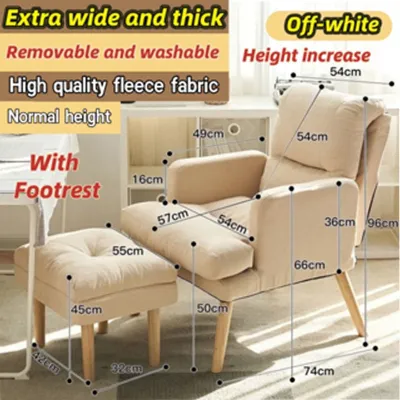
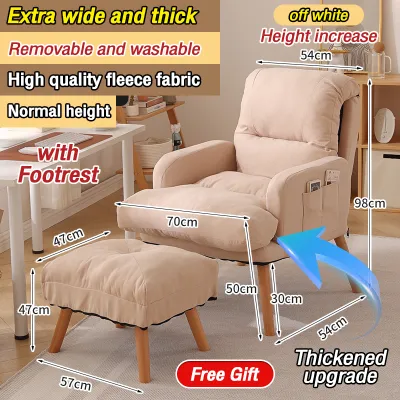
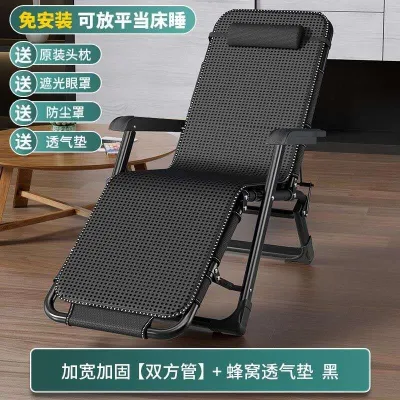
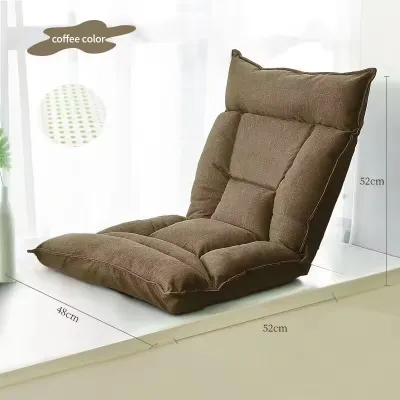
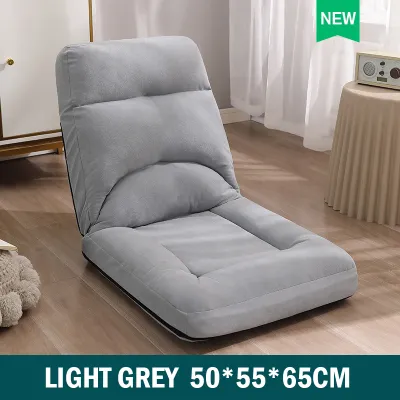
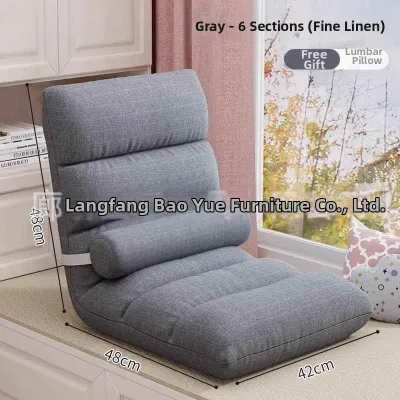
Prices are valid at publication and may change. Please refer to the product page for the latest price.
Cushion longevity is determined by foam density and recovery rates. High-density polyurethane foam or pocketed spring systems maintain their shape and support for years, preventing the “bottoming out” effect where you feel the underlying frame. Low-density foams may feel exceptionally soft during a brief showroom test but tend to sag permanently within a few years of daily use, compromising both comfort and spinal alignment.
Comparing Recliner Brand Categories in the Local Market
To simplify your search, the Singapore recliner market can be divided into three distinct segments: premium heritage brands, mainstream local furniture retailers, and budget online-first options. Each tier targets a different balance of durability, customization, and upfront cost.

Premium and Heritage Recliner Brands
High-end, specialized manufacturers typically construct their recliners with solid, kiln-dried hardwood frames or reinforced steel chassis to withstand decades of movement. These models frequently feature high-density, cold-cured foam, which is molded under high pressure to ensure uniform support and exceptional shape retention. Motorized options in this category often utilize dual or triple motors, allowing you to adjust the headrest, lumbar support, and footrest independently.
The comfort profile of premium recliners is highly sophisticated, offering precise ergonomic zones that adapt to different body types. Many of these brands offer multiple sizes for a single model, ensuring that the seat depth and headrest height match your physical proportions. Upholstery options are similarly high-grade, ranging from top-grain aniline leathers that breathe naturally to high-performance, stain-resistant fabrics.
The primary trade-off for this level of engineering is a substantial initial investment, with prices often starting in the thousands of S$. However, this cost is offset by an extended lifespan and comprehensive warranties that frequently cover the frame and mechanisms for ten years or more. For users seeking relief from chronic back pain or those planning a long-term investment for their primary living space, this tier offers the highest return on comfort and durability.
Mainstream Local and Regional Furniture Retailers
Mid-range recliners, widely available in local Singapore showrooms, generally utilize mixed-material frames combining plywood, engineered wood, and steel support rails. The cushioning typically consists of standard high-resiliency foam wrapped in polyester fiber to provide a plush initial feel. These models are available in both manual and single-motor power configurations, offering a reliable middle ground in mechanical complexity.
Comfort in this segment is designed to appeal to the average user, focusing on a soft, enveloping feel rather than highly specialized orthopedic support. These recliners are often styled to match broader living room sofa sets, making it easier to maintain a cohesive interior design aesthetic. While they may lack highly adjustable headrests or lumbar zones, they provide comfortable seating for evening relaxation and weekend movie sessions.
This tier offers a balanced value proposition, with pricing that fits comfortably within mid-range home renovation budgets. Shoppers benefit from the ability to physically test various models in local showrooms before purchasing, reducing the risk of buying an ill-fitting chair. Warranties are standard, typically covering structural frames for three to five years and electronic components for one to two years.
Budget and Online-First Recliner Options
Entry-level recliners, primarily sold through digital storefronts and online marketplaces, are engineered for affordability and compact living. They often feature lightweight metal frames paired with manufactured wood panels and basic push-back or simple manual pull-tab mechanisms. The upholstery is almost exclusively synthetic, utilizing polyester blends or basic polyurethane (PU) leather to keep production costs low.
While these models are adequate for short-term relaxation or occasional use in a study, they generally lack the advanced lumbar support and contouring required for long hours of sitting. The foam used is typically lower in density, meaning it may lose its resilience and begin to sag faster than higher-tier alternatives. However, their compact footprints make them highly suitable for tight corners or small study rooms where a full-sized recliner would not fit.
The main advantage of this category is its high affordability, often costing only a fraction of a premium model’s price. They are highly accessible for renters or those furnishing temporary accommodations who do not want to commit to heavy, expensive furniture. The trade-offs include a shorter overall lifespan, limited or non-existent physical testing opportunities before delivery, and basic warranties that may only cover manufacturing defects for a few months.
Inspecting Build Quality and Durability Specifications
When evaluating any recliner, looking past the outer upholstery to verify the underlying construction materials is essential for predicting durability. Request specifications regarding the frame; look for kiln-dried hardwood, such as birch or maple, or a fully welded steel frame. Kiln-drying removes moisture from the wood, preventing it from warping, cracking, or bowing over time in Singapore’s humid climate, whereas cheap, untreated particleboard is prone to swelling and structural failure.
Examine the warranty details closely, as a manufacturer’s confidence in their product is directly reflected in these terms. A robust warranty should separate the coverage periods for different components: look for lifetime or ten-year coverage on the frame, three to five years on the reclining mechanism, and at least two years on electrical motors and control switches. Be cautious of warranties that offer a blanket one-year coverage for the entire unit, as this often indicates lower-grade mechanical parts that may wear out quickly.
Upholstery durability can be verified through standardized wear tests, such as the Martindale or Wyzenbeek rub counts, which measure how many friction cycles a fabric can withstand before showing wear. For a daily-use living room recliner, aim for a Martindale rating of at least 20,000 rubs for general domestic use, or 30,000 and above for heavy-duty performance. Additionally, check the manufacturer’s cleaning codes (such as W for water-based cleaners, S for solvents, or WS for both) to ensure you can easily maintain the material and address spills without damaging the fibers.
Space, Clearance, and Installation Checks for Singapore Homes
Integrating a recliner into a Singapore home requires careful spatial planning, particularly in compact HDB flats and condominiums. You must measure not only the static footprint of the chair but also its fully reclined dimensions, paying close attention to the “wall clearance” or “wall-hugger” capability. Standard recliners may require up to 30 to 50 centimeters of clearance behind the backrest to fully recline, whereas specialized wall-hugger designs need only 10 to 15 centimeters, sliding forward as they recline to save valuable floor space.
Before finalizing your purchase, verify the delivery logistics to prevent costly delivery failures or damage to your property. Measure the width and height of your home’s entry doorway, hallway corners, and the internal dimensions of your building’s lift or staircase. Many high-quality recliners feature removable backrests, which can significantly reduce the delivery profile; check if the retailer offers professional assembly inside your home to ensure the unit is put together correctly without scratching your walls.
For motorized recliners, plan the placement of power outlets and cable routing before the delivery team arrives. Running long extension cords across a living room floor creates a significant tripping hazard and risks damaging the power cable if it gets caught in the recliner’s moving metal joints. Position the chair close to an existing wall outlet, or consider investing in a model with an integrated rechargeable battery pack, which allows you to place the recliner in the center of the room without visible cords.
Decision Framework: Matching Brand Tiers to Your Needs
To choose the right recliner, match your personal priorities, physical space, and budget to the strengths of each brand tier.
Opt for a premium heritage brand if you require specialized ergonomic support for back pain, have a flexible budget, and view the purchase as a long-term investment for your home. These brands are also ideal if you need advanced features like zero-gravity positioning, power-lift assistance for mobility support, or customized sizing to fit your height perfectly.
Select a mainstream local retailer if you prefer to test the comfort of the chair in person before buying and want a design that coordinates seamlessly with your existing living room furniture. This tier is perfect for households seeking a reliable, comfortable recliner with a solid warranty at a moderate price point.
Choose a budget online-first option if you are furnishing a temporary rental, have strict budget limits, or need a compact chair for a small study or guest room. These models are excellent for occasional relaxation where heavy, daily wear is not expected.
Always verify the specifications first if a product lacks clear details regarding its frame materials, mechanism warranty, or return policies. If an online retailer cannot provide these basic quality indicators, it is safer to look for an alternative that offers transparent product specifications.
Frequently Asked Questions (FAQ)
Do power recliners last as long as manual recliners?
With proper care, high-quality power recliners can last just as long as manual ones, and they often experience less mechanical wear because the motor applies smooth, consistent force rather than the sudden jerks associated with manual levers. However, they do introduce electrical components that are vulnerable to power surges, making it wise to use a surge protector. When comparing options, verify that the motor warranty is separate from the frame warranty and covers at least two to five years of use.
How can I test a recliner for proper lumbar support in a showroom?
To test a recliner effectively, sit fully back in the seat so your lower back makes direct contact with the backrest, and check that there is no empty gap behind your lumbar spine. Transition the chair slowly through its reclining angles; your head and neck should remain comfortably supported without being pushed forward or strained backward. Remain in the fully reclined position for at least ten to fifteen minutes to ensure no pressure points develop along your thighs, hips, or shoulders.
Are fabric recliners harder to maintain than leather ones in a humid climate?
In Singapore’s humid climate, fabric recliners can retain moisture and dust mites if not vacuumed regularly, but they remain highly breathable and comfortable against the skin. Genuine leather is easier to wipe clean but requires regular conditioning to prevent cracking from humidity and sweat, while cheap synthetic PU leather can peel rapidly under humid conditions. If choosing fabric, look for performance materials treated with water-resistant coatings, and always check the cleaning codes to ensure straightforward maintenance.
Community discussion
Share your experience or ask a question. Comments are reviewed before publication.