
Quick Answer: Matching Brand Tiers to Your Home Office Needs
Finding the right office chairs in Singapore requires balancing personal comfort, room aesthetics, and budget. With many options available in the local market, defining “value” depends heavily on how many hours you spend at your desk and what physical support your body requires. Instead of searching for a single best option, matching your specific work habits to the appropriate brand tier ensures you invest in a chair that serves your long-term health.
A premium international brand is the ideal choice if you work long hours, require advanced ergonomic adjustability, and prioritize long-term durability backed by extensive warranties. These chairs are engineered for heavy daily use and offer highly customizable support, making them a worthwhile investment for dedicated professionals.
A mid-range or direct-to-consumer (DTC) brand offers an excellent balance if you want modern home aesthetics, solid ergonomic features, and competitive pricing. These brands often design chairs specifically for residential spaces, blending contemporary style with essential adjustments like adaptive lumbar support.
Products mentioned in this guide
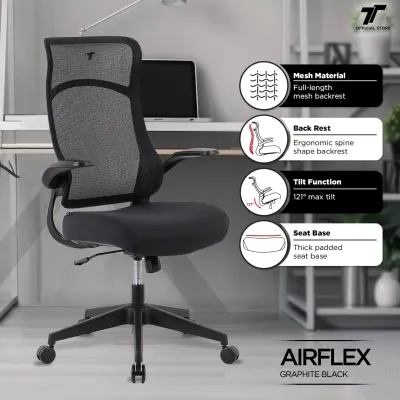
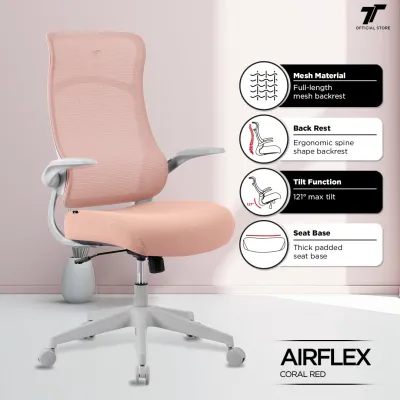
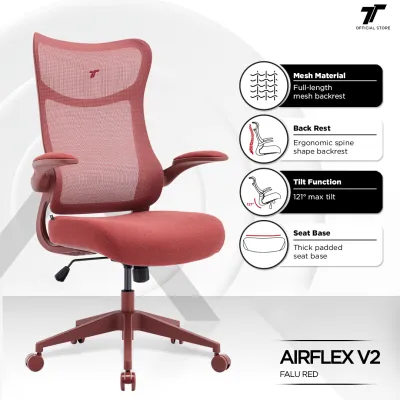

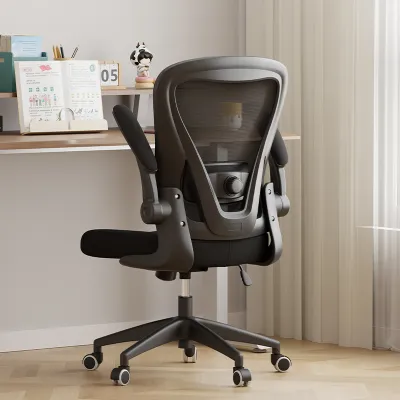
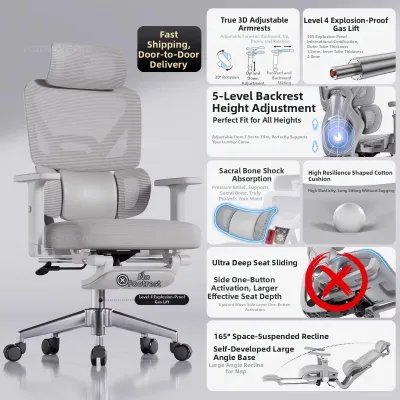
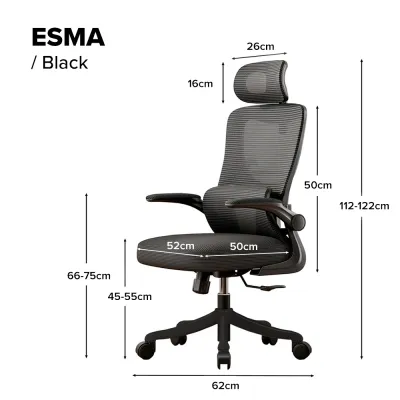
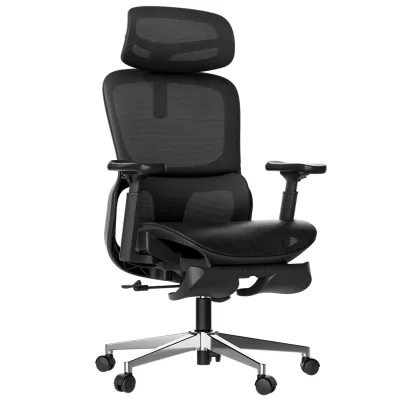
Prices are valid at publication and may change. Please refer to the product page for the latest price.
A budget or flat-pack brand is best suited for secondary workspaces, strict space constraints, or entry-level setups. If your daily desk time is limited, these accessible options provide functional seating without a major financial commitment.
What Makes Office Chairs a "Good Value" for Home Use?
Determining the true value of an office chair goes far beyond looking at the initial price tag. In a home office, a chair must perform multiple roles, acting as a supportive work tool while blending seamlessly into your living environment. Understanding the key components of value helps prevent buyers from falling for superficial designs that fail to support their physical health over time.

Comfort and ergonomics form the foundation of any worthwhile seating investment. True ergonomic support relies on adjustability, allowing you to tailor the chair to your unique body proportions. Features such as adjustable lumbar support, seat depth customization, and multi-directional armrests are critical for maintaining proper spinal alignment during extended sitting sessions. Without these adjustments, a chair forces your body to adapt to its rigid frame, which often leads to discomfort or strain.
Durability and overall lifespan directly dictate whether a purchase is genuinely cost-effective. High-quality construction, robust mechanical components, and resilient materials ensure the chair retains its supportive properties for years. A reliable indicator of this structural integrity is the manufacturer’s warranty. Buyers should always verify the specific warranty terms and conditions on official brand websites, as coverage can vary significantly between the structural frame, the gas lift cylinder, and the fabric or mesh upholstery.
Home suitability and aesthetics are equally important when selecting furniture for residential spaces. Unlike commercial offices, home workspaces require chairs that respect spatial limitations and design preferences. A massive, overly industrial chair can overwhelm a compact study room or a multi-purpose living area. Good value means finding a chair with a physical footprint that fits your desk area while complementing your interior decor.
Calculating value through a price-versus-cost-per-use lens provides a realistic financial perspective. A budget chair that needs replacement after a year of heavy use often costs more in the long run than a mid-range or premium chair that lasts for a decade. Dividing the upfront purchase price by the expected years of service and daily usage hours reveals the actual daily cost of your physical comfort and productivity.
Evaluating Popular Office Chair Brand Categories in Singapore
Evaluating the typical brand tiers available in the local market helps clarify what you get at different price points. By categorizing the options into distinct tiers, you can identify which group offers the features, materials, and support systems that match your daily routine.
Premium International Ergonomic Brands
Premium international ergonomic brands represent the pinnacle of office seating engineering, driven by decades of scientific research, user testing, and mechanical innovation. Brands in this category focus on creating highly sophisticated dynamic mechanisms that adapt to your body’s movements throughout the day. By utilizing advanced materials like custom elastomeric mesh and high-tensile polymers, these manufacturers build chairs that distribute body weight evenly and minimize pressure points.
The primary value proposition of these premium brands lies in their exceptional durability and long-term physical benefits. While the initial investment is substantial, often reaching four figures in Singapore dollars, it is offset by an incredibly long lifespan. Many of these high-end options are backed by comprehensive manufacturer warranties lasting up to 12 years, covering both parts and labor. This extensive protection ensures that your cost-per-day remains remarkably low over the course of a decade or more.
To secure a valid warranty and reliable after-sales support, it is highly recommended to purchase these chairs exclusively through authorized local dealers or official brand showrooms in Singapore. Buying from unauthorized parallel importers may void your warranty, leaving you without recourse if a mechanical component fails. Visiting a physical showroom also allows you to receive professional fitting advice, ensuring you choose the correct frame size and configuration for your height and weight.
One key consideration for residential buyers is the aesthetic design of these premium chairs. Many models feature a distinct, high-tech “corporate” appearance with exposed mechanical linkages and prominent frames. While this look fits perfectly in a dedicated home study, it may feel overly clinical or out of place in a cozy bedroom or a shared living room. Buyers must weigh this technical aesthetic against their personal home decor preferences.
Mid-Range and Direct-to-Consumer Brands
The mid-range and direct-to-consumer (DTC) segment has grown rapidly in Singapore, offering a compelling alternative for modern remote workers. These brands focus on delivering contemporary aesthetics, targeted ergonomic features, and highly competitive pricing. By selling directly to consumers online or through streamlined local showrooms, they eliminate traditional retail markups, allowing them to offer advanced features like adaptive lumbar support and synchronous tilt mechanisms at a fraction of the cost of premium imports.
For most home office users, the value proposition of DTC brands is highly attractive. These chairs are specifically designed with residential spaces in mind, featuring softer silhouettes, fabric finishes, and color palettes that blend harmoniously with modern home interiors. They provide a significant ergonomic upgrade over basic office chairs, offering sufficient adjustability to support six to eight hours of daily work without requiring a premium budget.
However, purchasing from a DTC brand requires careful attention to the logistics of delivery and ownership. Because these models are often shipped directly to your home in flat-packed boxes, self-assembly is frequently required. Buyers should review the assembly instructions and online video guides provided by the brand to ensure they have the necessary tools and physical capability to construct the chair safely. Additionally, it is wise to carefully examine return policies and trial periods, as some brands offer risk-free home trials that allow you to test the chair in your actual workspace before committing.
Before finalizing a purchase, always verify the specific weight capacity and physical adjustability limits in the manufacturer’s official specifications. Mid-range chairs may have narrower adjustment ranges or lower maximum weight thresholds than their premium counterparts. Ensuring that the chair’s seat width, depth, and gas lift range align with your physical profile is essential for achieving a comfortable, safe, and ergonomically sound seating position.
Budget and Flat-Pack Furniture Brands
Budget and flat-pack furniture brands offer highly accessible, mass-market seating solutions that are widely available across Singapore. These brands prioritize affordability, immediate availability, and space-saving designs that cater to a wide variety of home layouts. For homeowners furnishing a secondary study, a child’s homework desk, or a temporary rental space, these budget-friendly options provide a functional seating solution without requiring a major financial commitment.
The value proposition here is centered on cost efficiency and simplicity. If your daily desk usage is limited to a few hours of casual browsing or light administrative work, a basic flat-pack chair can fulfill your needs perfectly. Many of these designs feature lightweight frames, small physical footprints, and clean, minimalist aesthetics that do not dominate a room. They are also highly convenient to purchase, transport, and assemble on short notice.
However, buyers must be aware of the inherent trade-offs associated with budget-tier chairs. To maintain low price points, manufacturers often use simpler mechanical systems, such as basic upright locks instead of advanced synchro-tilt mechanisms. Adjustability is typically limited to seat height and basic tilt tension, which may make it difficult to find an ergonomically optimal position for long-term sitting. Additionally, the materials used—such as standard foam cushions and basic nylon meshes—may compress or wear down faster under heavy, daily eight-hour use.
To maximize your investment in a budget chair, it is crucial to inspect the physical build quality before buying. If possible, visit a local store to check the overall stability of the frame, the smoothness of the casters, and the breathability of the backrest material. Reviewing detailed online specifications and customer feedback regarding long-term structural integrity can also help you avoid models prone to squeaking, wobbling, or premature cushion sagging.
Essential Specifications to Compare Across Brands
When comparing specific office chair models across different brands, looking at a list of features is not enough. You must understand how technical specifications translate to physical comfort and compatibility with your home environment. Using a structured evaluation method ensures you do not overlook critical details that affect daily usability.
The following checklist highlights the essential specifications to verify before making your purchase:
- Adjustability Features:
- Lumbar Support: Look for height-adjustable or depth-adjustable lumbar systems. Some brands offer adaptive lumbar support that automatically responds to your posture, while others use manual knobs or sliding pads.
- Seat Depth Adjustment: A sliding seat pan is crucial for aligning your thighs properly. It prevents the front edge of the seat from pressing against the back of your knees, which can restrict blood circulation.
- Armrest Adjustability (2D, 3D, or 4D): Adjustable armrests reduce strain on your shoulders and neck. 4D armrests allow you to adjust height, width, depth, and angle, ensuring your elbows are supported regardless of your typing style.
- Recline and Tilt Mechanism: A synchro-tilt mechanism, where the backrest reclines at a greater ratio than the seat pan, keeps your feet flat on the floor and maintains proper spinal alignment as you lean back.
- Material and Climate Suitability:
- Mesh vs. Fabric vs. Leather: Singapore’s warm and humid tropical climate makes material choice a critical comfort factor. High-quality elastomeric mesh offers maximum breathability, allowing body heat to dissipate efficiently. Traditional fabric upholstery provides a softer, cushioned feel but can trap heat if your workspace is not consistently air-conditioned. Genuine leather and synthetic PU leather look luxurious but are highly prone to trapping heat and moisture, and synthetic options may peel over time in humid conditions. Always check the manufacturer's material specifications and care labels for maintenance instructions.
- Spatial Footprint and Clearance:
- Overall Dimensions: Measure your desk height and the width between the desk legs. Ensure the chair's armrests can slide completely under your desk when not in use, which saves valuable floor space in compact HDB flats or condominium rooms.
- Base Diameter: Compare the diameter of the five-star caster base against your available floor space to prevent the chair from obstructing walkways or colliding with nearby furniture.
- Floor Compatibility:
- Caster Type: Standard office chairs often ship with hard nylon casters designed for low-pile carpets. On hard residential floors such as vinyl, ceramic tiles, or parquet, hard casters can cause scratches or generate loud rolling noises. Look for brands that offer soft polyurethane (PU) or rubber-coated casters, which roll quietly and protect delicate flooring surfaces from wear.
Final Decision Framework: Which Brand Category Should You Choose?
To finalize your decision, you must evaluate your personal working habits, space constraints, and budget against the strengths of each brand category. Following a systematic selection process prevents impulse buys and ensures your chosen chair delivers maximum value for your specific lifestyle.
You should prioritize Premium International Brands if you meet the following criteria:
- You spend eight or more hours a day sitting at your home desk.
- You have a dedicated budget for high-quality ergonomic furniture.
- You suffer from chronic back, neck, or shoulder discomfort and require precise, highly adjustable support.
- You want a long-term investment backed by a comprehensive 10-to-12-year warranty for peace of mind.
You should choose Mid-Range and Direct-to-Consumer Brands if your situation aligns with these points:
- You work from home full-time or hybrid but want to maintain a stylish, residential aesthetic.
- You need solid, daily ergonomic comfort (six to eight hours) without spending a premium sum.
- You appreciate modern, user-friendly designs and are comfortable with basic self-assembly.
- You want a balanced price-to-performance ratio with reliable local customer service and reasonable warranty terms.
You should opt for Budget and Flat-Pack Brands if the following conditions apply:
- Your daily desk usage is light, typically under four hours a day.
- You are setting up a temporary workspace, a secondary study, or a multi-purpose room where space is limited.
- You have a strict budget and require an immediate, functional seating solution.
- You prefer simple, lightweight designs that are easy to move and reassemble.
If you are purchasing a chair online without the opportunity to test it in person, always perform several verification checks first. Check the seller’s return policy to see if they allow returns or exchanges if the chair does not fit your body comfortably. Review the detailed assembly requirements to ensure you have the space and tools required for setup. Finally, verify that the chair’s maximum weight capacity and exact seat dimensions match your physical profile, as stated in the manufacturer’s official documentation.
Frequently Asked Questions (FAQ)
Do I need a specialized ergonomic chair for a home office?
Whether you need a specialized ergonomic chair depends primarily on your daily usage patterns and screen time. If you work from home for extended periods—typically more than four hours a day—an ergonomic chair with adjustable lumbar support, seat depth, and armrests is highly recommended to protect your posture and prevent musculoskeletal strain. For occasional, short-duration tasks like checking emails or paying bills, a standard comfortable dining chair or a basic office chair may suffice. Carefully assess your actual daily desk hours before investing in high-end ergonomic features.
How do I protect my home flooring from office chair casters?
To protect your residential flooring from scratches and scuffs, start by checking the manufacturer’s specifications for the caster material. If your home has hard surfaces such as vinyl, parquet, or ceramic tiles, standard hard nylon casters can cause wear and generate noticeable rolling noise. Replacing them with soft polyurethane (PU) casters or installing a protective desk mat or low-pile rug under your workspace is highly effective. This is especially important in high-density housing like HDB flats or condominiums, where reducing rolling noise helps maintain a quiet environment for your neighbors downstairs.
Community discussion
Share your experience or ask a question. Comments are reviewed before publication.