
Which lazy sofa design offers the best comfort and support for your home? There is no single brand or model that suits every individual, as the ideal choice depends on your primary activities—such as reading, gaming, or napping—and your personal preference for either an enveloping, moldable seat or structured spinal support. To make an informed purchase, you must look past marketing claims and evaluate the physical properties of the filling materials, the breathability of the cover fabrics, and the structural design of the frame.
The core trade-off when selecting a lazy sofa lies between traditional microbead designs and structured or memory foam hybrids. Traditional microbead models offer maximum adaptability, contouring closely to your body shape to create a highly personalized, pressure-relieving nest. However, they lack firm, reliable ergonomic support for long periods. On the other hand, structured recliners and hybrid memory foam models provide the necessary resistance to keep your spine aligned, making them far better suited for prolonged daily use.
Evaluating these options within the context of Singapore’s housing and climate requires a practical approach. Because living spaces in local apartments are often compact, and the tropical climate brings high humidity, factors like the ease of washing the covers and the overall footprint of the furniture become just as critical as initial comfort. Understanding how different materials and designs perform over time will help you choose a lazy sofa that remains comfortable, supportive, and hygienic for years.
Products mentioned in this guide
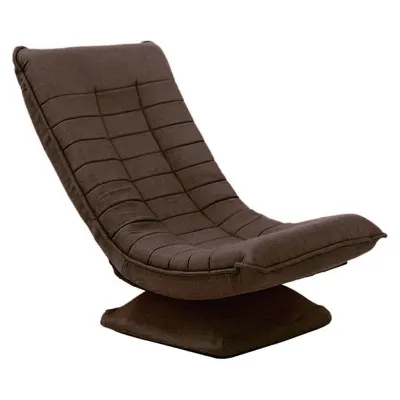
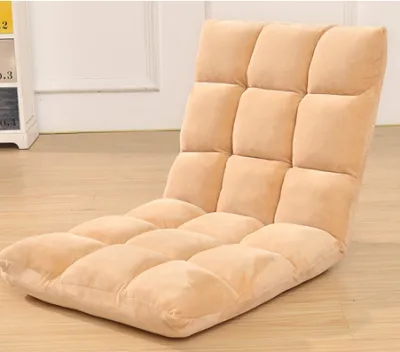
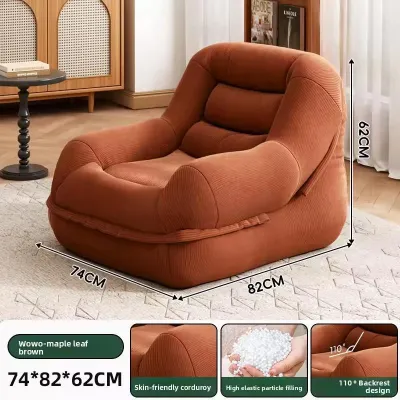
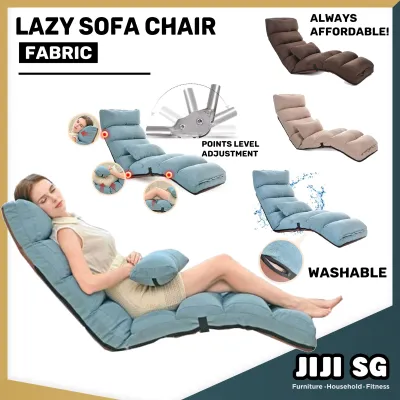
Prices are valid at publication and may change. Please refer to the product page for the latest price.
Key Dimensions for Evaluating Comfort and Body Support
Filling Materials and Resiliency
The interior filling of a lazy sofa determines both its initial feel and its long-term durability. Expanded Polystyrene (EPS) and Expanded Polypropylene (EPP) microbeads are the most common fillings for classic fluid-shaped loungers. EPS beads are exceptionally lightweight and conform instantly to your posture, but they are highly susceptible to compression over time, meaning the sofa will gradually flatten and require regular refills. EPP beads are slightly denser and offer better resilience, holding their shape longer under consistent weight, though they still eventually compress under daily use.
Shredded memory foam and hybrid polyurethane foam fillings offer a different support profile. Instead of shifting entirely away from pressure points like microbeads do, shredded foam compresses individually while retaining a dense, elastic core. This material provides a medium-firm feel that supports your weight without bottoming out to the floor. High-density structured foam cores, often found in solid floor chairs or framed recliners, offer the highest level of consistent resistance, preventing your pelvis from sinking too deep and keeping your posture stable.
Cover Fabrics and Breathability
Singapore’s warm and humid climate makes cover selection a primary comfort factor. Synthetic fabrics such as polyester velvet, plush, or dense corduroy feel exceptionally soft to the touch, but they tend to trap body heat and moisture. In a non-air-conditioned room, these materials can quickly cause overheating and a clammy seating experience. If you prefer synthetic covers for their stain resistance, ensure the room is well-ventilated or air-conditioned during use.
Natural fibers and high-performance blends offer much better thermal regulation. Cotton and linen blends allow air to circulate freely, wicking away moisture and keeping the seating surface cool. Canvas is another durable, breathable option, though it has a stiffer texture that takes time to soften. When evaluating any cover material, check the manufacturer’s care label to confirm if the fabric is pre-shrunk; washing a non-shrunk cover can cause it to tighten, making it incredibly difficult to fit back over the inner liner.
Ergonomic Features and Weight Distribution
True body support relies on how evenly a lazy sofa distributes your weight across your hips, thighs, and spine. A simple, unstructured “sack” design relies entirely on the shifting of its internal beads to fill the space around your body. While comfortable for brief periods, this design does not actively support the natural S-curve of your spine, which can lead to muscle fatigue over extended sitting sessions.
Advanced lazy sofas incorporate specific ergonomic features to address this limitation. Look for models designed with teardrop shapes, internal baffling, or built-in lumbar curves that hold their shape even when you sit down. Adjustable reclining mechanisms allow you to alter the angle of the backrest, shifting pressure away from your lower back to your upper body and thighs. Integrated headrests or extended back panels are also crucial if you plan to use the sofa for activities that require you to keep your head upright, such as watching television or reading.
How Popular Brand Design Types Compare in Daily Use
Traditional Microbead "Bean Bag" Style
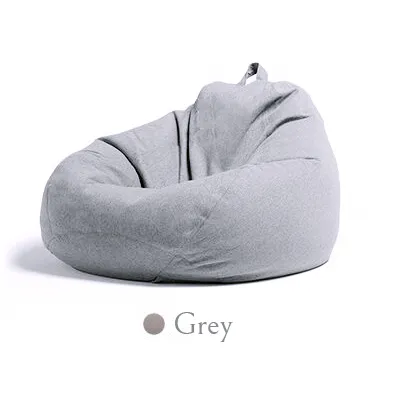
The classic microbead bean bag remains a staple for casual relaxation due to its unmatched ability to mold to any body shape. Because the tiny EPS or EPP beads shift freely inside the liner, the sofa instantly adapts whether you are sitting upright, reclining, or lying flat. This fluid adaptability makes it incredibly comfortable for short-term lounging, casual movie nights, or quick naps, as it eliminates localized pressure points entirely.

Portability is another major advantage of this design type. Because they contain no heavy wood or metal frames, microbead sofas are exceptionally lightweight, allowing you to move them easily from the living room to a study or balcony. This flexibility is highly beneficial in smaller Singapore apartments where multi-functional spaces are common, as the sofa can be easily repositioned or tucked away when cleaning the floors.
However, the lack of structured spinal support is a significant drawback for daily, long-term use. Without a rigid frame or dense foam core, your body gradually sinks into a slouched posture, which can strain the lower back and neck over several hours. Additionally, the low-profile, floor-level nature of these bags means getting in and out of them requires a fair amount of physical effort and core strength. For individuals with knee joint issues or chronic back pain, this low seating height can make daily use highly impractical.
Over time, maintenance becomes an unavoidable task for microbead models. As the beads compress from your body weight, the sofa will lose its loft and support, requiring you to purchase and add replacement beads. Before buying, always check the inner liner to ensure it features a secure, child-safe zipper that allows for refilling. Forcing open a liner that is not designed for consumer access can damage the seams and lead to a messy spill of static-charged beads.
Shredded Memory Foam and Hybrid Designs
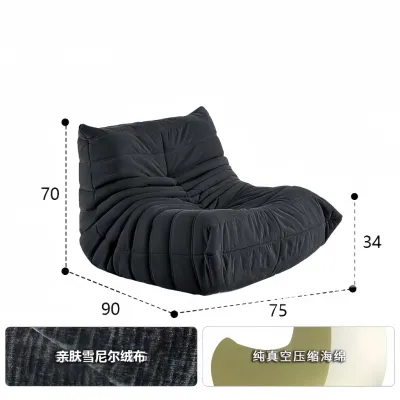
Shredded memory foam and hybrid lazy sofas bridge the gap between loose bean bags and traditional structured furniture. Instead of shifting completely away from pressure like microbeads, the shredded foam clusters compress to cushion your body while maintaining a supportive, dense base. This design provides a highly comfortable “sink-in” feeling without the sensation of bottoming out onto the hard floor, making it excellent for activities like gaming or reading.
Because memory foam retains its elasticity, these hybrid models hold their shape much better over years of use compared to traditional bead-filled options. They do not require frequent refilling; instead, a simple manual fluffing is usually enough to restore the foam’s original loft and volume. This makes them a highly durable secondary seating option for a living room or study.
However, these benefits come with distinct physical trade-offs. Shredded foam models are significantly heavier and bulkier than microbead bags, making them much harder to move around the home. Their dense structure also means they retain more body heat, which can be uncomfortable in Singapore’s humid climate if the outer cover is made of a heavy synthetic material. If you select a foam hybrid, prioritize models that feature breathable outer covers and open-cell foam technology to encourage airflow.
Structured Recliner-Style Lazy Sofas
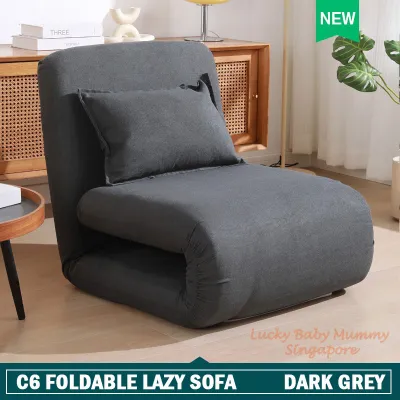
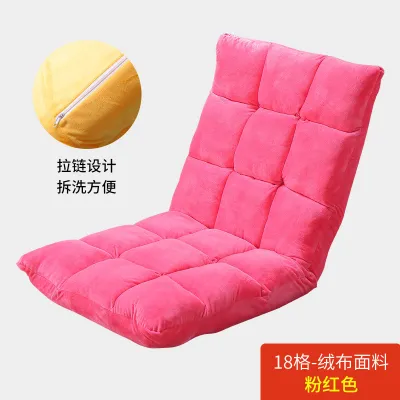
Structured recliner-style lazy sofas utilize internal metal frames, ratcheting joints, or rigid foam bases to provide reliable, upright ergonomic support. These models function more like compact, adjustable floor chairs, offering defined backrests, lumbar support, and headrests. They are specifically engineered to keep your spine in a healthy alignment, making them the superior choice if you plan to work on a laptop, read, or sit upright for hours.
Many structured models feature adjustable gear mechanisms that allow you to lock the backrest into multiple angles, ranging from fully upright to completely flat. This flexibility allows you to transition easily from a focused working posture to a relaxed lounging position. Because they sit slightly higher off the ground and feature a stable, rigid base, they are also far easier to get out of compared to floor-level bean bags, making them more accessible for all family members.
These ergonomic benefits do require sacrificing the deep, enveloping coziness of a bead or foam bag. Structured recliners have a fixed, rigid footprint and cannot be squished or compressed to fit into tight corners when not in use. They are also generally heavier and more expensive due to the cost of the internal metal frames and joint mechanisms.
When purchasing a structured lazy sofa, it is critical to verify the finished dimensions against your available floor space and your apartment’s entry points. Ensure the fully reclined length of the sofa does not block walkways or doors. Because these models contain rigid frames, you must also check that the packaged box can easily clear your doorway and lift access during delivery. Finally, inspect the joint finish and frame stability to ensure the sofa will not tip backward when you lean back fully.
Decision Framework: Matching the Right Design to Your Needs
Space and Layout Considerations
Before purchasing any lazy sofa, carefully measure the designated area in your home, keeping in mind both the upright and fully reclined dimensions of the product. In compact living rooms or study rooms, floor space is at a premium. Structured recliners require a dedicated, permanent footprint and sufficient clearance behind them to allow the backrest to tilt backward safely without hitting walls or other furniture.
If your living space is highly dynamic or limited, a microbead or lightweight foam model may be more practical. These unstructured designs can be easily pushed against a wall, stood upright in a corner, or moved to another room when you need to clear the floor for guests or cleaning. Always ensure that the path from your main entrance to the living room is clear of obstructions, and check that the sofa’s dimensions allow for comfortable movement around it when it is in use.
Maintenance and Hygiene
Maintaining clean furniture is a constant challenge in humid environments, where sweat, dust, and moisture can quickly accumulate in fabric fibers. For any lazy sofa intended for daily use, a fully removable and machine-washable outer cover is an absolute necessity. Sofas without removable covers require tedious spot cleaning, which is often ineffective at removing deep-seated odors or sweat stains over time.
When evaluating a brand, look for a double-layer design consisting of an independent inner liner that holds the filling secure and a separate outer cover. This setup allows you to zip off the outer cover easily for regular washing without risking a massive spill of foam or beads. Always follow the manufacturer’s specific care instructions regarding water temperature and drying methods; using excessive heat on synthetic or cotton-blend covers can cause shrinkage, preventing you from fitting the cover back over the inner cushion.
The Decision Matrix
To simplify your choice, use this quick reference guide to match your lifestyle and home environment to the correct lazy sofa design:
- Choose Microbead designs if: You want an ultra-lightweight, highly portable floor lounger for occasional relaxation, enjoy a soft, moldable seating feel, and have limited space where the sofa needs to be tucked away frequently.
- Choose Memory Foam hybrids if: You want a highly durable, resilient secondary seat for daily lounging or gaming, prefer a medium-firm feel that contours to your body without flattening completely, and do not mind a heavier piece of furniture.
- Choose Structured Recliners if: You require reliable spinal and lumbar support for long sitting sessions, plan to work or read from the sofa, prefer an easier time standing up from the seat, and have a dedicated floor space that can accommodate a fixed, rigid frame.
- Verify first if: The retailer provides local warranty coverage, readily accessible replacement covers, or official bead refill packs in Singapore. For structured models, always check the joint quality, frame stability, and maximum load capacity before finalizing your purchase.
Frequently Asked Questions (FAQ)
Are lazy sofas bad for your posture if used every day?
Traditional microbead lazy sofas can contribute to poor posture and lower back strain if used as your primary daily seat for hours at a time. Because they lack structured lumbar support and a rigid backrest, your pelvis tends to tilt backward, forcing your lower spine into a rounded, slouched position. Over time, this posture puts excessive pressure on your spinal discs and surrounding muscles, leading to discomfort and stiffness.
If you plan to use a lazy sofa daily for extended periods, it is highly recommended to choose a structured recliner or a hybrid memory foam model with a defined backrest. These designs provide the necessary resistance to support the natural curve of your lower back and keep your shoulders aligned. Regardless of the design you choose, taking regular breaks to stand, stretch, and walk around every 30 to 45 minutes is essential for maintaining spinal health.
How do I maintain the shape and support of a microbead lazy sofa?
To keep a microbead lazy sofa supportive, perform regular maintenance by fluffing and shaking the bag weekly. This redistributes the internal EPS or EPP beads, preventing them from settling permanently in one area and ensuring more consistent support when you sit. Rotating the sofa regularly also helps distribute wear evenly across the fabric seams and the inner liner.
Protecting the sofa from physical damage is equally important. Keep the bag away from sharp objects, rough wall surfaces, and pet claws, as a puncture to both the outer cover and inner liner can result in a difficult-to-clean spill of static-charged beads. Avoid exposing the sofa to direct, intense sunlight for prolonged periods, as UV rays can degrade the synthetic fibers of the inner liner, making it brittle and prone to tearing. Always check the manufacturer’s label to see if the inner liner is designed with a secure zipper for refilling, and avoid forcing open any zippers that are sealed shut for safety reasons.
Community discussion
Share your experience or ask a question. Comments are reviewed before publication.