
Selecting a gaming chair in Singapore requires balancing personal comfort, room climate, and long-term durability. Because individual sitting habits and physical dimensions vary, there is no single brand that suits every user. Instead, the right choice depends on a conditional evaluation of your daily usage hours, budget, and specific ergonomic needs.
If you spend more than six hours a day at your desk and require precise body alignment, investing in premium global brands is highly recommended. These manufacturers typically offer advanced adjustability features, such as 4D armrests, integrated lumbar support, high-density cold-cure foam, and extensive multi-year warranties. Conversely, if your daily usage is moderate or you are working with a tighter budget, mid-tier regional brands provide reliable basic ergonomic support without the premium price tag. Before finalizing any purchase, it is critical to verify the warranty terms, return policies, and the physical dimensions of the chair to ensure it fits your workspace and home layout.
In Singapore, the gaming chair market is highly diverse, ranging from globally recognized brands to regional specialists. These products are widely accessible through official brand websites, authorized local distributors, and major online marketplaces. To make an informed decision, buyers must look past marketing slogans and critically evaluate the physical construction, materials, and support mechanisms of each candidate.
Products mentioned in this guide
![[PRE-ORDER] TTRacing Maxx Pro Gaming Chair Ergonomic Home Office Chair Computer Chair - 2 Years Official Warranty](https://img.lazcdn.com/g/p/16c743565452a854ad3379a96d631e5c.png_400x400q80.png_.webp)
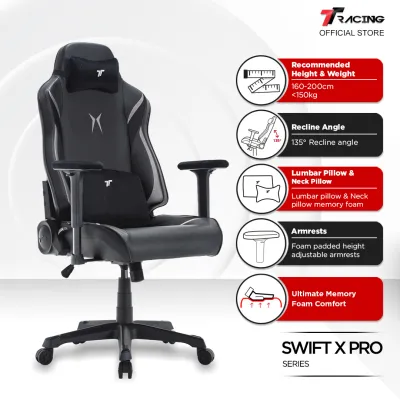
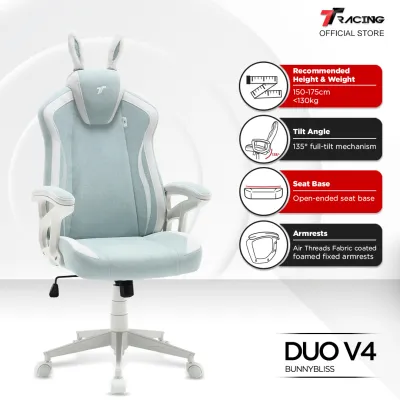
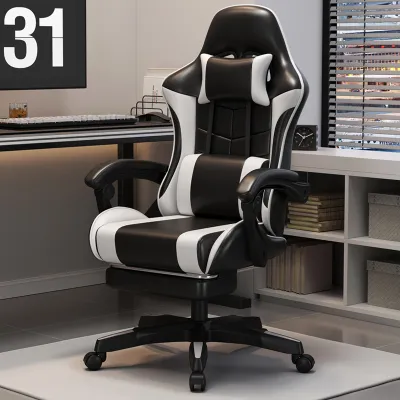
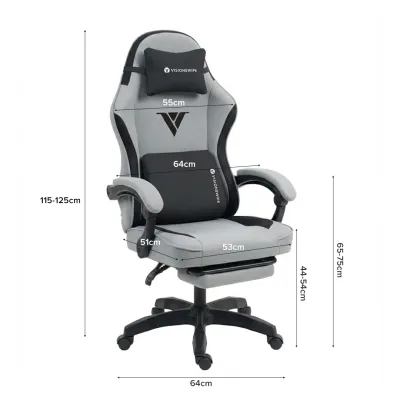
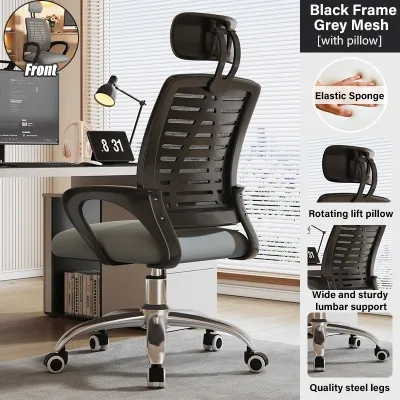
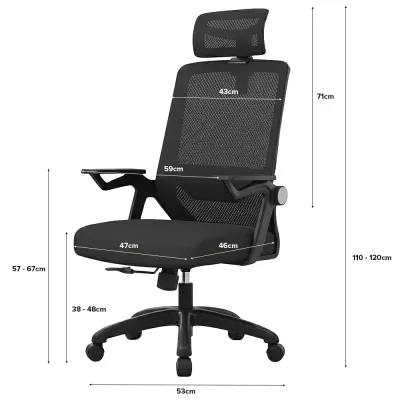
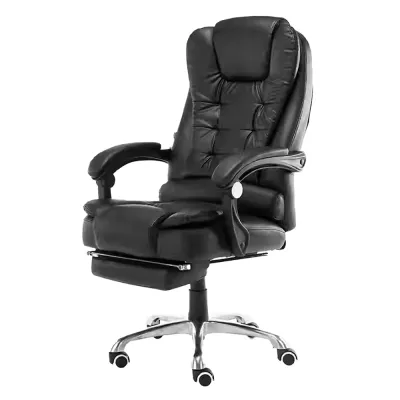
Prices are valid at publication and may change. Please refer to the product page for the latest price.
Core Build Quality Dimensions to Compare
The longevity and safety of a gaming chair depend heavily on its internal engineering and structural components. While two chairs may look almost identical in product photographs, their internal components often differ significantly, directly affecting how well they support weight and resist wear over several years of continuous use.
Frame Construction and Base Stability
The internal frame serves as the skeleton of the gaming chair, dictating its overall structural integrity and resistance to warping. High-quality chairs utilize a fully welded steel internal frame, which offers superior rigidity and prevents the backrest from sagging or bending under sustained load. In contrast, budget-friendly alternatives often incorporate plywood or thin plastic structures within the seat cushion or backrest. Over time, these materials are highly susceptible to moisture absorption, cracking, and structural fatigue, leading to a noisy, unstable seating experience.
Equally important is the base of the chair, which bears the entire weight of the user and the seat assembly. Heavy-duty aluminum alloy bases provide exceptional stability and are highly resistant to bending, making them the standard for premium models. Reinforced nylon bases offer a lightweight and cost-effective alternative; however, buyers must check the manufacturer’s specified load capacity to ensure the material can safely handle their body weight. To ensure safe and smooth height adjustments, look for chairs equipped with a Class 4 gas lift. This component is certified for safety and durability, preventing gradual sinking or sudden pressure loss during use. Additionally, when planning your setup, consider the physical dimensions of the base relative to your desk space and ensure the caster wheels are suitable for your flooring type, whether it is hard tile, vinyl, or carpet.
Upholstery Materials and Padding Density
The choice of upholstery material directly impacts both tactile comfort and how well the chair copes with Singapore’s hot, humid climate. Polyurethane (PU) leather is a popular choice due to its sleek appearance and resistance to liquid spills, making it simple to wipe clean with a damp cloth. However, standard PU leather can trap body heat and moisture, potentially leading to discomfort in non-air-conditioned rooms. For spaces without consistent air conditioning, fabric upholstery or hybrid mesh designs are highly recommended, as they facilitate superior airflow and heat dissipation.
Beyond the outer cover, the type of padding used inside the seat determines whether the chair will retain its shape or flatten out within a few months. Premium gaming chairs utilize cold-cure molded foam, which is produced in a closed mold under high pressure. This process creates a dense, highly resilient cushion that distributes weight evenly and returns to its original shape after use, maintaining ergonomic support for years. Budget models frequently use standard cut polyurethane foam, which is less dense and prone to rapid compression, leading to bottoming out where the user feels the hard metal or wooden frame beneath. When comparing specifications, look for explicit mentions of cold-cure molded foam and check the density ratings rather than relying on generic descriptions like “high-density cushion.”
Recline Mechanisms and Moving Parts
The mechanical hardware beneath the seat controls how the chair tilts, reclines, and locks into place. Basic entry-level chairs typically feature a standard tilt mechanism, which allows the seat and backrest to tilt back together at a fixed angle. While functional, this design limits your ability to find an optimal ergonomic posture. More advanced models utilize a multi-function tilt mechanism, often referred to as a frog mechanism due to its shape. This hardware allows you to tilt the seat independently of the backrest, lock the tilt angle at various positions, and adjust the tension of the tilt to match your body weight.
The quality of these moving parts is a primary differentiator between premium and budget brands. High-end chairs employ heavy-gauge steel mechanisms with precise tolerances, ensuring smooth, quiet adjustments without mechanical play. Budget alternatives often use thinner metal brackets and lower-grade springs, which can develop annoying squeaks, wobbles, or loose connections over time. When reviewing a chair’s specifications, check the maximum recline angle and verify whether it features a tilt-lock system, as this allows you to safely lock the chair in a relaxed position without risking a tip-over.
Feature Differences That Impact Daily Comfort
While build quality ensures the chair lasts, adjustable features determine how well it conforms to your unique body shape and daily tasks. A chair that lacks sufficient adjustability forces your body to adapt to its shape, which can lead to poor posture, muscle strain, and fatigue over extended sitting sessions.

Adjustability: Armrests, Lumbar, and Headrests
Armrests play a crucial role in reducing strain on your shoulders, neck, and wrists by supporting the weight of your arms during typing or gaming. Manufacturers categorize armrest adjustability using a “D” system:
- 1D Armrests: Only adjust vertically (up and down).
- 2D Armrests: Adjust vertically and rotate horizontally (angled inward or outward).
- 3D Armrests: Adjust vertically, rotate horizontally, and slide forward or backward.
- 4D Armrests: Adjust vertically, rotate horizontally, slide forward or backward, and slide sideways (inward or outward toward your body).
This level of 4D customization is highly beneficial for aligning your elbows perfectly with your desk height, preventing wrist extension and reducing the risk of repetitive strain injuries.
Lumbar support is another critical feature where brands diverge significantly in their engineering approach. Budget and mid-range chairs usually provide external, removable lumbar pillows held in place by elastic straps. While these pillows are adjustable to some degree, they can shift out of place, compress easily, and may not match the natural curvature of your spine. Premium brands often integrate adjustable lumbar support directly into the backrest frame. These integrated systems allow you to adjust the depth and height of the lumbar curve using side dials, providing consistent, firm support that mimics high-end ergonomic office chairs.
Similarly, headrests vary from basic strap-on cushions to sophisticated magnetic attachments. Magnetic headrests, found on select high-end models, allow you to slide the pillow up and down easily to align with your neck without dealing with slipping elastic bands. When selecting a chair, consider your height and torso length; a headrest or lumbar support that is positioned too low or too high can cause more discomfort than having no support at all.
Ergonomic Add-ons and Specialized Features
To stand out in a crowded market, some brands equip their chairs with specialized features such as retractable footrests, built-in RGB lighting, massage motors, or integrated Bluetooth speakers. While these additions can seem appealing, it is important to evaluate whether they offer genuine ergonomic value or simply add unnecessary cost and mechanical complexity.
For instance, a retractable footrest can be highly comfortable for casual lounging or watching movies, but it adds weight and extra joints that may loosen or wear out over time. RGB lighting and built-in speakers require external power connections—either via a USB cable or a rechargeable power bank—which can complicate your cable management and limit your mobility. Massage features in gaming chairs typically consist of simple vibrating motors inside the lumbar pillow, which do not offer the targeted muscle relief of dedicated massage chairs.
When working within a specific budget, it is highly recommended to prioritize core ergonomic elements—such as a sturdy steel frame, high-density cold-cure foam, and a reliable multi-function tilt mechanism—over secondary cosmetic features. A basic, well-built chair with excellent adjustability will always provide better long-term comfort and health benefits than a feature-heavy chair constructed from inferior materials.
Navigating Brand Positioning and Warranties in Singapore
Understanding the market landscape in Singapore helps you match your expectations with the appropriate price tier and service level. The gaming chair market can be broadly categorized into three tiers:
- Premium Global Brands: Focus heavily on research and development, using proprietary materials and custom-engineered parts to optimize ergonomics. These chairs occupy the higher price bracket, typically starting from S$600 and going up to S$1,000 or more.
- Mid-Range Regional Brands: Offer a compelling balance of performance and value, often utilizing standard but high-quality components to keep prices between S$300 and S$500.
- Budget Brands: Cater to casual users with prices under S$250, though they often compromise on material density, frame thickness, and adjustability, and are widely available on various online marketplaces.
One of the most reliable indicators of a brand’s build quality is the length and comprehensiveness of its warranty. A long warranty period demonstrates the manufacturer’s confidence in the durability of their materials. When comparing brands, look closely at what the warranty actually covers. Premium warranties often extend from 3 to 5 years (and sometimes up to 10 years for structural components), covering the internal steel frame, recline mechanism, gas lift, and armrest hardware. Some premium brands also offer limited coverage for upholstery peeling under specific conditions. Mid-range warranties typically offer 2 to 3 years of coverage, focusing primarily on the frame and major mechanical parts, with stricter limitations on wear-and-tear items. Budget warranties often range from 6 months to 1 year, frequently covering only manufacturing defects present upon delivery, with little to no support for long-term component failures.
In Singapore, purchasing from a brand with a local presence is highly advantageous. Brands with local showrooms allow you to test the chair’s dimensions, firmness, and adjustability in person before buying. Furthermore, having a local warehouse or authorized service center ensures that if a component fails, you can easily obtain replacement parts or access repair services without dealing with expensive international shipping or prolonged communication delays.
How to Verify Build Quality Before and After Delivery
Ensuring you receive a high-quality product requires careful verification both before you complete your purchase and immediately after the chair is delivered to your home. Taking these proactive steps can save you from the hassle of dealing with returns or premature product failure.
Before purchasing, carefully review the technical specification sheets on the manufacturer’s website. Do not rely solely on promotional images or generic marketing claims. Specifically look for:
- Material Types: Ensure the upholstery is explicitly labeled (e.g., "breathable fabric" or "premium PU leather") and check if the foam is specified as "cold-cure molded foam" rather than "high-density polyurethane foam."
- Mechanism Specifications: Confirm whether the chair uses a "multi-function tilt" or a basic "tilt-tension" mechanism.
- Dimensions and Weight Capacity: Verify that the seat width, depth, and gas lift height range match your physical dimensions and desk height. Check that your home's doorways and lift access can accommodate the shipping box dimensions.
Once your chair is delivered and assembled, perform a thorough physical inspection to verify its build quality. Examine all seams, corners, and embroidered logos for loose threads, uneven stitching, or pulling fabric, which can indicate poor quality control. Sit in the chair and operate all adjustment levers; the recline mechanism should engage smoothly without catching, grinding, or making loud popping noises. Adjust the height to its maximum and sit down firmly to ensure the gas lift holds its position instantly without any downward slipping or noticeable wobbling. Finally, ensure the backrest is perfectly aligned with the seat cushion and that the armrests are symmetrical. A misaligned frame can put uneven pressure on your body, defeating the purpose of an ergonomic chair.
While minor stiffness in the foam and mechanisms is normal during the initial break-in period, any structural defects, persistent squeaking, or loose joints should be reported to the seller immediately. Most reputable brands in Singapore offer a trial period or a return window for defective items, provided you report the issue promptly and retain the original packaging.
Frequently Asked Questions (FAQ)
Is a fabric gaming chair better than PU leather for Singapore's weather?
Yes, fabric gaming chairs are generally better suited for Singapore’s hot and humid climate, especially if you frequently sit in a room without air conditioning. Fabric and hybrid mesh materials allow for significantly better airflow, helping to dissipate body heat and reduce sweat buildup during long sitting sessions. However, fabric is more susceptible to absorbing sweat, odors, and liquid spills, making it harder to clean than PU leather. If you maintain a consistently air-conditioned environment, a high-quality PU leather chair is a practical alternative, as it resists stains and can be easily wiped clean with a dry or slightly damp cloth.
How long should a good gaming chair last?
A well-constructed gaming chair should last between three to five years, though premium models with robust steel frames and high-density cold-cure foam can easily exceed this lifespan with proper care. The actual longevity of your chair depends on several factors, including your daily usage hours, your weight relative to the chair’s maximum capacity, and how well you maintain the materials. To maximize your chair’s lifespan, avoid exceeding the recommended weight limit, clean the upholstery according to the manufacturer’s instructions, and periodically tighten any bolts that may loosen over time due to natural movement.
Community discussion
Share your experience or ask a question. Comments are reviewed before publication.