
Choosing the right OSIM foot massager involves matching your specific physical comfort goals, available home space, and budget with the technical features of each model. Because the brand updates its product lineup and pricing regularly, the ideal choice is not a single universal model but rather the one that aligns with your household’s physical space and therapeutic needs. By systematically comparing massage mechanisms, adjustability, and maintenance requirements, you can make an informed decision that integrates seamlessly into your daily wellness routine.
Identify Your Primary Foot Care Goals
Before looking at specific product brochures, you must define what you expect from a foot massager. Different users require vastly different mechanical actions to achieve relief. Identifying your primary physical complaints—whether they are localized in the arches, heels, or calves—will narrow down the necessary features.
Daily relaxation usually requires gentle, soothing motions that promote overall comfort. If your primary goal is to unwind after standing for moderate periods, a model that focuses on light compression and gentle warmth is often sufficient. These machines typically use soft airbags to squeeze the feet gently, mimicking a light manual massage without intense pressure.
Products mentioned in this guide
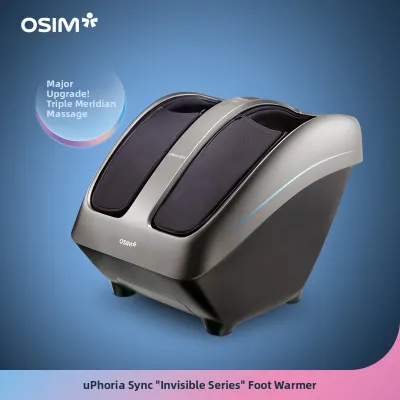
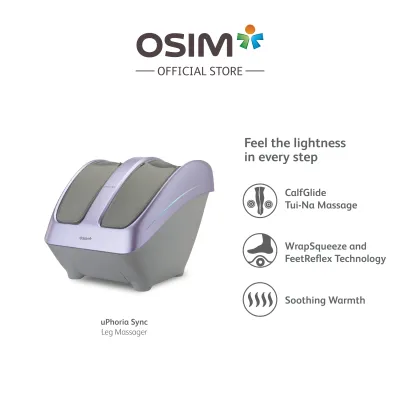
Prices are valid at publication and may change. Please refer to the product page for the latest price.
Targeted pain relief and muscle recovery demand more robust mechanical intervention. If you suffer from tight arches, heel discomfort, or stiff calf muscles from intense workouts or prolonged standing, you will likely benefit from deep kneading and rolling functions. These mechanisms physically press into the muscle tissue to release tension, which can feel intense but provides deeper relief for chronic tightness.
User profiles also dictate the appropriate intensity and style of massage. Elderly users often have thinner skin and more sensitive joints, making high-intensity rollers uncomfortable or even painful. For this demographic, a machine with highly adjustable, low-intensity settings and gentle heat is preferable. Conversely, active individuals or those accustomed to deep-tissue massages may find gentle compression ineffective and require a machine with powerful, deep-kneading rollers.
Safety must always be your first consideration when introducing mechanical therapy into your routine. Individuals with specific medical conditions, such as deep vein thrombosis, severe varicose veins, or sensory nerve damage, must consult a healthcare professional before using any mechanical massager. A doctor can help determine if mechanical pressure and heat are safe for your specific vascular and neurological health.
Key Specifications to Compare Across Models
When comparing different OSIM models side by side, you should focus on the specific massage technologies integrated into each unit. Manufacturers use a combination of rollers, nodes, and airbags to target different areas of the lower limbs. Understanding how these components work allows you to verify if a model can deliver the exact type of physical relief you require.

Kneading and rolling are the primary mechanical actions used to target the soles of the feet. Rollers travel along the arch and heel to stimulate blood flow and release muscle knots, while kneading nodes mimic the squeezing motion of a masseuse’s hands. If you frequently experience soreness in the arches of your feet, look for models that feature dedicated under-foot rollers with adjustable speeds.
Airbag compression provides a different sensation by wrapping around the feet, ankles, or calves and inflating systematically. This squeezing action helps promote circulation and is particularly effective for reducing the feeling of heaviness or swelling in the lower legs. If you suffer from fluid retention or general leg fatigue, prioritizing a model with robust, multi-chamber airbag compression is highly beneficial.
Heat therapy is a common feature that enhances the effectiveness of both mechanical rollers and compression. Warmth helps relax tight muscle fibers, making them more receptive to the massage actions. When comparing models, check whether the heat function can be operated independently of the massage programs, as this allows you to enjoy soothing warmth even on days when your muscles are too sensitive for physical kneading.
Adjustability is critical for ensuring the massager can accommodate multiple users in a household. Look for models that offer independent control over roller speed, airbag pressure, and heat levels. Furthermore, check if the unit allows you to adjust the physical angle of the footbed. An adjustable angle ensures you can sit comfortably on various chairs or sofas without straining your knees or ankles to keep your feet in the machine.
Control interfaces vary from simple, tactile buttons on the chassis to advanced smart app connectivity. Manual buttons are highly reliable and easy for all age groups to operate without a learning curve. Smart app connectivity, available on some premium models, allows you to download new massage programs and control the machine from your smartphone, which can be convenient but may add unnecessary complexity for some users.
Space, Power, and Setup Requirements
A foot massager is a physical addition to your living space, meaning its dimensions and weight are just as important as its massage programs. In Singapore, where residential floor space is often carefully optimized, choosing a model that fits your physical environment is essential for long-term satisfaction. A machine that is too bulky or heavy to move easily may end up neglected in a corner.
Begin by measuring the exact floor area where you plan to use and store the massager. Compact models typically focus solely on the feet and have a small footprint, making them easy to slide under a coffee table or tuck into a closet when not in use. Larger, multi-functional models that extend up to the calves require a dedicated permanent spot, as they are often too heavy to move back and forth daily.
Weight and portability features should be verified if you do not plan to keep the machine in a permanent location. Check the product specifications for the unit’s weight and look for integrated handles or wheels. If a massager weighs more than ten kilograms, moving it between rooms can become a strenuous chore, particularly for elderly users or those with back issues.
Clearance around the machine is another critical factor, especially for models with extendable sections or reclining features. Some units allow the upper calf section to swing upward or tilt backward to accommodate different leg angles. Ensure that the space in front of your favorite chair has enough clearance to allow these parts to extend fully without hitting coffee tables, TV consoles, or blocking household walkways.
Power requirements and cord placement must also be planned before purchase. Check the length of the power cord in the user manual to ensure it can reach your wall outlet safely. Running extension cords across high-traffic living areas creates a significant tripping hazard, so positioning the massager near an existing outlet is always the safest option. Additionally, review user feedback or manual specifications regarding operational noise levels to ensure the machine will not disrupt others in a quiet room.
Evaluating Budget and Long-Term Value
Investing in a high-quality foot massager requires balancing the upfront cost against the long-term value and durability of the machine. Prices for OSIM models in Singapore can vary significantly, starting from a few hundred S$ for basic, foot-only units and rising to well over a thousand S$ for advanced, multi-functional systems. Determining your budget beforehand helps you focus on the features that offer the best utility for your investment.
When comparing retail prices on the official brand website or at authorized showrooms in Singapore, look beyond the initial price tag to consider the warranty coverage. A standard manufacturer’s warranty typically covers parts and labor for a specific period, usually one year. Verify whether the warranty requires you to transport the heavy unit to a local service center yourself, or if it includes on-site technician visits, which adds substantial convenience for larger models.
Ongoing maintenance and hygiene are crucial for protecting your investment over time. Because feet naturally sweat, the fabric lining inside the footwells will accumulate dirt, oils, and odors. Before purchasing, verify if the model features removable, zip-off fabric covers that can be machine-washed. If the covers are fixed and cannot be removed, cleaning becomes much more difficult, requiring careful spot-cleaning with specialized fabric sprays.
You should also check the availability and cost of replacement parts. Over years of regular use, fabric covers can wear out or tear, and mechanical parts may require servicing. Choosing a well-established brand generally makes it easier to source replacement covers and access professional repair services long after the initial warranty period has expired, ensuring the machine remains functional for years to come.
Decision Framework: Matching Models to User Profiles
To simplify your final decision, you can use a conditional framework to match your verified household needs to the most appropriate category of foot massager. This prevents you from overpaying for advanced features you may not use, or conversely, purchasing a basic model that fails to address your primary physical complaints.
If your living space is limited, your budget is modest, and your primary goal is occasional relaxation after a long day on your feet, a compact, foot-only model is generally the most practical choice. These units are lightweight, easy to store, and focus their mechanical action on the soles and arches. They provide excellent value for users who do not require calf therapy or highly advanced customization.
If you suffer from chronic calf tightness, poor lower-leg circulation, or require intense muscle recovery after athletic training, you should look toward a premium, multi-functional model. These units feature extendable panels that wrap around the calves, offering a combination of deep kneading, intense airbag compression, and heat therapy. While they require a larger budget and a permanent spot in your home, they provide a much more comprehensive therapeutic experience.
Regardless of which model category you choose, safety must remain your top priority. If any intended user in your household has specific medical conditions—such as peripheral neuropathy, severe diabetes, circulatory disorders, or joint implants—you must verify safety with a medical professional before making a purchase. Once cleared, visit an official showroom to test the machine’s lowest intensity settings in person to ensure the physical pressure is comfortable and safe.
Frequently Asked Questions (FAQ)
Can I use an OSIM foot massager if I have diabetes?
If you have diabetes, you must consult your doctor before using any mechanical foot massager. Diabetes can lead to peripheral neuropathy, a condition that reduces sensation in the feet and lower limbs. Because of this reduced sensitivity, you might not feel if the massage intensity is too high or if the heat therapy function is causing skin damage or burns. A healthcare professional can evaluate your specific neurological and vascular health to determine if mechanical massage is safe for you.
How do I clean and maintain the foot massager?
To clean your foot massager safely, always unplug the unit from the electrical outlet first. For models equipped with removable fabric foot covers, unzip them and wash them according to the manufacturer’s care instructions, typically using a gentle machine cycle and letting them air dry completely. For the main plastic housing and non-removable parts, wipe them down with a soft, slightly damp microfiber cloth. Never submerge the electronic unit in water or use harsh chemical solvents, as these can damage the internal components and void your warranty.

Community discussion
Share your experience or ask a question. Comments are reviewed before publication.