
Finding the right massage chair requires balancing physical wellness goals, available floor space, and your budget. When comparing massage chairs Ogawa, the decision comes down to matching your specific pain points with the appropriate roller technology, track length, and smart features. By understanding how the brand segments its lineup from compact, space-saving models to advanced AI-driven flagship systems, you can secure the best feature-to-price ratio for your Singapore home.
Investing in a home massage system is a significant decision that impacts both your daily physical recovery and your living space. Rather than focusing solely on the most expensive option, a systematic comparison allows you to identify the specific tier that delivers the maximum therapeutic benefit for your household’s unique needs.
Quick Guide: Which Ogawa Massage Chair Fits Your Needs?
A structured approach helps narrow down your options before visiting a showroom. Choosing the right chair is a matter of aligning your physical needs with the mechanical capabilities of each product tier.
Products mentioned in this guide
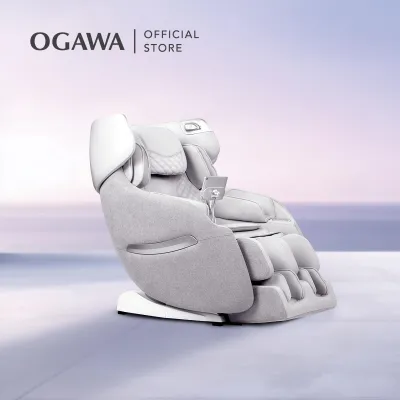
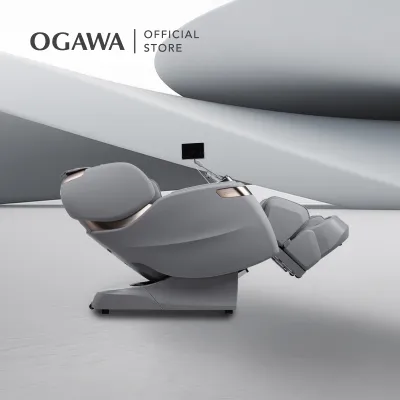
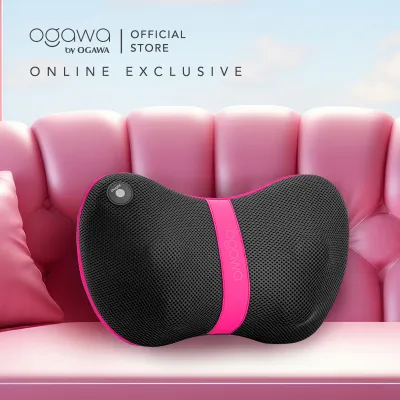
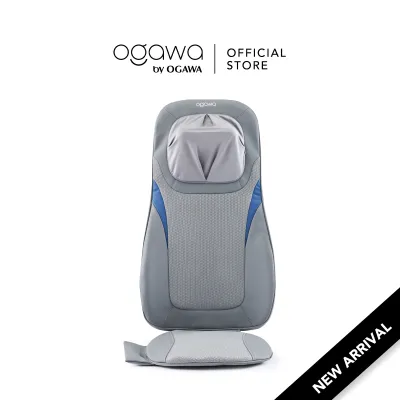
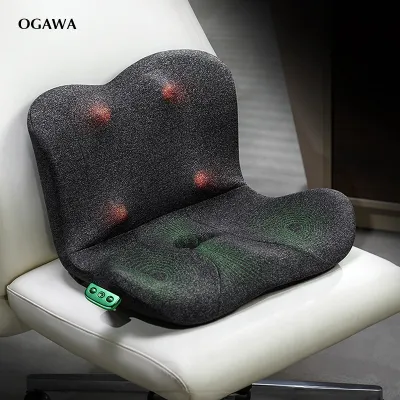
Prices are valid at publication and may change. Please refer to the product page for the latest price.
For those with limited floor space or looking for straightforward muscle relaxation, an entry-level or compact model is often the most practical choice. These units provide basic rolling and kneading functions without taking over your living room.
If you seek a more comprehensive massage that covers the lower back and glutes, a mid-range model with an SL-track and multi-chamber airbags is highly recommended. This tier offers the best balance of therapeutic features and price for the average household.
For individuals requiring highly customized, therapeutic deep-tissue work, flagship models featuring 4D rollers, full-body thermal therapy, and real-time biometric scanning are the ultimate solution. These premium chairs adapt dynamically to your daily muscle tension.
Because product lineups, software updates, and promotional packages change frequently, always verify current specifications, local stock availability, and exact pricing with official Ogawa showrooms or authorized distributors in Singapore.
Core Features to Compare Across Massage Chairs Ogawa
To make an informed investment, you must understand the mechanical systems that deliver the massage. These components directly dictate the comfort, intensity, and therapeutic value of the chair.

Roller Technology and Tracks
The roller mechanism is the heart of any massage chair. Entry-level models typically use 2D rollers, which move vertically and horizontally along a fixed plane. This provides a steady, consistent massage but lacks depth adjustment.
Moving up to 3D rollers introduces depth control. The rollers can push forward into your muscles or retract, allowing you to adjust the intensity of the massage to suit your pain tolerance.
Premium 4D rollers refine this movement further by varying the speed of the massage strokes dynamically. This mimics the acceleration and deceleration of a professional masseuse’s hands, creating a more natural and less mechanical sensation.
The track is the metal guide rails that the rollers travel along. S-tracks follow the natural curve of your spine from the neck to the lower back. L-tracks extend further, wrapping under the seat to massage the glutes and upper hamstrings.
An SL-track combines both designs. It maintains the spinal contouring of the S-track while extending down to the glutes, providing the most comprehensive coverage available.
Airbag and Compression Systems
While rollers target the back and neck, airbags handle the rest of your body. These inflatable chambers are strategically placed around the shoulders, arms, hips, calves, and feet.
Airbags work by inflating and deflating to squeeze and release muscle groups, promoting circulation and relieving tension in areas rollers cannot reach.
When comparing models, pay attention to the number of airbags and, more importantly, the number of independent air pumps and valves. More valves allow for sequential, targeted compression rather than a simple, uniform squeeze.
Specialized Therapies
Zero-gravity positioning reclines the chair to an angle where your knees are elevated slightly above your heart. This position distributes your body weight evenly across the chair, reducing pressure on your spine and allowing for a deeper massage.
Localized heat therapy, usually integrated into the lumbar region or calf areas, uses carbon fiber heating elements to warm the muscles. This heat increases blood flow, making the muscle tissue more pliable and responsive to the rollers.
Foot reflexology rollers are located in the sole of the footrest. They use spinning or oscillating nodes to target pressure points on the bottom of your feet, working in tandem with ankle airbags to relieve foot fatigue.
Smart and Convenience Features
Automated body scanning uses sensors or roller resistance to map your spine’s curvature and locate your shoulders. This ensures the rollers target the correct muscle groups rather than hitting your neck or lower back incorrectly.
Advanced models feature AI-driven scanning that measures muscle tension or heart rate to customize the massage routine automatically.
Convenience features like voice control, built-in Bluetooth speakers, and mobile app connectivity allow you to adjust settings without reaching for a physical remote. While these features enhance the user experience, they do not directly improve the physical massage quality.
Ogawa Model Tiers: What to Expect at Each Price Point
Ogawa categorizes its products into distinct tiers designed to meet different budgets and physical needs. Understanding these tiers helps you determine what level of technology you are paying for.
Entry-Level and Compact Models
Entry-level and compact models from Ogawa are typically priced under S$3,000. These chairs are engineered with a focus on space-saving designs, often featuring a zero-wall clearance mechanism that allows them to slide forward when reclining.
These models generally utilize 2D or basic 3D roller systems on shorter tracks, focusing primarily on the neck, shoulders, and upper back. Airbag coverage is usually limited to the arms and calves, with fewer customization options.
While they lack the deep-tissue capability of premium models, they are highly suitable for smaller HDB flats or study rooms where space is at a premium. The primary trade-off is the lack of glute coverage and simpler massage programs.
Mid-Range Models
Mid-range models occupy the S$3,000 to S$7,000 price bracket. This tier represents the sweet spot for most Singaporean households, offering a robust balance of advanced features and reasonable pricing.
In this category, you can expect full SL-track coverage, adjustable 3D rollers, and comprehensive airbag systems that target the shoulders, hips, and feet. Zero-gravity recline and lumbar heating are standard features in this tier.
Upholstery is typically upgraded to more durable synthetic leathers, and the massage programs offer greater customization. These models are ideal for families where multiple users require different levels of massage intensity and focus areas.
Flagship and Premium Models
Flagship and premium models are priced from S$7,000 to S$12,000 or more. These chairs represent the pinnacle of Ogawa’s massage technology, featuring state-of-the-art 4D rollers and AI-driven customization.
These models utilize advanced sensors to perform real-time biometric scanning, measuring your body’s stress levels and tailoring a unique massage program for each session. Heating elements are often extended to the rollers themselves, providing a “hot stone” massage experience.
Upholstery consists of premium, high-durability synthetic or genuine leather designed to withstand heavy daily use. While the therapeutic benefits are exceptional, buyers should consider whether they will utilize the highly specialized smart features before making this significant investment.
Practical Considerations for Singapore Homes
Purchasing a massage chair involves more than just selecting features; you must also ensure the physical unit fits your living space and can withstand local environmental conditions.
Space and Delivery Logistics
Before finalizing your purchase, carefully measure the entry points of your home, including HDB or condominium doorway widths, hallway clearances, and elevator dimensions.
Many massage chairs are delivered in large, heavy boxes that require professional handling. Ensure there is a clear path from the lift lobby to your designated room.
Check the manufacturer’s specifications for the required wall clearance. Many modern chairs feature space-saving sliding tracks, but some still require up to 30 centimeters of clearance behind the headrest to fully recline into zero-gravity mode.
Climate and Material Care
Singapore’s high humidity and ambient heat can accelerate the wear and tear of synthetic leathers like polyurethane (PU) and polyvinyl chloride (PVC) used on massage chairs.
To prevent the material from peeling, cracking, or becoming sticky, position the chair away from direct sunlight and ensure the room is well-ventilated.
Clean the upholstery regularly using a soft, dry cloth or a specialized synthetic leather cleaner recommended by the manufacturer. Avoid harsh chemical solvents or wet wipes, as moisture can seep into the seams and damage the internal electronics.
Power and Warranty
Ensure your home’s electrical outlets are compatible with the power requirements of the chair. Most models operate on standard local voltage (220V-240V), but it is wise to verify this on the product label.
Review the warranty terms provided by the authorized local distributor in Singapore. Pay close attention to what is covered under the standard warranty, such as mechanical parts, electronic components, and leather upholstery, as well as the availability of on-site repair services.
Evaluating the Feature-to-Price Ratio
When investing in a massage chair, it is easy to be swayed by high-tech add-ons that may not contribute to your physical recovery. Evaluating the feature-to-price ratio requires separating essential therapeutic functions from cosmetic extras.
There is a clear curve of diminishing returns in the massage chair market. The jump from a basic 2D chair to a 3D SL-track chair offers a massive improvement in therapeutic value. However, the step from a high-quality 3D chair to a premium 4D AI-enabled chair often comes with a steep price increase for relatively incremental physical benefits.
To maximize your investment, prioritize must-have features such as an SL-track, adjustable roller depth (3D), and a reliable local warranty. Nice-to-have features like ambient LED lighting, integrated Bluetooth speakers, and voice activation should only be considered if they fit comfortably within your budget.
The most critical step in the buying process is testing the chairs in person. Visit an authorized showroom and spend at least 15 to 20 minutes in each candidate chair. Pay attention to how the rollers fit your shoulder width, whether the footrest extends comfortably for your height, and if the airbag pressure feels comfortable rather than painful.
Frequently Asked Questions (FAQ)
How long do Ogawa massage chairs typically last?
With proper care and regular maintenance, a high-quality Ogawa massage chair can typically last between 5 to 10 years. The actual lifespan depends heavily on usage frequency, environmental conditions like humidity, and adherence to the manufacturer’s cleaning guidelines.
Can I try an Ogawa massage chair before buying in Singapore?
Yes, it is highly recommended to visit official Ogawa showrooms or authorized retail partners located across Singapore. Testing the chairs in person allows you to evaluate the physical fit, roller intensity, and overall comfort, which cannot be fully determined from a specification sheet.
What is the practical difference between an L-track and an SL-track?
An L-track extends from the neck down to the glutes in a continuous, L-shaped path, but it may not conform perfectly to the natural curve of your lower back. An SL-track combines the spinal contouring of an S-track with the extended reach of an L-track, providing a more precise and comprehensive massage from your neck down to your thighs.
Community discussion
Share your experience or ask a question. Comments are reviewed before publication.