
Selecting an office chair with a built-in headrest for long home office sessions requires a systematic approach to physical compatibility. Because individual body proportions vary significantly, no single brand or model offers a universal fit. The key to finding the right support lies in understanding how different brands engineer their headrest mechanisms, materials, and adjustment ranges. By focusing on these structural elements, you can identify a chair that maintains proper spinal alignment and prevents neck strain during extended working hours.
When evaluating options for a home office, particularly in warm and humid climates like Singapore, the choice of headrest can dramatically affect your daily comfort. A poorly positioned headrest can push your head forward, leading to muscle fatigue, while a well-designed one offers a resting point that relieves pressure on your cervical spine. To make an informed decision, you must look beyond marketing buzzwords and analyze the specific engineering features that match your unique physical build and working habits.
Key Headrest Design Features to Compare Across Brands
To compare office chair brands effectively, you must first understand the primary design features that dictate headrest performance. The most critical factor is the range of adjustability. High-quality ergonomic brands typically offer three dimensions of movement: height adjustment, angle tilt, and depth control. Height adjustment ensures the headrest cradles the natural curve of your neck rather than pressing against the back of your skull or your shoulders. Angle tilt allows you to fine-tune the support surface to match your head’s natural tilt, while depth control (forward and backward movement) prevents the headrest from forcing your neck into an unnatural forward posture.
Products mentioned in this guide
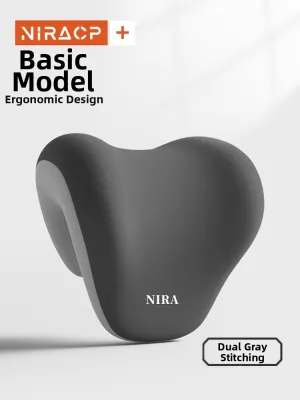
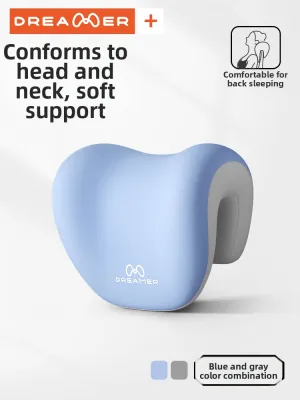
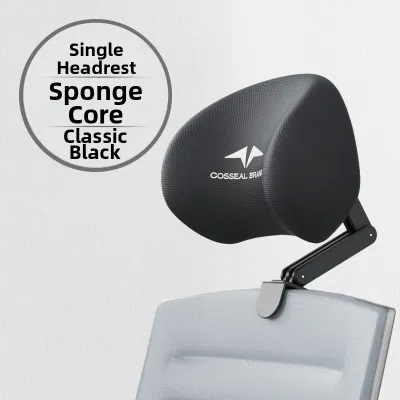
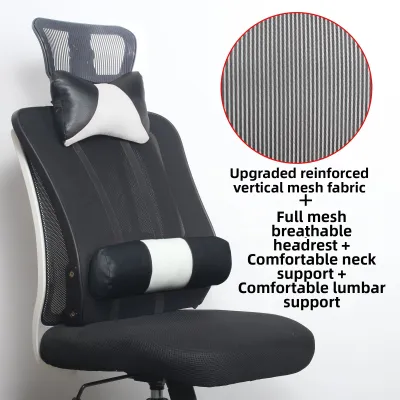
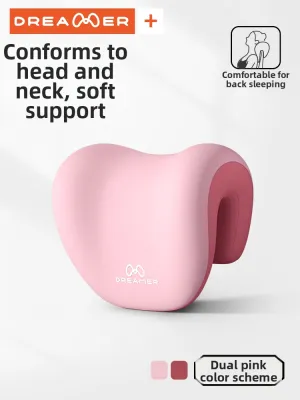
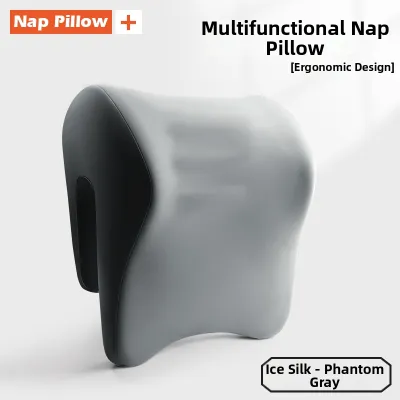
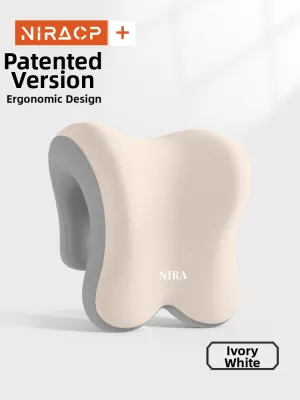
Prices are valid at publication and may change. Please refer to the product page for the latest price.
The mechanism type is another major differentiator among brands. Some manufacturers design fixed-but-adjustable headrests, which require manual locking into a specific position. These are excellent for maintaining a consistent support point if you sit in a single, disciplined posture throughout the day. Other brands utilize dynamic or responsive headrests that automatically pivot and shift as you recline or sit forward. These self-adjusting mechanisms track your movement, providing continuous support without requiring manual intervention every time you change your seating angle.
Material selection is equally vital, especially when considering long-term comfort and maintenance. Mesh headrests offer exceptional breathability, which is highly advantageous in tropical climates where heat retention can cause discomfort. They allow air to circulate freely, keeping your neck cool. However, you must check the tension of the mesh; if it is too soft, your head may sink through and contact the hard outer frame. Padded foam headrests, on the other hand, provide a plush, cushioned feel and excellent pressure distribution. When evaluating foam options, look for high-density molded foam that retains its shape over time, and ensure the cover material is durable and easy to clean, as headrests are prone to accumulating hair oils and sweat.
Matching Headrest Types to Your Working Posture
Your daily working habits and preferred sitting angles should dictate the type of headrest design you choose. If your work primarily involves intensive upright typing, reading, or data entry, your head is naturally positioned directly over your spine. In this posture, you do not need a headrest that constantly pushes against your head. Instead, you require subtle cervical support that sits slightly back, acting as a gentle physical boundary to prevent you from slouching forward. A highly adjustable, fixed headrest is ideal for this scenario, as you can set it to sit just behind your neck, ready to provide support when you occasionally lean back to rest.

Conversely, if your day is filled with virtual meetings, video calls, or periods of creative thinking where you frequently recline, your headrest needs are entirely different. When reclining, the weight of your head shifts backward, requiring a deeper, more supportive cradle to prevent neck strain. For this style of working, a dynamic responsive headrest or a chair with a synchronized recline mechanism is highly beneficial. These systems ensure that as the backrest tilts, the headrest automatically adjusts its angle to keep your eyes level with your monitor, preventing you from straining your neck muscles to maintain a forward gaze.
To guide your decision, consider this simple framework: choose a highly adjustable fixed headrest if you maintain a strict, upright posture and want a reliable resting point during breaks. Choose a dynamic, responsive headrest if you frequently shift between upright work and reclined positions throughout the day, as this eliminates the need to constantly readjust the chair manually.
How to Verify Headrest Compatibility Before Buying
Because physical fit is highly subjective, verifying compatibility before making a purchase is essential. Start by cross-referencing your personal measurements with the manufacturer’s technical specifications. Measure your torso length from your seat to the base of your neck while sitting upright. Compare this measurement to the chair’s backrest height and the maximum height adjustment of the headrest. Many brands publish detailed user height recommendations; however, because torso-to-leg ratios vary, checking the actual physical dimensions of the chair is a much more reliable method.
Another critical structural detail to check is the gap between the top of the backrest and the bottom of the headrest. If you have a shorter torso, a headrest that does not lower sufficiently may press against the top of your shoulders, forcing you into an uncomfortable, hunched position. Conversely, taller users must ensure the headrest can extend high enough so that the support curve aligns perfectly with the cervical spine rather than pressing uncomfortably into the shoulder blades.
Given the challenges of testing chairs physically when purchasing from online marketplaces, it is crucial to review the retailer’s return policies and trial periods. Look for brands that offer risk-free home trials, allowing you to test the chair in your actual working environment for several days. Be sure to check the terms for return shipping fees and restocking charges, which can sometimes be substantial for bulky furniture items. In Singapore, delivery and assembly services are often bundled, so clarify whether a return requires you to disassemble the chair or if the merchant provides a collection service, as this can significantly impact the convenience of a return.
Evaluating Overall Chair Ergonomics Beyond the Headrest
While a well-designed headrest is important, it cannot compensate for a chair with poor foundational ergonomics. A headrest must be evaluated as part of a complete, integrated seating system. The foundation of neck comfort actually begins at the lower spine. Proper lumbar support maintains the natural S-curve of your back; if your lower back is unsupported and slouched, your shoulders will naturally roll forward, and your neck will protrude, making it impossible for any headrest to align correctly.
Seat depth and armrest adjustability also play a major role in how your upper body interacts with the headrest. If the seat pan is too deep, you will be unable to sit fully back against the lumbar support, rendering the headrest unreachable. Similarly, armrests that cannot be adjusted to the correct height will cause your shoulders to shrug or sag, creating tension in your trapezius muscles that travels directly up into your neck. Ensure the chair allows your elbows to rest comfortably at a 90-degree angle while keeping your shoulders relaxed.
Finally, always verify the chair’s weight capacity, base stability, and recline tension controls. A stable five-star base is essential for safe reclining, especially when leaning back to utilize the headrest fully. The recline tension should be easily adjustable so that you can lean back smoothly without feeling like you are falling backward, yet firm enough to support your weight without collapsing. Before ordering, also confirm that the fully assembled dimensions of the chair can easily clear your home’s doorways and lift access, ensuring a smooth delivery process.
Frequently Asked Questions (FAQ)
Is a built-in headrest better than an aftermarket add-on?
Built-in headrests are generally superior to aftermarket add-ons because they are structurally integrated into the chair’s frame. Manufacturers design the backrest and headrest to work together, ensuring that the center of gravity and recline tension are balanced. Aftermarket headrests, which clamp onto the existing frame, can alter the chair’s weight distribution and may put excessive stress on materials not designed to bear load in that specific area. Furthermore, attaching third-party modifications can void the manufacturer’s warranty, leaving you unprotected if the frame or mechanism fails.
How do I know if a headrest is pushing my head too far forward?
You can perform a simple visual and physical check to determine if your headrest is misaligned. Sit comfortably in your normal working posture and have someone take a side-view photo of you, or look in a mirror. Your ear should align vertically over your shoulder. If your chin is jutting forward or your neck feels strained, the headrest is positioned too far forward. To correct this, adjust the depth control to move the headrest backward, or lower the height slightly so it cradles the curve of your neck rather than pushing against the back of your skull.
Community discussion
Share your experience or ask a question. Comments are reviewed before publication.