
Finding the right comfortable office chair for a home office in Singapore is a highly individualized decision. No single brand or model universally guarantees perfect comfort for every user. Instead, achieving long-term comfort during extended work-from-home (WFH) sessions depends on matching a brand’s specific ergonomic design philosophy to your unique body mechanics, daily sitting hours, and home environment.
With the rise of hybrid work arrangements, local professionals frequently spend eight or more hours a day at their desks. The Singapore market offers a diverse range of seating options, from high-end global ergonomic brands to regional mid-range labels and budget-friendly online imports. Navigating these options requires understanding how different chair tiers address physical support, material durability, and spatial constraints.
Evaluating these brands objectively involves looking past marketing claims and focusing on verifiable design specifications. By understanding the mechanics of spinal alignment, material breathability, and structural certifications, you can select a chair that supports your posture and maintains its comfort over years of daily use.
Products mentioned in this guide
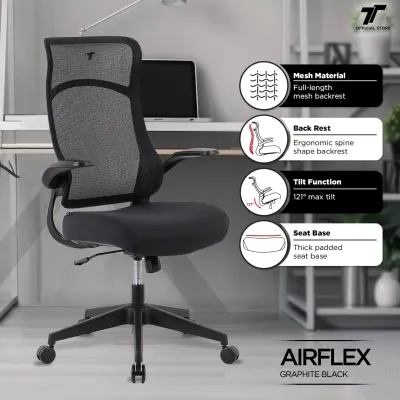
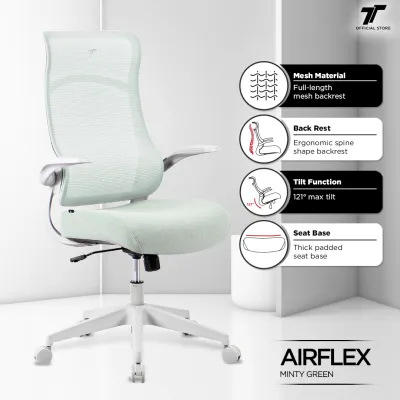
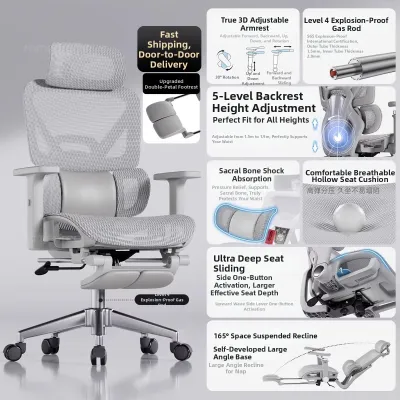

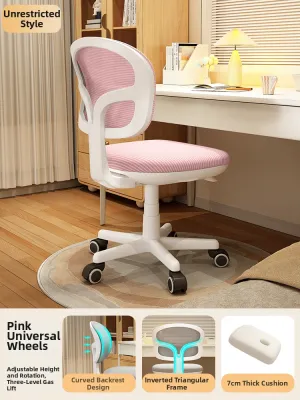
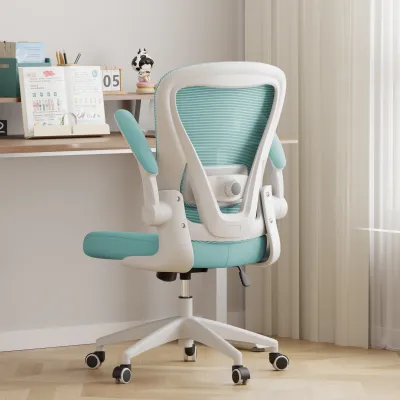
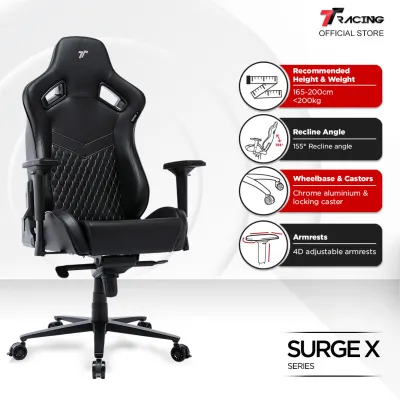
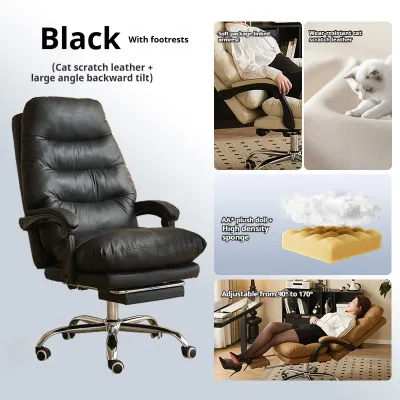
Prices are valid at publication and may change. Please refer to the product page for the latest price.
What Defines True Comfort for Extended WFH Sessions?
True comfort during long working hours goes far beyond initial plushness. While a heavily padded chair may feel soft when you first sit down, inadequate structural support often leads to slouching, muscle fatigue, and lower back strain over the course of a full workday.
An effective ergonomic design centers on adjustable lumbar support that maintains the natural inward curve of your lower spine. The lumbar support mechanism should ideally be adjustable in both height and depth, allowing you to position it precisely against your lower back. This targeted support reduces the load on your spinal discs and prevents the gradual slouching that occurs as muscles tire.
Seat pan design is another critical factor in maintaining healthy lower-body circulation. A comfortable office chair typically features a waterfall front edge, which slopes gently downward to reduce pressure on the back of your thighs. Additionally, adjustable seat depth ensures that you can sit fully back against the lumbar support while leaving a small gap between the edge of the seat and the back of your knees, preventing restricted blood flow.
Singapore’s warm and humid tropical climate makes material selection a primary comfort consideration. Dense foam and synthetic upholstery can trap body heat and moisture, leading to discomfort during long sessions. High-tensile mesh backrests and seats promote continuous airflow, helping to regulate body temperature even in home offices without round-the-clock air conditioning.
Finally, dynamic sitting mechanisms allow the chair to move with your body rather than keeping you in a rigid posture. Features like synchro-tilt, where the backrest and seat recline at a synchronized ratio, allow you to stretch and shift your weight naturally. This micro-movement encourages blood circulation and relieves pressure on the spine throughout the day.
Comparing Brand Categories Available in the Local Market
To make an informed choice, it is helpful to categorize the office chair brands available in Singapore into three distinct tiers based on their design focus, build quality, and price points.

Premium ergonomic specialists focus heavily on biomechanics, research-driven design, and extensive adjustability. These brands engineer chairs to support continuous, intensive use, often incorporating advanced materials like self-adjusting mesh and flexible polymer frames. They typically offer comprehensive multi-axis adjustments, including 4D armrests and independent lumbar tension controls, backed by long-term manufacturer warranties that often span five to twelve years.
Mid-range office furniture brands offer a balanced compromise between ergonomic functionality and home aesthetics. These brands generally provide standard adjustments such as seat height, tilt tension, and basic lumbar positioning. They often feature modern designs that blend easily into residential spaces, utilizing reliable materials like molded foam and standard mesh, supported by moderate warranty periods of two to five years.
Budget e-commerce brands, widely available on online marketplaces, prioritize low upfront costs and straightforward assembly. These chairs often feature fixed lumbar supports, basic upright locking mechanisms, and standard foam padding. While suitable for short, occasional sitting sessions, they generally offer limited adjustability and shorter warranty coverages, making it important to verify return policies and user feedback before purchasing.
Feature Comparison Matrix by Brand Category
| Brand Category | Lumbar Adjustability | Seat Material | Warranty Scope | Best Use Case |
|---|---|---|---|---|
| Premium Ergonomic Specialists | Multi-directional (height, depth, and dynamic tension) | High-tensile, breathable mesh or premium woven fabric | Long-term (5 to 12 years, covering structural components) | Intensive daily WFH sessions of 8+ hours |
| Mid-Range Brands | Height-adjustable or integrated flexible lumbar pad | Standard mesh back with molded foam or mesh seat | Mid-term (2 to 5 years, covering major mechanisms) | Hybrid work schedules of 4 to 6 hours daily |
| Budget E-commerce Brands | Fixed lumbar curve or basic strap-on cushion | Low-density foam with standard fabric or basic mesh | Short-term (under 1 year, or limited parts-only coverage) | Occasional or short-duration use of 1 to 3 hours |
Key Ergonomic Specifications to Verify Before Purchase
Before finalizing a purchase, verifying specific technical standards and measurements ensures the chair will safely and effectively accommodate your body type.
First, check the manufacturer’s rated weight capacity and structural stability. A reliable office chair should feature a heavy-duty five-star base made of reinforced nylon or aluminum alloy to prevent tipping when fully reclined. Look for safety certifications such as BIFMA (Bifma International) or SGS labels on the product specifications, which indicate that the chair has undergone rigorous testing for structural integrity and durability.
Second, verify the quality of the gas lift cylinder, which controls the height adjustment. Certified Class 3 or Class 4 gas lifts are industry standards for safety and longevity, designed to withstand daily height adjustments without losing pressure over time. Avoid chairs that do not specify the gas lift class, as lower-grade cylinders are prone to gradual sinking.
Third, measure the seat height range against your desk height and your own leg length. When sitting, your feet should rest flat on the floor with your knees bent at a 90-degree angle, and your elbows should align comfortably with your desk surface. If the chair cannot adjust low or high enough to achieve this alignment, it can lead to shoulder strain or lower-back pressure.
Finally, examine the adjustability of the armrests. Standard 3D or 4D armrests allow you to adjust the height, depth, angle, and sometimes width of the pads. This adjustability ensures your forearms are properly supported while typing, reducing tension in your neck and shoulders.
Practical Considerations for Home Office Spaces
Integrating a professional-grade office chair into a residential setting, such as a typical HDB flat or condominium, requires careful spatial and logistical planning.
Begin by measuring the physical footprint of the chair, taking into account its maximum width and the space required for a full recline and swivel. Ensure there is sufficient clearance behind your desk so the chair does not bump into walls, wardrobes, or nearby doors. If your workspace is tucked into a multi-purpose room, a chair with a highly protruding base or wide armrests may restrict movement within the room.
Logistics and delivery access are also important, particularly for premium chairs that often arrive fully assembled in large, bulky boxes. Measure your doorways, hallways, and elevator dimensions to ensure the delivery team can safely transport the chair into your home. If assembly is required, confirm whether the package includes the necessary tools and clear instructions, or if the retailer offers professional assembly services.
Additionally, assess your flooring material to choose the correct caster wheels. Standard hard nylon casters are designed for carpeted floors and can scratch or scuff hardwood, vinyl, or laminate flooring over time. For hard surfaces, look for chairs equipped with soft polyurethane (PU) casters, or consider using a dedicated floor protector mat to preserve your flooring and ensure smooth, quiet movement.
Decision Framework: Which Brand Category Fits Your Needs?
To choose the right category of office chair, evaluate your daily habits, physical requirements, and budget constraints against the following guidelines.
Consider investing in a Premium Ergonomic Brand if you work from home full-time, spend eight or more hours daily at your desk, and view the purchase as a long-term investment in your physical well-being. These chairs are engineered to minimize fatigue over years of continuous use, making them highly suitable for individuals seeking precise, customizable support.
Opt for a Mid-Range Brand if you follow a hybrid work schedule, require reliable comfort for moderate daily sessions of four to six hours, and prefer a chair that balances ergonomic features with residential design aesthetics. This tier offers dependable durability and essential adjustments without the premium price tag.
Select a Budget E-commerce Brand if you have strict budget limits, use your home office occasionally for short tasks, or have limited space that requires a compact, simple chair. When choosing this option, prioritize models with breathable mesh backs, verify the seller’s return policy, and inspect the assembly quality carefully upon arrival.
If you have pre-existing spinal conditions, chronic back pain, or specific orthopedic concerns, do not rely solely on general brand categories. It is essential to consult a qualified healthcare professional or physical therapist to identify the specific support mechanisms and adjustments required for your condition before making a purchase.
Frequently Asked Questions (FAQ)
How often should I replace my office chair for optimal comfort?
Rather than relying on a strict timeline, you should evaluate your chair based on observable signs of wear and structural decline. Key indicators that it is time for a replacement include sagging seat foam that no longer springs back, a gas lift cylinder that slowly sinks during the day, or loose, rattling adjustment mechanisms. Additionally, if mesh material loses its tension and begins to sag, it will no longer provide the necessary ergonomic support, indicating that the chair should be replaced to prevent physical discomfort.
Are mesh chairs better than synthetic leather for long hours in a tropical climate?
For long working hours in Singapore’s warm and humid climate, high-quality mesh chairs generally offer superior thermal comfort compared to synthetic leather. Mesh allows continuous airflow, preventing heat and moisture from trapping against your back and thighs. While synthetic leather (such as PU or PVC) provides a classic aesthetic and is easy to wipe clean, it tends to retain body heat, which can lead to sweating and discomfort during extended sitting sessions, particularly in rooms without active air conditioning.

Community discussion
Share your experience or ask a question. Comments are reviewed before publication.