
Investing in a massage chair in Singapore is a major decision that involves balancing personal wellness, household budget, and valuable floor space. With numerous brands showcasing advanced features in local showrooms, navigating the technical specifications can feel overwhelming. To find a model that truly delivers therapeutic relief and stands the test of time, you must look beyond marketing terminology and evaluate the underlying engineering, material durability, and local after-sales support.
In Singapore’s high-rise living environments, such as HDB flats and condominiums, physical dimensions and delivery logistics are just as critical as the massage technology itself. Furthermore, the tropical climate presents unique challenges for material longevity, particularly regarding synthetic leather upholstery. By understanding how different roller mechanisms, track designs, and frame constructions perform, you can confidently select a chair that fits both your body and your home.
Core Technologies to Evaluate
The heart of any massage chair lies in its roller mechanism, which dictates how closely the machine can mimic the hands of a professional masseuse. Traditional entry-level chairs utilize 2D rollers, which move vertically and horizontally across your back. While functional, 2D systems cannot adjust their depth, meaning the intensity of the massage remains uniform regardless of your body shape.
Products mentioned in this guide
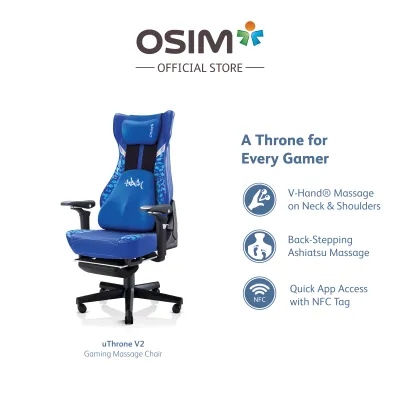
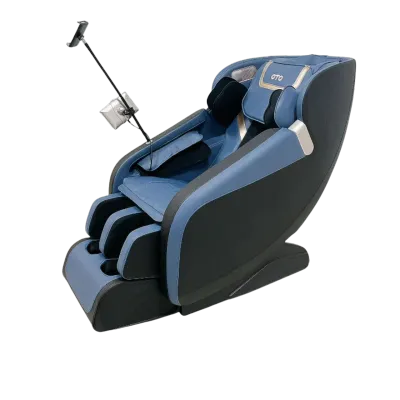
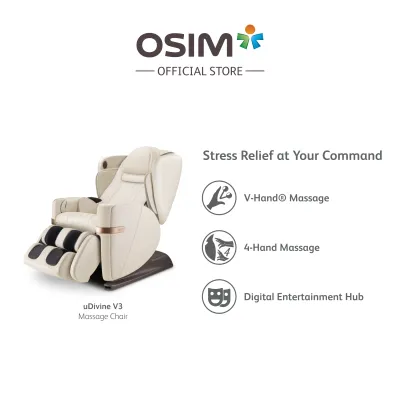
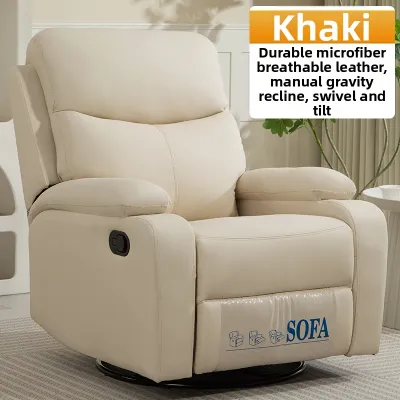
Prices are valid at publication and may change. Please refer to the product page for the latest price.
For a more customized experience, 3D rollers introduce depth control, allowing the mechanism to protrude forward into your muscles. This depth adjustment is crucial for targeting deeper muscle tension in areas like the neck and lower back. Premium models often feature 4D rollers, which add real-time speed and rhythm variations to the depth movement, simulating the natural acceleration and deceleration of human hands.
The path these rollers travel is determined by the track design. An S-track follows the natural curvature of your spine from the neck down to the lower back, ensuring consistent pressure. An L-track extends further, traveling under the seat to massage the glutes and hamstrings, though it may lose some spinal contouring precision. The SL-track combines the best of both worlds, offering a curved path that follows the spine while extending down to the upper thighs.
Complementing the rollers are airbag compression systems, which target areas the rollers cannot reach, such as the shoulders, arms, calves, and feet. These airbags inflate and deflate to squeeze muscles, promote circulation, and hold your body firmly in place during stretching programs. Look for chairs that offer adjustable intensity levels for these airbags, as compression preferences vary widely between users.
Another key feature is zero-gravity positioning, a concept inspired by space travel that reclines the chair to an angle where your knees are elevated slightly above your heart. This position distributes your body weight evenly across the chair, reducing the gravitational load on your spine and allowing for a deeper, more effective massage. Many chairs also incorporate heat therapy in the lumbar region or calves, which dilates blood vessels and relaxes tight muscle fibers before the rollers begin their work.
To ensure these technologies target the correct muscle groups, high-quality chairs employ smart body scanning. When you sit down, the chair uses optical sensors or roller resistance to map your shoulder height and spinal alignment. Accurate scanning prevents the rollers from pressing uncomfortably against your neck bones or tailbone, making customizable program memory highly valuable if multiple family members share the same chair.
Assessing Build Quality and Durability
A massage chair is a complex mechanical appliance, meaning its build quality directly impacts its lifespan and safety. In Singapore’s hot and humid climate, the choice of upholstery material is paramount. Most massage chairs utilize synthetic leather, such as polyurethane (PU) or polyvinyl chloride (PVC), because genuine leather lacks the elasticity required to withstand constant roller stretching.

However, standard PU leather is highly susceptible to hydrolysis—a chemical breakdown caused by moisture, sweat, and humidity that leads to unsightly peeling and cracking. When shopping, ask retailers about the specific grade of synthetic leather used. High-grade engineered polyurethane (EPU) or specialized synthetic leathers designed for high hydrolysis resistance are far more durable in tropical environments. Always check the manufacturer’s care instructions, which typically recommend wiping the surface with a dry microfiber cloth after use and keeping the chair out of direct sunlight.
Beneath the upholstery, the structural integrity relies on the frame construction. A robust steel frame ensures the chair remains stable and quiet during high-intensity programs, preventing the creaking sounds that can disrupt relaxation. Check the manufacturer’s specified maximum weight capacity, which typically ranges from 100 kg to 150 kg, as exceeding this limit can strain the motors and compromise safety.
The quality of the internal motors also dictates the chair’s noise level and longevity. High-quality brushless motors operate quietly and smoothly, allowing you to enjoy a peaceful massage without a loud mechanical hum. Before purchasing, review the manufacturer’s technical specifications or user manuals to verify if the moving parts have undergone rigorous cycle testing, which indicates how many hours of operation the chair can endure before requiring maintenance.
Space, Installation, and Practical Constraints
Before committing to a purchase, you must carefully measure your intended installation space. Massage chairs require a significant footprint, especially when fully reclined in zero-gravity mode. To address this, many modern designs feature “wall-hugging” or zero-wall-clearance technology. These chairs slide forward on a track as they recline, requiring as little as 5 to 10 cm of clearance behind the headrest, whereas standard models may require up to 50 cm of space behind them.
Delivery logistics present another major hurdle in Singapore’s high-rise residential buildings. You must verify the dimensions of your building’s elevator, corridors, and front door frame against the chair’s packaged and unpackaged dimensions. Many premium chairs are incredibly bulky, often requiring a minimum doorway clearance of 75 cm to 85 cm. Check if the retailer offers professional assembly where the side panels of the chair can be detached for transport and reassembled inside your room.
Electrical requirements should also be verified prior to delivery. While most residential massage chairs operate on standard household voltage and consume a modest 150W to 300W, they should ideally be plugged directly into a wall outlet rather than a daisy-chained extension cord. Ensure the power cord path does not create a tripping hazard or place tension on the plug when the chair reclines.
Value and After-Sales Support
Evaluating the true value of a massage chair requires looking beyond the initial retail price to consider the total cost of ownership. In Singapore, standard manufacturer warranties typically range from one to three years, but the level of coverage varies significantly. It is crucial to read the fine print to identify which components are covered; some warranties only cover the structural frame, while charging extra for replacement motors, electronic circuit boards, or labor.
Because these machines contain intricate electronics and moving parts, the availability of a local authorized service center in Singapore is essential. Confirm whether the brand maintains a local inventory of spare parts and employs certified technicians. Brands without a dedicated local presence may require shipping parts from overseas, leading to lengthy repair delays and high shipping fees once the warranty expires.
Additionally, consider the value of extended warranties or routine maintenance packages offered by retailers. Some brands provide annual servicing plans that include internal dust removal, mechanical lubrication, and professional upholstery conditioning. Investing in these services can significantly extend the operational lifespan of your chair and protect your initial investment.
Decision Framework: Matching Brand Tiers to User Profiles
To narrow down your options, it is helpful to categorize available massage chairs into distinct tiers based on your primary needs, budget, and space constraints.
Premium-tier brands are best suited for users who prioritize cutting-edge therapeutic technology and customized comfort. These models offer advanced 4D rollers, highly accurate AI-driven body scanning, comprehensive airbag systems, and premium EPU upholstery. While they require a larger financial investment—often exceeding S$5,000—and a larger physical footprint, they provide a highly realistic simulation of professional massage therapy and robust local after-sales support.
Mid-tier brands offer an excellent balance of performance and value, typically ranging from S$2,500 to S$5,000. These chairs generally feature reliable SL-track technology, 3D rollers, standard airbag compression, and solid structural warranties. They are ideal for households seeking regular muscle relief and daily relaxation without the premium price tag of advanced AI features.
Entry-level or compact models are designed specifically for tight spaces and modest budgets, often priced under S$2,000. These chairs focus on essential back massage functions and space-saving designs, making them perfect for study rooms or smaller HDB bedrooms. However, they may lack full-body airbag systems, foot rollers, or advanced customization options.
Regardless of the tier you choose, safety must remain your top priority. If you have pre-existing medical conditions—such as severe osteoporosis, spinal injuries, cardiovascular issues, or active implants like pacemakers—or if you are pregnant, always consult a healthcare professional before using a massage chair. Ensure you test the chair’s intensity levels in a showroom to verify that the pressure is comfortable and safe for your specific physical condition.
Frequently Asked Questions (FAQ)
How often should a massage chair be serviced?
For typical household use of one to two sessions per day, a massage chair generally requires professional inspection and servicing every 12 to 18 months. Basic user maintenance should be performed monthly, which includes wiping down the synthetic leather with a dry cloth to remove sweat oils, vacuuming dust from the crevices, and checking for any unusual squeaks or loose screws. If you notice a change in the motor’s sound or a reduction in airbag pressure, contact an authorized technician immediately rather than attempting to open the internal casing yourself.
Can massage chairs be moved to another room after installation?
Moving a massage chair to another room is possible but requires extreme caution due to the appliance’s weight, which often exceeds 80 kg to 100 kg. Most chairs feature small wheels on the rear base, allowing you to tilt the chair backward and roll it short distances on flat surfaces. However, you should never attempt to lift or carry the chair alone, as this can cause personal injury or damage the internal roller tracks and air hoses. For moves involving stairs or tight doorways, it is highly recommended to hire professional movers or contact your brand’s local service center to disassemble and safely reinstall the unit.

Community discussion
Share your experience or ask a question. Comments are reviewed before publication.