
Investing in a massager chair in Singapore requires looking beyond sleek designs and showroom demonstrations to evaluate structural durability and long-term service reliability. Because a high-quality massage chair is a significant financial and spatial commitment, comparing brands effectively means scrutinizing physical build materials, explicit warranty conditions, and local service infrastructure. Rather than relying on marketing claims, you can make an informed decision by assessing how well a brand’s products withstand local environmental conditions and how reliably their local service network supports you after the purchase. This guide establishes a practical framework to help you compare brands based on verifiable physical attributes, warranty structures, and after-sales accessibility.
How to Verify Build Quality and Structural Durability
To evaluate the structural integrity of a massager chair, start by examining the frame material and the manufacturer’s specified weight capacity. High-durability models typically feature reinforced steel frames that provide a stable foundation for the heavy internal motors and track systems. When visiting a showroom, ask to see the official specification sheet to verify the maximum load capacity, as a higher weight limit generally indicates a more robust internal structure. Avoid assuming that a heavy chair is automatically durable; instead, look for stable joints and a solid base that does not wobble or creak when the chair reclines or shifts its weight.
The choice of upholstery is another critical factor, particularly under Singapore’s hot and highly humid climate. While genuine leather is highly breathable, it requires meticulous conditioning to prevent cracking and can be susceptible to moisture damage if placed in a room without consistent climate control. High-grade synthetic leathers, such as polyurethane (PU) or polyvinyl chloride (PVC), are commonly used because they resist sweat and humidity more effectively and are easier to wipe clean. However, you should check the manufacturer’s care instructions to see if the synthetic material is rated for hydrolysis resistance, which prevents the peeling and flaking often caused by humid air and body oils over time.
Products mentioned in this guide
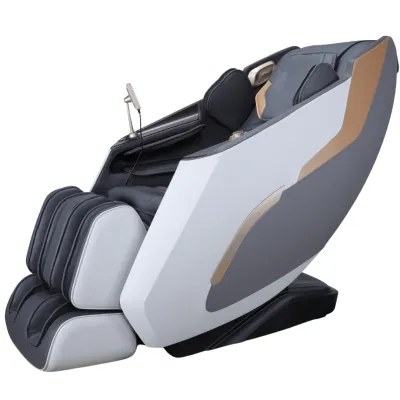

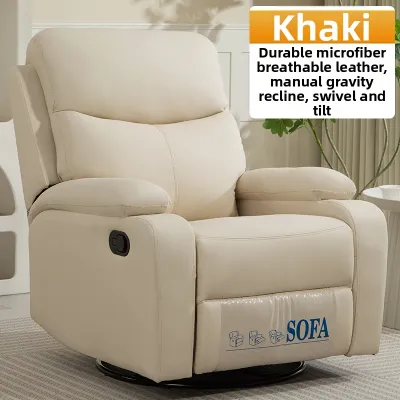
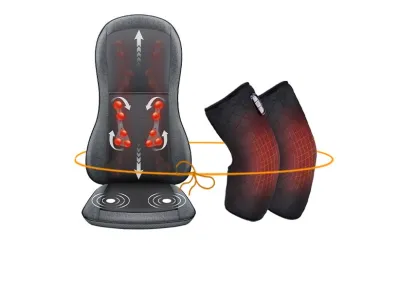
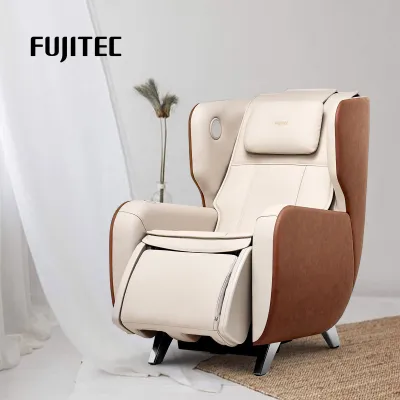
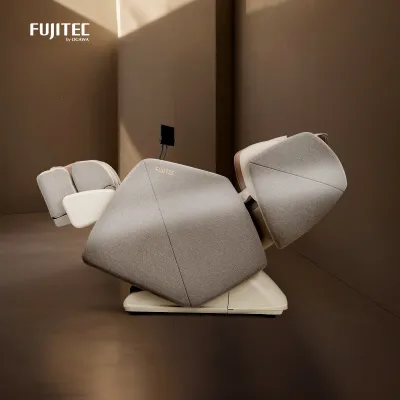
Prices are valid at publication and may change. Please refer to the product page for the latest price.
The internal mechanical components—specifically the rollers, airbags, and track systems—form the core of the massage experience and are highly prone to wear. During an in-store test, pay close attention to the noise levels and smoothness of the roller movements along the track, whether it is an S-track or an L-track. Squeaking, grinding, or jerky transitions often signal lower-quality gears or insufficient lubrication, which can lead to premature mechanical failure. Additionally, inspect the quality of the airbag fabric and stitching, as these components undergo constant inflation and deflation cycles and must withstand significant pressure without leaking.
Decoding Warranty Terms and Coverage Limits
Understanding the fine print of a massage chair warranty is essential to avoid unexpected out-of-pocket expenses when a component eventually fails. Warranties are rarely uniform; they are typically split into comprehensive coverage, parts-only coverage, and labor-only coverage, each with its own distinct duration. For example, a brand might advertise a five-year warranty, but a closer look at the terms may reveal that comprehensive coverage only lasts for the first year, while the remaining four years only cover specific structural parts while excluding labor costs. Always request a written copy of the warranty breakdown to verify exactly how many years of protection apply to the motors, electronics, upholstery, and labor.

It is equally important to identify common exclusions that can leave you responsible for expensive repairs. Most standard warranties do not cover cosmetic wear and tear, such as the natural thinning, cracking, or peeling of the upholstery fabric over time. Furthermore, damage caused by power surges—which can fry sensitive electronic control boards—is frequently excluded unless you can prove the chair was connected to an approved surge protector. Commercial use, such as placing the chair in an office pantry or a public lounge, will also void most residential warranties immediately, so ensure your intended usage aligns with the policy terms.
Finally, familiarize yourself with the specific actions or conditions that can void your warranty entirely. Attempting to repair a mechanical issue yourself or hiring an unauthorized third-party technician is a common trigger for warranty cancellation. Improper placement, such as positioning the chair in direct sunlight, near an open balcony exposed to rain, or in an excessively damp area, can also invalidate your coverage if the technician attributes the damage to environmental exposure. To protect your investment, always follow the manufacturer’s installation guidelines and schedule any required maintenance only through authorized brand channels.
Assessing Local After-Sales Service and Support Networks
A brand’s local after-sales infrastructure is just as important as the physical quality of the chair itself. Before purchasing, verify whether the brand operates its own dedicated, authorized service center in Singapore or relies on third-party contractors to handle repairs. Brands with direct, local service operations generally maintain better control over technician training, service quality, and communication response times. You can test this by calling or emailing the brand’s customer support line prior to purchase to assess how quickly and professionally they address basic service inquiries.
Inquire specifically about the brand’s policy on spare parts availability, especially for older or discontinued massage chair models. Because technology and designs evolve rapidly, some brands may stop stocking replacement parts for a model just a few years after its production run ends, rendering a repair impossible. Ask the sales representative for a written assurance or check the brand’s service policy regarding the guaranteed duration of parts support post-discontinuation. A reliable brand should commit to stocking essential mechanical and electronic components for a reasonable number of years after a model is phased out.
Additionally, clarify the exact terms of in-home service visits, particularly regarding the fees that apply once the initial warranty period expires. While in-warranty repairs may include free transport and diagnostics, post-warranty service often incurs separate charges for the technician’s travel, the diagnostic assessment, and the actual labor, in addition to the cost of replacement parts. Understanding these potential costs upfront prevents unpleasant surprises and helps you calculate the true long-term cost of ownership for your massager chair.
Decision Framework: Matching Brand Profiles to Your Needs
To choose the right massager chair brand, you must align their specific strengths with your household’s unique requirements and usage patterns. If your primary concern is long-term peace of mind and minimizing future maintenance hassles, prioritize brands that boast an established local service center in Singapore and offer transparent, fixed-rate post-warranty service fees. This ensures that if your chair requires attention years down the road, you can easily secure professional, in-home technical support without facing unpredictable transport or diagnostic charges.
For households where the massage chair will be a high-traffic appliance used daily by multiple family members, structural and mechanical durability should be your primary focus. In this scenario, look for brands that offer robust, multi-year warranties specifically covering the internal motors, rollers, and frame structure. A brand’s willingness to guarantee these high-wear components for an extended period is a strong indicator of their confidence in the chair’s physical build quality and its ability to withstand frequent, heavy use.
Regardless of which brand profile fits your lifestyle, never finalize a purchase based on verbal promises made on the showroom floor. Always request official, written documentation detailing the warranty coverage, parts availability guarantees, and service response times. Taking the time to verify these details beforehand ensures that your investment remains a source of relaxation rather than a source of logistical frustration.
Frequently Asked Questions (FAQ)
Do all massage chair brands provide in-home repair services?
No, service delivery models vary significantly across different massage chair brands in Singapore. While many established brands offer comprehensive in-home repair services where a technician visits your residence to diagnose and fix mechanical issues, some brands may require you to transport the unit to their service center for major repairs. Transporting a heavy, bulky massage chair can be highly challenging and expensive, so it is crucial to confirm the specific in-home service policies and any potential transport fees with the retailer before making your purchase.
What space and power requirements should I verify before delivery?
Before your massage chair arrives, you must measure both the static footprint and the fully reclined dimensions of the chair to ensure it fits comfortably in your living space. Most chairs require a specific clearance distance from the wall behind them to recline safely without scraping, as well as adequate side clearance for air circulation. Additionally, verify that your household power outlet is properly grounded and consider using a dedicated surge protector; electrical damage from power fluctuations is a common issue that is typically excluded from standard manufacturer warranties.
Community discussion
Share your experience or ask a question. Comments are reviewed before publication.