
When investing in a premium home wellness appliance, comparing LG massage chairs to other leading brands in Singapore requires looking beyond general brand reputation to evaluate specific massage technologies, physical build quality, and local after-sales support. While LG is globally celebrated for its home electronics and smart ecosystem integration, specialized wellness brands have spent decades refining targeted therapeutic massage programs. Choosing the right chair involves balancing these distinct design philosophies against your personal wellness needs, budget, and home space constraints.
Understanding the Massage Chair Market in Singapore
The massage chair market in Singapore is broadly divided between specialized wellness brands and general home appliance manufacturers. Specialized wellness brands focus almost exclusively on massage and relaxation products, investing heavily in proprietary massage techniques, acupressure simulation, and targeted wellness programs. On the other hand, general home appliance manufacturers like LG approach massage chairs as an extension of the modern smart home, emphasizing aesthetic integration with contemporary living room furniture, space-saving mechanisms, and connectivity with broader home appliance ecosystems.
To experience these differences firsthand, Singapore consumers can visit dedicated brand showrooms, flagship experience centers, and major department stores. Showrooms are widely distributed across the island, particularly in major retail hubs like Orchard Road, Jurong East, and Tampines. Testing the chairs in person is highly recommended, as comfort is highly subjective and depends on individual body proportions and personal pressure preferences.
Products mentioned in this guide
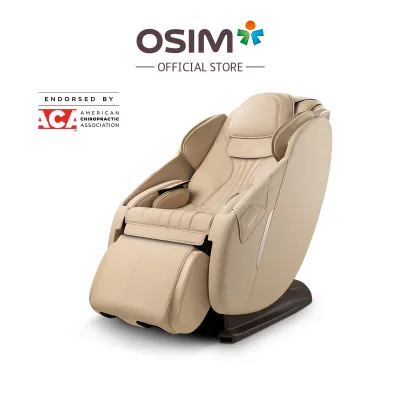
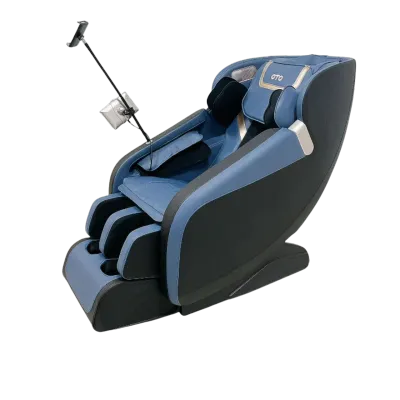
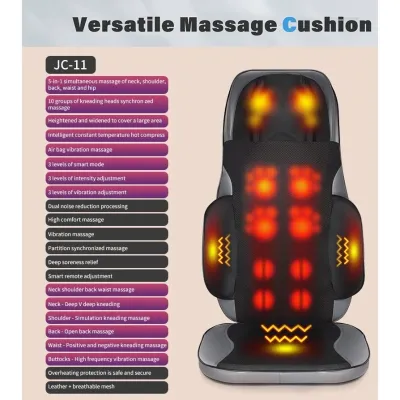
Prices are valid at publication and may change. Please refer to the product page for the latest price.
The local market is generally segmented into three categories: compact entry-level models, mid-range therapeutic chairs, and premium full-body loungers. Compact models are designed to fit easily into smaller apartments, focusing primarily on the lower back and hips. Mid-range and premium models offer comprehensive full-body coverage, advanced roller tracks, and extensive customization options, making them a significant investment for the home.
Key Comparison Dimensions for Features and Comfort
To make an objective comparison, you must evaluate the core mechanical components of each chair. The roller and track system forms the backbone of any massage chair. An S-track follows the natural curve of your spine from the neck to the lower back, while an L-track extends further down to massage the glutes and thighs. The most advanced systems use an SL-track, combining the spinal contouring of the S-track with the extended reach of the L-track. When reviewing product specification sheets, verify the track length and roller movement types—such as 2D, 3D, or 4D—to ensure the mechanics align with your height and target muscle groups.

Airbag and compression therapy is another critical dimension. While rollers handle deep-tissue kneading along the spine, airbags use air compression to target the shoulders, arms, calves, and feet. When comparing brands, evaluate the number of air compression zones and the level of adjustability they offer. A high airbag count is less important than the ability to customize the pressure intensity, as overly intense compression can cause discomfort, while weak compression may feel ineffective.
Ergonomics and space-saving features are vital considerations for Singapore’s urban living spaces. Many premium chairs offer zero-gravity recline positions, which elevate your knees above your heart to distribute body weight evenly and reduce spinal pressure. However, fully reclining a massage chair requires substantial floor space. Look for “wall-hugging” or “zero-clearance” designs that slide forward on a track as they recline, allowing you to place the chair just a few centimeters from the wall without restricting its movement.
Evaluating Build Quality and After-Sales Support
The physical durability of a massage chair is heavily influenced by its materials and construction. In Singapore’s hot and humid tropical climate, the choice of upholstery is particularly important. Most massage chairs utilize high-grade synthetic leathers, such as polyurethane (PU) or polyvinyl chloride (PVC), because genuine leather can degrade rapidly when exposed to sweat and high humidity. When evaluating a chair in a showroom, inspect the stitching quality, feel the thickness of the synthetic leather, and check the manufacturer’s care instructions to ensure the material is easy to clean and resistant to peeling or cracking over time.
Structural integrity is determined by the internal frame and motor quality. High-quality chairs feature solid steel frames that provide excellent stability and prevent the chair from shifting or squeaking during intense massage cycles. Always check the manufacturer’s specifications for the maximum weight capacity and the warranty coverage on the internal motors. A robust frame and a high-torque motor are essential for long-term reliability, especially if multiple family members of varying body types will use the chair daily.
After-sales support is a crucial factor that is often overlooked during the initial purchase. Because massage chairs are complex mechanical and electronic systems, having access to reliable local support in Singapore is essential. Before buying, verify whether the brand operates an authorized local service center and check their on-site repair policies. Find out if technicians can perform repairs directly in your home, the typical response times for service requests, and the standard warranty durations for parts and labor, which typically range from one to three years.
Assessing Value for Money Across Pricing Tiers
Understanding what each pricing tier offers helps you determine if a specific model justifies its cost. Entry-level massage chairs, typically priced under S$2,000, generally offer basic roller tracks, limited airbag coverage, and a compact footprint, making them suitable for casual relaxation in smaller spaces. Mid-range models, ranging from S$2,000 to S$5,000, introduce advanced SL-tracks, 3D roller technology, zero-gravity reclining, and localized heat therapy. Premium models, priced above S$5,000, represent the pinnacle of home wellness, featuring 4D rollers, advanced body-scanning sensors, comprehensive air compression, and smart home connectivity.
When calculating the total investment, be sure to account for potential hidden costs. Some retailers include delivery and professional installation in the purchase price, while others may charge additional fees, particularly if the delivery involves navigating stairs or tight spaces without direct lift access. Additionally, consider the cost of extended warranty packages, which can protect your investment against expensive out-of-warranty repairs in the future.
Because prices, promotions, and product availability can change frequently, it is highly recommended to verify the latest details directly. Check official brand websites and visit authorized physical showrooms in Singapore to get the most accurate S$ pricing, seasonal promotional bundles, and trade-in offers that can significantly lower the net cost of your purchase.
Decision Framework: Choosing the Right Brand for You
To choose the right brand, you must align your personal priorities with the strengths of each manufacturer. Consider choosing an LG massage chair if you prefer a modern, minimalist design that blends seamlessly with contemporary home decor and want to integrate your chair into a broader smart home ecosystem. LG’s reputation as a global electronics leader also provides confidence in general electronic reliability, user-friendly digital interfaces, and robust customer service infrastructure.
Conversely, you may want to choose specialized wellness brands if your primary focus is targeted therapeutic relief, deep-tissue massage, or highly customized wellness programs. These brands often offer a wider variety of specialized massage techniques, proprietary stretching routines, and advanced body-scanning technologies developed in collaboration with health and wellness experts.
Regardless of the brand you prefer, always verify key practical constraints before making a final decision. If you have specific medical conditions, such as chronic back pain, joint issues, or cardiovascular concerns, consult a qualified healthcare professional before using a massage chair. Additionally, measure your home’s entryways, doorways, and lift dimensions carefully. Ensure the chair’s packaged and unpackaged dimensions can safely clear narrow HDB corridors and doorways during delivery and installation.
Frequently Asked Questions (FAQ)
Do massage chairs consume a lot of electricity?
Massage chairs are generally energy-efficient and do not consume a significant amount of electricity. Most models operate at a wattage ranging from 100 to 250 watts, which is comparable to running a desktop computer or a large television. To verify the exact power consumption, check the electrical specification label located on the back or bottom of the chair. To minimize energy usage, avoid leaving the chair on standby mode for extended periods and switch it off at the main wall socket when not in use.
Can I test LG and other massage chairs before buying in Singapore?
Yes, physical testing is highly recommended before purchasing a high-ticket item like a massage chair. You can test various models at authorized brand showrooms, flagship experience centers, and major department stores across Singapore. When visiting a showroom, wear comfortable, relatively thin clothing so you can accurately feel the pressure of the rollers and airbags. Spend at least 15 to 20 minutes testing different programs on each chair, and try to target the same muscle groups across different brands to make an accurate comparison.
What happens if the massage chair breaks down after the warranty expires?
If your massage chair experiences a breakdown after the warranty period, you can contact the official brand’s customer service to arrange for an out-of-warranty repair, though this typically involves diagnostic fees, transport charges, and the cost of replacement parts. Alternatively, there are specialized third-party repair services in Singapore that handle various massage chair brands. Before purchasing, it is wise to ask the retailer about the long-term availability of replacement parts, such as rollers, airbags, and remote controllers, and to keep a small maintenance budget in mind for long-term ownership.
Community discussion
Share your experience or ask a question. Comments are reviewed before publication.