
To find the ideal leather swivel chair sofa in Singapore, you must look beyond generic brand names and evaluate how different retailers structure their collections. Singapore’s furniture market generally divides into three tiers: premium international design galleries, local custom furniture makers, and high-volume home retail chains. Finding the right option requires comparing these tiers based on their leather sourcing, mechanical durability, and how well their designs fit into local residential layouts.
Rather than relying on brand reputation alone, your decision should come down to a systematic check of physical specifications. Because a swivel chair contains moving parts and is upholstered in a natural material sensitive to tropical climates, verifying the construction details is the only way to ensure long-term comfort and safety. By understanding what to look for during your showroom visits, you can confidently select a piece that complements your existing sofa setup.
Defining the Role of a Swivel Chair in Your Sofa Setup
Before browsing showrooms in Singapore, you must determine whether your living room requires a standalone leather swivel accent chair, a modular swivel add-on, or a built-in swivel component. A standalone swivel armchair acts as an independent design statement, allowing you to introduce a contrasting leather color or frame style that breaks up the visual weight of a large, static sofa. In contrast, modular swivel components are designed to lock directly into a sectional sofa frame, offering the flexibility to pivot toward a television or turn back toward the main seating area for conversation.
Products mentioned in this guide
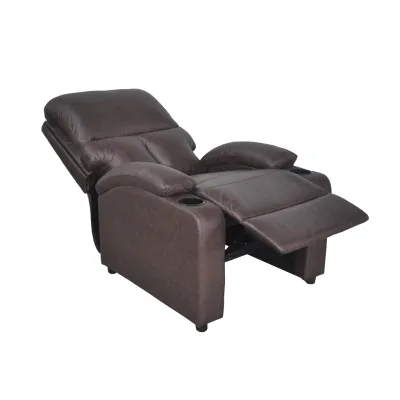
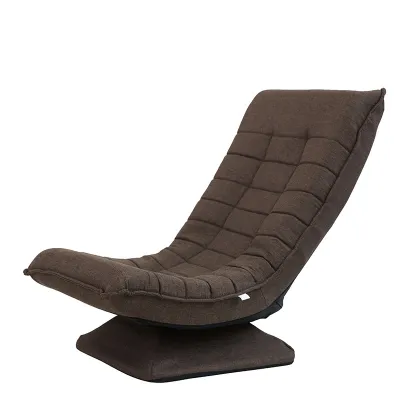
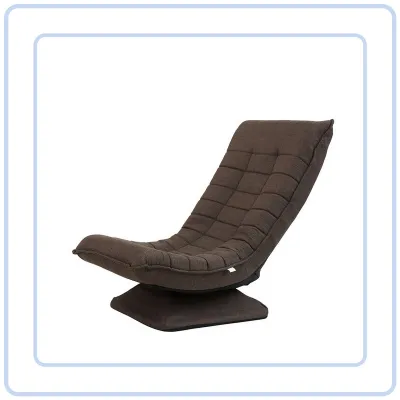
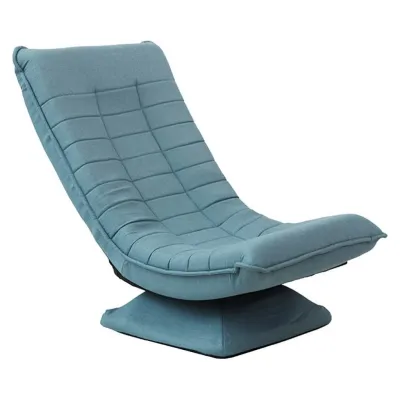

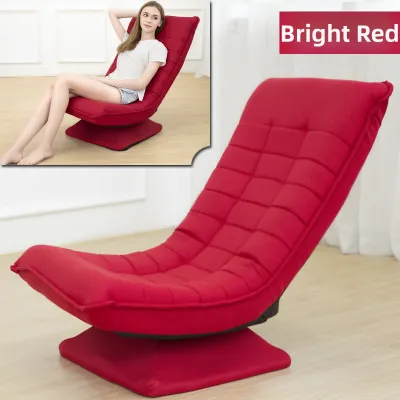
Prices are valid at publication and may change. Please refer to the product page for the latest price.
Spatial planning is critical when integrating any rotating furniture into Singapore’s typical HDB flats or condominium layouts, where floor space is often at a premium. A standard static armchair only requires clearance for its physical footprint, but a swivel chair sofa requires a dedicated “clearance circle” to rotate freely without striking walls, side tables, or adjacent sofa modules. To calculate this, measure the diagonal distance from the furthest corner of the chair’s backrest to the opposite front corner, and add a minimum of 15 to 20 centimeters of clearance around the entire perimeter. This buffer prevents the leather from scraping against hard surfaces, which can cause premature scuffing and tears.
Your primary use case should dictate the physical dimensions, seat depth, and armrest height of the chair. If the swivel chair is intended primarily for reading or working on a laptop, look for a shallower seat depth and structured, upright back support that keeps your spine aligned. For television viewing or lounging, a deeper seat with a slightly reclined backrest and wide, padded armrests is more appropriate. If you plan to use the chair to bridge two distinct functional zones—such as an open-concept living room and an adjacent dining area—ensure the back of the chair is fully upholstered in high-quality leather, as it will be highly visible from all angles.
Comparing Leather Grades and Upholstery Durability
Evaluating the leather quality offered by different brands requires looking past marketing buzzwords like “premium luxury leather” and inspecting the actual product specifications. Full-grain leather represents the highest grade, retaining the natural grain and pores of the hide, which makes it exceptionally breathable and capable of developing a rich patina over time. However, full-grain leather is highly sensitive to moisture and requires regular conditioning. Top-grain leather, which is sanded slightly to remove imperfections and treated with a protective finish, offers a practical middle ground for most households because it resists spills while retaining excellent durability.

Singapore’s high relative humidity, which frequently exceeds 80 percent, poses a unique challenge for leather furniture. In unconditioned rooms, poorly ventilated leather can trap moisture, leading to mold growth and structural degradation of the fibers. When comparing brands, ask whether the leather has been treated with a moisture-resistant, anti-fungal protective finish. Be cautious of chairs labeled simply as “genuine leather” or “split leather,” as these often consist of the lower layers of the hide coated with a thick plastic polyurethane layer; this synthetic backing traps heat, feels sticky in warm weather, and is highly prone to cracking and peeling in humid environments.
Because a swivel chair rotates and tilts, the upholstery experiences constant torsional stress that static sofas do not face. Inspect the stitching density along the seams, particularly where the seat cushion meets the armrests and around the lower base. High-quality manufacturers use double-stitched seams with heavy-duty nylon thread to prevent the leather from pulling apart at the joints. Look closely at the welt lines and seam alignments; uneven stitching or loose threads are immediate indicators of lower-tier manufacturing that may fail under the daily stress of rotational movement.
Evaluating Swivel Mechanisms and Base Construction
The longevity of a swivel chair sofa depends heavily on the engineering of its rotating mechanism and the stability of its base. Manufacturers generally use either a flat disc base or a multi-pronged pedestal base. Flat disc bases, typically constructed from heavy-gauge stainless steel or powder-coated iron, distribute the chair’s weight evenly across the floor, making them highly stable and less likely to tip when you lean forward. Pedestal bases, which feature four or five radiating legs, offer a lighter visual profile but must be checked to ensure the legs extend far enough to prevent tipping during sudden movements.
When testing a chair in a showroom, pay close attention to the rotation mechanism. The swivel action should feel smooth, silent, and completely fluid, without any catching, grinding, or lateral wobbling. High-quality mechanisms utilize sealed ball-bearing cartridges that protect the moving parts from dust and hair. You should also check for specialized mechanical features, such as a return-to-center function, which automatically rotates the chair back to its forward-facing position when you stand up, keeping your living room looking neat and organized.
Never overlook the internal framing and weight capacity of the chair. The swivel mechanism must be bolted securely to a rigid internal frame; if this frame is made of cheap particleboard or thin plywood, the mounting screws will eventually loosen, causing the chair to wobble and squeak. Verify that the brand uses kiln-dried hardwood frames or reinforced steel chassis for their swivel models. Always check the manufacturer’s official specifications for the maximum weight capacity, which should ideally be at least 120 to 150 kilograms to accommodate various users safely over years of continuous rotation.
Assessing Pricing Structures and Warranty Coverage
When comparing leather swivel chairs in Singapore, understanding the pricing structure helps you identify genuine value. Mid-range options typically cost between S$800 and S$1,800, while premium imported designer models can easily exceed S$3,000. If you encounter a brand offering deep discounts—such as a “premium full-grain leather swivel chair” for under S$500—treat this as a red flag. Such pricing usually indicates that the chair uses synthetic vinyl match on the back and sides, or utilizes low-grade split leather that will degrade rapidly in Singapore’s climate.
A comprehensive warranty is your best protection against mechanical and material failures. When reviewing a brand’s warranty policy, look for a clear breakdown of coverage terms, as different components carry different lifespans. A reputable brand should offer a structural frame warranty of 5 to 10 years, but the moving swivel mechanism is typically covered under a separate, shorter term of 1 to 3 years. Ensure you read the fine print regarding the leather upholstery; warranties rarely cover natural wear, stretching, or color fading, but they should cover premature seam splitting or manufacturing defects in the dye work.
Finally, factor in the total cost of ownership, including delivery, assembly, and potential return fees. Leather swivel chairs are heavy, often weighing between 30 and 50 kilograms due to their metal bases and solid frames. Confirm whether the retailer’s delivery fee includes professional assembly and placement in your home, and verify if there are extra charges for walk-up stairs if your building’s lift is too small to accommodate the delivery box. Understanding the restocking fees and return windows is also essential, as a chair that feels comfortable in a spacious showroom may feel disproportionately large once placed in your actual living room.
Decision Framework: Shortlisting Brands for Your Home
To narrow down your choices among the leather sofa brands available in Singapore, use a structured decision framework based on your specific home environment and lifestyle needs. If your living room is compact and requires maximum flexibility, prioritize brands that specialize in standalone accent chairs with slim, low-profile pedestal bases that preserve sightlines. If you are purchasing a complete living room set and want a cohesive look, focus on brands that offer modular sofa collections with integrated swivel components, allowing you to match the leather dye lot perfectly across all pieces.
Before making a final purchase, always conduct a thorough physical inspection in the showroom rather than buying online based on photos alone. Sit in the chair for at least ten minutes to evaluate how the seat foam supports your lower back and thighs. Test the resistance of the swivel mechanism; it should require a gentle push to rotate, rather than spinning freely at the slightest touch, which can feel unstable. Touch the leather surface to assess its temperature and texture, ensuring it feels supple and comfortable against your skin under typical indoor conditions.
Frequently Asked Questions (FAQ)
How do I maintain the swivel mechanism of a leather chair?
To keep the swivel mechanism operating smoothly, you must prevent dust, pet hair, and household debris from accumulating in the moving parts. Use a vacuum cleaner with a narrow crevice tool or a soft-bristled brush to clean around the base track and the central spindle at least once a month. If the rotation begins to feel stiff or develops a slight squeak, consult the manufacturer’s care manual before applying any lubricants. Many modern swivel mechanisms use sealed bearings that do not require oiling, and applying generic household lubricants can attract dirt, gum up the bearings, and void your warranty. If you notice persistent grinding noises, severe wobbling, or if the chair begins to tilt to one side, stop using the swivel function immediately and contact the retailer or a professional furniture repair technician to inspect the internal hardware.
Can a leather swivel chair damage laminate or vinyl flooring?
Yes, a heavy leather swivel chair can scratch, dent, or scuff sensitive flooring materials like laminate, vinyl, or natural parquet if proper precautions are not taken. The constant rotational movement concentrates friction on a small surface area directly beneath the base. Before placing the chair, inspect the underside of the metal base to ensure it has factory-installed felt pads, rubber glides, or non-marking plastic rings. If the base consists of bare metal or has sharp edges, apply heavy-duty adhesive felt strips designed for heavy furniture. For maximum protection on softer vinyl or laminate floors, place a low-profile area rug or a dedicated furniture mat beneath the chair’s rotation radius. When you need to reposition the chair within the room, never drag or tilt it across the floor; always lift the chair entirely with the help of another person to prevent deep gouges in your flooring.

Community discussion
Share your experience or ask a question. Comments are reviewed before publication.