
When shopping for premium living room furniture, finding the right sofas that balance quality and price is a major milestone for Singaporean homeowners. A leather sofa is often the centerpiece of a home, representing a significant financial investment and a daily-use touchpoint. However, navigating the local market can be overwhelming, with options ranging from budget-friendly synthetic imports to high-end Italian design houses.
The ideal balance between quality and cost is highly subjective, depending on your household’s lifestyle, budget, and material expectations. For some, value means a mid-range, direct-to-consumer top-grain leather sofa that withstands daily family use for a decade. For others, it means investing in a premium heritage piece crafted from full-grain leather that ages beautifully over twenty years, resulting in a lower long-term cost-per-year. Understanding the structural and material components of these furniture pieces is the first step toward making an informed purchase that fits your specific living space.
Defining Value: Key Criteria for Leather Sofas
To objectively assess whether a sofa offers good value for its price, you must look beyond the brand name and evaluate the physical components of the furniture. Leather sofas are complex assemblies of upholstery, cushioning, suspension systems, and internal frames. Understanding these technical specifications allows you to verify quality claims directly on product specification sheets or by asking showroom consultants targeted questions.
Products mentioned in this guide
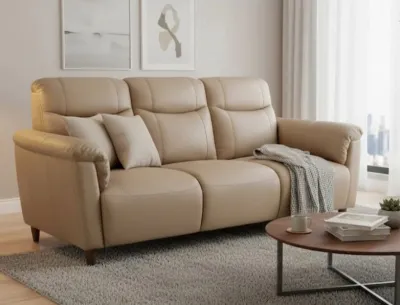
![[SG Seller] Twenty one ADAM FAUX LEATHER SOFA (3-SEATER / 2-SEATER / 1-SEATER AND WITH CHAISE)](https://img.lazcdn.com/g/p/8c9ee40a836016580b799ac0dd343bed.jpg_400x400q80.jpg_.webp)
Prices are valid at publication and may change. Please refer to the product page for the latest price.
Leather Grading and Material Integrity
Genuine leather is categorized into distinct grades based on how the hide is processed. Full-grain leather is the highest quality available, utilizing the outermost layer of the hide without any sanding or buffing. This preserves the natural grain, unique markings, and inherent breathability of the skin. Over time, full-grain leather develops a rich patina, making it highly durable and luxurious, though it carries a premium price tag.
Top-grain leather is the most common choice for mid-range sofas. The top layer of the hide is lightly sanded to remove natural imperfections, and a protective topcoat is applied. This process makes the leather highly resistant to stains and spills while retaining excellent pliability and strength. It offers an outstanding balance of durability, soft texture, and cost-effectiveness for active households.
Genuine leather, sometimes labeled as split leather or corrected-grain leather, utilizes the lower layers of the hide after the top split is removed. These layers are embossed with a mechanical grain pattern and heavily treated with synthetic sealants. While more affordable, split leather is less breathable, stiffer to the touch, and more prone to stretching or cracking over time under heavy use.
Faux leather options, such as high-grade polyurethane (PU) or advanced microfibre leather, contain no animal products. High-density microfibre leather mimics the structure of genuine leather remarkably well, offering excellent scratch resistance and easy cleaning. However, synthetic materials do not develop a patina and generally retain more body heat than natural hides.
Frame Construction and Joint Stability
The longevity of a sofa is directly tied to its internal frame. High-quality sofas utilize kiln-dried hardwood, such as birch, oak, or maple. The kiln-drying process extracts moisture from the wood, preventing it from warping, bowing, or cracking when exposed to Singapore’s high humidity. Avoid frames made primarily of low-grade particleboard or untreated softwoods, as these materials degrade rapidly under weight and moisture.
Examine the joint construction of the frame. Premium and high-quality mid-range brands secure joints using double-dowel systems, corner blocks, and heavy-duty metal screws. Lower-end frames often rely on simple staples and industrial glue, which can loosen over time, leading to structural wobbling, squeaking, and eventual frame failure.
Suspension Systems and Cushion Density
The suspension system supports your weight and maintains the sofa’s shape. High-end models frequently feature eight-way hand-tied spring systems or heavy-duty pocket springs, which distribute weight evenly and prevent localized sagging. Mid-range models often utilize sinuous S-shaped springs or high-tensile elastomeric webbing, both of which provide excellent support when paired with quality cushioning.
Cushioning quality is determined by foam density, measured in kilograms per cubic metre (kg/m³). Look for high-resiliency (HR) polyurethane foam with a density rating of at least 30 kg/m³ to 35 kg/m³. Lower-density foams flatten out within a few years of use, leaving the leather upholstery looking wrinkled and loose. Combining an HR foam core with a down-feather or polyester fibre wrap provides the ideal balance of initial softness and long-term structural recovery.
Warranty Scope and Manufacturer Confidence
A brand’s warranty structure is a reliable indicator of its confidence in product durability. When evaluating a warranty, separate the coverage for the internal frame from the coverage for the leather upholstery. A high-value brand typically offers a 5 to 10-year warranty on the structural frame and suspension, while providing a 1 to 2-year warranty on the leather surface against manufacturing defects like seam splitting or premature peeling. Always read the fine print to identify exclusions related to natural wear, tear, and environmental exposure.
Comparing Leather Sofa Brand Tiers in Singapore
Singapore’s retail landscape features a diverse array of furniture brands categorized into distinct tiers. Each tier targets a different balance of material quality, design customization, and price point. Evaluating these tiers helps you align your budget with realistic product expectations.

Premium and Heritage Brands
Premium heritage brands target buyers who view a leather sofa as a multi-decade investment. These brands typically source their hides from reputable European tanneries, where cattle are raised in cooler climates with fewer insect bites, resulting in pristine, unblemished full-grain and top-grain leathers. The manufacturing processes often involve artisanal hand-stitching, custom-tailored frame configurations, and premium suspension engineering.
- Material Quality: Expect 100% full-grain or premium semi-aniline top-grain leathers wrapped around solid, certified kiln-dried hardwood frames.
- Price Range: Generally ranges from S$6,000 to well over S$15,000, depending on the configuration, leather grade, and customization options.
- Value Proposition: While the upfront cost is substantial, these sofas offer an exceptionally low cost-per-year due to their potential lifespan of 15 to 25 years. The superior breathability of high-grade natural leather also ensures comfort in tropical climates.
- Verification Check: When visiting premium showrooms, ask to see the leather's origin certification and request a detailed breakdown of the frame joinery and suspension system. Verify the exact warranty terms, as some heritage brands offer lifetime structural warranties.
Mid-Range and Direct-to-Consumer Brands
Mid-range and direct-to-consumer (DTC) brands have gained immense popularity in Singapore by optimizing their supply chains. By selling directly to consumers online and through streamlined physical showrooms, these brands eliminate traditional distributor markups. This allows them to offer genuine top-grain leather sofas at highly competitive price points.
- Material Quality: Typically features top-grain leather on all seating surfaces, sometimes paired with color-matched synthetic leather on the back and sides (commonly referred to as a "half-leather" configuration) to reduce costs. Frames are usually constructed from kiln-dried engineered wood or solid wood blends.
- Price Range: Typically spans from S$2,500 to S$5,500.
- Value Proposition: These brands offer the best design-to-price ratio for the average modern household. They provide contemporary aesthetics, reliable daily durability, and genuine leather comfort without the premium price tag of heritage imports.
- Typical Trade-offs: Customization is often limited to a pre-selected palette of leather colors and fixed modular configurations. Delivery lead times can also be longer if the model is made-to-order in regional factories.
Budget-Friendly and Alternative Leather Options
Budget-friendly brands and alternative leather options cater to temporary housing situations, strict budget constraints, or specific lifestyle needs, such as pet-friendly households.
- Material Quality: These sofas utilize synthetic materials like polyurethane (PU) leather, PVC, or high-density microfibre leather. The frames are often lightweight, constructed from plywood or composite woods, utilizing simpler webbed suspension systems.
- Price Range: Generally ranges from S$800 to S$1,800.
- Value Proposition: High-density microfibre leather is highly resistant to pet scratches, easy to clean with a damp cloth, and does not require specialized conditioning. It provides a sleek, modern look at a fraction of the cost of genuine leather.
- Typical Trade-offs: Synthetic leathers lack the natural breathability of genuine hides, which can make them feel warm and sticky in rooms without continuous air conditioning. The structural lifespan is also shorter, typically ranging from 3 to 5 years before the synthetic surface or internal foam begins to show significant wear.
Showroom and Delivery Verification in Singapore
Buying a sofa is a highly tactile experience. Even if you plan to purchase online, visiting a physical showroom in Singapore is essential to verify the comfort, build quality, and material properties of your preferred model. Furthermore, navigating Singapore’s unique residential logistics requires careful planning before finalizing your order.
Sensory Inspection in the Showroom
When testing sofas in a showroom, perform a series of physical checks to assess their structural integrity and comfort:
- The Touch and Press Test: Press your hand firmly into the leather. Genuine leather should feel supple, adjust quickly to your body heat, and display fine wrinkles around your pressure point that disappear when you release it. Synthetic alternatives often feel uniformly smooth, slightly plastic-like, and do not wrinkle naturally.
- The Stitching Check: Inspect the seams along the armrests and cushions. High-quality construction features straight, tight, double-stitched seams with no loose threads or uneven tension. Poor stitching is a primary failure point under daily seating pressure.
- Cushion Recovery: Sit on the sofa for at least ten minutes to evaluate the seat depth, lumbar support, and cushion recovery. When you stand up, the high-resiliency foam should bounce back to its original shape immediately. If a deep indentation remains, the foam density may be insufficient.
- Frame Stability: Grasp the armrest and gently try to rock the sofa from side to side. A solid frame should feel heavy, anchored, and completely silent. Any squeaking, flexing, or shifting indicates weak internal joints.
Spatial and Access Checks for Singaporean Homes
One of the most common delivery failures in Singapore involves sofas that cannot physically reach the homeowner’s living room due to tight structural clearances. Before placing an order, measure your space and access routes meticulously:
- The Living Room Footprint: Measure the available floor space, leaving at least 45 to 60 cm of walking space around the sofa. Ensure the sofa's depth does not block walkways, balcony doors, or television sightlines.
- Elevator and Doorway Clearances: Measure the height, width, and diagonal depth of your building's passenger lift. Standard HDB lift doors are often 80 to 90 cm wide and 2.0 to 2.1 metres high. Compare these dimensions against the sofa's packaged shipping dimensions.
- Stairwells and Corridors: If your building lacks a cargo lift or if the sofa exceeds lift dimensions, measure the stairwell ceiling heights and corridor turning angles. Many furniture retailers charge additional manual carrying fees (typically S$10 to S$20 per floor) if delivery teams must carry the sofa up staircases.
- Condominium Management Rules: Verify your estate's delivery hours, security deposit requirements, and cargo lift booking procedures. Many condominiums restrict bulky deliveries to weekdays and Saturday mornings.
Climate Considerations and Maintenance
Singapore’s tropical climate, characterized by high relative humidity (often exceeding 80%) and consistent warmth, presents unique challenges for leather preservation. Proper placement and maintenance are crucial to maximizing your sofa’s lifespan:
- Avoid Direct Sunlight: Position your leather sofa away from west-facing windows. Ultraviolet rays dry out the natural oils in genuine leather, leading to premature fading, stiffness, and cracking.
- Manage Air-Conditioning Exposure: Avoid placing the sofa directly under or in front of air-conditioning vents. The localized dry air can strip moisture from the leather, while the temperature fluctuations can stress the wood frame.
- Prevent Mold and Mildew: In unventilated rooms, high humidity can cause mold spores to grow on natural leather surfaces. Ensure your living room has adequate ventilation. Use a dehumidifier during the wet monsoon seasons to maintain indoor humidity levels between 50% and 60%.
- Routine Cleaning: Wipe the sofa weekly with a dry, soft microfibre cloth to remove dust and body oils. Avoid using harsh chemical cleaners, multi-purpose sprays, or wet wipes containing alcohol, as these will strip the leather's protective topcoat. Apply a specialized leather conditioner once every six to twelve months to keep the hide supple.
Decision Framework: Choosing the Right Brand for You
To simplify your decision-making process, use this structured framework to match your household’s profile with the most suitable brand tier:
- Choose Premium Heritage Brands if:
- You view your home furniture as a long-term, multi-decade investment.
- You prioritize the unmatched breathability, comfort, and natural aging process of full-grain leather.
- Your household budget for a sofa exceeds S$6,000.
- You want extensive structural warranties and customized configurations.
- Choose Mid-Range Direct-to-Consumer Brands if:
- You want genuine, high-quality top-grain leather comfort without paying retail markups.
- Your budget sits comfortably between S$2,500 and S$5,000.
- You prefer modern, minimalist, or Scandinavian aesthetics that complement standard HDB or condominium layouts.
- You are satisfied with standard configurations and a curated selection of leather colors.
- Choose Budget-Friendly or Faux Leather Options if:
- Your current living arrangement is temporary, or you are furnishing a rental property.
- Your budget is strictly capped below S$1,800.
- You have young children or highly active pets, making scratch-resistant, easily sanitizable microfibre leather a practical priority.
- You prefer vegan materials that do not use animal products.
- Verify first if:
- The retailer offers a physical showroom display of the exact model you want, allowing you to perform tactile comfort and quality checks.
- The delivery team can navigate your specific building's lift, doorway, and corridor dimensions.
- The manufacturer's warranty explicitly covers frame structural integrity and details the exclusions regarding leather surface wear.
Frequently Asked Questions (FAQ)
How does Singapore's humidity affect genuine leather sofas?
Singapore’s high relative humidity can cause moisture to accumulate on the porous surface of genuine leather, creating an environment ripe for mold and mildew growth. Conversely, running air conditioning continuously can dry out the leather’s natural oils, leading to cracking. To protect your sofa, maintain consistent ventilation, wipe away sweat and body oils weekly with a dry microfibre cloth, and apply a specialized leather conditioner every six to twelve months to establish a protective moisture barrier.
What should I check regarding sofa delivery to HDB flats or condominiums?
Before finalizing your purchase, measure the height, width, and diagonal clearance of your apartment’s entry door, corridor corners, and elevator doors. For HDB flats, ensure the sofa fits within standard passenger lift dimensions to avoid manual stair-carrying charges. For condominiums, you must book the cargo lift with the building management in advance, check for restricted delivery hours, and verify if a security deposit or specific property protection measures are required before the delivery team arrives.
Community discussion
Share your experience or ask a question. Comments are reviewed before publication.