
Finding a high-quality leather recliner sofa in Singapore requires looking beyond brand names and focusing on structural integrity, material authenticity, and mechanical reliability. Because a recliner is both a mechanical device and a piece of heavy-use furniture, the right choice for your home is one that offers verifiable specifications for its internal frames, moving parts, and leather grades. By understanding how to evaluate these components during your showroom visits, you can secure a sofa that withstands daily use and remains comfortable for years to come.
Key Factors for Evaluating Leather Recliner Sofas
To establish a reliable baseline before comparing different brands, you must first define what constitutes true build quality in a recliner. Unlike stationary sofas, recliners experience constant dynamic stress from the moving parts of the footrest and backrest. Frame integrity is the foundation of this durability; a high-quality frame prevents the chassis from warping or twisting when the reclining mechanism is engaged. The mechanism itself must be constructed from heavy-gauge steel and secured with robust hardware to ensure smooth, repeatable transitions without putting uneven pressure on the joints.
Objective comfort metrics are equally critical and must be assessed systematically rather than relying on a brief sit-test. Proper comfort depends on seat depth, cushion density, and targeted lumbar support that maintains its shape under load. A seat that is too deep or too shallow can strain your knees and lower back, while low-density cushions will quickly sag, leaving you sitting directly on the hard mechanical frame beneath.
Products mentioned in this guide
![[SG Seller] TAYLOR COWHIDE RECLINER LEATHER SOFA 3 SEETER (MANUAL/POWER RECLINER AVAILABLE)](https://img.lazcdn.com/g/p/c11663e79909996131fe58434a265c61.jpg_400x400q80.jpg_.webp)
![[SG Seller] TAYLOR COWHIDE LEATHER RECLINER SOFA 2 SEETER (MANUAL/POWER RECLINER AVAILABLE)](https://img.lazcdn.com/g/p/4f15c39aafcc546e68472b3f14e7f49e.jpg_400x400q80.jpg_.webp)
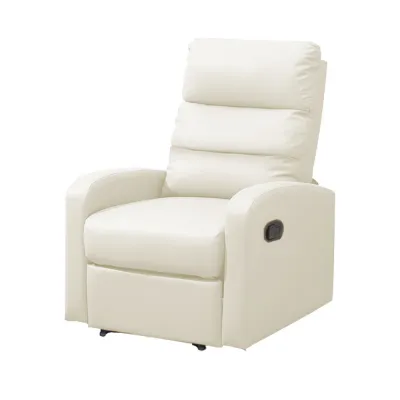
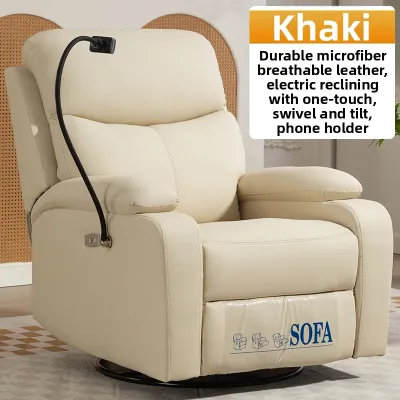
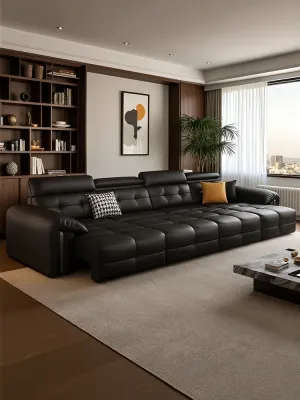
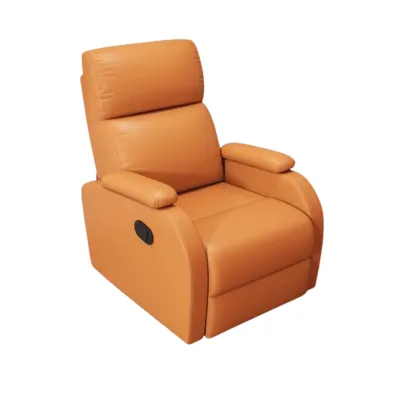
Prices are valid at publication and may change. Please refer to the product page for the latest price.
Assessing value for money requires weighing the initial purchase price against the expected lifespan and the comprehensiveness of the manufacturer’s warranty. A lower-priced recliner might seem attractive initially, but if the motor fails or the upholstery peels within two years, the cost per year of use becomes exceptionally high. Conversely, investing more upfront in a brand that provides a long-term warranty on the frame, mechanism, and leather can offer far better long-term value.
Comparing Leather Types and Frame Construction
Understanding the differences between leather types is essential for verifying the durability claims made by various sofa brands. Full-grain leather represents a premium tier, retaining the natural hide’s original texture and offering excellent breathability and strength. Top-grain leather is slightly corrected but remains highly durable, supple, and resistant to wear, making it an excellent choice for premium recliners. In contrast, bonded leather consists of shredded leather scraps glued together with polyurethane; it lacks structural integrity and is highly prone to peeling, especially in warm environments. Always check the physical product labels, law tags, and specification sheets to confirm the exact leather type used on all contact surfaces.

The underlying frame material determines how much weight the sofa can safely support over time. Look for brands that specify the use of kiln-dried hardwood, such as birch or oak, which has had its moisture content reduced to prevent warping, cracking, and splitting. Engineered woods like plywood or medium-density fibreboard (MDF) are acceptable for non-structural panels but should not form the primary load-bearing joints of a recliner. When evaluating a sofa, ask the sales representative for the official weight capacity limits of both the frame and the reclining mechanism to ensure it accommodates your household’s needs.
The reclining mechanism itself is the heart of the sofa and comes in either manual or motorized configurations. Manual mechanisms rely on physical leverage, usually operated by a pull-tab or a side lever, which offers faster operation and eliminates the need for proximity to electrical outlets. Motorized mechanisms provide infinite adjustability, allowing you to stop the footrest and backrest at any precise angle. When testing these mechanisms, listen closely for any grinding, clicking, or excessive motor hum, as these noises often indicate poor alignment or low-quality gears that may fail prematurely.
Assessing Comfort and Ergonomic Features
Achieving optimal ergonomic alignment is crucial when selecting a recliner, as improper support can lead to muscle fatigue and joint strain. When testing a sofa, sit fully back in the seat to check if your thighs are fully supported without the front edge of the cushion pressing uncomfortably behind your knees. Your feet should rest flat on the floor when the chair is upright, and the footrest should extend far enough to support your ankles without leaving your feet dangling unsupported when fully reclined. The backrest must be tall enough to support your head and neck comfortably, preventing your chin from being forced forward or your neck from tilting backward.
The composition of the cushion fill directly influences both immediate comfort and long-term shape retention. High-resilience (HR) polyurethane foam is the industry standard for quality recliners because it contours to your body shape and quickly bounces back once pressure is released. Some premium brands incorporate pocketed inner springs within the foam cushions, which distribute body weight more evenly and prevent the foam from packing down over time. Avoid cushions filled solely with loose polyester fiberfill, as these tend to shift and flatten rapidly, requiring constant fluffing to maintain even minimal support.
Personalized ergonomic features can significantly enhance your sitting experience, particularly if you plan to use the recliner for extended periods. Look for models that feature articulated headrests, which can be tilted forward independently to support your head while watching television or reading in a reclined position. Adjustable lumbar support is another valuable feature, allowing you to increase or decrease the firmness in the lower back region to match the natural curve of your spine.
Navigating Showrooms and Warranties in Singapore
Visiting physical showrooms in Singapore is an indispensable step in the buying process, allowing you to conduct hands-on quality checks that online listings cannot replicate. When examining floor models, pay close attention to how the leather has aged on high-contact areas like the armrests and headrests. Look for signs of premature wear, loose stitching, or sagging cushions, which can give you a realistic preview of how the sofa will perform in your home. Operate the reclining mechanism multiple times, checking for any squeaks, resistance, or jerky movements that suggest poor assembly or low-grade components.
Before making a purchase, carefully review the warranty terms, as coverage often varies significantly between different parts of the sofa. A reputable brand should offer separate, clearly defined warranty periods for the wooden frame, the metal reclining mechanism, the electric motor (for motorized models), and the leather upholstery. Be cautious of warranties that bundle everything under a single short term, and always ask what specific types of damage are excluded, such as natural leather stretching or minor cosmetic blemishes.
In Singapore’s dense urban environment, delivery constraints are a critical logistical consideration that must be addressed before finalizing your order. Measure your home’s entryway, internal doorways, and hallway corners to ensure the sofa can be maneuvered into your living room. For those living in high-rise apartments, it is vital to measure the lift door width, internal lift cabin height, and depth, as well as any tight turns in the stairwell if lift access is unavailable. Many recliner sofas are delivered with the backrests detached, which can make navigation easier, so confirm the delivery state and assembly requirements with the retailer beforehand.
Decision Framework: Matching Brand Profiles to Your Needs
To narrow down your choices, use a structured decision framework that matches specific product profiles to your household’s unique requirements. If your priority is precise positioning, ease of use for elderly family members, or integration with smart home systems, focus on brands that specialize in motorized recliners with multi-motor setups. These systems allow you to adjust the headrest, lumbar support, and footrest independently, providing customized comfort at the touch of a button.
If you prioritize long-term material aging, a luxurious tactile feel, and a classic aesthetic, look for brands that offer thick, high-grade top-grain leather upholstery. This type of leather develops a beautiful patina over time, is highly resistant to punctures from pet claws, and remains comfortable in various temperatures. Ensure the brand provides detailed care instructions and uses breathable, aniline or semi-aniline dyes rather than heavy synthetic topcoats.
For smaller living spaces, such as compact HDB flats or cozy condominium units, manual recliners with zero-wall-clearance designs are often the most practical choice. These specialized mechanisms slide forward as they recline, requiring only a few centimeters of clearance from the wall behind them, thereby maximizing your usable floor space.
Avoid any brand that cannot provide clear, written documentation regarding their frame materials, leather sourcing, or mechanical specifications. Furthermore, verify that the brand maintains a dedicated team of local technicians in Singapore who can perform on-site repairs for motors, switches, or mechanical linkages. Purchasing a complex mechanical sofa without reliable local after-sales support can leave you with an unusable piece of furniture if a minor electrical or mechanical fault occurs.
Frequently Asked Questions (FAQ)
How do I maintain leather recliner sofas in Singapore's humid climate?
Maintaining a leather recliner in Singapore’s high humidity requires consistent, preventive care to protect the material from mold and moisture damage. Dust the sofa weekly with a dry, soft microfiber cloth to remove abrasive particles that can wear down the leather’s protective finish. Apply a manufacturer-approved leather conditioner every six months to keep the fibers supple and prevent them from drying out or cracking. Ensure your living room is well-ventilated, and position the sofa away from direct sunlight and the direct draft of air-conditioning units, as extreme temperature fluctuations can degrade the leather.
What is the typical lifespan of a motorized recliner mechanism?
The lifespan of a motorized recliner mechanism depends heavily on the quality of the motor, frequency of use, and adherence to weight limits. High-quality motors can operate reliably for several years when used under normal household conditions and protected from electrical issues. To maximize longevity, avoid exceeding the manufacturer’s specified weight capacity and ensure the power cords are kept clear of the moving metal parts. It is highly recommended to use a surge protector with your motorized sofa and to verify that the brand stocks replacement motors and control switches locally in Singapore for future repairs.
Community discussion
Share your experience or ask a question. Comments are reviewed before publication.