
Finding the best value leather recliner in Singapore is not about tracking down a single magic brand. Instead, it is about aligning your personal comfort needs, available living space, and budget with the right tier of materials and mechanics. In Singapore’s unique market, where compact apartments and high tropical humidity are the norms, “value” takes on a very practical meaning. While premium international brands offer exceptional durability and advanced ergonomics, local lifestyle brands often provide the most practical balance of modern aesthetics, space-conscious dimensions, and mid-range pricing.
Understanding the trade-offs between different leather grades, reclining mechanisms, and frame constructions is the key to making an investment that remains comfortable and intact for years to come. By focusing on how a brand’s offerings match your specific home layout and usage habits, you can avoid paying for unnecessary features while ensuring you do not compromise on structural integrity.
4 Key Dimensions to Compare Before Choosing a Brand
Leather Grade and Upholstery
The type of leather used directly dictates both the price and the lifespan of your recliner. Full-grain leather, which retains the natural outermost layer of the hide, is the most durable and breathable option, though it carries a premium price. Top-grain leather is slightly sanded to remove imperfections, offering a highly durable, uniform, and supple surface that is excellent for daily use.
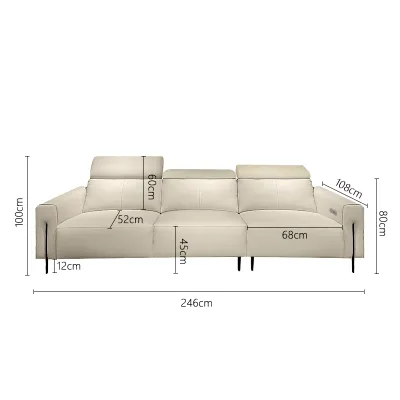
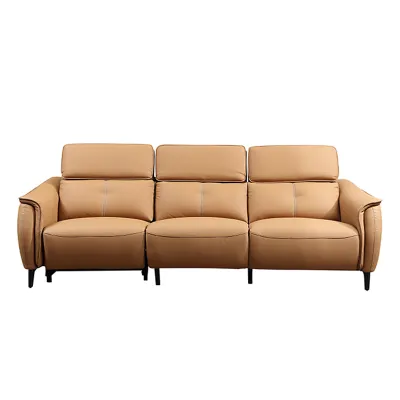
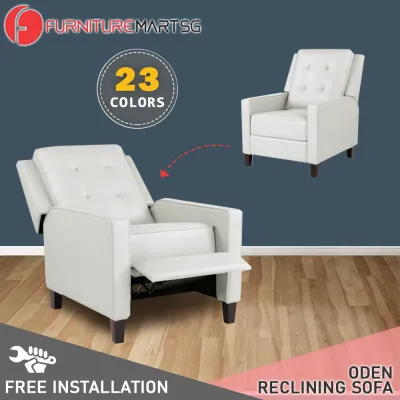
Products mentioned in this guide
![[Sg Sales]Electric Power Lift Recliner Sofa Chair Space Sofa Cabin Faux Leather Sofa Multi-Functional Electric Reclining Lazy Sofa Full Reliance Massage Chair Massage Sofa](https://img.lazcdn.com/g/p/28a8fabc74691aa4cf00bc6dd9e8ffaa.jpg_400x400q80.jpg_.webp)
Prices are valid at publication and may change. Please refer to the product page for the latest price.
Many mid-range and budget brands utilize a configuration known as “leather match” to lower retail costs. This setup uses genuine leather on high-touch areas—such as the seat, backrest, and armrests—and matches it with color-matched synthetic materials like PVC or polyurethane on the outer sides and back. When shopping, always read the technical specifications tag or ask the showroom staff to clarify the exact leather distribution, as synthetic sections behave differently over time and are more prone to cracking or peeling in humid environments.
Reclining Mechanism
Recliner mechanisms generally fall into manual or motorized categories. Manual recliners rely on a physical lever, pull-tab, or body weight to push the backrest down and raise the footrest. They are generally lighter, less expensive, and do not require placement near an electrical outlet, though they offer fewer locking positions.
Motorized recliners use electric motors controlled by buttons or a remote to offer smooth, continuous adjustments, allowing you to stop the chair at any precise angle. Some high-end motorized models feature dual or triple motors, letting you adjust the headrest, lumbar support, and footrest independently. However, motorized systems are heavier, require proximity to power sockets, and introduce electrical components that may eventually require maintenance or replacement parts.
Frame and Suspension
The internal skeleton of a recliner determines its structural stability and load capacity. High-quality brands construct their frames from kiln-dried hardwood, such as birch, oak, or maple, or heavy-duty reinforced steel. Kiln-drying removes moisture from the wood, preventing it from warping, cracking, or bowing in Singapore’s humid climate.
In contrast, budget-oriented brands often use engineered woods like particleboard or medium-density fibreboard (MDF) in non-critical or even load-bearing areas, which can degrade rapidly under consistent weight or high humidity. Beneath the cushioning, look for robust suspension systems like heavy-gauge sinuous springs or pocketed coils rather than simple elastic webbing, as proper suspension prevents the seat from sagging and losing its supportive qualities over time.
Warranty Coverage
A warranty is a strong indicator of a brand’s confidence in its product’s longevity. When comparing brands, do not rely on a single headline warranty figure, as coverage is almost always tiered. For instance, a brand might advertise a ten-year warranty, but a closer look at the terms will reveal that the ten-year coverage applies only to the metal reclining frame.
The electrical motor might only be covered for one to two years, while the leather upholstery and foam cushioning might have only a single year of protection or be excluded entirely from wear-and-tear clauses. Always ask for the complete warranty document, check whether labor and transport fees are included in repairs, and verify the process for claiming parts replacement locally.
Navigating Leather Recliner Brand Categories in Singapore
Premium and International Brands
Premium and international brands occupy the upper tier of the Singapore market, with prices typically starting above S$3,000. These brands are characterized by their uncompromising use of premium full-grain or high-grade top-grain leathers sourced from reputable European or American tanneries. Their recliners frequently incorporate advanced motorized features, such as zero-gravity positioning, which reclines the body to distribute weight evenly and reduce spinal pressure, as well as adjustable power headrests and lumbar support.

The structural frames are almost exclusively made of heavy-duty steel and kiln-dried hardwoods, backed by extensive multi-year warranties. To experience these models, you will need to visit dedicated flagship showrooms, often located in central shopping districts or premium design hubs. This hands-on testing is essential to evaluate whether the ergonomic contours match your body shape.
When considering these brands, it is important to verify current lead times, as custom leather selections or specific motorized configurations are often made-to-order and imported, resulting in waiting periods of 12 to 16 weeks. Additionally, make sure to clarify delivery and installation surcharges, especially if you live in a walk-up apartment without direct lift access.
Local Contemporary and Lifestyle Brands
Local contemporary and lifestyle brands represent the mid-range segment, with prices generally ranging from S$1,000 to S$2,500. These brands cater specifically to the modern Singaporean lifestyle, designing furniture that fits seamlessly into HDB flats and condominiums where space is at a premium. To keep prices competitive while maintaining a premium feel, these brands often utilize high-quality top-grain leather on all body-contact surfaces, combined with durable synthetic matches on the exterior sides and back.
Their designs favor sleek, minimalist aesthetics and compact footprints, frequently utilizing “wall-hugger” mechanisms that slide forward as they recline, requiring minimal clearance from the wall behind them. The primary advantages of choosing a local lifestyle brand include faster delivery times—often within two to four weeks if the item is in stock—and readily accessible local customer service.
Because their showrooms are typically located in light industrial areas or suburban furniture hubs, they save on overhead costs, passing those savings on to the consumer in the form of better material value per dollar. This makes them an excellent option if you want reliable quality and modern functionality without the luxury price markup.
Mass Market and Value-Oriented Brands
Mass market and value-oriented brands focus on the budget-conscious consumer, with recliners typically priced under S$800. These options are widely available at large furniture warehouses, suburban retail parks, and online marketplaces. Value in this category is defined by low upfront costs, making them highly attractive for temporary living arrangements, rental properties, or secondary seating in guest rooms.
To achieve these low price points, manufacturers rely heavily on leather-match configurations using lower-grade split leather or synthetic alternatives like polyurethane and bonded leather. The reclining mechanisms are usually manual, and the internal frames often incorporate engineered wood alongside lighter metal alloys. While these recliners provide immediate comfort, they generally have shorter lifespans and limited warranties of one year or less.
If you are exploring this category, it is vital to visit a physical warehouse to inspect the build quality in person. Pay close attention to the neatness of the stitching, test the manual lever multiple times to ensure it operates smoothly without catching, and sit in the chair for at least fifteen minutes to check if the high-density foam cushioning provides adequate support without bottoming out against the frame.
Decision Framework: Which Brand Category Fits Your Budget?
- Choose Premium Brands if: You view your recliner as a long-term investment for your home, prioritize the unmatched breathability and natural aging process of authentic full-grain leather, require advanced ergonomic features like independent power lumbar and headrest adjustments, and have a flexible budget exceeding S$3,000.
- Choose Local Contemporary Brands if: You live in a compact HDB flat or condominium, want a stylish motorized recliner that maximizes your living room space with a wall-hugger design, prefer the practical balance of top-grain leather touchpoints, and seek reliable local warranty support within a mid-range budget of S$1,000 to S$2,500.
- Choose Mass Market Brands if: You are working with a strict budget under S$800, need a functional recliner for occasional or short-term use, prefer a simple manual mechanism that does not require proximity to electrical outlets, and are comfortable with a shorter product lifespan and synthetic-blend materials.
- Verify First if: You have specific spatial constraints in your living room, require specialized therapeutic support for chronic back pain, or need to confirm if your building's lift cabin and doorways can accommodate a bulky, single-piece furniture delivery.
Essential Pre-Purchase Checks for Singapore Homes
Space and Clearance
Before committing to any brand, you must measure your available living room space against the recliner’s fully extended dimensions. A standard leather recliner can require up to 150 cm of depth when completely reclined with the footrest up. Traditional designs need a substantial gap of 30 to 50 cm between the back of the chair and the wall to recline fully.
If space is tight, look specifically for “wall-hugger” or “zero-wall” models, which slide forward on a track as they tilt back, requiring as little as 5 to 10 cm of rear clearance. Additionally, measure the front clearance to ensure the extended footrest does not block primary household walkways or collide with coffee tables and television consoles.
Delivery Access
Many high-quality leather recliners are constructed as single, heavy, and non-demountable units to ensure structural integrity. This makes measuring your home’s delivery path just as important as measuring the living room. You must verify the finished dimensions of your building’s passenger lift, including the door opening width, internal cabin height, and diagonal depth.
Measure all doorways, narrow hallway turns, and staircase landings leading to your apartment. If a recliner cannot fit into the lift, professional movers may have to carry it up the stairs, which can incur significant per-floor surcharges or, in some cases, make delivery physically impossible.
Power Planning
If you decide on a motorized leather recliner, you must plan your room layout around your electrical outlets. Motorized models require a continuous power connection to operate. To avoid safety hazards, ensure there is an active wall socket close to where the recliner will sit.
Running long extension cords across the living room floor creates a tripping hazard and can lead to accidental cord damage when the recliner mechanism operates. Some brands offer optional rechargeable lithium-ion battery packs as an add-on, allowing you to place the recliner away from walls or in the center of the room without trailing cables, though these batteries will require periodic recharging every few weeks.
Climate Care
Singapore’s tropical climate, characterized by high relative humidity and consistent heat, heavily impacts how you must care for a leather recliner. High humidity can encourage mold growth in the deep folds and seams of the upholstery, while constant exposure to air conditioning can strip natural oils from the leather, leading to premature drying, cracking, and peeling.
To preserve the leather’s finish and joints, place your recliner away from direct sunlight streaming through balcony doors or windows, and avoid positioning it directly under or in front of air-conditioning vents. Regularly wipe down the chair with a dry, clean microfiber cloth to remove sweat and body oils, and apply a high-quality leather conditioner every six months to keep the material supple.
Frequently Asked Questions (FAQ)
Is genuine leather necessary for a recliner in Singapore's climate?
Genuine leather is highly recommended for Singapore’s humid climate because of its natural breathability. Synthetic alternatives like polyurethane or bonded leather tend to trap heat and sweat, making them feel sticky and uncomfortable during warm days. However, genuine leather requires regular conditioning to prevent mold growth in humid air and cracking in air-conditioned rooms. If you prefer low-maintenance furniture, high-performance synthetic microfibers can be a viable alternative, though they lack the classic feel and aging characteristics of real leather.
Can I reupholster a leather recliner if it peels?
While a leather recliner with a solid hardwood or steel frame can technically be reupholstered, the labor and material costs in Singapore are exceptionally high. In many cases, professional reupholstery services will quote prices that approach or exceed the cost of buying a brand-new mid-range recliner. If your current recliner is made of bonded or faux leather and has begun to peel, it cannot be easily patched or repaired. This makes investing in higher-quality top-grain or full-grain leather upfront a much more cost-effective decision for long-term value.
Community discussion
Share your experience or ask a question. Comments are reviewed before publication.