
Selecting a leather 3-seater recliner sofa involves balancing comfort, durability, and mechanical reliability. Because different brands prioritize different aspects of construction—some focusing on premium leather hides while others emphasize advanced motorized features—there is no single option that suits every home. To find the right fit, you must look past marketing buzzwords and evaluate the physical components of each model, from the grade of the leather to the engineering of the reclining frame.
By understanding how these elements are put together, you can systematically compare brands based on your household’s daily habits. Whether you are looking for a heavy-duty family sofa that can withstand pets and children, or a sleek, space-saving power recliner for a compact apartment, a structured evaluation framework is essential. This guide breaks down the critical build quality indicators, mechanical features, and spatial requirements you need to check before making an investment.
Key Dimensions for Evaluating Leather Recliner Build Quality
The longevity of a leather recliner depends heavily on the materials hidden beneath the surface, as well as the specific grade of leather used for the upholstery. When comparing brands, the first step is to verify the exact type of leather applied to the seating surfaces. Full-grain leather offers the highest natural durability and develops a unique patina over time, but it requires consistent maintenance and is more sensitive to spills. Semi-aniline leather provides a compromise, featuring a thin protective coating that resists stains while retaining a soft, natural feel. For high-traffic households with pets or young children, pigmented or corrected-grain leather is often the most practical choice, as its thick protective layer makes it highly resistant to wear and easy to wipe clean.
Products mentioned in this guide
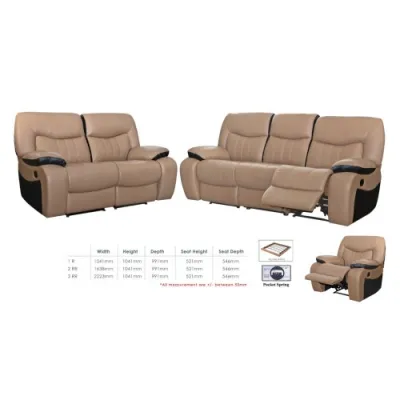
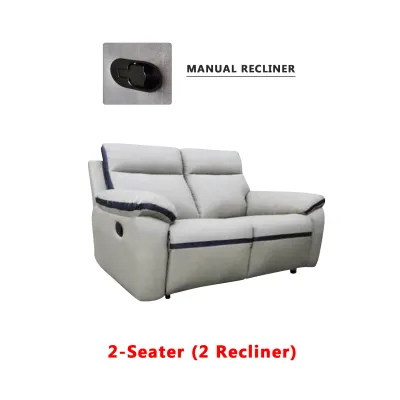
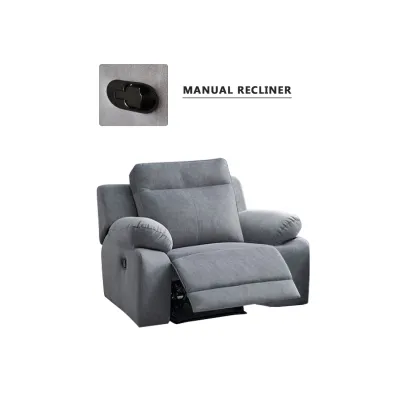
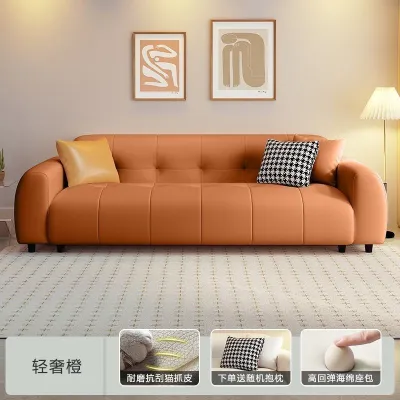
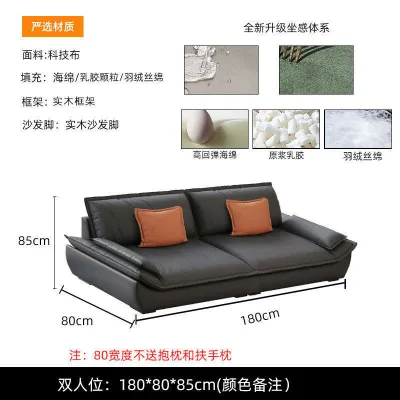
Prices are valid at publication and may change. Please refer to the product page for the latest price.
Beyond the upholstery, the internal frame is the backbone of any reclining sofa, supporting both the weight of the users and the stress of the moving parts. Look for brands that construct their frames from kiln-dried hardwood, such as birch or oak, which resists warping and cracking over time. The reclining mechanism itself must be securely anchored to this frame using heavy-duty steel brackets rather than simple wood screws. Avoid frames made primarily of particleboard or thin plywood, as the repetitive motion of reclining can quickly loosen the joints and cause the frame to sag or squeak.
Cushion construction and suspension systems also play a vital role in how well the sofa retains its shape and comfort over years of use. High-resiliency (HR) polyurethane foam with a density rating of at least 1.8 to 2.2 pounds per cubic foot is standard for quality seating, ensuring the cushions bounce back after use. This foam should ideally be wrapped in a soft dacron layer or down feathers for initial plushness. For the suspension, look for pocketed coil springs or heavy-gauge sinuous springs beneath the foam, which distribute weight evenly and prevent the sagging common in cheaper elastic webbing systems.
Assessing Reclining Mechanisms and Functional Features
The reclining mechanism is the most active component of your sofa, making its engineering quality a primary factor in your decision. Manual recliners rely on a physical lever or a push-back motion, utilizing tension springs to extend the footrest and tilt the back. While manual systems have fewer parts that can fail and do not require proximity to an electrical outlet, they offer fewer incremental angle adjustments and can require significant physical effort to close. Power recliners, on the other hand, use electric motors to provide smooth, continuous adjustments, allowing you to stop the motion at any precise angle that feels comfortable.

When evaluating power recliners, the quality of the motor is paramount. Reputable brands typically use low-voltage DC motors that operate quietly and smoothly without sudden jerks. It is wise to test the mechanism in-store, listening closely for any grinding, clicking, or straining sounds that might indicate poor alignment or an underpowered motor. Additionally, check the manufacturer’s specified weight capacity for each reclining seat, as overloading the mechanism is a common cause of premature motor failure.
Modern 3-seater recliners often come packed with extra functional features, such as integrated USB charging ports, power-adjustable headrests, heated seats, or built-in cup holders. While these features add convenience, they also introduce additional electrical components and wiring that can wear out over time. Before purchasing, weigh the practical utility of these add-ons against the potential maintenance hassle. Ensure that the brand offers a comprehensive warranty that specifically covers the electrical components and motors, ideally for at least two to five years, as these parts are more expensive to replace than standard frame elements.
Space, Clearance, and Installation Requirements
A common mistake when buying a 3-seater recliner is failing to account for the physical space the sofa occupies when fully extended. Unlike standard stationary sofas, a recliner requires a significant amount of clearance both behind the backrest and in front of the footrest. Traditional recliners must sit anywhere from 12 to 18 inches away from the wall to tilt backward without scraping the paint. If your living room is tight on space, look specifically for “wall-hugger” or “zero-clearance” designs, which slide forward on a track as they recline, requiring only a few inches of rear clearance.
Before finalizing your purchase, you must also measure the entire delivery path to ensure the sofa can actually reach your living room. This is particularly crucial for apartments in Singapore, where tight elevator cabins, narrow corridors, and standard-sized doorways can present major obstacles. Check whether the 3-seater recliner is delivered as a single massive unit or if it features a modular design where the individual seats or backrests can be detached. Modular models are significantly easier to maneuver through tight spaces and can save you from costly delivery complications.
Finally, power recliners require careful planning regarding electrical access and safety. You will need to position the sofa near functioning wall outlets to avoid running long extension cords across the floor, which can create tripping hazards and look untidy. Some brands offer optional rechargeable battery packs that allow you to place the recliner in the middle of a room without visible cables, though these batteries must be recharged periodically. If you rely on direct wall power, ensure the power cables are routed safely beneath the frame, clear of the moving metal parts of the reclining mechanism to prevent the wires from being pinched or severed.
How to Match Brand Profiles to Your Living Room Needs
Because different brands cater to different lifestyles and budgets, matching a brand’s core philosophy to your household’s specific needs is the best way to ensure long-term satisfaction. If you have a flexible budget and prioritize timeless aesthetics, look for brands that emphasize traditional leather craftsmanship. These manufacturers typically source premium top-grain or full-grain hides and use classic construction techniques like hand-tied springs and solid wood frames. While these sofas represent a larger initial investment, they age beautifully and can last for decades if properly maintained.
For households that prioritize physical comfort, pain relief, or have elderly family members, brands that focus on ergonomic engineering and advanced power features are highly suitable. These brands often design their recliners in collaboration with ergonomic specialists, offering independent control over the lumbar support, headrest angle, and footrest height. The ability to make micro-adjustments can significantly reduce pressure on the lower back and joints, making it easier for individuals with limited mobility to sit down and stand up safely.
If you live in a typical Singapore apartment where floor space is at a premium, your search should focus on brands that specialize in compact, modular, or zero-clearance designs. These brands design their 3-seater recliners with slimmer armrests and efficient mechanisms that maximize seating area without overwhelming a smaller living room. Choosing a modular brand also gives you the flexibility to configure the seating layout to fit your specific room shape, or even separate the seats if you move to a different home in the future.
Regardless of which brand profile you choose, always verify the strength of their local after-sales service network before making a decision. Reclining sofas have moving parts that will inevitably experience wear and tear over years of daily use. Choosing a brand with an established local presence in Singapore ensures that you can easily source replacement parts, such as motors, switches, or power adapters, and secure professional repair technicians if something goes wrong. A long warranty is only valuable if the brand has the local infrastructure to service it promptly.
Frequently Asked Questions (FAQ)
Do leather recliners require more maintenance than fabric ones?
Leather recliners do require regular maintenance to keep the material supple and prevent cracking, but they are often easier to keep clean than fabric alternatives. Routine care involves dusting the sofa weekly with a soft, dry microfiber cloth and vacuuming the crevices between the reclining seats to remove crumbs and debris. Every six to twelve months, apply a high-quality leather conditioner to restore moisture to the hide, especially in air-conditioned environments that can dry out the leather.
To prevent premature fading and cracking, keep your leather recliner at least two feet away from direct heat sources like radiators or sunny windows. Spills should be blotted immediately with a clean, dry cloth rather than rubbed, as rubbing can push the liquid deeper into the pores of the leather. Avoid using harsh household detergents, solvents, or multi-purpose sprays, as these can strip away the protective finish and cause permanent discoloration.
Can a 3-seater recliner fit through standard apartment doors?
Whether a 3-seater recliner can fit through a standard apartment door depends largely on its packaging and construction design. Many modern recliners are shipped with the backrests detached from the base, which significantly reduces the clearance height required to move them through doorways. If the backrests are removable, the base unit can often be carried through a standard door frame by tilting it on its side.
Before delivery, obtain the exact packaging dimensions from the retailer and compare them to the width and height of your entryways, elevator doors, and hallway corners. If the clearance is extremely tight, you may need to remove the apartment door from its hinges temporarily to gain an extra inch of space. If you are dealing with narrow stairwells or non-standard layouts, it is highly recommended to consult the retailer’s professional delivery service beforehand to assess the path and avoid delivery failures.

Community discussion
Share your experience or ask a question. Comments are reviewed before publication.