
Selecting a full body massage chair in Singapore is a significant investment that goes far beyond choosing standard living room furniture. With numerous brands occupying prominent showroom spaces across the island, finding the right model requires a clear understanding of how different manufacturers construct, feature, and support their products. Because these appliances combine complex mechanical systems, electronic controls, and heavy structural frames, a systematic comparison is the only way to ensure long-term satisfaction and safety.
In Singapore’s unique living environment, practical factors such as apartment layout constraints and high ambient humidity play a decisive role in how well a massage chair performs over time. A model that looks appealing in a spacious, air-conditioned showroom may present delivery challenges in a compact high-rise estate or suffer from premature upholstery wear if placed in a naturally ventilated room. By focusing on objective comparison axes—ranging from mechanical specifications to local after-sales service structures—you can confidently navigate the market and select a chair that aligns with your physical needs and home environment.
Core Criteria for Comparing Massage Chair Brands
To establish a reliable comparison framework, buyers should evaluate brands across three primary axes: structural build integrity, massage mechanism sophistication, and spatial footprint. The structural build refers to the internal chassis and the materials used for the moving parts. High-quality brands typically utilize reinforced steel frames and durable gear assemblies designed to withstand repeated load-bearing cycles. In contrast, budget-focused alternatives may rely more heavily on plastic components that are prone to wear and noise over time.
Products mentioned in this guide
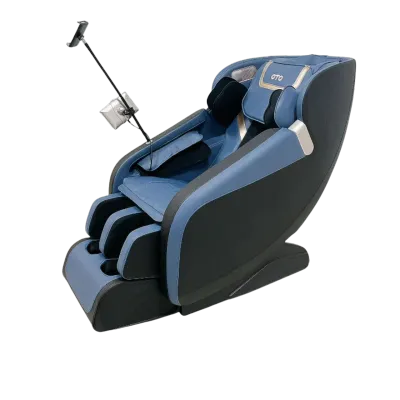
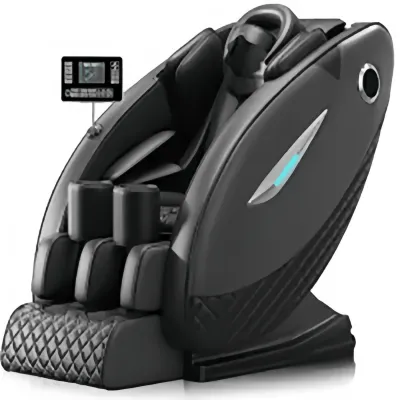
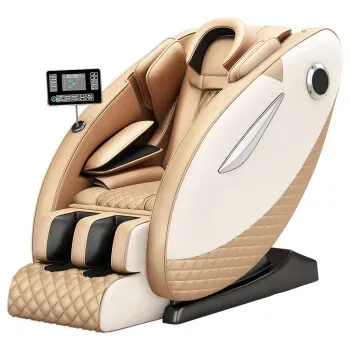
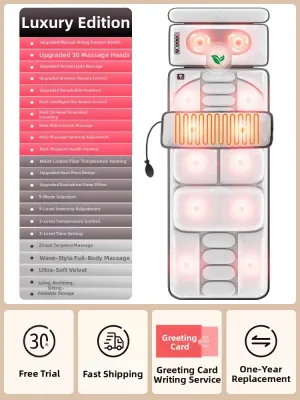
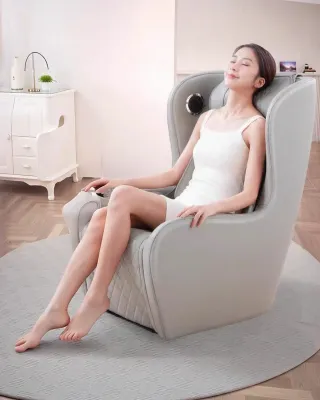
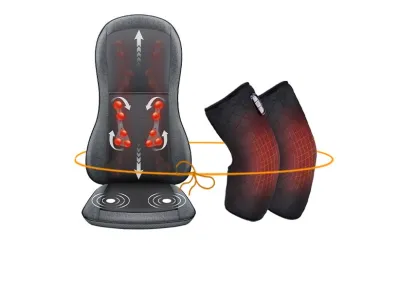
Prices are valid at publication and may change. Please refer to the product page for the latest price.
The massage mechanism itself is the core engine of the chair. Brands classify these systems using terms like 2D, 3D, or 4D rollers. A 2D system moves vertically and horizontally along the track. A 3D system adds depth, allowing the rollers to protrude forward into the muscle tissue for a deeper massage. A 4D system introduces variable speed and rhythm adjustments to mimic human hands more closely. Rather than relying on marketing terminology, which can vary widely between brands, buyers should verify the actual mechanical capabilities by reviewing the technical specifications in the product manual. Look for certified testing marks from recognized international bodies, such as TÜV SÜD or Underwriters Laboratories (UL), which confirm that the electrical and mechanical systems have undergone rigorous safety and durability testing.
Finally, the spatial footprint determines how the chair integrates into your living space. Many modern brands design chairs with “wall-hugging” or “zero-wall” clearance mechanisms, where the chair slides forward on its base as it reclines, requiring minimal space behind the backrest. Comparing these specifications across brands helps narrow down options that are physically compatible with your home. However, technical specifications only tell part of the story. It is highly recommended to visit local showrooms in Singapore to test the chairs in person. Subjective comfort, the feel of the roller intensity, and how well the chair’s ergonomics fit your specific body height and frame cannot be accurately measured on a spec sheet.
Inspecting Build Quality and Massage Features
When visiting a showroom or reviewing product details, a physical inspection of the chair’s construction can reveal a great deal about its long-term durability. Begin by assessing the frame’s stability; when the chair is in motion or when you apply weight to the armrests, there should be no noticeable flexing, swaying, or creaking. Check the manufacturer’s stated weight capacity limits, which typically range from 100 kg to 150 kg. A higher weight capacity generally indicates a more robust internal frame and motor system.

Upholstery material is another critical factor, particularly in Singapore’s warm and humid climate. Most massage chairs utilize synthetic leathers like Polyurethane (PU) or Polyvinyl Chloride (PVC) because they are flexible enough to withstand the constant stretching caused by the moving rollers. However, standard PU can degrade and peel (hydrolyze) when exposed to sweat and humidity. Ask sales representatives about the specific grade of PU used, whether it has been treated for hydrolysis resistance, and what care instructions are recommended. Inspect the stitching along the seams and joints; double-stitched seams are less likely to pull apart under the pressure of airbag inflation.
Next, compare the active massage features. Airbag compression zones are distributed along the shoulders, arms, calves, and feet to promote circulation. Verify how many independent airbag zones the chair has and whether the intensity can be adjusted separately from the roller speed. If the chair features heat therapy, check where the heating elements are located—some models offer heat only in the lumbar region, while others extend it to the calves or foot rollers.
To ensure you are getting practical value from smart features, use a simple checklist during your evaluation. Verify if the zero-gravity positioning actually achieves an angle where your knees are elevated slightly above your heart, which helps reduce spinal pressure. Test the pre-programmed massage routines to see if they offer genuine variety, and check how easy it is to customize and save your own settings using the physical remote control or the brand’s mobile application.
Evaluating Warranties and Local After-Sales Support
A full body massage chair is a complex appliance, making the brand’s warranty and local after-sales support structure a vital part of the purchase decision. When comparing brands in Singapore, do not rely solely on broad marketing claims of a “comprehensive warranty.” Request the detailed terms and conditions to see how the coverage is partitioned. A typical warranty may offer three to five years of coverage, but this is often split: for example, five years on the metal frame, two years on the electronic boards and motors, and only one year on the synthetic leather upholstery.
Understanding the local service network is equally important. Established brands with a dedicated presence in Singapore generally maintain their own team of in-house technicians and a local warehouse stocked with spare parts. This setup typically translates to faster response times and reliable service. Smaller or newer brands may outsource their servicing to third-party contractors, which can lead to longer wait times for diagnostics and repairs, especially if replacement parts must be shipped from overseas.
Furthermore, clarify the logistics of repair services. Because a massage chair can weigh upwards of 80 kg to 120 kg, a “return-to-base” policy—where the customer is responsible for transporting the chair to a service center—is highly impractical for most households. Ensure that the warranty explicitly guarantees on-site, in-home repair services. Confirm whether transport fees, labor costs, and spare parts are fully covered under the warranty period, or if diagnostic fees apply after the first year.
Verifying Space, Delivery, and Installation Requirements
Before finalizing your purchase, you must ensure that the massage chair can be safely delivered and installed in your home. Start by measuring the designated floor space in both the upright and fully reclined positions. While a chair may have a compact footprint when upright, it can extend significantly when reclined. If space is tight, look for models with wall-hugging tracks that require less than 10 cm of clearance from the rear wall.
The delivery pathway is often the most overlooked bottleneck. Measure the width and height of your apartment’s main entrance, hallway corners, and any internal doorways leading to the final room. Additionally, measure the dimensions of the lift door and the internal cabin of your building’s elevator. Many premium massage chairs require a minimum doorway clearance of 75 cm to 85 cm. If your doorways are narrower, check if the brand’s delivery team can temporarily disassemble the side panels of the chair to facilitate entry, and confirm whether this service incurs an additional fee.
Electrical safety and placement conditions are also paramount. A massage chair should be placed on a flat, level surface, ideally on a protective mat to prevent indentation or scratching on your flooring. Ensure there is a dedicated electrical wall outlet nearby. Running long extension cords across the floor creates tripping hazards and can lead to voltage drops that affect the chair’s performance. Avoid placing the chair in direct sunlight or near open windows where rain might enter, as UV exposure and moisture can accelerate the degradation of both the electronic components and the upholstery.
Decision Framework: Matching Brands to Your Priorities
To make a confident decision, match the characteristics of different brands to your specific household priorities and constraints.
- If you have limited living space: Prioritize brands that offer compact models with advanced wall-hugging technology. Verify that the fully reclined length fits comfortably within your room layout without blocking walkways.
- If multiple family members will use the chair: Choose a brand that features precise, automatic body-scanning technology. This ensures the rollers adjust accurately to different heights and shoulder widths, providing an effective massage for everyone in the household.
- If you prioritize long-term peace of mind: Focus on brands with a proven local service history in Singapore, offering comprehensive on-site warranties that cover both parts and labor for at least two to three years.
- If you are on a budget: Balance the upfront purchase cost against the long-term value. A lower-priced chair from an online marketplace may seem attractive, but if it lacks local warranty support or replaceable parts, a minor malfunction could render the entire unit unusable.
Before making your final payment, complete a pre-purchase checklist: confirm the exact delivery date and installation terms, verify that the sales agreement details the full warranty breakdown, and ensure you have personally tested the exact model in a showroom to confirm its comfort and ease of use.
Frequently Asked Questions (FAQ)
How much electricity does a full body massage chair consume?
Most full body massage chairs operate on standard household voltage and consume between 100 to 250 watts during active use, which is comparable to a desktop computer or a small home appliance. To verify the exact power draw, check the technical specification label located at the back or base of the chair. It is highly recommended to plug the chair directly into a dedicated, grounded wall socket rather than using multi-plug extension cords to ensure electrical safety and prevent power fluctuations.
Can I use a massage chair if I have a medical condition?
If you have an existing medical condition, such as osteoporosis, cardiovascular issues, pregnancy, or an implanted medical device like a pacemaker, you must consult a qualified healthcare professional before using a full body massage chair. The mechanical rollers and deep airbag compression can exert significant pressure on the body. Always review the manufacturer’s safety manual for specific contraindications and start with the lowest intensity settings to observe how your body responds.

Community discussion
Share your experience or ask a question. Comments are reviewed before publication.