
Comparing leading ergonomic office chair brands for a home office requires looking past marketing buzzwords to evaluate structural build quality, adjustability ranges, and how well a chair’s design philosophy matches your physical proportions. Because no single chair fits every body type or home setup, the right choice depends on verifying specific mechanical features, material certifications, and local support options before making an investment.
Investing in a high-quality chair is one of the most significant decisions for a daily work-from-home setup. A poorly matched chair can lead to discomfort, fatigue, and long-term posture issues, while a well-fitted model supports natural movement and maintains comfort throughout an eight-hour workday.
To find the ideal seating solution, you must establish objective comparison criteria. This guide outlines how to assess structural integrity, evaluate critical adjustment mechanisms, match design philosophies to your body type, and perform essential physical checks to ensure your chosen chair fits seamlessly into your home.
Products mentioned in this guide
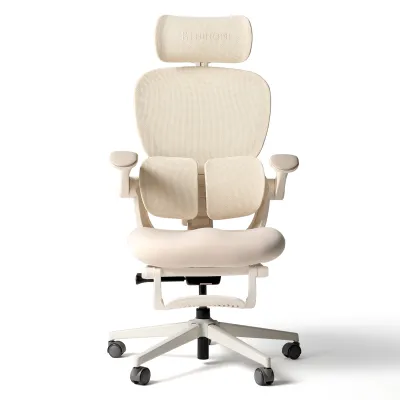
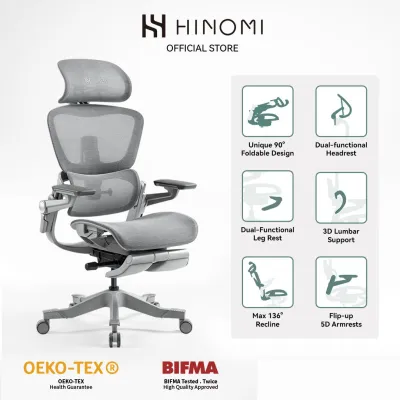
![[NEW LAUNCH] Hinomi Q2 Pro Ergonomic Office Chair Adjustable Lumbar Support Memory Foam Headrest Armrest Legrest](https://img.lazcdn.com/g/p/0b7241fcc12b459ca71f9ff200c641b3.jpg_400x400q80.jpg_.webp)
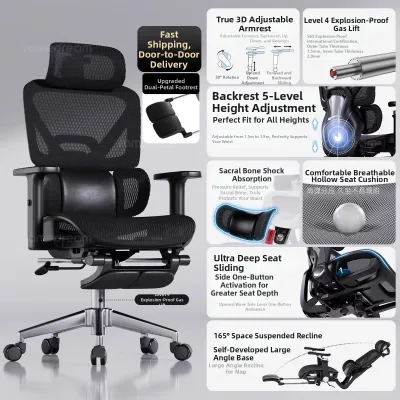
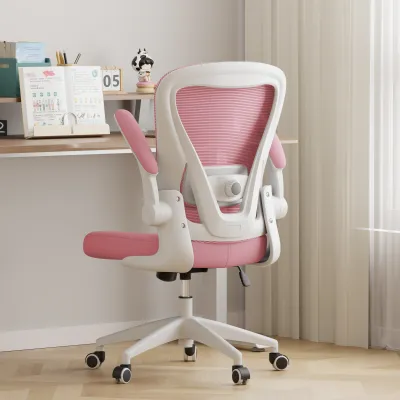
![[SG Ready Stock]Ergonomic Office Chair Computer Desk Chairs Mesh Home Office Desk Chairs with Lumbar Support](https://img.lazcdn.com/g/p/585691bae859ee8d697593367d59d085.jpg_400x400q80.jpg_.webp)
Prices are valid at publication and may change. Please refer to the product page for the latest price.
Evaluating Ergonomic Office Chairs: Core Comparison Criteria
Evaluating ergonomic chairs objectively requires focusing on observable specifications rather than subjective comfort ratings. The first step is to assess the build quality by examining the materials used in the frame, base, and joints. High-quality brands typically use reinforced metals or heavy-duty polymers that resist wear over years of daily use, backed by comprehensive warranties that indicate long-term durability.
The second criterion is the range of adjustability. An ergonomic chair must adapt to your body, not the other way around. Essential adjustments include seat height, lumbar support depth, and armrest positions, which directly affect how your body interacts with your desk and input devices. Optional features, such as tilt tension and seat depth sliders, provide additional customization for varying tasks and postures.
Finally, comfort remains a highly individual metric that depends on your unique anthropometrics and sitting habits. A chair that feels perfectly supportive for one person may cause pressure points for another due to differences in height, weight distribution, and spinal curvature. Understanding these baseline metrics allows you to compare brands systematically without relying on unverified marketing claims.
Build Quality and Structural Integrity Across Brands
To verify the durability and stability of different chair brands, start by checking the manufacturer’s specifications for weight capacity and base construction. Premium models often feature die-cast aluminum bases, which offer exceptional strength and stability without adding excessive weight. Alternatively, high-quality reinforced nylon bases provide a durable, cost-effective option, though they should be inspected for solid joint construction and thick structural ribs on the underside.

Casters and wheels are critical components that directly impact both chair mobility and home flooring. If your home office has hardwood, laminate, or vinyl flooring, look for soft polyurethane-coated casters that glide smoothly without scratching the surface. For carpeted areas, harder nylon casters are more suitable as they reduce rolling resistance and prevent the chair from sinking into the pile.
Warranty terms serve as a reliable proxy for a brand’s confidence in its product’s longevity. When comparing brands, look beyond the headline warranty number and read the specific coverage terms. A robust warranty should cover structural components, such as the frame and base, for a significant period, while also providing reasonable coverage for wear-and-tear items like mesh, fabric, and gas lifts, which are more prone to degradation over time.
Adjustability Features for Prolonged Work-From-Home Sessions
Prolonged work-from-home sessions demand highly adjustable mechanisms to support dynamic sitting and prevent static muscle fatigue. Lumbar support is the cornerstone of spinal alignment; look for systems that allow you to adjust both the height and depth of the support. This ensures the lumbar pad sits precisely in the natural curve of your lower back, preventing slouching and reducing pressure on the lumbar discs.
Armrests play a vital role in relieving strain on your neck and shoulders during keyboard and mouse usage. Evaluate the armrests based on their degrees of freedom: 2D armrests adjust for height and width; 3D armrests add depth adjustment; and 4D armrests allow for rotational pivoting. Being able to slide the armrests inward or pivot them slightly inward helps keep your elbows close to your body, maintaining a relaxed, neutral shoulder posture.
Seat depth and tilt tension are equally important for maintaining proper circulation and support. A seat depth slider allows you to adjust the distance between the backrest and the front edge of the seat pan, ensuring your thighs are fully supported without the seat pressing into the back of your knees. Meanwhile, adjustable tilt tension lets you customize the resistance of the backrest when reclining, allowing you to shift postures effortlessly throughout the day.
Comfort and Posture Support Across Different Body Types
Different brand design philosophies cater to varying body types through their choice of seating materials and structural shapes. The choice between mesh and high-density foam seating involves distinct trade-offs in breathability and pressure distribution. Mesh seats offer excellent airflow, which is particularly beneficial in warm, humid climates like Singapore, but they require a rigid outer frame that can feel restrictive if the seat width is too narrow for your frame.
High-density foam seats, on the other hand, conform more readily to your body shape, distributing weight evenly and reducing pressure points on the sit bones. However, foam can retain body heat over long hours, making the breathability of the outer fabric cover a key consideration. Check the manufacturer’s care labels to ensure the fabric is durable and easy to spot-clean in case of spills.
Taller users should pay close attention to backrest height and the availability of adjustable headrests to ensure adequate upper back and neck support. For broader or narrower body frames, seat width and edge contouring are critical. A seat with a waterfall front edge—where the front of the seat curves gently downward—helps maintain healthy blood flow in the lower legs by eliminating hard pressure points behind the knees.
Decision Framework: Matching Brand Profiles to Your Needs
To narrow down your choices, match the design profiles of different brands to your specific working habits and home environment. If your daily routine involves frequent movement, shifting between tasks, or using a sit-stand desk, prioritize brands that emphasize dynamic movement. These chairs often feature flexible backrests and synchronous tilt mechanisms that mimic the body’s natural pivot points, supporting you as you transition between upright typing and relaxed reclining.
Conversely, if your work requires long periods of intense, focused concentration where you tend to sit in a fixed position, look for brands that focus on structured, firm support. These models typically feature pronounced, adjustable lumbar systems and firmer seat cushions that encourage strict posture correction and keep your spine aligned during extended writing or programming sessions.
For limited or shared home office spaces, such as a study nook in an HDB flat or a corner of a bedroom, compact or highly customizable brands are ideal. Look for chairs with smaller base diameters or armrests that can be flipped up or slid fully down to allow the chair to tuck neatly under the desk when not in use.
Before making a final decision, verify the brand’s local support infrastructure in Singapore. Confirm whether the retailer provides professional on-site assembly, as proper mechanical setup is crucial for safety and performance. Additionally, check the return policy details and ensure there is an accessible local service center to handle any future warranty claims, replacement parts, or maintenance needs.
Essential Pre-Purchase Checks for Your Home Office Space
Before purchasing any ergonomic chair, you must perform precise physical checks to ensure it fits both your body and your home office space. Start by measuring your desk clearance with a tape measure. Note the height from the floor to the underside of the desktop, as well as the width between the desk legs, to guarantee that the chair’s armrests and base can slide fully underneath when you step away.
Next, verify the delivery dimensions against the physical constraints of your building. If you live in an HDB flat or a condominium, measure the height and width of the elevator doors, common corridors, and your front doorway. This step is especially critical if you purchase a fully assembled chair, as bulky packaging can easily lead to delivery failures or require difficult maneuvers up staircases.
Finaly, map out the chair’s maximum footprint in your designated workspace. Account for the full diameter of the caster base and the extra clearance required when the chair is fully reclined. Ensure that moving the chair back and forth will not obstruct walkways, block wardrobe doors, or scuff nearby walls and furniture, preserving a functional and comfortable home environment.
Frequently Asked Questions (FAQ)
Do I need a headrest for daily work-from-home use?
A headrest is not a mandatory ergonomic feature for everyone, as its utility depends entirely on your primary working postures. During active, upright tasks like typing or writing, your head should remain balanced over your spine without resting against a support. Therefore, if you spend the majority of your day in an active, forward-facing posture, a headrest may go completely unused.
However, if your daily routine includes frequent virtual meetings, reading sessions, or phone calls where you prefer to recline, a headrest provides valuable support for your neck muscles. If you choose a model with a headrest, ensure it offers height and angle adjustments so you can align it precisely with the cervical curve of your neck rather than pushing your head forward.
How should I maintain the mesh and moving parts of my chair?
Regular maintenance is essential to preserve the structural integrity and smooth operation of your ergonomic chair. For mesh or fabric surfaces, check the manufacturer’s product label for approved cleaning methods; vacuuming with a soft brush attachment is generally safe for removing dust and debris, while mild upholstery cleaners can be used for spot-cleaning. Avoid harsh chemical solvents that could degrade the synthetic fibers or weaken the mesh tension.
For the mechanical components, perform a visual check every few months to ensure all screws and bolts remain tight, especially around the armrests and seat mechanism. Keep the casters free of hair, dust, and carpet fibers by wiping them down periodically, and consult the manufacturer’s guidelines before applying any lubricants to the gas lift or tilt mechanism to avoid damaging the internal seals.
Community discussion
Share your experience or ask a question. Comments are reviewed before publication.