
Choosing the right inflatable bolster in Singapore depends on your specific lifestyle needs, space constraints, and comfort preferences. Because no single brand or model fits every scenario, selecting the ideal option requires matching the material and inflation design to your primary use case.
To simplify your decision, consider the following framework:
- Choose a TPU (Thermoplastic Polyurethane) bolster with a flocked surface if you prioritize lightweight portability, skin breathability in Singapore's humid climate, and silent movement during the night.
- Choose a heavy-duty PVC bolster with a built-in foot or electric pump if you plan to use it as a semi-permanent lounging support on your sofa or bed and want quick, hassle-free setup without searching for external accessories.
- Choose a compact, manual-valve bolster if you require a space-saving option for occasional guest use or travel, allowing you to pack it away easily in tight HDB storage spaces.
Before purchasing, always verify the manufacturer’s specified weight capacity and material thickness rather than relying on general marketing claims.
Products mentioned in this guide
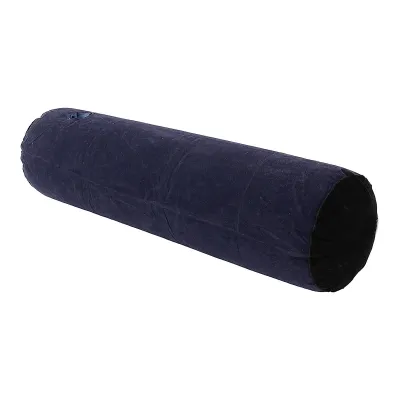
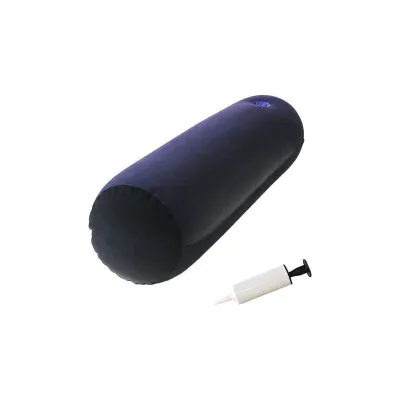
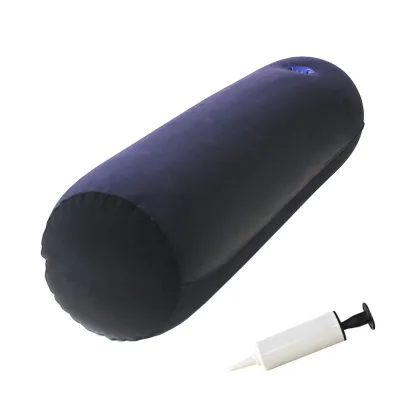
![[SG][FREE SHIP] Inflatable Travel Pillow Bolster Deflatable Velvet Feel Comfortable To Hug Lie Sleep On Convenient Easy To Carry](https://img.lazcdn.com/g/ff/kf/Se494318b3a0c457288947da24a7c23e5F.jpg_400x400q80.jpg_.webp)
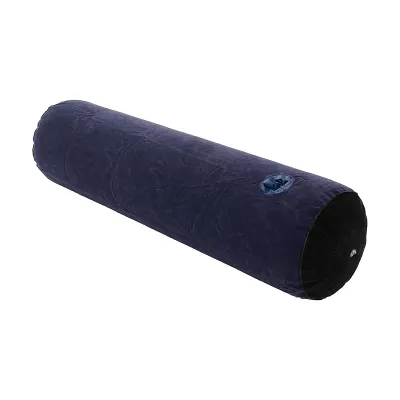
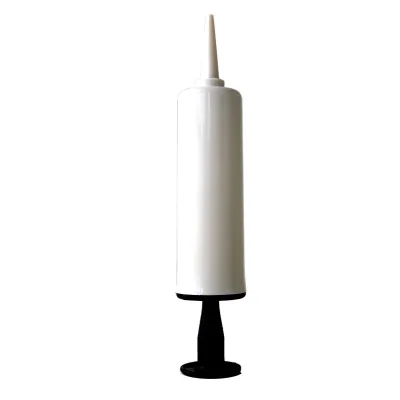
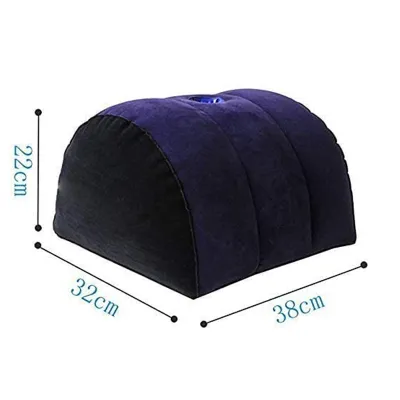
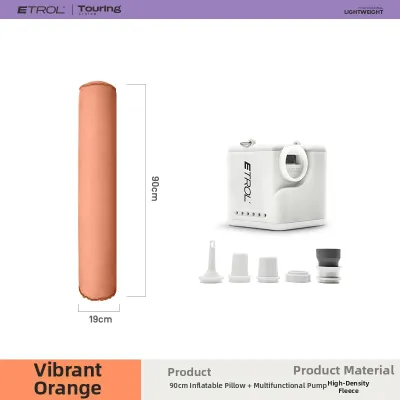
Prices are valid at publication and may change. Please refer to the product page for the latest price.
Core Comparison Dimensions for Inflatable Bolsters
To make an informed choice among the various options on the market, you must evaluate three primary technical dimensions: material composition, inflation mechanisms, and internal structural design.
Material Composition Most inflatable bolsters are constructed from either Polyvinyl Chloride (PVC) or Thermoplastic Polyurethane (TPU). PVC is highly common, affordable, and robust, but it can feel stiff and retain heat, which is a significant consideration in Singapore’s warm climate. TPU is more flexible, lighter, less prone to temperature-induced stretching, and generally more environmentally friendly, though it often comes at a higher price point. The outer surface treatment also matters; a flocked or brushed suede finish prevents the plastic from sticking to your skin and helps keep bedsheets in place, whereas a bare plastic surface is easier to wipe clean but can feel hot and noisy.
Inflation and Deflation Mechanisms The convenience of an inflatable bolster is heavily influenced by how it inflates. Models with built-in pumps (either manual foot pumps or integrated electric pumps) offer maximum convenience but add weight and bulk. Manual valves, such as one-way Boston valves or simple pinch valves, require an external pump or manual lung power. When comparing options, look for double-lock valve systems that prevent air from escaping during the inflation process and ensure a tight seal during use.
Structural Design An inflatable bolster should maintain its cylindrical shape under pressure rather than bulging in the middle. High-quality models utilize internal structural supports, such as coil beams or I-beam constructions, which run horizontally or vertically inside the chamber. These internal baffles distribute air pressure evenly, ensuring the bolster provides consistent support along its entire length and does not roll or warp when you rest your limbs on it.
How to Verify Durability and Material Quality
Because you cannot always test an inflatable bolster’s long-term durability at the point of purchase, you must rely on observable physical characteristics and manufacturer specifications to verify quality.

Seam and Valve Inspection The seams are the most common failure points on any inflatable product. When inspecting a bolster, look for wide, heat-welded seams rather than simple glued edges. Welded seams fuse the material together, creating a bond that is less likely to split under pressure. Additionally, examine the valve housing; it should be securely molded into the body of the bolster with reinforced surrounding material to prevent slow leaks at the connection point.
Weight Capacity and Thickness Do not rely on vague marketing terms like “heavy-duty” or “puncture-proof.” Instead, check the technical specifications for the material’s thickness, often measured in millimeters (mm) or denier (D). A thicker material (such as 0.4 mm PVC or higher) offers significantly better resistance to stretching and accidental punctures. Cross-reference this thickness with the manufacturer’s stated weight capacity to ensure the bolster can comfortably support your body weight during sleep or lounging without bottoming out.
Puncture and Tear Resistance If you have pets or plan to use the bolster on various surfaces, look for models featuring multi-layer construction or reinforced bases. Some premium options include a puncture-resistant laminate layer that protects the inner air chamber from sharp objects. While no inflatable bolster is entirely immune to sharp claws or rough floorboards, choosing a model with a reinforced outer shell provides an extra layer of security and extends the product’s overall lifespan.
Evaluating Comfort and Ergonomic Support
An inflatable bolster must do more than hold air; it must provide comfortable physical support that aligns with your body’s natural posture.
Firmness Adjustability One of the greatest advantages of an inflatable bolster is the ability to customize its firmness. By adjusting the volume of air inside, you can transition from a rock-hard support to a soft, yielding cushion. To achieve this level of customization, look for models equipped with micro-adjustment valves that allow you to release tiny amounts of air slowly, helping you find the exact level of support that keeps your hips and spine aligned.
Surface Texture and Breathability In Singapore’s humid environment, heat retention is a critical comfort factor. Smooth plastic surfaces trap sweat and can feel uncomfortably warm against bare skin. Opting for a bolster with a flocked or suede-like top surface improves breathability by creating a micro-barrier of air between your body and the plastic. This textured surface also prevents the bolster from sliding around on your bedsheets, ensuring a quieter and more stable sleep experience.
Size and Proportion Before purchasing, measure your bed or sofa to ensure the bolster’s finished dimensions fit your available space. A bolster that is too long may overhang the edges of a standard Singapore single or queen-sized mattress, while one with too large a diameter can push your legs or arms into an unnatural, uncomfortable angle. Ensure there is sufficient clearance around your sleeping area so the bolster does not crowd your space or restrict your movement.
Maintenance and Care for Extended Lifespan
Proper maintenance is essential to preserve the air retention and material integrity of your inflatable bolster over time.
Cleaning Protocols To clean your bolster, wipe the surface gently with a damp cloth and a mild soap solution. Avoid using harsh chemical cleaners, alcohol-based sanitizers, or abrasive scrubbing pads, as these can degrade the PVC or TPU material and weaken the heat-welded seams. Always allow the bolster to air dry completely in a well-ventilated indoor space before deflating or storing it, as trapped moisture can lead to mold and mildew growth.
Storage Conditions When not in use, fully deflate the bolster and fold it loosely rather than creasing it tightly. Store the deflated bolster in a cool, dry place away from direct sunlight, which can cause the plastic to become brittle and prone to cracking. In Singapore’s humid climate, storing the bolster in a breathable storage bag rather than an airtight plastic container helps prevent moisture buildup and preserves the material’s flexibility.
Leak Detection and Patching If you notice your bolster losing air overnight, you can locate the leak using a simple soapy-water test. Inflate the bolster fully and spray or wipe a mixture of water and mild dish soap over the surface, paying close attention to the seams and the valve. Bubbles will form at the exact location of the escape point. Once identified, dry the area thoroughly and apply a manufacturer-approved repair patch, ensuring you follow the specific curing times before inflating the bolster again.
Frequently Asked Questions (FAQ)
Can I use an inflatable bolster every night for long-term sleep support?
While inflatable bolsters are highly convenient for travel, guest rooms, or temporary lounging, they generally have ergonomic limitations compared to solid memory foam or fiberfill bolsters. Air-filled supports do not contour to the body in the same way as traditional materials, which can affect spinal alignment over extended periods of daily use. If you choose to use one long-term, monitor the bolster for gradual air loss, as even high-quality valves can experience micro-leaks over time, reducing the support level during the night. Always check the manufacturer’s guidelines regarding continuous daily use.
How do I prevent an inflatable bolster from sliding off a smooth bedsheet?
Inflatable bolsters can easily slide off smooth bedsheets due to their lightweight nature and low-friction surfaces. To prevent this, look for models that feature a flocked, textured, or suede-like exterior on both the top and bottom surfaces. Alternatively, you can place the bolster directly under your fitted mattress sheet to lock it securely in place, or use a non-slip mattress pad underneath the bolster to create friction and prevent it from shifting during the night.
Is it safe to use an electric pump to inflate my bolster?
Yes, using an electric pump is generally safe, provided you verify that the pump’s nozzle matches the bolster’s valve size and that the voltage is compatible with your local power outlets. However, you must monitor the inflation process closely to prevent over-inflation, which puts excessive stress on the welded seams and can cause permanent bulging or popping. Stop inflating when the bolster is firm to the touch but still retains a slight, visible give when you press your hand into the center.
Community discussion
Share your experience or ask a question. Comments are reviewed before publication.