
Finding the ideal high back chair for long hours of gaming or desk work requires looking past flashy brand logos and aesthetic designs. While many popular brands market their chairs as the ultimate ergonomic solution, the actual support you experience depends heavily on how well the chair’s physical dimensions align with your body. A high back chair is specifically engineered to support the entire length of your spine, but if the headrest or lumbar support sits even a few centimeters too high or too low, it can lead to muscle strain rather than relief. To make an informed decision, you must evaluate key structural specifications, such as backrest height, headrest adjustability, and internal frame materials, rather than relying on generic marketing claims.
Quick Verdict: Choosing the Right High Back Chair
The search for the perfect high back chair is highly individual, as the optimal model is determined by your unique physical dimensions and specific build requirements. There is no single brand that fits every user perfectly; instead, the right choice depends on matching the chair’s backrest height and headrest adjustability directly to your torso length and seated height.
For taller users, the priority must be verifying the exact backrest measurements and ensuring the headrest offers multi-directional adjustments to prevent the support cushion from pushing against the shoulders. Conversely, if your primary concern is long-term durability and preventing the seat from sagging over years of daily use, you must look beyond the surface upholstery to verify the density of the internal foam and the material composition of the frame. Before committing to a purchase, always consult the manufacturer’s official specification sheets to cross-reference the exact dimensions, weight capacities, and recommended user heights with your own measurements.
Products mentioned in this guide
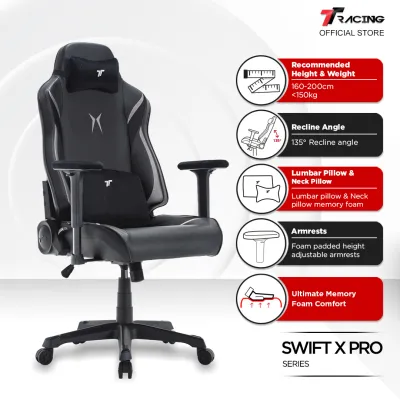
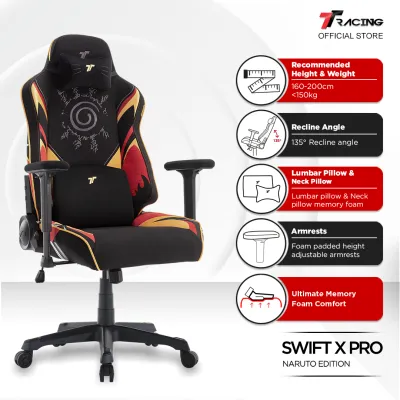
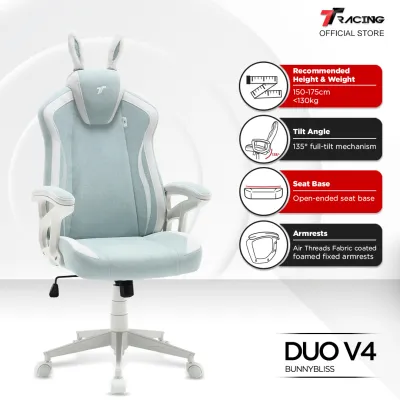

![Ergoseat - [New Arrival] Wing High Back Ergonomic Office Chair S-Curved Back Rest Best for Long Hour Use](https://img.lazcdn.com/g/p/935196dfdf41b06daffc0e3d60a1d2df.jpg_400x400q80.jpg_.webp)
![Ergoseat - [FREE ASSEMBLY] MESH-X Ergonomic Office Chair | High Back Mesh Chair with Lumbar Support & Adjustable Armrest With 2 Years Warranty](https://img.lazcdn.com/g/p/2b40c6f395e9cb463473eacfe104798f.jpg_400x400q80.jpg_.webp)
Prices are valid at publication and may change. Please refer to the product page for the latest price.
Core Dimensions for Comparing High Back Support
When comparing different gaming chair brands, evaluating the effectiveness of a high back chair requires looking at specific, measurable design elements. Many brands use the term “high back” as a generic marketing label, but the actual level of neck and head support varies significantly between models. To find a chair that truly supports your posture during extended sessions, you need to understand the mechanics of backrest design and headrest integration.

Backrest Height and Shoulder Clearance
A functional high back chair must extend fully past your shoulders to provide a stable foundation for your upper back, neck, and head. If a backrest is too short, your head and neck are left unsupported, which forces your cervical spine to bear the weight of your head without assistance. When shopping for a new chair, do not rely on promotional photos; instead, locate the technical drawing on the manufacturer’s website and check the exact backrest height in centimeters.
The shape of the backrest is just as critical as its height. Many gaming chairs feature a “racing-style” bucket design with flared shoulder wings. While this aesthetic is popular, pronounced shoulder wings can restrict your shoulder width and push your shoulders forward, leading to a hunched posture. If you have broader shoulders or prefer more freedom of movement, look for a high back chair with a wider, flatter backrest taper that allows your arms to move freely without constant contact with the frame.
Headrest Adjustability and Neck Alignment
The headrest is the defining feature of a high back chair, yet brands approach its design in vastly different ways. Many entry-level and mid-range gaming chairs rely on external, strap-on pillows filled with standard synthetic batting or memory foam. While these pillows offer a soft initial feel, they are prone to sliding out of place and often fail to provide consistent support to the cervical spine.
In contrast, premium high back chairs frequently feature integrated, mechanically adjustable headrests that can be shifted up, down, forward, and backward. This multi-directional (often referred to as 3D or 4D) adjustability is crucial for aligning the support structure with the natural inward curve of your neck. A properly adjusted headrest should cradle the hollow of your neck, allowing your neck muscles to relax completely. While memory foam pillows can be a comfortable temporary addition, a mechanical adjustment system is inherently more durable and ensures the support remains locked in the correct position over years of use.
Evaluating Build Quality and Long-Term Durability
A chair that feels comfortable in a showroom may not hold up to the rigors of daily use if its internal components are substandard. Evaluating build quality requires looking beneath the upholstery to assess the structural integrity of the frame, the base, and the cushioning materials. Investing in a high back chair with robust construction ensures both your safety and the longevity of your purchase.
Frame Materials and Weight Capacity
The internal frame is the backbone of any high back chair, dictating its structural stability and weight capacity. High-quality models typically utilize a steel-reinforced frame, often constructed from tubular steel with welded joints, which provides a rigid structure that resists bending or warping over time. In contrast, cheaper alternatives may use thin-walled steel, plastic connectors, or even engineered plywood cores, which are far more susceptible to structural failure under consistent load.
To gauge the overall sturdiness of a chair, cross-reference the manufacturer’s stated weight capacity with the chair’s net weight and the material of its base. A heavy chair paired with an aluminum star base generally indicates a more robust construction than a lightweight chair with a nylon or plastic base. Always adhere strictly to the manufacturer’s stated weight limits and assembly instructions, as exceeding these limits or failing to tighten fasteners correctly can compromise the chair’s stability, void your warranty, and pose a safety risk.
Upholstery and Foam Density
The choice of upholstery material directly impacts both the durability of the chair and your daily comfort, particularly in Singapore’s warm and humid climate. Polyurethane (PU) leather is a common choice due to its sleek appearance and ease of cleaning, but standard PU can trap heat and moisture, leading to peeling and cracking over time. If you opt for PU leather, look for breathable, perforated variants, or consider high-quality fabric or mesh alternatives that promote airflow and keep you cool during long sessions.
Beneath the upholstery, the type of foam used determines how well the chair retains its shape. High-density, cold-cure molded foam is the industry standard for premium seating because it is manufactured in a closed mold, resulting in a dense, supportive cushion that resists flattening out even after years of continuous pressure. Standard cut polyurethane foam, while cheaper, contains more air pockets and tends to sag quickly, reducing the support provided to your thighs and lower back. To ensure proper maintenance, always check the care labels and material tags for specific cleaning instructions, as using harsh chemicals on certain fabrics or synthetic leathers can accelerate material degradation.
Matching Chair Specifications to Your Body Type
Even the most expensive, high-quality high back chair will fail to provide ergonomic benefits if it is poorly matched to your physical dimensions. Ergonomics is entirely about fit, and a chair that is perfect for one user may cause discomfort for another. To avoid the physical strain associated with an ill-fitting chair, you must take precise measurements of your body and compare them directly to the manufacturer’s recommended specifications.
The primary risk of using a chair that is too tall for your torso is that the headrest or neck pillow will sit too high, pushing against the back of your skull and forcing your head forward into an unnatural, chin-down position. This posture places immense strain on the cervical spine and upper back muscles. Conversely, if the chair is too short, the headrest will rest against your shoulder blades, preventing your back from making full contact with the backrest and rendering the high back design useless.
To prevent these issues, measure your seated shoulder height—the distance from your seat cushion to the top of your shoulders—and compare this measurement to the chair’s backrest dimensions. Ensure that the headrest’s adjustment range spans the height of your neck when you are seated in a relaxed, upright posture. Additionally, check the manufacturer’s recommended height and weight ranges, keeping in mind that these are guidelines; verifying the exact physical dimensions of the seat depth, seat width, and backrest height is the most reliable way to guarantee a proper fit.
Decision Framework: Which High Back Chair to Choose?
To simplify your purchasing decision, use this structured framework to match your specific needs, body type, and environment to the right high back chair specifications.
- Choose a chair with an integrated 4D headrest if you are taller than average, require precise cervical spine alignment, and want to avoid the shifting and sagging associated with strap-on pillows during long gaming or working sessions.
- Choose a model with high-density cold-cure foam and mesh or breathable fabric upholstery if you live in a warm, humid climate like Singapore, prioritize long-term shape retention, and want to prevent heat buildup and material peeling.
- Neither option may fit if your seated shoulder height does not align with the chair's backrest dimensions, or if the seat depth is too long, preventing your knees from bending comfortably at a 90-degree angle while your back is fully supported.
Verify first if… Before finalizing your purchase, verify that you have sufficient space in your room for the chair’s full range of motion, including reclining and armrest adjustments. Ensure that the chair can fit through your doorways and lift access if you live in a high-rise apartment. Finally, review the retailer’s local return policy and warranty terms, as being able to exchange or return a chair that does not fit your body is a crucial safety net when buying furniture online. Remember that brand reputation and aesthetic appeal should never supersede the verification of physical specifications and personal ergonomic fit.
Frequently Asked Questions (FAQ)
Is a high back chair necessary for shorter gamers?
A true high back chair is often unnecessary and can sometimes be counterproductive for shorter users. If the backrest is too tall, the built-in headrest or neck support may sit too high, pushing the head forward or resting uncomfortably against the back of the head rather than the neck. Shorter individuals should look for high back models specifically designed for smaller frames, chairs with highly adjustable or removable headrests, or consider mid-back ergonomic chairs that allow for natural neck movement without forcing an awkward posture.
How do I know if the headrest is at the right height?
The headrest is at the correct height when it cradles the natural inward curve of your cervical spine, which is the hollow area directly above your shoulders and below your skull. It should provide gentle support when you lean back, without pushing your head forward or forcing your chin down toward your chest. To verify this, sit upright with your feet flat on the floor and your back fully against the backrest; if the headrest rests against your upper back or the top of your head, adjust it vertically until it aligns perfectly with the curve of your neck.

Community discussion
Share your experience or ask a question. Comments are reviewed before publication.