
Comparing a Hecom sofa to other leather sofa brands in Singapore requires a systematic evaluation of material specifications, internal frame construction, and post-purchase support. Because brand names alone do not guarantee durability or comfort, the best comparison method involves verifying the exact leather grades, cushion densities, and structural warranties offered by each manufacturer. By matching these physical details against your specific living room layout, budget, and maintenance preferences, you can determine whether Hecom or an alternative brand offers the right balance of quality and value for your home.
Define Your Leather Sofa Priorities and Budget
Before stepping into a showroom or browsing online catalogs, establish your household’s non-negotiable criteria. A leather sofa is a long-term investment, and its primary role in your home dictates the level of durability you require. For instance, a sofa intended for daily family lounging demands highly resilient cushions and easy-to-clean upholstery, whereas a piece for a formal sitting area might prioritize sleek design lines and delicate, premium leather finishes.
Setting a clear budget range in S$ is the next critical step. Leather sofas in Singapore span a wide price spectrum, from entry-level options under S$1,500 to premium designer pieces exceeding S$8,000. Deciding early whether you want to allocate your budget toward premium natural materials or larger modular configurations will immediately narrow your options and prevent impulse decisions.
Products mentioned in this guide
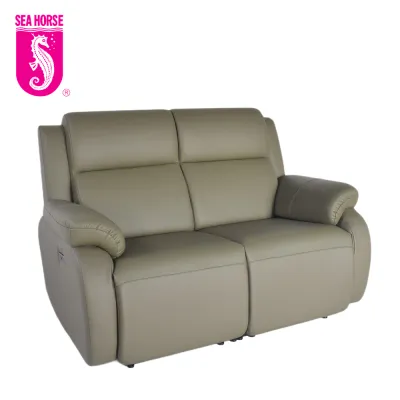
Prices are valid at publication and may change. Please refer to the product page for the latest price.
Finally, measure your living space meticulously. In Singapore’s typical high-rise apartments, every centimeter counts. You must determine not only the maximum footprint the sofa can occupy but also the clearance needed for walkways, doors, and existing furniture. Filtering out models that do not fit your physical space constraints early in the comparison process saves time and ensures you only evaluate viable candidates.
Compare Leather Grades and Upholstery Transparency
When comparing a Hecom sofa to other brands, the most significant factor influencing both price and longevity is the grade of leather used. Do not rely on vague marketing terms like “premium luxury leather.” Instead, actively check the product specifications, labels, or ask the sales representative for the precise technical classification of the upholstery.

The highest tier is full-grain leather, which retains the natural hide’s original surface and develops a unique patina over time. It offers exceptional breathability, making it highly comfortable in Singapore’s humid climate, though it requires regular conditioning and is more susceptible to marking. Top-grain leather is slightly corrected to remove imperfections, offering a more uniform appearance and enhanced stain resistance while retaining excellent durability. Corrected-grain and bonded leathers are lower-tier options that are heavily processed, often featuring a synthetic top layer that is easier to wipe clean but prone to peeling or cracking over years of use.
Another crucial point of comparison is whether the sofa is “full leather” or “half leather.” Many brands utilize a half-leather configuration to keep costs down. This means genuine leather is used only on the contact areas—such as the seats, backrests, and armrests—while matching synthetic vinyl is applied to the sides and back panels. Always verify the exact material breakdown of any sofa you consider, as full-leather models offer superior aging consistency across the entire piece but come at a higher price point.
Evaluate Frame Construction and Seating Comfort
The longevity of a leather sofa depends heavily on what lies beneath the upholstery. When comparing Hecom with other brands, inquire about the internal frame construction. High-quality sofas typically feature frames made from kiln-dried hardwoods, such as birch, oak, or beech. The kiln-drying process removes moisture from the wood, preventing it from warping, cracking, or bowing over time. Avoid frames constructed primarily from untreated softwoods, plywood, or particleboard, as these materials are highly susceptible to structural failure under regular weight loads.
Next, examine the suspension system, which determines how well the sofa distributes weight and resists sagging. Sinuous springs—S-shaped steel wires running across the frame—provide a firm, bouncy support system that holds up well over years of daily use. Alternatively, high-tensile elastic webbing offers a quieter, slightly softer sit, but it must be tightly woven and securely fastened to prevent premature stretching. Some premium brands combine both systems to optimize comfort and structural integrity.
Cushion filling is the final component of seating comfort. High-resilience polyurethane foam is the industry standard for durable support, as it quickly regains its shape after use. Look for foam density specifications; higher density generally correlates with better shape retention. If you prefer a softer, more luxurious “sink-in” feel, look for cushions wrapped in a down feather or polyester fiber blend. Keep in mind that feather-filled cushions require regular fluffing to maintain their loft, whereas pure high-density foam offers a low-maintenance, firmer seating experience.
Assess Design, Dimensions, and Space Fit
A sofa must harmonize with both your physical living room layout and your interior design aesthetic. When comparing a Hecom sofa to other market alternatives, look closely at the overall dimensions, including seat depth and armrest width. Wide, chunky armrests offer a modern, grounded look but consume valuable seating space, which can make a small living room feel cramped. Conversely, slim armrests maximize the usable seating area within a compact footprint, making them highly practical for smaller apartments.
Consider the modular flexibility of each brand’s offerings. If your living room layout is unconventional, look for brands that offer modular configurations, reversible chaises, or customizable sectional pieces. Additionally, pay attention to the leg height and clearance. Sofas with high, slender legs create an airy, spacious feel by exposing more floor area and allow easy access for robotic vacuums to clean underneath. Low-slung, block-leg designs offer a more classic, substantial presence but require manual cleaning around the base.
Aesthetic details also serve as indicators of overall craftsmanship. Examine the consistency of the leather color across different panels and inspect the stitching lines. Double-stitched seams or French seams not only add a refined visual detail but also reinforce the joints against tension. Compare the design silhouettes—whether you prefer a sleek, minimalist Scandinavian look, a classic Chesterfield, or a plush, transitional style—to ensure the sofa complements your existing home decor.
Review Warranties, Delivery, and Aftercare Terms
The purchase process does not end when you pay at the counter; post-purchase terms are vital to protecting your investment. Carefully read the fine print of the warranty offered by Hecom and its competitors. A robust warranty typically separates coverage into different tiers: a long-term warranty (often 5 to 10 years) for the internal wooden frame, a mid-term warranty (2 to 5 years) for the suspension and mechanism, and a shorter warranty (1 to 2 years) covering the leather upholstery against manufacturing defects. Be aware that natural wear and tear, stretching, and color fading are almost never covered by standard warranties.
Logistics can significantly impact your total cost and experience. In Singapore, delivery challenges are common due to tight elevator doors, narrow corridors, and staircase-only access in certain properties. Verify each brand’s delivery policies, including additional fees for walk-up stairs, tight-squeeze handling, and the disposal of your old sofa. Some brands include professional assembly and white-glove delivery in their base price, while others charge these as separate add-ons.
Finally, clarify the recommended aftercare routines. Leather requires specific maintenance to prevent drying and cracking, especially in air-conditioned environments that strip moisture from the air. Check if the manufacturer specifies particular cleaning products or leather conditioners. Using unapproved chemical cleaners can strip the protective topcoat of the leather and, in many cases, void your warranty entirely.
Decision Framework: Choosing Between Hecom and Alternatives
To finalize your decision, use a structured framework that weighs verified specifications against your personal household needs.
Choose a Hecom sofa if: Their verified leather grade, frame specifications, and physical dimensions align perfectly with your living room layout and your allocated S$ budget. If you find a specific Hecom model that offers the exact seating firmness you prefer, fits comfortably through your home’s entryways, and comes with transparent warranty terms that match your usage expectations, it represents a highly viable option.
Choose a competing brand if: An alternative manufacturer provides greater transparency regarding their leather sourcing, offers a modular configuration that better fits your room’s flow, or provides superior local aftercare support. If another brand offers a longer frame warranty or includes complimentary old-sofa disposal that simplifies your transition, these logistical advantages may outweigh minor price differences.
Delay your purchase or request physical swatches if: You are uncertain about how a specific leather color or texture will look under your home’s lighting, or if the technical specifications of the frame and cushion density are not clearly documented. Taking the time to request physical leather samples, measure your doorways once more, or clarify warranty clauses with customer service will prevent costly buyer’s remorse and ensure your leather sofa remains a comfortable centerpiece for years to come.
Frequently Asked Questions (FAQ)
How can I physically verify the leather quality in a showroom?
When visiting a furniture showroom in Singapore, you can perform a few simple, non-destructive tests to assess the authenticity and quality of the leather. First, closely observe the surface under good lighting. Genuine top-grain or full-grain leather will display natural, irregular pore structures, insect bites, or neck wrinkles, whereas synthetic or heavily corrected leather typically features a perfectly uniform, repeating embossed pattern.
Next, place your warm hand flat against the leather surface for a few seconds. Genuine leather is highly breathable and will quickly adapt to your body temperature, feeling warm and natural. Synthetic materials or heavily coated leathers tend to feel cold, plasticky, and may cause your skin to sweat slightly due to the lack of breathability.
Finally, take a moment to smell the sofa up close. Genuine leather has a distinct, rich, and earthy aroma that is pleasant and natural. If you detect a sharp, chemical, or plastic-like odor, the material has likely been heavily treated with synthetic finishes or is entirely faux leather, which will not age with the same grace and durability as the real material.
Community discussion
Share your experience or ask a question. Comments are reviewed before publication.