
Selecting a glass cabinet in Singapore requires balancing aesthetic display needs with structural safety and environmental durability. While budget-friendly flat-pack options are widely accessible, premium custom-built units offer superior load capacities and tailored dimensions. The key to finding the right balance lies in evaluating physical specifications—such as glass thickness, frame materials, and hardware durability—rather than relying solely on brand reputation. By understanding what to look for, you can find a cabinet that safely showcases your valuables while resisting the challenges of Singapore’s humid climate.
Key Dimensions for Evaluating Glass Cabinet Build Quality
Glass is the defining element of these cabinets, making its safety and load-bearing capacity paramount. Always verify whether the cabinet uses tempered glass or standard annealed glass. Tempered glass is significantly stronger and, if broken, disintegrates into small, relatively harmless granular pieces rather than sharp shards. For side panels and doors, a thickness of 4mm to 5mm is standard and generally sufficient. However, for the horizontal shelves that bear the weight of your items, look for a minimum thickness of 6mm. If you plan to display heavy glassware, books, or dense collectibles, opt for shelves that are 8mm thick to prevent bowing or sudden failure.
The frame provides the structural backbone of the cabinet, and its material composition directly impacts longevity. In Singapore’s humid tropical climate, material selection is critical. Powder-coated steel or aluminum frames are excellent choices because they resist rust and maintain structural integrity without warping. If you prefer wood, solid hardwoods like teak or oak are highly durable but must be properly sealed to resist moisture absorption. Engineered wood, such as Medium-Density Fibreboard (MDF) or particleboard, is common in budget and mid-range options. When choosing engineered wood, inspect the edge banding closely; poorly sealed edges can absorb atmospheric moisture, leading to swelling, peeling, and structural weakening over time.
Products mentioned in this guide
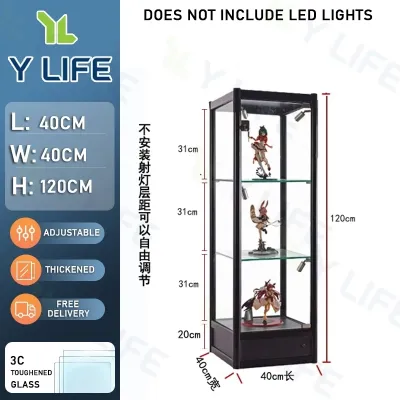
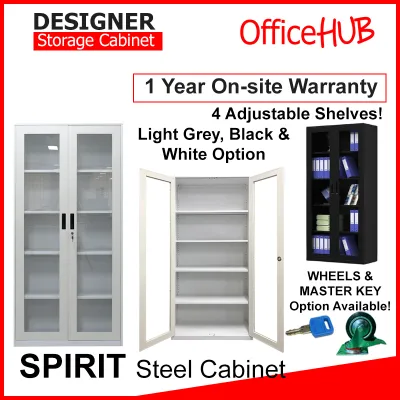
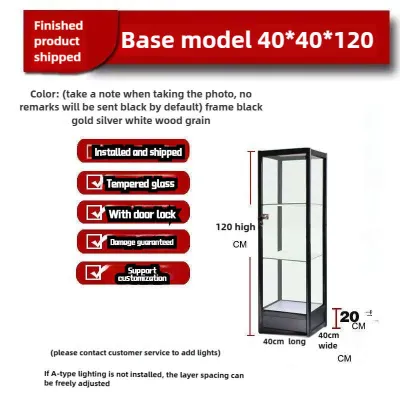
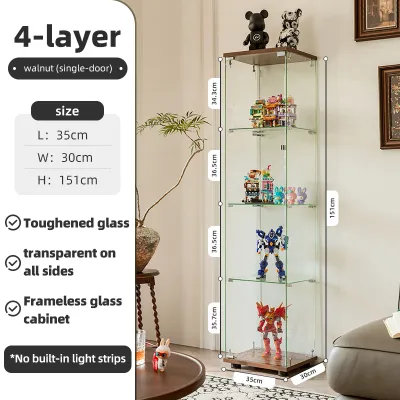
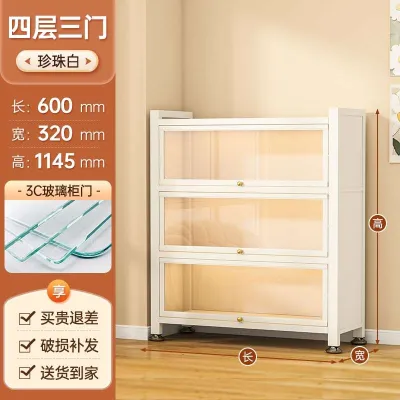
![[FREE INSTALLATION] KENZZO :Belly Glass Door Display Cabinet /book shelf/ filing cabinet/ wardrobe](https://img.lazcdn.com/g/p/ef0152d394d3bae692e449cb326dcb39.jpg_400x400q80.jpg_.webp)
Prices are valid at publication and may change. Please refer to the product page for the latest price.
Hardware is often the first component to fail on a glass cabinet. High-quality hinges, sliding tracks, and handles ensure smooth operation and keep the glass panels securely aligned. Look for soft-close hinges on swinging doors, as they prevent the glass from slamming against the frame, reducing the risk of micro-fractures. For cabinets with sliding doors, inspect the tracks to ensure they are made of durable metal rather than thin plastic, which can crack or warp under the weight of the glass. Additionally, magnetic catches or lockable latches should engage smoothly without requiring excessive force that could shake the cabinet.
Understanding Price Tiers and What They Typically Include
In the budget price bracket (typically under S$200), cabinets are usually constructed from lightweight materials, such as thin engineered wood or basic metal frames, paired with standard 4mm glass. These units are typically sold as flat-packs requiring self-assembly. While highly affordable and suitable for displaying lightweight items like plush toys, plastic figurines, or small trophies, they often have lower weight capacities per shelf (typically under 5kg). The hardware in this tier is basic, meaning doors may require periodic realignment, and the overall structure may wobble slightly if not anchored securely to a wall.

The mid-range tier (typically S$200 to S$800) represents the sweet spot for most Singaporean households, offering a substantial upgrade in material quality and stability. Cabinets in this range generally feature tempered glass panels with a thickness of 5mm to 6mm, supported by sturdier powder-coated steel frames or high-quality veneered MDF. The hardware is noticeably smoother, often incorporating soft-close mechanisms, magnetic latches, and adjustable shelf heights. These cabinets are designed for daily use in living rooms or dining areas and can comfortably support heavier items like ceramic dinnerware, liquor bottles, or moderate book collections.
Premium glass cabinets (typically above S$800) are characterized by exceptional craftsmanship, high-end materials, and specialized features. At this level, you can expect heavy-duty tempered glass shelves (often 8mm or thicker), frames made of premium solid hardwoods or architectural-grade anodized metals, and precision-engineered European hardware. Many premium options offer integrated low-heat LED lighting, dust-proofing seals, lockable doors, and ultra-clear glass which lacks the green tint of standard glass. These units are often sold fully assembled or include professional installation, making them ideal for displaying valuable art pieces, high-end watches, or extensive collections.
How to Inspect and Verify Quality Before Purchase
When visiting a showroom or inspecting a newly delivered cabinet, start with a thorough visual and physical examination. Run your fingers carefully along the edges of the glass shelves; they should be perfectly smooth, rounded, or flat-polished with no sharp corners, chips, or rough spots. Examine the joints and seams of the frame. Metal welds should be clean and ground smooth, while wood joints should be tight and flush without visible glue residue. Check the surface finish—whether paint, powder coating, or wood veneer—for consistency, bubbling, or scratches.
Do not hesitate to interact with the display model. Open and close the doors multiple times to assess their movement. The doors should swing or slide smoothly without squeaking, scraping, or catching. Check the alignment when the doors are closed; the gap between the doors and the frame should be uniform from top to bottom. Gently press down on the center of the glass shelves to check for stability. The shelves should sit securely on their support pegs without wobbling or sliding forward.
Always cross-reference the physical product with its official documentation or product label. Verify the maximum load capacity specified for each shelf and the cabinet as a whole. Look for safety markings etched into the corner of the glass panels, which indicate compliance with international safety standards for tempered glass. If the manufacturer does not provide clear weight limits or material specifications, treat this as a warning sign regarding the cabinet’s long-term durability.
Decision Framework: Matching Brands to Your Needs and Budget
To make the right choice, align your purchase with your specific display requirements, household environment, and budget constraints. If you are on a tight budget and only need to display lightweight, non-valuable items, a budget-friendly flat-pack cabinet from a mass-market retailer is a practical and cost-effective solution. However, you must ensure it is placed in a low-traffic area and anchored securely to prevent tipping.
For households with active daily use, such as storing frequently used dining ware or displaying a growing collection of heavy items, investing in a mid-range cabinet is highly recommended. The sturdier frame and thicker tempered glass provide the necessary durability and safety margin to handle daily wear and tear without compromising on aesthetics.
If you are showcasing high-value collectibles, require custom dimensions to fit a specific niche in your home, or want a statement piece that complements high-end interior design, prioritize premium or custom options. These cabinets offer the structural integrity, dust protection, and integrated lighting needed to preserve and highlight your most prized possessions.
Finally, always verify your physical space constraints before finalizing your purchase. In Singapore, where apartment layouts can be compact, measure not only the designated spot for the cabinet but also the delivery path. Ensure there is sufficient clearance for the cabinet doors to open fully without obstructing walkways. Additionally, check the dimensions of your building’s lift, stairwells, and front doorway to guarantee that a fully assembled premium cabinet can be safely delivered to your home.
Frequently Asked Questions (FAQ)
Are glass cabinets safe for homes with children or pets?
Yes, glass cabinets can be safe for active households, provided you take specific precautions. Always choose cabinets made exclusively with tempered glass, which is highly resistant to impacts and crumbles into blunt pieces if it does break. It is absolutely essential to anchor the cabinet securely to the wall using anti-tip hardware to prevent accidental tipping if a child or pet climbs on it. Additionally, look for models with lockable doors or magnetic latches that are difficult for young children to open, and ensure all glass edges and corners are smoothly finished or protected with corner guards.
How should I clean and maintain glass cabinet surfaces?
To keep your glass cabinet looking pristine, clean the glass panels regularly using a soft microfiber cloth and a mild, ammonia-free glass cleaner. Avoid spraying the cleaner directly onto the glass; instead, spray it onto the cloth to prevent liquid from seeping into the frame joints or hardware, which can cause rust or wood swelling. For the supporting frame, use a slightly damp cloth to wipe away dust, followed immediately by a dry cloth. Avoid abrasive scrubbing pads and harsh chemical solvents, which can strip powder coatings, damage wood veneers, or corrode metal hinges. Periodically check and tighten any loose screws on the hinges or handles to maintain proper door alignment.
Community discussion
Share your experience or ask a question. Comments are reviewed before publication.