
Finding the right foldable lazy chair requires looking beyond brand names and marketing claims. Because comfort and back support are highly subjective, the ideal chair depends on its internal reclining mechanism, cushion density, and how well its dimensions align with your body type. Instead of assuming a specific brand offers a universal solution, you can make a better decision by evaluating structural designs, checking ergonomic support points, and verifying material specifications against your daily lounging habits.
When shopping on an online marketplace or visiting a local showroom, you will encounter various brands claiming superior comfort. However, a brand label does not guarantee that a chair will support your spine correctly or fit comfortably in your living space. To find a chair that prevents stiffness and stands up to daily use, you must understand how these chairs are built and what details to look for on the product specification sheet.
Understanding Structural Designs and Reclining Mechanisms
The foundation of any foldable lazy chair is its frame and reclining mechanism. These internal components dictate how the chair moves, how much weight it can support, and the type of back support it provides. Understanding these designs helps you narrow down your options based on how you plan to use the chair.
Products mentioned in this guide
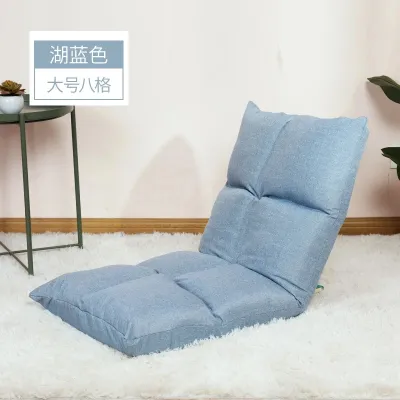
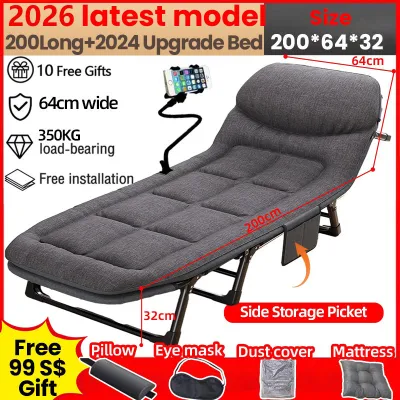
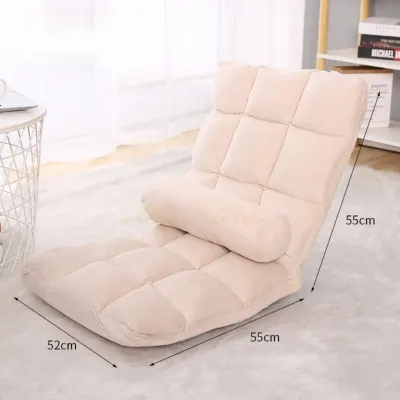
![[SG Seller]Foldable Chair Floor Sofa Lazy Sofa Tatami Single Folding Bed Backrest Seat Dormitor Floor Chair Bean Bag](https://img.lazcdn.com/g/p/a765b53ffd9fa2c16a7ee4245d2e9da8.jpg_400x400q80.jpg_.webp)
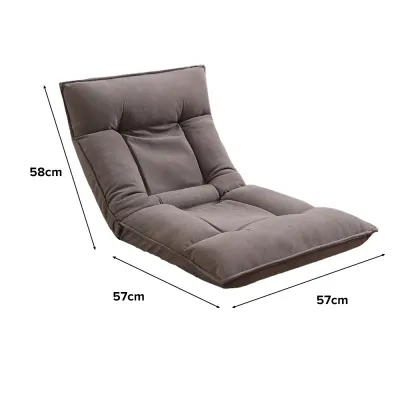

Prices are valid at publication and may change. Please refer to the product page for the latest price.
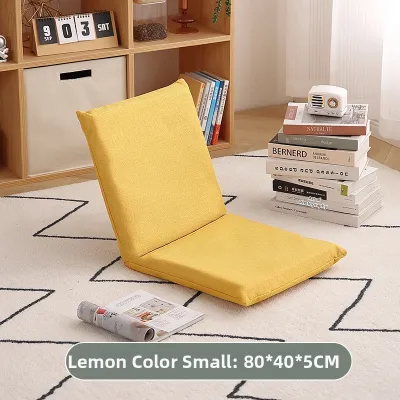
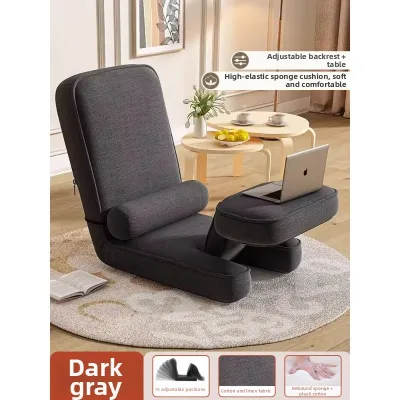
Gear-lock floor chairs are a popular option for those who prefer sitting close to the ground. These chairs feature internal mechanical joints that click into various fixed angles, allowing you to adjust the backrest from fully flat to upright. The rigid frame provides stable, structured support for your back, making it easier to maintain an upright posture. However, because the joints lock into specific increments, you are limited to the pre-set angles designed by the manufacturer.
Push-back or lever-operated recliners offer a different experience by relying on your body weight or a manual lever to adjust the recline angle. These chairs often feature a metal frame with integrated tension springs or hydraulic pistons that allow for smooth, continuous adjustments. When you lean back, the chair responds to your movement, providing a more seamless transition between sitting and lounging. While these mechanisms offer greater flexibility, they are typically heavier and require more floor space to operate safely without tipping.
Frameless or bean-bag style foldable chairs represent a third category that prioritizes plushness over rigid structure. These chairs are filled with loose beads or shredded foam that molds directly to the contours of your body. While they excel at pressure relief and offer a cozy, enveloping sensation, they lack the structural framework needed to keep your spine aligned over long periods. If you require consistent lumbar support to prevent lower back strain, a frameless design may not be suitable for extended sitting.
Checkpoints for Back Support and Ergonomics
When comparing different foldable lazy chairs, ergonomic features should be your primary focus. A chair that lacks proper support can lead to poor posture, muscle fatigue, and discomfort over time. To evaluate the ergonomic quality of a chair before buying, there are several key checkpoints you should verify.

First, examine the chair’s lumbar support features. Look for models that incorporate a built-in lumbar curve or include an adjustable lower back pad. A flat backrest forces your spine into an unnatural straight position, which increases pressure on your lower back. If you are shopping online, look closely at the product photos and specifications to see if the lower portion of the backrest protrudes slightly forward to mirror the natural curve of your spine.
Second, verify the headrest height and neck support alignment. A headrest that is too low will push your shoulders forward, while one that is too high will fail to support your neck. Measure your sitting height from your seat to your neck and compare it with the backrest dimensions provided by the seller. If you plan to share the chair with family members of different heights, consider a model with an adjustable headrest that can be tilted or slid up and down to accommodate different users.
Third, review the number of recline positions and the locking mechanism’s stability. A high-quality foldable chair should offer multiple adjustment angles to support different activities, such as reading, watching television, or napping. More importantly, the locking mechanism must be robust enough to hold your weight securely without slipping or collapsing when you lean back. Check the manufacturer’s specifications for details on the joint materials, prioritizing reinforced steel gears over plastic components for long-term stability.
Assessing Cushioning and Upholstery for Daily Use
The materials used in the cushioning and upholstery directly affect how comfortable the chair feels and how well it holds up over time. Because you cannot always test a chair in person, learning to interpret material labels and product descriptions is essential for making an informed choice.
Start by differentiating between the types of foam used in the seat and backrest. High-resilience foam is generally preferred for lazy chairs because it offers a supportive, springy feel and quickly regains its shape when you stand up. Memory foam provides excellent pressure relief by contouring to your body, but it can feel overly soft and may cause you to sink too deeply if it is not paired with a supportive base layer. Standard polyester fill is common in budget-friendly models, but it tends to flatten quickly under regular use, leading to a loss of support. Look for product tags or specifications that mention high-density or high-resilience foam to ensure the cushion maintains its shape.
Upholstery selection is particularly important in warm, humid climates like Singapore’s, where heat retention can make lounging uncomfortable. Cotton and linen blends offer excellent breathability and a soft feel against the skin, making them ideal for warm rooms. Mesh fabrics provide maximum airflow, keeping you cool during long sitting sessions. Synthetic leather is easy to wipe clean but can trap heat and feel sticky against bare skin in humid conditions. If you choose synthetic leather, ensure your living space is well-ventilated or air-conditioned to maintain comfort.
Finally, check the overall cushion thickness and edge support. A thin cushion may feel comfortable initially, but your weight can cause it to compress fully, leading to bottoming out against the hard internal frame or floor. Look for a seat cushion thickness of at least 10 to 15 centimeters, and verify that the edges of the frame are well-padded to prevent the metal or wooden structure from pressing into your thighs or back.
How to Choose the Right Foldable Lazy Chair
Selecting the right foldable lazy chair involves balancing your personal comfort preferences with the practical realities of your home environment. By matching the chair’s design to your primary activities and space constraints, you can find a model that fits seamlessly into your lifestyle.
If your primary goal is to have a dedicated spot for reading, studying, or working on a laptop, a gear-lock floor chair is often the most practical choice. The firm, adjustable backrest allows you to maintain an upright, focused posture while keeping you comfortable close to the floor. These chairs are also highly portable, making them easy to fold flat and slide under a bed or sofa when you need to clear the room.
For those who prioritize relaxation, napping, or watching movies, a push-back recliner is highly suitable. The smooth, weight-responsive transition allows you to shift effortlessly from an upright sitting position to a deeply reclined lounging state. However, before choosing this style, measure your available floor space carefully. These chairs have a larger footprint and require a clear radius behind them to recline fully without hitting walls or other furniture.
Portability and storage are crucial considerations, especially in compact apartments where space is at a premium. Heavy-duty recliners with complex metal mechanisms offer excellent stability but are difficult to move from room to room. If you need a chair that can be easily relocated or packed away for guests, look for lightweight models with integrated carrying handles or those that fold into a compact, self-contained shape. Always check the folded dimensions to ensure the chair will fit into your designated storage closet or wardrobe.
It is important to note that while foldable lazy chairs offer excellent casual comfort, they are not designed to replace specialized ergonomic office chairs or medical-grade orthopedic seating. If you suffer from chronic back pain or require specific spinal support due to a medical condition, consult a healthcare professional or an ergonomic specialist before relying on a casual lounger for long periods.
Frequently Asked Questions (FAQ)
Do foldable lazy chairs damage wooden or vinyl floors?
Foldable lazy chairs can potentially scratch or dent sensitive flooring if they are dragged across the room. To prevent damage, inspect the bottom of the chair before purchasing to see if it features a smooth fabric cover, non-slip rubber grips, or built-in felt pads. If the chair has exposed metal joints or hard plastic feet, place a small area rug, play mat, or protective felt strips underneath the base to safeguard your wooden or vinyl floors.
How do I clean the upholstery of a foldable floor chair?
Keeping your chair clean is essential for maintaining a fresh lounging environment. Locate the manufacturer’s care tag on the chair to confirm if the outer cover is removable and machine washable. If the cover cannot be removed, you can spot-clean spills by gently blotting them with a damp microfiber cloth and a mild, fabric-safe detergent. Avoid saturating the cushion, as excess moisture can seep into the internal foam and lead to mold or mildew growth.
What is the typical weight capacity for these chairs?
The weight capacity of foldable lazy chairs varies widely depending on the frame material and the strength of the reclining joints. Most standard models are rated to support between 90 and 120 kilograms, but you should always verify the exact maximum load limit on the product specification sheet. If you require a higher weight capacity, look for chairs constructed with reinforced steel frames and heavy-duty alloy gears rather than lightweight aluminum or plastic components.
Community discussion
Share your experience or ask a question. Comments are reviewed before publication.