
Direct Answer: Evaluating Brand Claims for Back Support
When searching for the ideal floor sofa chair in Singapore, consumers often look for a single, definitive brand recommendation. However, ergonomic comfort is highly subjective, and no single manufacturer can universally guarantee optimal lumbar support for every individual. True comfort depends entirely on how well a chair’s physical dimensions, internal structure, and adjustability match your specific body shape and sitting habits.
Instead of relying on brand reputation alone, finding the right floor sofa chair requires evaluating objective design features. High-quality support is a result of dense filling materials, robust internal frames, and customizable reclining angles. By understanding these structural elements, you can look past marketing claims and identify a chair that keeps your spine properly aligned during extended sitting sessions.
Core Criteria for Assessing Comfort and Lumbar Support
To identify a supportive floor sofa chair, you must look past aesthetic appeal and evaluate three core structural elements: backrest adjustability, cushion density, and frame integrity.
Products mentioned in this guide
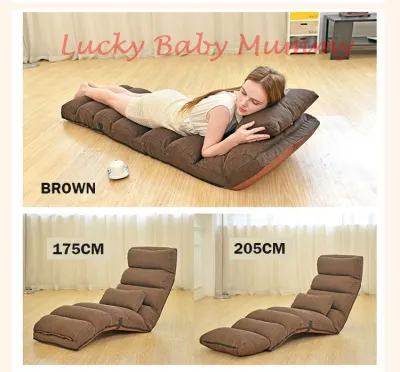
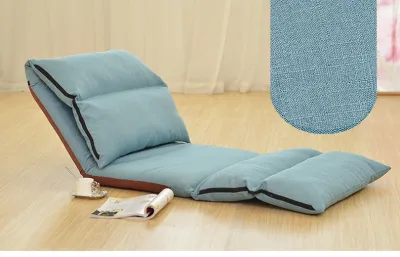
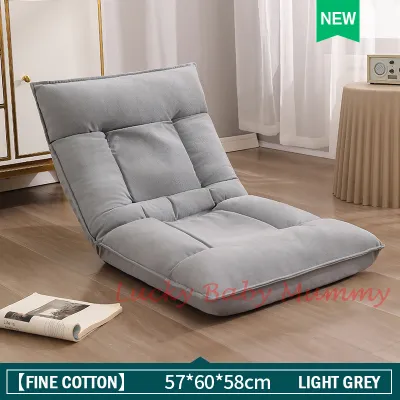
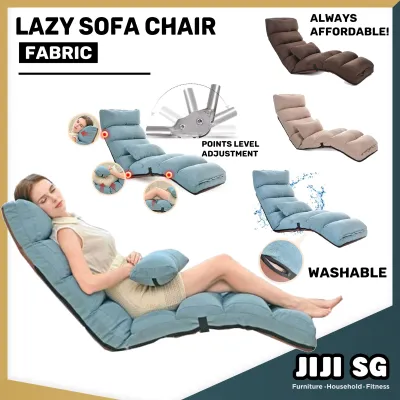
![[SG Seller]Foldable Chair Floor Sofa Lazy Sofa Tatami Single Folding Bed Backrest Seat Dormitor Floor Chair Bean Bag](https://img.lazcdn.com/g/p/a765b53ffd9fa2c16a7ee4245d2e9da8.jpg_400x400q80.jpg_.webp)
Prices are valid at publication and may change. Please refer to the product page for the latest price.

Backrest Height and Angle Adjustability
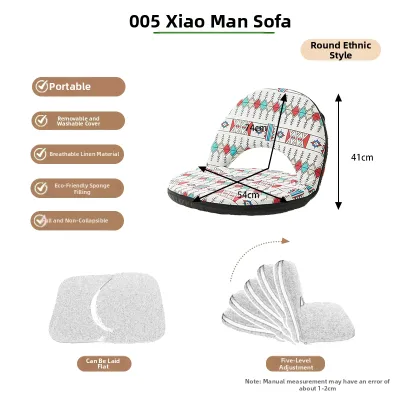
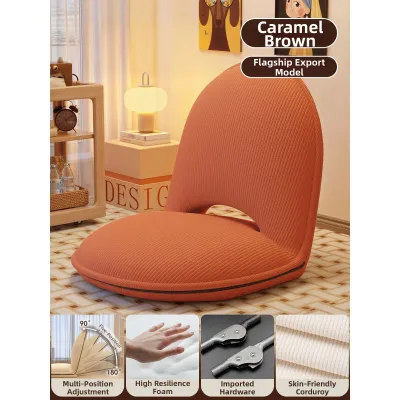
A supportive backrest must accommodate the natural S-curve of your spine. Look for chairs that offer multiple reclining angles—ideally five or more lockable positions—allowing you to transition smoothly from an upright reading posture to a relaxed lounging angle. The height of the backrest is equally critical; it should reach at least to your mid-shoulder region to prevent slouching and reduce strain on your neck and upper back.
Cushion Density and Material
The filling of the chair determines whether you remain supported or sink directly onto the hard floor. High-resilience polyurethane foam or memory foam layers are preferred for extended sitting because they distribute body weight evenly and resist bottoming out. Low-density polyester fiberfill tends to compress permanently under weight, leading to discomfort. When evaluating options, check if the specifications highlight high-density foam construction, which retains its shape and supportive properties over years of daily use.
Base Stability and Frame Structure
Underneath the cushioning lies the skeleton of the floor sofa chair. A robust internal frame, typically constructed from reinforced steel tubing, is essential for maintaining structural integrity. Without a rigid frame, the chair will sag, tilt backward, or flex excessively when you lean back, forcing your core muscles to work overtime to keep you balanced. A stable base ensures that the reclining mechanism locks securely, providing dependable counter-pressure against your lower back.
Comparing Structural Designs for Extended Sitting
Floor sofa chairs generally fall into three structural categories, each offering distinct trade-offs regarding lumbar support, ease of use, and spatial footprint.
Legless Recliners with Adjustable Gears
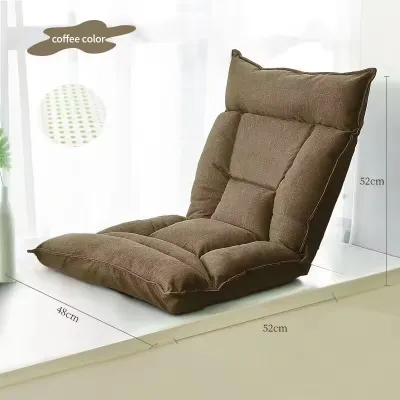
These are the most common designs, featuring an internal click-clack gear system that allows the backrest to fold flat or lock at various angles. They are highly versatile, making them excellent for multi-functional spaces where you might transition from gaming to napping. However, because they sit directly on the floor, they require a high-quality gear mechanism to remain stable. When shopping, look for heavy-duty certified gear systems that are known for smooth transitions and long-term durability under repeated weight shifts.
Folding Floor Chairs with Armrests
For individuals who prefer extra leverage when transitioning from the floor to a standing position, models with integrated armrests provide crucial support. The armrests offer lateral stability, keeping your torso aligned and reducing side-to-side slouching. These designs often feature slightly elevated seat cushions, which reduce the acute angle of your hips and knees, making extended sitting significantly more comfortable for those with mild joint stiffness.
Low-Profile Fixed Loungers
These chairs resemble miniature, legless armchairs or structured bean-bag hybrids. While they offer a cozy, casual aesthetic that fits well in modern living rooms, they often lack mechanical adjustability. They rely entirely on their pre-shaped foam contours to provide support. If you choose a fixed lounger, it is vital to test the built-in lumbar curve physically, as you cannot adjust the angle to compensate for a mismatch with your spinal proportions.
How to Verify Specifications and Fit Before Purchase
Buying furniture online or from local showrooms in Singapore requires careful verification of physical specifications to avoid costly return processes and structural mismatches.
Checking Product Dimensions and Access
Before committing to a purchase, measure your designated floor space carefully. In compact apartments, a floor sofa chair that folds completely flat can double as a temporary mattress, but it requires sufficient clearance. Ensure the chair’s width and fully extended length fit comfortably within your room layout. Additionally, verify that the packaged dimensions can easily pass through your doorway and lift access points if you are ordering a pre-assembled, non-folding model.
Reading Material Labels and Care Instructions
Singapore’s warm and humid climate demands breathable upholstery. Look for covers made from natural linen, cotton blends, or high-performance mesh fabrics that facilitate airflow and prevent heat buildup during long sitting sessions. Avoid low-grade synthetic leathers that trap sweat and can peel over time in humid conditions. Furthermore, prioritize models with removable, machine-washable covers to simplify maintenance and keep your seating hygienic.
Reviewing Return Policies and Showroom Trials
Because comfort is highly subjective, physical testing is the most reliable way to verify lumbar support. Visit local furniture showrooms to test different foam densities and gear mechanisms firsthand. If purchasing online through e-commerce platforms, carefully read the return policy. Look for sellers that offer a trial period or a clear return window, allowing you to return or exchange the chair if it fails to provide the necessary back support after a few days of use at home.
Decision Framework: Matching Chair Types to Your Needs
To select the ideal floor sofa chair, align your physical requirements and daily habits with the structural characteristics of each design type.
If your primary activities include gaming, reading, or watching television in various postures, choose an adjustable legless recliner equipped with high-density foam and a multi-angle gear system. This setup allows you to fine-tune the backrest angle to maintain proper lower back alignment throughout the day.
If you require extra assistance when sitting down or standing up, or if you prefer a more structured, enclosed seating experience, opt for a folding floor chair with sturdy armrests. The added leverage and lateral support will minimize physical strain on your knees and lower back during transitions.
Finally, it is crucial to recognize the limitations of floor seating. If you suffer from chronic back pain, herniated discs, or other diagnosed spinal conditions, standard floor sofa chairs may not provide the specialized orthopedic support you need. In such cases, consult a medical professional or physical therapist before replacing standard ergonomic chairs with floor-level seating.
Frequently Asked Questions (FAQ)
Are floor sofa chairs suitable for working at a desk for long hours?
Generally, floor sofa chairs are not recommended for dedicated, long-hour desk work. Standard office desks are designed for chairs with a seat height of approximately 40 to 50 centimeters. Sitting on the floor while working at a standard desk forces you to reach upward, causing severe strain on your shoulders, neck, and upper back. If you prefer floor-level working, you must pair your floor sofa chair with a specifically designed low-profile coffee table or adjustable floor desk to maintain a neutral wrist and neck alignment. Even with a low table, limit continuous working sessions and take regular standing breaks to prevent spinal compression.
How can I improve the lumbar support of an existing floor sofa chair?
If your current floor sofa chair lacks adequate lower back support, you can easily enhance it without modifying the chair’s structure. Placing a separate, contoured memory foam lumbar pillow or a firmly rolled towel in the gap between your lower back and the backrest can instantly improve spinal alignment. Ensure the support cushion is positioned directly against your lumbar curve to maintain the natural inward arch of your lower spine. Avoid attempting to open the chair’s upholstery to modify the internal metal frame or gear mechanisms, as this can damage the structural integrity, compromise safety, and void any manufacturer warranties.
Community discussion
Share your experience or ask a question. Comments are reviewed before publication.