
Quick Answer: How to Shortlist Ergonomic Chair Brands
Finding the right ergonomic chair in Singapore requires balancing your daily sitting duration, physical proportions, and budget. The market is broadly divided into three tiers: premium heritage brands, specialized mid-range brands, and budget-friendly entry-level options. Premium heritage brands focus on advanced engineering, synchronized tilt mechanisms, and extensive multi-year warranties, making them well-suited for long-term investments. Specialized mid-range brands offer targeted, highly adjustable lumbar support and modern aesthetics tailored for home offices. Budget-friendly options provide basic height and tilt adjustments suitable for shorter sitting sessions. Because features and mechanisms vary significantly even within a single brand’s lineup, you must verify specific model specifications rather than relying on brand reputation alone. Your primary decision criteria should focus on three pillars: targeted lumbar support, multi-axis adjustability, and long-term material durability.
Comparing Lumbar Support Mechanisms Across Brands
The lumbar curve of your spine requires consistent support to prevent slouching and reduce pressure during long working hours. Ergonomic chairs approach lower back support through several distinct mechanisms, each offering different levels of customization.

Fixed lumbar curves are built directly into the frame’s shape. While they provide a clean aesthetic, they rely entirely on your body matching the manufacturer’s predetermined proportions. If your torso is longer or shorter than the average design template, a fixed curve can press against the wrong part of your spine, causing discomfort.
Products mentioned in this guide
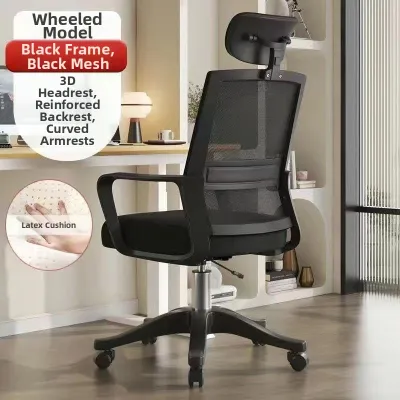
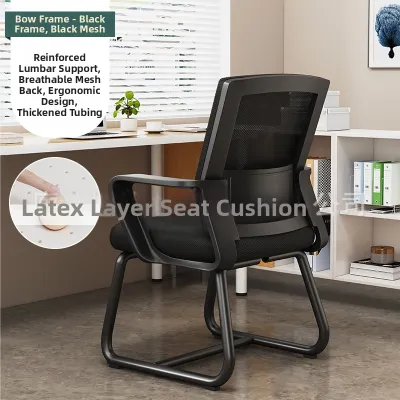
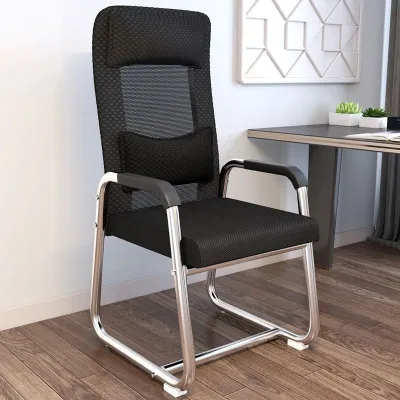
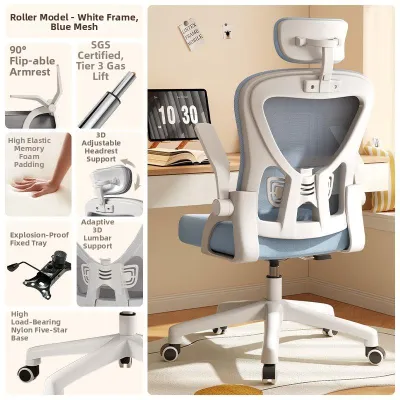
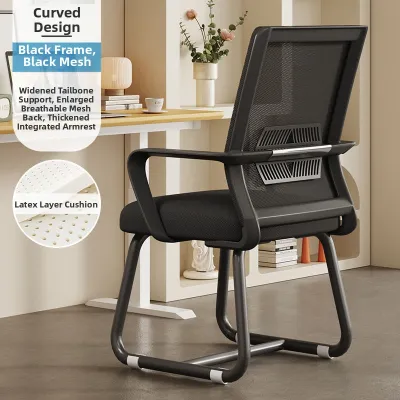
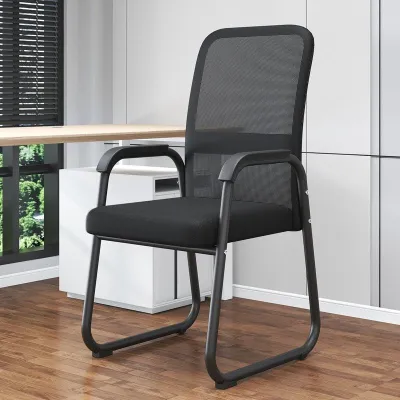
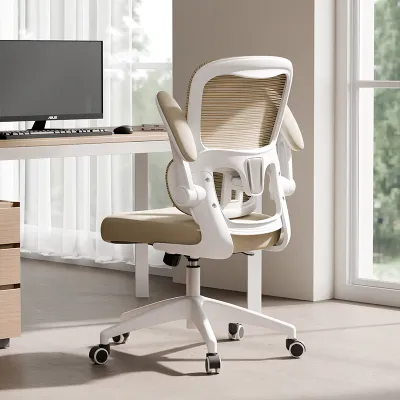
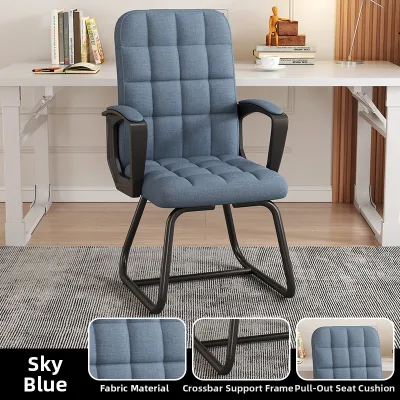
Prices are valid at publication and may change. Please refer to the product page for the latest price.
Adjustable lumbar mechanisms allow you to shift the support vertically, horizontally, or both. Height-adjustable lumbar bands let you position the support directly in the inward curve of your lower back. Depth-adjustable systems let you control how firmly the support presses against your spine, which is crucial for users who prefer a pronounced lumbar push versus those who prefer a gentler, flatter support profile.
The material execution also differs between passive and active systems. Passive mesh tension relies on the elasticity of the backrest mesh to cradle your back. High-quality mesh is woven with varying tension zones to provide firmer support at the lower back and more flexibility at the shoulders. Active lumbar modules, on the other hand, use spring-loaded mechanisms or dense foam pads that physically pivot and adjust as you shift your weight. These active systems respond dynamically to your micro-movements, maintaining contact even when you lean forward or twist slightly.
To test lumbar alignment when trying out a chair, use this quick checklist:
- Sit fully back: Ensure your tailbone is pressed against the backrest; do not sit on the edge of the seat pan.
- Locate the curve: Verify that the most prominent part of the lumbar support rests directly against your lower back, just above your belt line.
- Assess pressure: Confirm that the support feels firm but does not create a painful pressure point or force your upper back away from the backrest.
- Check shoulder contact: Your shoulder blades should still make comfortable contact with the upper backrest without being pushed forward.
Evaluating Adjustability Range and Tilt Mechanisms
A truly ergonomic chair must adapt to your unique physical dimensions and your desk setup. The depth and ease of these adjustments determine whether a chair remains comfortable over an eight-hour workday or becomes a source of physical strain.
The seat pan depth adjustment is one of the most critical yet overlooked features. A sliding seat pan allows you to adjust the distance between the front edge of the seat and the backrest. If the seat is too deep, it will press against the back of your knees, restricting blood circulation and forcing you to slide forward, which loses all lumbar support. If the seat is too shallow, your thighs will not be properly supported, increasing the load on your sit bones.
Armrest articulation is another key differentiator, often categorized from 1D to 4D. Basic 1D armrests only adjust for height. 2D armrests add depth adjustment (forward and backward), 3D armrests introduce pivot (angling inward or outward), and 4D armrests allow for width adjustment (moving closer to or further from your body). Highly adjustable armrests are essential for supporting your forearms at a 90-degree angle, preventing shoulder strain and reducing the risk of strain when typing.
The tilt mechanism governs how the chair reclines. Entry-level models typically use a simple pivot recline, where the backrest and seat pan tilt backward at the same angle. This can lift your feet off the floor and put pressure on the back of your thighs. Premium brands utilize synchronized tilt mechanisms, where the backrest reclines at a faster ratio than the seat pan (often 2:1). This keeps your feet flat on the floor and maintains proper pelvic alignment throughout the recline. Recline tension dials allow you to adjust the resistance of the tilt, ensuring the chair supports your weight smoothly without making you feel like you are falling backward or struggling to push back.
Finally, always check the minimum and maximum seat height limits. In Singapore, standard study desks are typically 73 to 75 centimeters high. Ensure the chair’s gas lift can raise the seat high enough to keep your elbows level with the desk surface while keeping your feet flat on the floor, or plan to pair the chair with a footrest if you have shorter legs.
Assessing Build Quality and Material Durability
While two chairs may look similar in photos, their build quality and material durability will dictate how well they perform over years of daily use. Investing in robust materials prevents the premature sagging, squeaking, and mechanical failures common in cheaper models.
The seat pan construction is a primary indicator of longevity. Budget chairs often use standard cut foam, which is sliced from large blocks. Cut foam loses its resiliency quickly, flattening out within a year and leaving you sitting directly on the hard wooden or plastic sub-frame. Premium and mid-range chairs typically feature high-density molded foam. Molded foam is injected into a specific mold under high pressure, creating a dense, supportive cushion that retains its shape and elasticity for years while providing superior edge support.
For those who prefer mesh, the quality of the weave is paramount. Low-grade mesh can feel abrasive against skin and clothing, and it is prone to stretching and sagging over time, which completely compromises the chair’s ergonomic support. High-quality elastomeric mesh is woven with complex patterns that distribute weight evenly, resist sagging, and allow for excellent airflow—a crucial feature in Singapore’s warm and humid climate. Examine the frame rigidity under load; a high-quality mesh chair will have a glass-filled nylon or aluminum frame that does not flex excessively or creak when you shift your weight.
The base and cylinder are the structural foundation of the chair. Look for heavy-duty nylon, fiberglass-reinforced plastic, or polished aluminum bases. Steel or aluminum bases offer high durability.
To protect your investment, carefully review the manufacturer’s warranty terms. A comprehensive warranty is a strong indicator of build quality. Pay close attention to the fine print:
- Frame and structural components: These often carry the longest warranty coverage.
- Moving parts and mechanisms: Tilt mechanisms, armrest adjusters, and tension controls may have shorter coverage periods than the frame.
- Gas lifts and casters: These wear items sometimes have separate, shorter warranty windows.
- Mesh and upholstery: Check if sagging or tearing is covered under wear-and-tear clauses, as some brands exclude fabrics from their primary warranty.
Decision Framework: Which Brand Profile Fits Your Workflow?
Selecting the right ergonomic chair brand depends on matching your daily habits, physical needs, and budget to the appropriate brand profile.
- Premium Heritage Brands: Choose this tier if you spend upwards of eight hours a day at your desk, prioritize advanced synchronized tilt mechanisms, and view the purchase as a ten-to-fifteen-year investment. These brands offer advanced material engineering and extensive warranties that cover both parts and labor. The trade-off is a significant upfront cost, often exceeding S$1,500.
- Specialized Mid-Range Brands: Choose this tier if you want targeted, highly adjustable lumbar support and modern aesthetic options without the premium price tag. These brands often feature innovative, multi-segmented backrests and highly adjustable armrests. They are highly suitable for home offices in Singapore, offering a balance of ergonomic performance and modern design, typically ranging from S$400 to S$900.
- Budget-Friendly Options: Choose this tier if your desk work is intermittent, lasting only a few hours at a time, or if you are working within a strict budget. While these chairs provide essential height adjustments and basic tilt, they generally feature simpler lumbar pads and standard cut foam. Expect a shorter material lifespan and more limited warranty coverage.
Before finalizing your choice, always verify the model’s stated weight capacity and base dimensions. A chair with a wide five-star base provides excellent stability but requires sufficient floor space to operate smoothly.
Spatial and Flooring Checks for Singapore Workspaces
Before purchasing an ergonomic chair, you must ensure it physically fits your workspace and can be safely delivered to your home. Singapore’s residential layouts, particularly in HDB flats and newer condominiums, often feature compact study corners or bedrooms where space is at a premium.
First, measure your available floor space. Do not just measure the footprint of the chair when upright; account for the maximum recline clearance. A chair with a deep recline can require up to 80 to 90 centimeters of clear space behind the desk to tilt fully without hitting walls, wardrobes, or bookshelves. Additionally, measure the total width of the armrests to ensure the chair can slide completely under your desk when not in use, saving valuable walkway space.
Second, consider the delivery logistics. Ensure the chair’s packaging dimensions or fully assembled frame can easily navigate standard HDB or condominium lift doors, narrow corridors, and residential entryways. Some premium chairs are delivered fully assembled in large boxes, which may require extra clearance during transport.
Finally, match the chair’s casters to your home’s flooring to prevent permanent damage:
- Hard Casters (Nylon): Best suited for carpeted floors. On hard surfaces, they can slide too quickly, feel noisy, and scratch the floor.
- Soft Casters (Polyurethane/PU): Well-suited for hard flooring common in Singapore, such as vinyl, laminate, parquet, engineered wood, and homogeneous tiles. PU casters provide grip, roll quietly, and prevent scratches.
If your preferred chair only comes with hard casters, consider purchasing aftermarket PU casters or using a protective chair mat to safeguard your flooring.
Frequently Asked Questions (FAQ)
Is a headrest necessary for an ergonomic office chair?
A headrest is not strictly necessary for active, upright typing, as your neck should naturally support your head when your spine is properly aligned. Headrests are primarily designed to support the cervical spine when you recline to read, watch videos, or rest. If you choose a chair with a headrest, ensure it offers height and angle adjustability. A poorly positioned, non-adjustable headrest can push your head forward, causing neck strain and counteracting the benefits of the chair’s lumbar support.
How often should I replace the gas lift or casters?
Gas lifts and casters do not have a fixed replacement schedule; instead, they should be replaced based on observable wear. A failing gas lift will cause the seat to slowly sink under your weight throughout the day, or it may lose its height adjustment capability entirely. Casters should be replaced if they develop flat spots, roll unevenly, make excessive noise, or accumulate hair and debris that cannot be cleaned out. Replacing these individual components is a cost-effective way to extend the life of your chair without buying an entirely new frame.

Community discussion
Share your experience or ask a question. Comments are reviewed before publication.