
Comparing ergonomic chair brands for a home office in Singapore requires looking beyond marketing claims to evaluate three core pillars: adjustability mechanisms, material suitability for a humid climate, and local after-sales support. With many households operating in compact spaces, finding a chair that fits both your physical proportions and your room layout is essential for long-term comfort and productivity.
Quick Guide to Choosing the Right Ergonomic Chair Brand
When navigating the market, ergonomic chair brands generally fall into three distinct tiers based on engineering complexity, material quality, and price. Understanding these tiers helps narrow down your options based on your daily usage patterns and budget constraints.
Premium brands focus on high-end engineering, offering highly responsive, self-adjusting mechanisms and extensive warranties. These chairs are designed for users who spend eight or more hours a day at their desks and require precise micro-adjustments to prevent physical fatigue.
Products mentioned in this guide
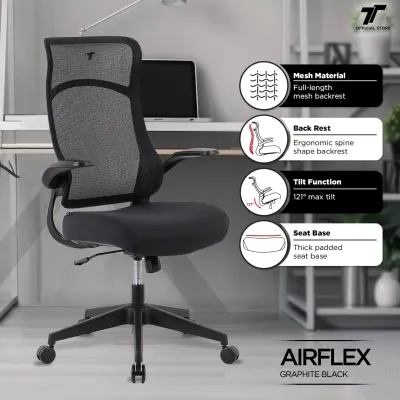
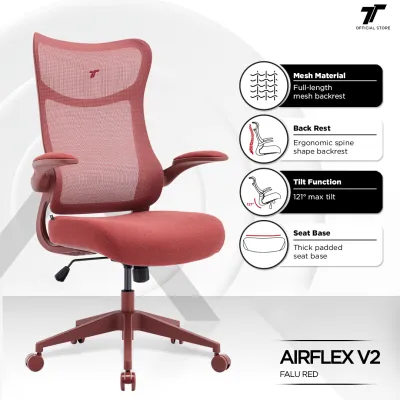
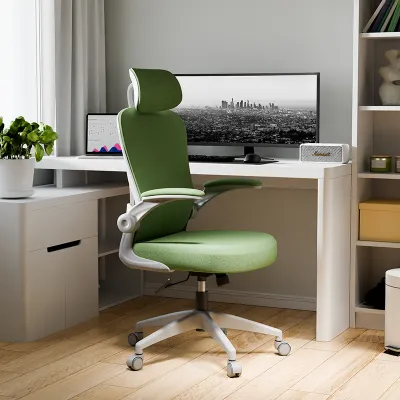
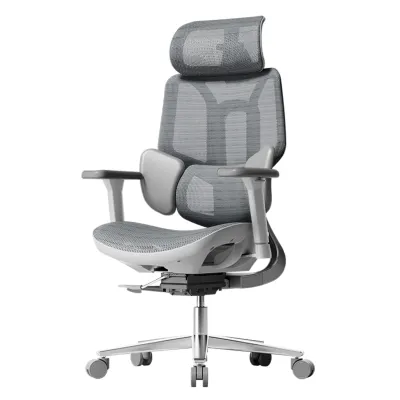
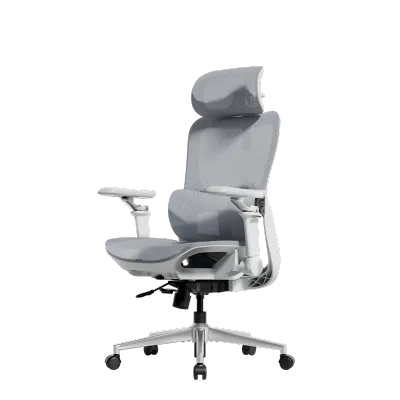
![[PRE-ORDER] TTRacing Maxx Pro Gaming Chair Ergonomic Home Office Chair Computer Chair - 2 Years Official Warranty](https://img.lazcdn.com/g/p/a013126f95ae0e6a2bd55f74991933ab.png_400x400q80.png_.webp)
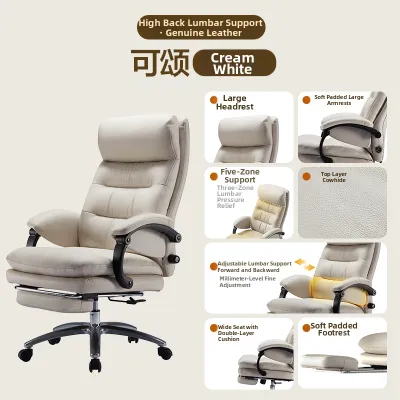
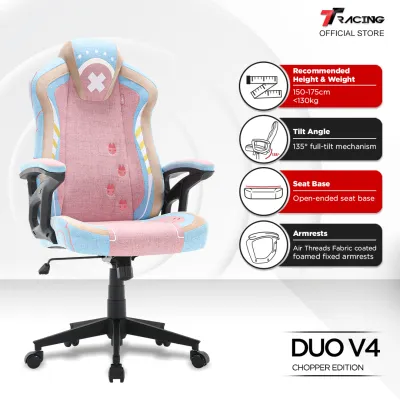
Prices are valid at publication and may change. Please refer to the product page for the latest price.
Mid-range brands offer a practical balance of essential adjustability and cost-efficiency. They typically feature manual adjustments for lumbar support, seat depth, and armrests, making them suitable for hybrid workers who split their time between home and the office.
Budget brands prioritize basic support and affordability. While they provide height adjustment and simple tilt functions, they often feature fixed components and shorter warranty periods, making them best suited for shorter daily sessions or secondary seating.
In Singapore, local availability and dedicated customer support are critical factors. Choosing a brand with an established local presence ensures smoother delivery, professional assembly options, and reliable assistance if you need to make a warranty claim or replace a part.
Core Ergonomic Features to Compare Across Brands
To determine which brand profile aligns with your physical needs, you must compare how different tiers handle key adjustability features. The level of adjustability directly impacts how well a chair can be customized to your unique body shape.

Lumbar support mechanisms vary significantly across brands. Basic models often feature fixed lumbar pads that may not align with your spine, while mid-range options typically offer height-adjustable or depth-adjustable lumbar supports. Premium brands frequently utilize dynamic lumbar support systems that automatically pivot and adjust tension as you shift postures throughout the day.
Armrest adjustability is another crucial point of comparison. Standard armrests only adjust vertically, whereas multi-directional armrests adjust in three dimensions (height, depth, and angle) or four dimensions (adding width adjustment). Highly adjustable armrests allow you to support your elbows comfortably while keeping your shoulders relaxed, and they can be lowered to slide under your desk when the chair is not in use.
Seat depth and recline functions define how well a chair supports your lower body and spine during different tasks. A seat slide adjustment is essential for accommodating different thigh lengths, ensuring there is a small gap between the seat edge and the back of your knees to maintain healthy circulation. Recline tension controls and multi-position tilt locks allow you to customize the resistance of the backrest, preventing a feeling of tipping backward too quickly.
Evaluating Build Quality and Material Durability
An ergonomic chair is a long-term investment, meaning the physical construction and upholstery materials must be evaluated for durability and environmental suitability.
The frame and base materials dictate the overall stability and weight capacity of the chair. Heavy-duty aluminum alloy bases offer excellent structural integrity and a solid feel, whereas reinforced nylon or plastic bases are lighter and more economical. When comparing brands, inspect the joints, levers, and under-seat mechanisms; smooth finishes and robust metal connections generally indicate higher manufacturing standards.
Upholstery selection is particularly important in Singapore’s tropical, humid climate. Mesh upholstery allows maximum airflow, helping to keep you cool if you work in a room without continuous air conditioning. However, mesh quality varies; look for high-tensile elastomeric mesh that retains its tension over years of use, rather than soft fabric mesh that may sag. High-density molded foam seats offer excellent pressure distribution and support for long sitting sessions, but they retain more heat than mesh.
Wheelbase stability and caster types must match your home flooring to prevent damage and ensure smooth movement. A wider wheelbase diameter provides better stability against tipping when reclining. For hard flooring surfaces such as parquet, vinyl, or tiles, look for polyurethane-coated casters to prevent scratching, while standard hard nylon casters are suitable for carpeted areas.
Assessing Value, Pricing, and Warranty Terms
Comparing brands requires looking beyond the initial purchase price to evaluate the total cost of ownership, warranty coverage, and post-purchase support.
Price-to-feature ratios should guide your decision across different market segments. Premium chairs typically require an investment of S$1,000 or more, mid-range options generally range from S$300 to S$800, and budget models are available for under S$300. A higher price should translate directly to certified materials, advanced mechanisms, and longer warranty periods rather than aesthetic branding alone.
Warranty terms require careful reading of the fine print, as headline warranty figures can be misleading. A brand may advertise a ten-year warranty, but this coverage is often tiered. The structural frame might be covered for the full duration, while moving parts like the gas lift, tilt mechanism, and armrests have shorter coverage, and the mesh or fabric upholstery may only be covered for a year or two.
Return policies and local service center availability are vital for online purchases. Verify whether the brand offers a trial period and check the conditions for returns, including restocking fees and return shipping responsibilities. Choosing a brand with a physical service center in Singapore ensures that replacement parts can be sourced quickly without waiting weeks for international shipping.
Decision Framework: Matching Brand Profiles to Your Needs
To finalize your choice, use a structured decision process that matches your specific working conditions and home environment to the right brand profile.
First, assess your daily sitting duration. If you work from home full-time and sit for more than six hours a day, prioritize premium or high-quality mid-range brand profiles that offer dynamic lumbar support and seat depth adjustments to protect your posture.
Second, evaluate your home office environment and spatial limits. In compact rooms, measure your desk height and the clearance between desk legs. Ensure the outer dimensions of the chair, particularly the wheelbase and armrest width, allow it to tuck fully under your desk and pass easily through doorways and lift entrances during delivery.
Third, consider your climate preferences. If your workspace relies on natural ventilation, prioritize high-tensile mesh backrests and seats to maximize breathability. If you work primarily in air-conditioned spaces, a high-density molded foam seat may provide a more cushioned feel without heat retention concerns.
Finally, verify the warranty and local support infrastructure. Opt for brands that clearly publish their warranty breakdowns and have established local service centers to ensure hassle-free maintenance and part replacements over the lifespan of the chair.
Frequently Asked Questions (FAQ)
How can I test an ergonomic chair before committing to an online purchase?
To verify the fit and comfort of a chair, visit local brand showrooms or authorized physical retailers in Singapore. Spend at least fifteen to twenty minutes sitting in the chair, adjusting the lumbar support, seat depth, and armrests to match your body proportions. If visiting a showroom is not possible, look for brands that offer home trial periods, and carefully read the terms regarding return shipping costs, restocking fees, and original packaging requirements. Always measure your desk height and under-desk clearance before ordering to ensure a seamless fit.
What specifications should I check for safe weight capacity?
Always check the manufacturer’s official specifications or user manual for the maximum tested load limit, which is ideally certified by international standards such as BIFMA. A safe weight capacity is closely linked to the base material and the class of the gas lift, with Class 4 gas lifts offering high durability and safety. Avoid purchasing chairs from online marketplaces that do not clearly publish certified weight limits, structural specifications, or base materials.

Community discussion
Share your experience or ask a question. Comments are reviewed before publication.