
Selecting the perfect display cabinet in Singapore involves balancing visual elegance with structural durability. Whether you are showcasing delicate porcelain, heavy art books, or prized collectibles, the brand you choose must align with your home’s spatial constraints and environmental conditions. Evaluating these brands requires looking beyond surface-level aesthetics to inspect the underlying construction, material choices, and functional hardware. By establishing a systematic comparison framework, you can identify a cabinet that not only complements your interior design but also stands up to the demands of daily use and local climate factors.
Defining Your Space and Style Requirements
Before browsing showroom floors or online catalogs, you must establish the physical and stylistic boundaries of your room. Singaporean homes, particularly high-rise apartments and condominiums, often present unique spatial challenges. Begin by measuring your available floor space and ceiling height, but do not stop there. You must also measure the clearance of your entryways, corridors, and building lifts to ensure the delivery team can safely transport the cabinet into your home without damaging the walls or the furniture itself.
Next, consider the physical characteristics of the items you intend to display. Heavy ceramic plates, stone sculptures, or extensive book collections require robust shelving with high load-bearing capacities, whereas lightweight glassware or small figurines allow for more delicate glass shelves. The weight and volume of your collection will directly dictate the structural specifications you need to look for when comparing brands.
Products mentioned in this guide
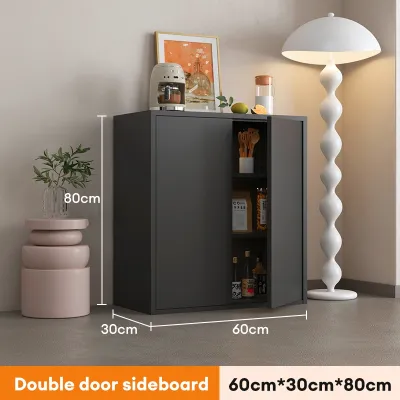
Prices are valid at publication and may change. Please refer to the product page for the latest price.
Finally, align the cabinet’s design with your existing interior theme. A minimalist home benefits from sleek, handle-free glass cases, while a rustic or industrial space might call for rich solid wood or matte black metal frames. Consider how the cabinet’s finish will interact with your room’s natural light and existing light fixtures, ensuring the piece enhances rather than clashes with your home’s overall atmosphere.
Evaluating Build Quality and Structural Integrity
The longevity of a display cabinet hinges on its materials and construction methods. When comparing brands, look closely at the primary frame materials. Solid wood offers exceptional strength and a classic look, but it requires careful seasoning to prevent movement. Engineered wood, such as high-density fiberboard or medium-density fiberboard finished with high-quality veneers or laminates, provides excellent stability and resistance to warping, making it a highly practical choice for humid environments. Always verify the manufacturer’s specifications regarding scratch and moisture resistance for these surface finishes.

Examine the joinery of the cabinet, as this is a primary indicator of craftsmanship. High-end brands often utilize traditional wood joinery like dovetail or mortise-and-tenon joints, which distribute weight evenly and resist pulling forces. Budget-conscious brands may rely on metal cam-locks, dowels, or basic staples; while these are easier to assemble, they may loosen over time under heavy loads. Additionally, check the thickness and material of the back panel. A thin, flimsy back panel can cause the entire cabinet to sway or sag, whereas a thick, securely fastened back panel ensures structural rigidity.
Hardware quality is another critical differentiator. Test the movement of hinges and drawer glides. High-quality brands typically feature soft-close hinges and full-extension drawer runners that operate smoothly without catching or squeaking. Inspect the shelf pins or support brackets; metal pins that fit snugly into pre-drilled holes offer far greater security than loose plastic alternatives.
If the cabinet incorporates glass doors or internal shelves, safety must be a priority. Verify that the brand uses tempered glass, which is significantly stronger than standard annealed glass and breaks into small, blunt pieces rather than sharp shards if damaged. Check that the edges of the glass shelves are polished smooth to prevent cuts during cleaning or rearrangement.
Assessing Design Aesthetics and Functional Features
Aesthetics and functionality should work hand in hand to create an engaging display. Compare the door styles offered by different brands. Hinged doors provide wide, unobstructed access to your collection but require sufficient clearance space in front of the cabinet to open fully. Sliding doors are highly space-efficient, making them ideal for narrow hallways or compact living rooms, though they always leave one half of the cabinet covered. Open shelving offers immediate visual access and a modern, airy feel, but it leaves your items exposed to dust.
Consider the integration of internal lighting, which can transform a simple storage unit into a dramatic focal point. Some premium brands offer built-in LED lighting systems with concealed wiring and integrated touch switches. If a brand does not include built-in lighting, check if the cabinet design allows for clean aftermarket installations, such as pre-drilled cable routing holes or magnetic mounting surfaces. Proper cable management is essential to keep power cords hidden from view.
Adjustability is another key feature to compare. Look for cabinets with closely spaced shelf-pin holes, allowing you to customize the height of each compartment to fit items of varying sizes. Measure the interior depth of the cabinet as well; a cabinet that is too shallow will limit your display options, while one that is too deep may swallow up smaller items and waste valuable floor space.
Finally, evaluate the base design of the cabinet. Raised legs create a lighter visual footprint and allow easy access for cleaning tools or robotic vacuums, which is highly convenient for maintaining a dust-free home. Conversely, a solid plinth base sits flush against the floor, offering a grounded, substantial appearance and preventing dust from accumulating underneath the unit entirely.
Comparing Value, Warranty, and After-Sales Support
When evaluating different brands in Singapore, it is important to weigh the initial financial investment against the long-term value and support provided. Price tiers for display cabinets can vary widely, ranging from entry-level flat-pack options under S$300 to premium, custom-built solid wood pieces exceeding S$3,000. Analyze what each price tier actually delivers; higher-priced options should offer tangible benefits such as solid timber construction, tempered safety glass, soft-close hardware, and integrated lighting rather than just a brand name.
Carefully review the warranty terms offered by each manufacturer or retailer. A reliable brand should provide a clear warranty that distinguishes between structural frame integrity and cosmetic wear and tear. Look for warranties that cover joint failure, hardware malfunction, or glass defects for a reasonable period, and understand the exact process required to file a claim.
After-sales support and logistics are equally crucial. Inquire about delivery constraints and professional assembly services. Many display cabinets are heavy and complex to assemble, particularly those with glass panels. Opting for a brand that includes professional delivery and on-site installation can prevent costly assembly mistakes and ensure the cabinet is safely anchored to your wall. Additionally, check the retailer’s return and exchange policies in case the cabinet arrives with defects or does not fit your space as expected.
Decision Framework: Choosing the Right Brand for Your Needs
To finalize your decision, match your primary household priorities with the strengths of different brand categories. If your priority is heirloom-quality durability, classic aesthetics, and the ability to support heavy heirloom items, focus on brands specializing in solid-wood craftsmanship. These cabinets offer unmatched structural strength and can be refinished over the years, making them a worthy long-term investment.
If you prefer a clean, contemporary look with high flexibility, look toward modern modular brands. These manufacturers often provide sleek, minimalist designs with integrated smart lighting and modular configurations that can be expanded or rearranged as your collection grows. They are highly suited for modern apartments where space optimization is key.
For those working within a strict budget or living in temporary rental accommodation, a budget-friendly flat-pack brand is often the most practical choice. While these cabinets typically utilize engineered wood and standard hardware, they offer reliable functionality and clean designs at an accessible price point. Just ensure you follow assembly instructions carefully to maximize structural stability.
Regardless of the brand category you choose, always perform a final physical check before purchasing. Confirm that the specific model’s maximum dimensions—including packaging—can safely navigate your building’s elevator, stairwells, and doorways to ensure a smooth delivery process.
Frequently Asked Questions (FAQ)
How much weight can a standard glass shelf hold?
The weight capacity of a glass shelf depends on several factors, including the thickness of the glass, the span of the shelf, and the type of bracket support used. Generally, a standard 6mm tempered glass shelf can safely hold between 5kg and 10kg of evenly distributed weight, while thicker 8mm or 10mm shelves can support significantly more. Always check the manufacturer’s labels or user manuals for the exact weight limits of your specific model, and avoid placing heavy, concentrated loads in the center of the shelf.
Is it better to buy a pre-assembled or flat-pack display cabinet?
Pre-assembled cabinets generally offer superior structural rigidity and immediate usability, as they are constructed in a controlled factory environment using professional joinery techniques. However, they are often more expensive and can be difficult to transport through tight spaces. Flat-pack cabinets offer excellent cost savings and are much easier to deliver to high-rise apartments, but they require careful self-assembly and may have slightly lower overall weight capacities compared to factory-assembled units.
How do I prevent wooden display cabinets from warping in humid climates?
To protect wooden display cabinets from warping in humid environments, it is essential to maintain stable indoor conditions. Keep the cabinet away from direct sunlight, open windows, and direct air-conditioning vents, as rapid temperature and humidity fluctuations can cause wood to expand and contract. Follow the manufacturer’s care instructions, which typically recommend using a dry or slightly damp microfiber cloth for cleaning and avoiding harsh chemical polishes that can degrade the protective surface finish.
Community discussion
Share your experience or ask a question. Comments are reviewed before publication.