
When planning a kitchen renovation in Singapore, finding the best value custom cabinet for kitchen installations is rarely about selecting the cheapest quote. Instead, true value represents an optimal balance between long-term material durability, hardware reliability, and transparent pricing tailored to your home’s layout. Because Singapore’s tropical climate exposes cabinetry to high humidity levels daily, a low-cost installation that warps within a few years ultimately costs far more than a durable, mid-range solution.
The ideal custom cabinet provider shifts depending on your property type and spatial constraints. New Build-To-Order (BTO) flats often require space-optimized system layouts with smart corner fittings, while older Housing & Development Board (HDB) resale flats frequently demand bespoke carpentry to navigate structural columns and uneven walls. Private condominiums may require premium, seamless finishes that align with existing high-end aesthetics. To secure the best value, homeowners must evaluate custom solutions across four foundational pillars: material specifications, hardware quality, pricing transparency, and structural customization capabilities.
Core Dimensions for Evaluating Custom Cabinet Quality and Cost
To make an objective comparison between different carpentry firms and specialized kitchen brands, you must look beyond superficial aesthetics. A beautiful showroom display can mask substandard structural materials or cheap hardware that will fail under daily use. By focusing on specific technical dimensions, you can accurately assess the structural integrity of custom cabinets before committing to a contract.
Products mentioned in this guide
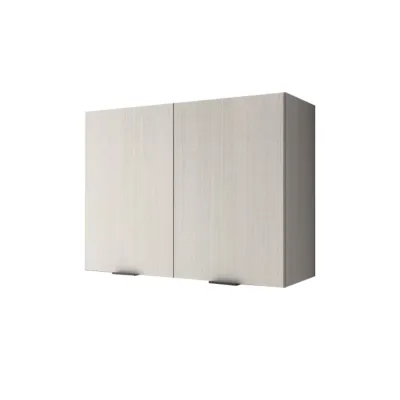
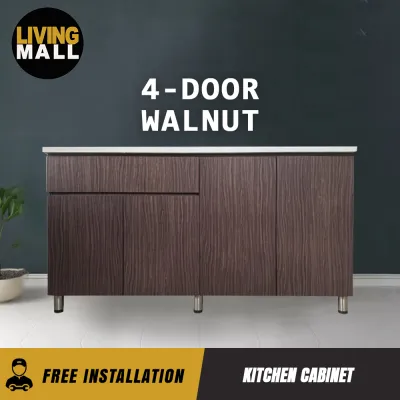
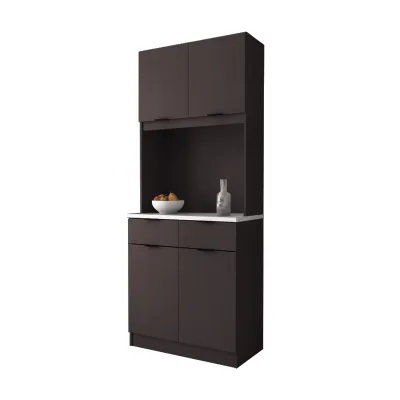
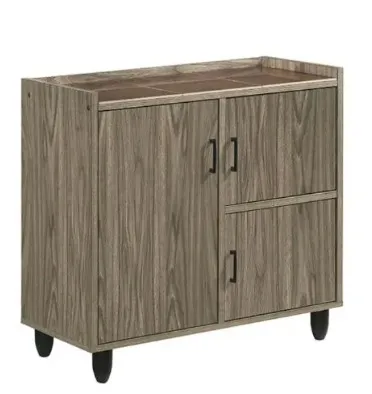
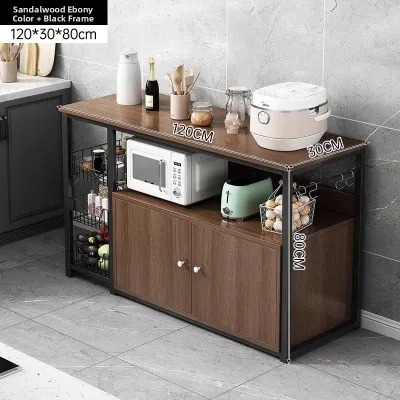

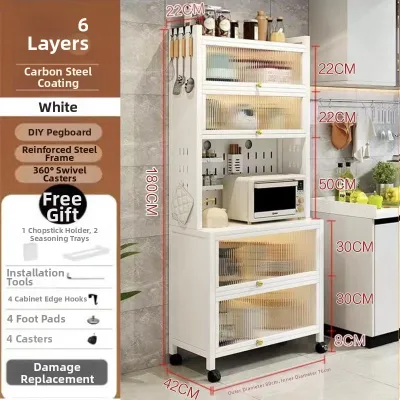
Prices are valid at publication and may change. Please refer to the product page for the latest price.
Board Materials and Finishes
The primary structure of your kitchen cabinet—known as the carcase—and the doors are subjected to constant moisture, heat, and physical impact. In Singapore, the most common core materials are plywood, blockboard, and medium-density fibreboard (MDF). When evaluating these materials, you should check the manufacturer’s specifications for moisture resistance. For example, High-Pressure Laminate (HPL) applied over high-quality plywood is a standard recommendation for wet areas due to its resistance to water ingress, whereas standard MDF may swell if exposed to standing water.
Additionally, verify the formaldehyde emission standards of the boards used in your home. Formaldehyde is a chemical compound commonly found in the adhesives used to manufacture engineered wood boards. To ensure indoor air quality, ask your provider for boards certified to low-emission standards, such as those carrying the Singapore Green Label or rated as E1 or E0. Frame these requirements as explicit specifications to check on product labels rather than accepting vague verbal assurances of “eco-friendly” materials.
Hardware and Fittings
A kitchen cabinet is only as durable as its moving parts. The hinges, drawer runners, and lift systems bear the brunt of daily wear and tear. When comparing brands, verify the specific make of the hardware included in your quotation. Well-regarded international hardware brands, such as Blum, Hettich, or Grass, are widely recognized for engineering reliable soft-close mechanisms and heavy-duty drawer slides.
Do not rely solely on the brand name; check the specific product lines and weight capacities of the proposed drawer runners. Heavy pot drawers require high-load-capacity runners to prevent sagging over time. Furthermore, clarify the warranty terms for these moving components. A reputable cabinet provider should offer a distinct warranty for hardware—often ranging from five years to a lifetime guarantee from the hardware manufacturer—separate from the warranty on the wooden carcase itself.
Workmanship and Edge Banding
High-quality materials can still fail if the fabrication and assembly are poor. When visiting showrooms or reviewing a portfolio of completed local projects, pay close attention to the edge banding. Edge banding is the thin strip of material used to seal the exposed, raw edges of plywood or MDF panels. Poorly applied edge banding allows moisture to penetrate the core material, leading to swelling and unsightly peeling. Look for laser edge banding or hot-melt polyurethane (PUR) bonding, which create a virtually seamless, highly water-resistant joint.
Examine the alignment of the cabinet doors and drawer fronts. In a well-fabricated kitchen, the gaps between doors should be perfectly uniform, typically between two to three millimeters, and the doors must sit flush with one another. Check the internal finishes as well; the interior surfaces of the cabinets should be clean, smooth, and free of exposed screw heads or rough laminate edges.
After-Sales Support and Warranties
A custom kitchen cabinet is a long-term investment, making robust after-sales support essential. When reviewing contracts, carefully analyze how the warranty is structured. A typical warranty period for custom carpentry in Singapore ranges from one to five years, but the coverage details are what truly matter.
Ask the provider to explicitly define what constitutes “normal wear and tear” versus a manufacturing or installation defect. For instance, verify whether the warranty covers water damage resulting from minor plumbing leaks under the sink, or if such incidents void the entire agreement. Be aware that unauthorized modifications, heavy impact damage, or using non-approved cleaning chemicals will almost certainly void your coverage. Ensure all warranty commitments are provided in writing rather than as verbal promises.
Decoding Custom Cabinet for Kitchen Pricing Models and Hidden Costs
Navigating quotations for a custom cabinet for kitchen can be challenging due to the varied pricing models used by Singaporean carpentries and interior design firms. To prevent budget overruns, you must understand how these quotes are calculated and identify potential hidden fees before signing any contract.

Pricing Structures: Run-Length vs. Projected Area
In Singapore, the most prevalent method for pricing custom kitchen cabinets is the run-foot or run-meter model. This system charges a fixed rate per horizontal unit of length (e.g., S$120 to S$350 per foot) for standard-height base and wall cabinets. While this model is straightforward, it can become complex when your kitchen layout includes tall units, larder units, or custom refrigerator housings, which are typically billed at a premium or calculated as multiple run-feet.
An alternative model is projected area pricing, which calculates the cost based on the total square area of the cabinet fronts. This model is more common in modular or system cabinet configurations. When comparing quotes, ensure you convert all measurements to a single standard to make an accurate comparison. A run-foot model is highly effective for simple, linear galley kitchens, whereas projected area pricing may offer better clarity for complex layouts with varying cabinet heights and open shelving.
Base Packages vs. Add-ons
Many cabinet providers and renovation platforms advertise attractive promotional packages (for example, a “10-foot kitchen package” starting at S$3,500 to S$5,000). While these packages provide a useful baseline, they are designed around basic specifications. A typical entry-level package usually includes standard plywood carcases, basic solid-color laminates, standard handles, and a limited number of drawers with generic soft-close hinges.
If you wish to upgrade to premium finishes—such as anti-fingerprint laminates, fluted glass door panels, or high-end acrylics—the costs will escalate quickly. Specialized internal storage accessories, such as pull-out spice racks, corner carousels (like “magic corners”), and integrated LED under-cabinet lighting, are almost always billed as optional add-ons. Carefully review the base package specifications to understand exactly what is included before assuming the advertised price represents your final cost.
Hidden Costs to Verify
To ensure your quotation is truly comprehensive, ask your provider to confirm whether the following items are included or will incur additional charges:
- Goods and Services Tax (GST): Verify if the quoted prices are inclusive of the prevailing GST rate in Singapore.
- Demolition and Disposal: Confirm the cost of hacking and disposing of your existing kitchen cabinets, including transport fees to approved disposal sites.
- Plumbing and Electrical Work: Reconnecting sinks, installing hood and hob units, and relocating electrical outlets are specialized tasks. Check if the cabinet provider includes these services or if you must hire a licensed plumber and electrician separately.
- Countertop Installation: While some packages include a basic quartz or solid surface countertop, premium materials like sintered stone, granite, or dekton will require specialized fabrication and installation fees.
- Site Coordination and Delivery: Ensure that transport, delivery to your specific floor (especially if lift access is restricted), and on-site project management fees are fully disclosed in the line-item quotation.
Comparing Customization Capabilities for Singapore Homes
Singapore’s residential landscape presents unique architectural challenges, from the compact layouts of modern BTO flats to the irregular walls and exposed piping of mature HDB estates. A high-value custom cabinet provider must possess the design and fabrication capabilities to navigate these constraints effectively.
Space Optimization and Internal Layouts
With kitchen footprints shrinking in newer residential developments, maximizing every square centimeter is critical. A skilled custom cabinet provider should offer intelligent storage solutions that utilize otherwise wasted space. This includes designing slim pull-out pantries for narrow gaps, integrating corner units that swing out for easy access, and customizing drawer depths to fit around under-sink plumbing.
When discussing your layout, ask how the brand handles appliance integration. A high-value solution will seamlessly incorporate “appliance garages” with roll-up doors to conceal small appliances like air fryers and coffee machines, keeping countertops clutter-free. The provider should also adjust shelf heights to accommodate your specific cookware, rather than relying solely on fixed, standard intervals.
Handling Structural Constraints
Older HDB flats and certain condominium units often feature structural columns, low-hanging beams, and exposed water pipes that cannot be relocated due to building regulations. Standard modular cabinets cannot accommodate these obstructions without leaving awkward gaps or sacrificing storage.
Bespoke carpentry excels in these scenarios. A professional carpenter can scribe back panels to fit perfectly against uneven walls and build custom enclosures around exposed pipes, rendering them invisible while maintaining easy access panels for maintenance. During your initial consultation, verify how the provider plans to address these structural features. If they suggest simply blocking off the space or using standard fillers, it indicates a lack of true customization capability.
Design Consultation and Visualization
The process of designing a custom cabinet for kitchen should be collaborative and highly visual. High-value brands provide detailed 3D renderings (often using Computer-Aided Design or specialized kitchen planning software) to help you visualize the final layout, color coordination, and lighting integration before fabrication begins.
Beyond digital drawings, physical material samples are indispensable. You should be able to touch and examine the actual laminates, wood veneers, and countertop materials under different lighting conditions. A competent designer will also guide you through ergonomic considerations, such as calculating the optimal countertop height based on your height to prevent back strain during food preparation, and ensuring adequate clearance for refrigerator and oven doors to open fully without obstruction.
Decision Framework: Matching Brand Profiles to Your Kitchen Needs
To determine which custom kitchen cabinet provider offers the best value for your specific situation, you must align your budget, design complexity, and willingness to manage the project with the right brand profile.
Choose a Premium Custom Joiner if:
- Bespoke Design Priorities: You require highly complex structural integrations, such as seamless floor-to-ceiling cabinetry that wraps around multiple corners or integrates hidden doors.
- Premium Finishes: Your design calls for high-end bespoke finishes, such as book-matched natural wood veneers, premium lacquer paints, or complex curved panels.
- Flexible Budget: You have a flexible, high-end budget (typically exceeding S$15,000 for cabinetry alone) and prioritize a fully personalized, hands-on design process with dedicated project management.
Choose a Mid-Tier Specialized Kitchen Brand if:
- Balanced Specifications: You want a reliable balance of durable, branded hardware (like Blum or Hettich) and standard moisture-resistant materials.
- Standard Layouts: Your kitchen layout fits within standard HDB, BTO, or typical condominium dimensions, allowing you to benefit from standardized, factory-finished modular systems.
- Structured Services: You prefer transparent, upfront pricing models with pre-defined packages and want the reassurance of a structured corporate warranty and established customer service channels.
Choose a Budget-Friendly Carpentry Firm if:
- Basic Functionality: Your primary goal is basic functionality and clean, simple storage solutions without complex internal mechanisms.
- Standard Materials: You are comfortable with standard, cost-effective laminate finishes and straightforward linear or L-shaped layouts.
- Hands-On Management: You are willing to take on a more active role in the renovation, such as managing detailed design decisions, coordinating with third-party appliance suppliers, and personally verifying dimensions.
Verify First Checklist
Before signing a contract or paying any deposit to any cabinet provider in Singapore, ensure you have verified the following critical details:
- Detailed Line-Item Quotation: Avoid lump-sum estimates. Insist on a breakdown that specifies the cost per run-foot, material types, hardware brands, and any additional labor charges.
- Physical Material Samples: Never agree to a laminate or countertop based solely on a digital catalog or 3D rendering; inspect physical samples in person.
- Fabrication and Installation Timeline: Obtain a clear, written schedule detailing when the on-site measurements will occur, the duration of off-site fabrication, and the estimated days required for on-site installation.
- HDB and Management Approvals: Ensure the provider or your main contractor will handle the necessary permits and comply with structural and hacking regulations.
- Site Access and Installation Conditions: Confirm that the delivery team has verified lift dimensions and doorway clearances to prevent on-site transport delays or damage during delivery.
Frequently Asked Questions (FAQ)
How long does custom kitchen cabinet installation typically take?
The entire process for a custom cabinet for kitchen renovation generally spans four to eight weeks from the initial consultation to final hand-over. Once the design and material selections are finalized, the on-site measurement is conducted—this must occur after any wet works (like tiling) are completed to ensure absolute precision. Off-site fabrication in the carpentry workshop typically takes two to four weeks. The actual on-site installation of the cabinets usually requires three to five working days, though installing specialized countertops like quartz or sintered stone may add another three to seven days for precise templating and fitting. Always verify the specific lead times with your chosen brand, as custom imported materials or highly complex structural work can extend this timeline.
What is the difference between carpentry and system cabinets for kitchens?
The primary difference lies in fabrication flexibility and structural adaptability. Traditional custom carpentry is built from scratch, often on-site or in a local workshop, allowing the carpenter to tailor every panel to the exact, irregular dimensions of your kitchen walls and pipes. This offers maximum spatial optimization but relies heavily on the individual skill of the carpenter. System cabinets (or modular cabinets) consist of pre-fabricated, standardized modules manufactured in a factory. While system cabinets offer highly consistent quality, seamless factory-applied edge banding, and often faster installation times, they are less adaptable to irregular architectural features and may require filler panels to plug gaps in non-standard spaces.
Do I need to hack my existing kitchen tiles before installing new cabinets?
Whether you need to hack your existing kitchen tiles depends entirely on the condition of the tiles, your design goals, and structural regulations. If the existing tiles are structurally sound, flat, and free of hollow spots, you may choose to overlay them with new tiles or install the cabinets directly against them. However, if there are signs of water damage, cracked tiles, or compromised waterproofing beneath, hacking is highly recommended to address the underlying issues. Before proceeding with any hacking works, you must consult your contractor and check HDB or condominium management regulations, as improper hacking can damage the building’s waterproofing membrane and void structural warranties.
Community discussion
Share your experience or ask a question. Comments are reviewed before publication.