
Quick Guide: Selecting the Right Custom Brand for Your Kitchen Mid Island
Building a durable kitchen mid island—often referred to as a kitchen middle island—requires moving away from the search for a single “best” brand name. Because every kitchen renovation involves unique spatial constraints, design preferences, and functional demands, the ideal choice is a provider that demonstrates proven structural carpentry, transparent material sourcing, and clear warranty terms tailored to your project.
To make an informed decision, you must first distinguish custom carpentry firms and specialized kitchen cabinet makers from off-the-shelf modular or flat-pack retailers. While modular options offer convenience and lower upfront costs, they typically feature fixed dimensions, lighter load capacities, and limited material configurations. Custom brands, by contrast, build each unit from scratch, allowing you to optimize every millimeter of your kitchen layout while selecting materials engineered for long-term durability.
Evaluating custom brands requires focusing on three core pillars: material longevity in humid environments, design flexibility for seamless spatial integration, and budget transparency. By prioritizing these elements, you can avoid common pitfalls such as sagging countertops, peeling laminates, or unexpected post-contract variations.
Products mentioned in this guide
![[CozyNest ] Mid island kitchen dining table integrated small unit with drawers for storage cooking dining cabinet marble movable island table](https://img.lazcdn.com/g/p/e942507b437bbc7fd4a31e5b880ebf14.jpg_400x400q80.jpg_.webp)
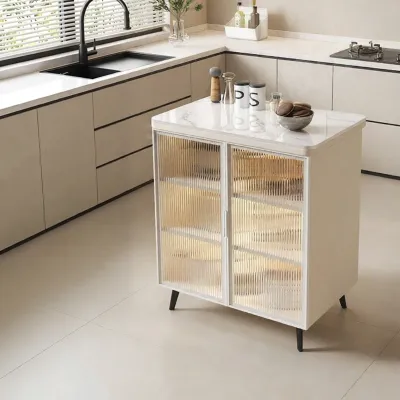
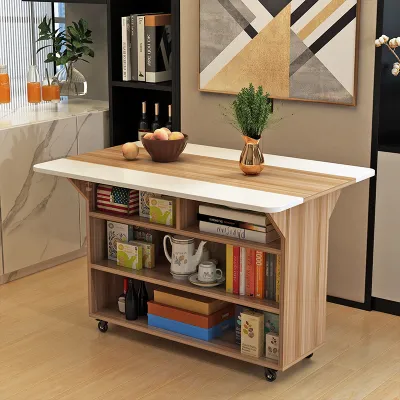
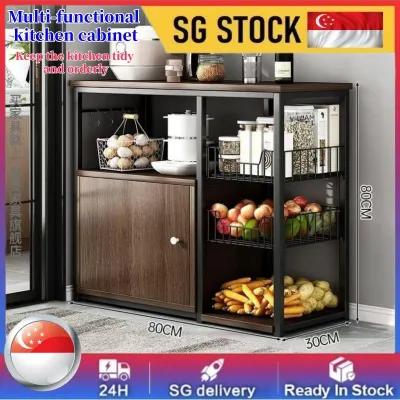
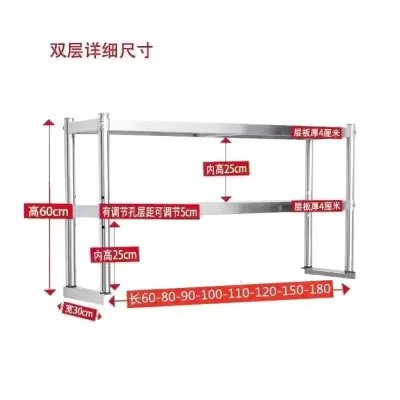
Prices are valid at publication and may change. Please refer to the product page for the latest price.
Before reaching out to local providers for quotes, your first step should be to gather your kitchen floor plans and identify any existing utility lines, including water inlets, floor traps, and electrical points. You must also clearly identify the primary function of your kitchen mid island. Knowing whether the island will house a sink, an induction hob, a dining overhang, or simply serve as a dry prep station will dictate the structural and material requirements you must specify to each brand.
Core Comparison Dimensions for Custom Kitchen Mid Islands
Structural Integrity and Load-Bearing Capacity
A kitchen mid island is a freestanding structure, meaning it cannot rely on adjacent walls for lateral stability or load distribution. Consequently, the island’s cabinet base must be engineered to support substantial weight, especially if you plan to install heavy engineered stone, quartz, or sintered stone countertops. These surface materials can easily weigh between 50 kg and 80 kg per square meter, placing immense downward pressure on the cabinet carcasses.

When evaluating custom cabinet brands, ask for the specific thickness of the carcass panels and the internal support configurations. A durable island base should utilize carcass panels that are at least 15mm to 18mm thick, reinforced with solid wood top rails and vertical divider panels spaced no more than 600mm to 800mm apart. If your design includes a cantilevered breakfast counter or seating overhang, the brand must integrate structural steel brackets or an extended plywood sub-top to prevent the stone from cracking or the island from tipping under uneven loads.
Moisture and Climate Resilience
Singapore’s tropical climate features relative humidity levels that frequently exceed 80%, creating a challenging environment for wood-based cabinetry. In a kitchen, this atmospheric moisture is compounded by daily cooking steam, frequent floor mopping, and accidental liquid spills. Under these conditions, low-grade cabinet bases can absorb moisture, leading to swelling, warping, and the eventual failure of structural joints.
Verify how each custom brand treats its cabinet carcasses and exposed edges to combat moisture ingress. High-quality custom brands seal all raw edges using advanced edge-banding technologies, such as Polyurethane (PUR) adhesive or laser fusion, which create a virtually seamless, waterproof barrier. Standard hot-melt adhesives (like EVA glue) tend to soften and degrade over time in humid environments, leading to unsightly dark lines and peeling edges where moisture can easily penetrate the core material.
Spatial and Access Verification
One of the most overlooked aspects of building a custom kitchen mid island in Singapore is navigating the spatial constraints of local housing, particularly HDB flats and condominiums. Standard passenger lifts have strict door height and depth limitations, often restricting the transport of large, pre-fabricated furniture pieces. If your custom island is designed as a single, massive carcass exceeding 2 meters in length, it may not fit inside the lift or through tight apartment corridors and doorways.
To avoid costly delivery complications or manual stair-carrying surcharges, verify that your chosen brand conducts a thorough site survey to measure lift clearances and entryways. The brand should design the island carcass in modular, interlocking segments that can be easily transported via the lift and assembled seamlessly on-site. Furthermore, you must ensure that the finished dimensions of the island leave a minimum clearance of 900mm—ideally 1000mm to 1200mm—on all sides to allow for comfortable walkway passage and the unrestricted opening of appliance doors and drawers.
Evaluation Checklist for Custom Brands
| Criteria | What to Ask the Brand | Red Flags to Avoid |
|---|---|---|
| Carcass Material | What is the specific material grade and thickness used for the island base? | Vague terms like "solid wood-based material" without specifying plywood or moisture-resistant boards. |
| Edge Banding | What adhesive and technology are used for edge banding? | Standard EVA glue that easily peels or shows visible dark glue lines in humid conditions. |
| Joinery & Assembly | How are the carcass panels joined together (e.g., dowels, screws, cam locks)? | Relying solely on nails or staples without structural screws or corner blocks. |
| Load-Bearing Support | How is the weight of a heavy stone countertop distributed, and is a sub-top plywood support included? | Placing stone directly on the vertical edges of thin cabinet carcasses without horizontal support rails. |
Evaluating Material Durability and Construction Standards
Cabinet Carcass Materials
The longevity of your kitchen mid island depends heavily on the core material used to construct the cabinet carcasses. You should compare materials based on their technical specifications and manufacturer labels rather than relying on vague sales pitches.
Marine plywood is widely considered the gold standard for high-moisture zones, such as the cabinet housing the kitchen sink. True marine plywood is manufactured using high-grade, cross-laminated wood veneers bonded with waterproof Phenol-Formaldehyde adhesive, ensuring it will not delaminate or lose structural integrity even when subjected to prolonged water exposure. If a brand proposes plywood, verify whether it complies with recognized international standards, such as BS 1088, to ensure you are receiving genuine marine-grade material.
For dry storage areas of the island, high-performance moisture-resistant (MR) particleboard or blockboard can be suitable, cost-effective alternatives. Blockboard features a core of solid wood strips sandwiched between outer veneers, offering excellent screw-holding capacity and resistance to bending under vertical loads. If selecting particleboard or medium-density fiberboard (MDF), ensure the brand provides green-core MR boards certified to low-formaldehyde emission standards, such as E1 or E0, to safeguard your home’s indoor air quality.
Countertop Pairings and Support
A premium countertop material requires an equally robust support system to perform safely over time. Engineered quartz and sintered stone are highly favored for kitchen islands due to their low porosity, stain resistance, and scratch-resistant surfaces. However, because these materials are highly rigid, any slight unevenness in the cabinet base can create stress concentration points, leading to hairline cracks over time.
To mitigate this risk, professional custom brands install a solid plywood sub-top, typically 12mm to 15mm thick, directly over the cabinet carcasses before laying the stone countertop. This sub-top acts as a flat, shock-absorbing buffer that distributes the weight of the stone evenly across all vertical cabinet walls. For islands featuring a dining overhang, the rule of thumb is that any cantilever exceeding 200mm requires heavy-duty steel support brackets anchored into the cabinet frame, while overhangs exceeding 300mm require a dedicated metal support frame to ensure absolute safety.
Hardware and Joinery
The moving parts of your kitchen mid island—the hinges and drawer runners—bear the brunt of daily physical wear. High-quality custom brands partner with established hardware manufacturers, such as Blum, Hettich, or Grass, to supply heavy-duty, soft-close mechanisms. These hardware systems are engineered and tested to withstand tens of thousands of open-close cycles without sagging or losing alignment.
When comparing brands, check the specific load ratings of the drawer runners proposed for your island. Standard drawer glides are typically rated for 30 kg, which is sufficient for cutlery and lightweight items. However, if your island features deep drawers designed to hold heavy cast-iron pots, pans, or small kitchen appliances, you must request heavy-duty runners rated for 50 kg or 70 kg. Additionally, ensure that all hinges installed in moisture-prone areas, such as under the sink, feature high-grade corrosion resistance to prevent rust from seizing the mechanism.
Surface Finishes
The exterior finish of your island cabinets defines both the aesthetic appeal and the daily maintenance routine of your kitchen. High-pressure laminates (HPL) from reputable local distributors like Lamitak, EDL, or Jennings offer an exceptionally durable, scratch-resistant, and easy-to-clean surface. When evaluating laminates, ask to see physical showroom samples to check for fingerprint resistance and to inspect the quality of the edge seams, ensuring there are no sharp, exposed edges that could catch on clothing or peel over time.
Alternative finishes, such as seamless acrylic panels or polyurethane (PU) painted lacquer, offer sleek, modern aesthetics but come with specific trade-offs. Acrylic provides a stunning high-gloss, glass-like finish but is more susceptible to surface scratching and requires specialized, non-abrasive cleaning agents. PU painted finishes offer a completely seamless, moisture-proof exterior with no visible joints, but they can chip if struck sharply by heavy cookware, and repairing chipped paint seamlessly on-site can be highly challenging. Always check the countertop manufacturer’s care instructions and the cleaning product’s label before applying any chemical, as incorrect usage can void your warranty or permanently etch the surface.
Navigating Budget, Pricing Structures, and Customization Costs
Cost Drivers
Custom kitchen mid islands generally command a higher price point per foot run than standard wall-aligned kitchen cabinets. This premium is driven by several unique design and construction factors. Unlike perimeter cabinets that hide their unfinished backs and sides against a wall, a freestanding island requires finished panels on all four sides, significantly increasing the volume of laminate, backing boards, and edge banding required.
Furthermore, integrating functional utilities into an island adds substantial complexity. Running electrical conduits through the floor screed to power island outlets, routing plumbing lines for a central sink, or installing ducting for a downward-draft cooker hood all require specialized labor and coordination. Design embellishments, such as curved carpentry corners, fluted paneling, integrated LED lighting tracks, or custom steel leg supports, also contribute heavily to the overall fabrication cost.
Comparing Quotes
To compare quotes from different custom brands fairly, you must move away from lump-sum estimates and insist on fully itemized pricing breakdowns. A quote that simply lists “1x Kitchen Island – S$4,000” makes it impossible to verify what you are actually paying for.
Ensure that every quote you receive specifies the exact dimensions (typically measured in per foot run or pfr), the specific carcass materials for each section, the brand and model of hardware, and the exact brand and thickness of the countertop material. This level of detail allows you to compare quotes based on identical material grades and specifications, ensuring that a lower bid does not secretly utilize inferior materials or standard, non-soft-close hardware.
Hidden Costs to Verify
Before signing a contract with any custom brand, review their terms to identify potential hidden costs that could inflate your final bill. Common secondary expenses that should be clarified upfront include:
- Delivery and Lifting Surcharges: Extra fees for transporting large island components to high-floor units, particularly if the items do not fit in the standard lift.
- Utility Coordination Fees: Charges for coordinating with licensed plumbers or Licensed Electrical Workers (LEWs) to run pipes and cables beneath the floor.
- Hacking and Floor Repair: The cost of removing existing flooring or screed to lay utility conduits, and the subsequent patching and retiling.
- Post-Installation Sealing and Touch-ups: Ensuring that professional silicone sealing around sinks and stone joints is included in the base price.
Value Assessment
While it can be tempting to choose the lowest bidder, you must weigh the upfront savings against the brand’s warranty and after-sales service commitments. A cheap custom island built with standard particleboard and basic hardware may begin to warp or sag within a few years, requiring a costly complete replacement. Conversely, investing in a reputable brand that offers a 5-to-10-year warranty on cabinet carcasses and a lifetime warranty on European-engineered hardware provides far greater long-term value and peace of mind.
Decision Framework: Matching Brand Types to Your Project Needs
Specialized Kitchen Carpentry Firms
You should choose a specialized kitchen carpentry firm if your primary goal is heavy-duty structural customization, complex appliance integration, or the seamless housing of plumbing and electrical lines. These firms possess deep, focused expertise in kitchen ergonomics and structural engineering. They understand the precise clearances required for high-end appliances and can design reinforced cabinet carcasses capable of supporting massive stone countertops without compromising on internal storage space.
Full-Service Interior Design Firms
You should choose a full-service interior design (ID) firm if you are undertaking a comprehensive home renovation and prioritize holistic aesthetic cohesion across your entire living space. An ID firm will manage the entire design process, ensuring that the materials, colors, and lighting of your kitchen mid island blend seamlessly with your dining and living room built-ins. They also act as the main point of contact, coordinating all subcontractors—including carpenters, electricians, and plumbers—saving you the hassle of managing multiple trades yourself.
Direct-Manufacturer Custom Brands
You should choose a direct-manufacturer custom brand if you are working with a tight, optimized budget, already have clear, pre-designed technical drawings, and feel comfortable managing the project timeline yourself. By bypassing the interior designer’s markup, you can secure high-quality custom carpentry at a lower price point. However, this route requires you to be highly vigilant in verifying dimensions, coordinating delivery schedules, and managing on-site installation details.
Showroom Verification Checklist
Regardless of which brand type you select, never commit to a deposit without first visiting their physical showroom in Singapore. A showroom visit allows you to perform critical quality checks that cannot be replicated online:
- Test the Drawer Mechanisms: Open and close the drawers under simulated weight to feel the smoothness of the runners and check the responsiveness of the soft-close mechanism.
- Examine Joint Finishes: Inspect the interior corners of the cabinets to ensure there is no exposed raw wood or messy glue squeeze-out.
- Assess Edge Banding Quality: Run your fingers along the edges of the cabinet doors to check for sharp seams or peeling laminates, particularly on curved surfaces.
- Request Certifications: Ask the sales representatives to show official manufacturer certificates for moisture resistance and low-formaldehyde emissions to verify their material claims.
Community discussion
Share your experience or ask a question. Comments are reviewed before publication.