
When shopping for a coffee table in Singapore, finding the right balance of quality, style, and budget requires looking beyond surface aesthetics. Because the coffee table sits at the literal and functional center of your living room, it must withstand daily use, resist environmental wear, and complement your home’s layout. No single brand or retail tier fits every household perfectly; the ideal choice depends on your specific financial plan, spatial constraints, and long-term durability expectations.
To find your ideal balance, evaluate potential purchases across three primary pillars: material longevity, design coherence, and the price-to-lifespan ratio. Material longevity determines how well a table resists scratches, spills, and the structural warping often accelerated by Singapore’s high humidity. Design coherence ensures the piece integrates seamlessly with common local interior themes, such as Japandi, modern minimalist, or mid-century modern, without disrupting traffic flow. The price-to-lifespan ratio helps you calculate the true cost of ownership, helping you decide whether to invest more upfront for a piece that lasts decades or spend less on a temporary solution.
This guide breaks down the Singaporean furniture market into clear, actionable categories. By understanding what different brand tiers offer, you can avoid common purchasing pitfalls and select a coffee table that delivers genuine value for your living space.
Products mentioned in this guide
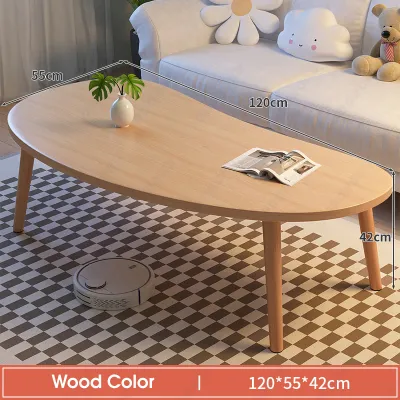
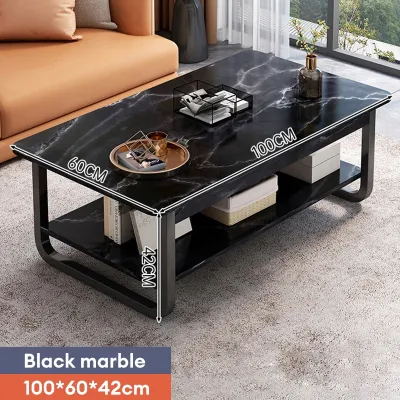
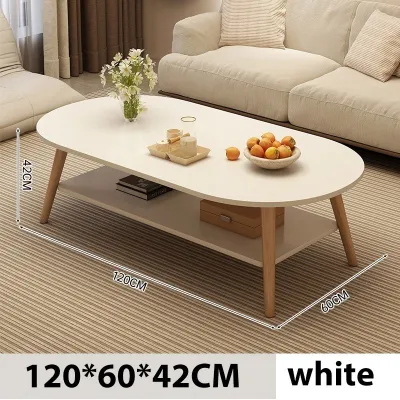
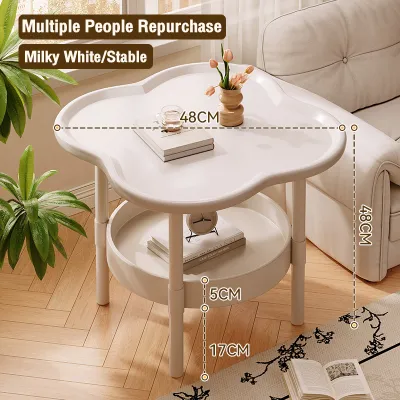
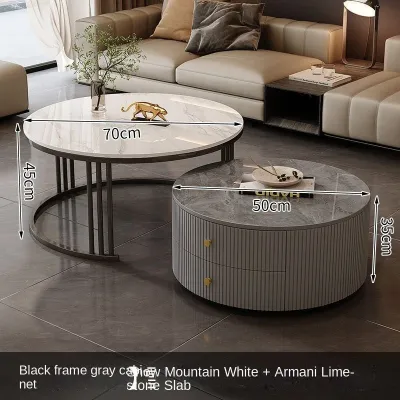
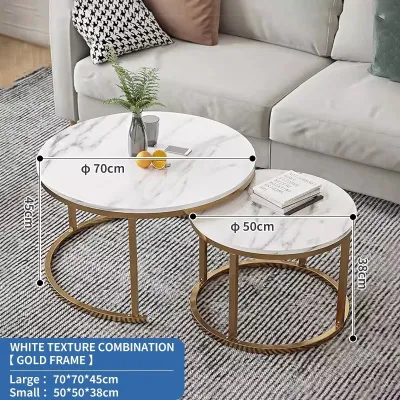
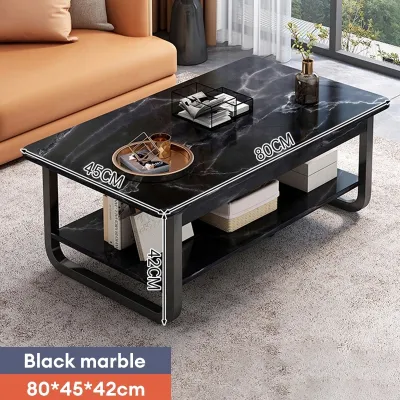
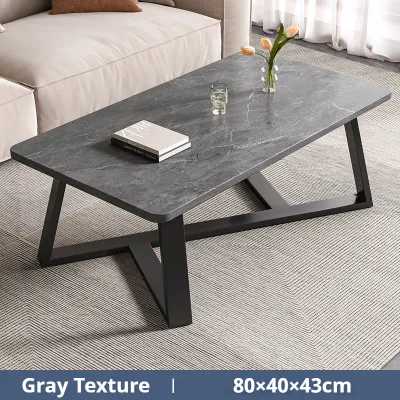
Prices are valid at publication and may change. Please refer to the product page for the latest price.
Key Dimensions for Comparing Quality and Style
To make an informed decision, you must know how to evaluate a coffee table’s physical construction and design metrics. Marketing terms can be misleading, but physical details reveal the true quality of a piece.
Material Integrity and Climate Resilience
Singapore’s tropical climate, characterized by high relative humidity, directly impacts furniture durability. When evaluating wood tables, distinguish between solid timber, wood veneers, and paper laminates. Solid hardwoods like oak, walnut, and teak naturally expand and contract with humidity changes; high-quality construction allows for this movement without splitting. Wood veneers feature a thin layer of real wood over a stable core like high-density fiberboard (HDF). If you choose veneer, inspect the edge banding carefully. Poorly sealed edges allow moisture to penetrate the core, leading to swelling, bubbling, and delamination. Paper foil laminates, common in budget furniture, offer minimal moisture resistance and cannot be sanded or repaired if scratched.
For non-wood options, sintered stone and natural marble are popular choices. Sintered stone is manufactured under extreme heat and pressure, resulting in a non-porous, scratch-resistant, and heat-resistant surface that requires virtually no maintenance. Natural marble offers unique organic patterns but is highly porous. It requires regular sealing to prevent staining from coffee, tea, or acidic spills, and it can etch if cleaned with harsh household chemicals.
Construction and Stability
A stable coffee table relies on robust joinery and proper weight distribution. When visiting showrooms, inspect the underside of the table to see how the legs connect to the tabletop. High-quality construction utilizes threaded metal inserts, corner brackets, or traditional wood joinery like mortise-and-tenon. Avoid tables held together solely by staples, basic wood glue, or simple wood screws driven directly into low-density particleboard, as these connections loosen over time.
To test stability, apply moderate downward pressure on the corners and edges of the table. A well-engineered table will not wobble, flex, or tip. If the table features a heavy top material, such as natural marble or thick tempered glass, verify that the base is sufficiently heavy and wide to prevent top-heaviness. If the frame sags or twists under gentle pressure, it will likely warp permanently under the weight of books, decorative items, or resting feet.
Design Versatility and Scale
Because many Singaporean HDB flats and condominiums feature compact living room layouts, the physical scale of your coffee table is critical. A table that is too large restricts movement, while one that is too small looks disconnected from the seating arrangement.
As a general rule, the height of the coffee table should sit within 2 to 5 centimeters of your sofa’s seat cushion height. This relationship ensures comfortable access to drinks and remotes. The total length of the table should ideally measure between one-half and two-thirds of your sofa’s total length. For tight spaces, consider rounded shapes, such as oval or circular tables, which eliminate sharp corners and facilitate smoother foot traffic through narrow walkways.
Navigating Coffee Table Brand Categories in Singapore
The retail landscape in Singapore spans three distinct brand tiers. Each tier serves different budgetary needs, aesthetic preferences, and durability requirements.

Budget-Friendly and Mass-Market Retailers
Budget-friendly retailers and large-scale international chains focus on high-volume production, affordability, and trend-driven designs. These brands are highly accessible and often offer immediate stock availability.
- Typical Materials: Most products in this tier utilize engineered wood substrates, including medium-density fiberboard (MDF) and particleboard, finished with paper foil or plastic laminates. Legs are frequently made of hollow, thin-walled steel with basic powder coating, or lightweight plastics.
- Pros: The primary advantage is low upfront cost, making it easy to fully furnish a living space on a restricted budget. Delivery times are typically fast, and because assembly instructions are standardized, these pieces are straightforward to set up or replace if damaged.
- Cons: These materials have a shorter lifespan in humid environments. If the laminate surface chips, the underlying engineered wood is vulnerable to moisture, which causes irreversible swelling. Furthermore, these tables offer minimal load capacity and cannot be refinished to fix scratches.
- Best Use Case: This tier is ideal for temporary living arrangements, rental properties, student accommodations, or homeowners who plan to change their interior design style within a few years.
Mid-Tier and Local Singaporean Design Brands
Mid-tier brands and local Singaporean design houses offer a balanced compromise between cost and longevity. These companies often design products specifically tailored to the spatial constraints and aesthetic preferences of local homeowners.
- Typical Materials: Expect upgraded materials, such as solid oak or walnut legs, thick wood veneers on stable HDF cores, sintered stone tops, and heavy-gauge steel frames. Hardware components, such as drawer runners and hinges, are typically smoother and more durable.
- Design Advantages: Local design brands frequently incorporate space-saving features into their collections. You will find nesting tables that slide together when not in use, lift-top coffee tables that double as work desks, and integrated storage drawers to keep living areas clutter-free.
- Pros: These tables offer excellent long-term value. The construction is sturdy enough to last a decade or more with proper care, and local brands provide accessible customer service and straightforward warranty support within Singapore.
- Cons: Upfront costs are higher than mass-market options. Additionally, because some collections are made-to-order or customized, you may experience lead times ranging from four to twelve weeks.
- Best Use Case: This tier is best for permanent homeowners (HDB and condo residents) who want durable, stylish furniture that fits compact layouts without paying premium designer prices.
Premium and Imported Designer Labels
Premium retailers and luxury showrooms import high-end designer pieces, primarily from European design houses or specialized global workshops. These brands prioritize artistic expression, exceptional craftsmanship, and exclusive materials.
- Typical Materials: Construction features premium natural stones (such as Carrara marble, travertine, or quartzites), solid premium hardwoods, hand-blown glass, solid brass, and specialized lacquered finishes.
- Pros: These tables are built to heirloom standards, offering exceptional structural integrity and unique visual appeal. They serve as striking focal points in a room and are engineered to withstand heavy use without losing structural stability.
- Cons: Retail prices are high, often starting in the mid-to-high triple digits and easily reaching several thousand dollars. Many premium materials are heavy and difficult to move during cleaning. They also require strict maintenance, such as regular stone sealing and protection from direct sunlight.
- Best Use Case: Ideal for design enthusiasts, spacious landed homes, or luxury apartments where the coffee table is intended as a permanent, high-impact design investment.
Decision Framework: Choosing the Right Brand Tier for Your Home
To determine which brand tier aligns with your household, evaluate your current living situation, your budget, and how long you expect to keep the furniture.
When to Choose Mass-Market
Select a mass-market retailer if your immediate budget is highly constrained or if you are living in a short-term rental. This tier is also practical if you have young children or pets and prefer a low-cost table that you can replace without significant financial loss once it incurs inevitable wear and tear.
When to Choose Mid-Tier Local Brands
Opt for a mid-tier local brand if you are furnishing your permanent home and want a table that looks sophisticated, fits your specific floor plan, and lasts for many years. This tier represents the most practical investment for the average Singaporean homeowner, balancing durable materials with functional, space-conscious designs.
When to Choose Premium Designer Labels
Invest in a premium designer label if you have a flexible budget, appreciate high-end furniture design, and view your coffee table as a long-term piece of functional art. Ensure you are willing to follow the necessary care instructions to preserve delicate natural materials like marble or solid hardwood.
Brand Tier Comparison Matrix
The following matrix summarizes the key differences between the three retail tiers available in Singapore. All price brackets are represented in Singapore Dollars (S$).
| Brand Tier | Typical Price Bracket (SGD) | Expected Lifespan | Primary Materials | Ideal Buyer Profile |
|---|---|---|---|---|
| Budget / Mass-Market | Under S$300 | 1 to 3 Years | MDF, Particleboard, Paper Laminates, Thin Steel | Renters, temporary setups, strict budgets |
| Mid-Tier / Local Design | S$300 to S$800 | 5 to 10+ Years | Solid Oak/Walnut, Sintered Stone, High-Grade Veneers | HDB and condo owners seeking durability and storage |
| Premium / Designer | S$800+ | Decades (Heirloom) | Natural Marble, Solid Brass, Premium Hardwoods | Design enthusiasts, spacious luxury homes |
Pre-Purchase Checks and Delivery Verification
Before finalizing your purchase, perform several practical checks to ensure the coffee table fits your physical space and logistical requirements.
Measuring Space and Walkway Clearances
To prevent your living room from feeling cramped, use painter’s tape to outline the coffee table’s exact dimensions on your floor. This physical mockup helps you visualize how much space remains for movement.
Verify that you have a clearance of 35 to 45 centimeters between the edge of the coffee table and the front of your sofa. This distance provides comfortable legroom while keeping the tabletop within easy reach. Additionally, ensure that the surrounding walkways maintain a clearance of at least 60 centimeters so family members can walk past without bumping into the table.
For delivery, measure your apartment’s lift door, interior lift cabin dimensions, front door frame, and any narrow corridors. Large, fully assembled solid wood or stone tables can be incredibly heavy and rigid. If a piece cannot fit into your building’s passenger lift, you may face delivery failures or incur steep staircase carrying charges from the delivery team.
Understanding Warranty and After-Sales Support
Read the manufacturer’s warranty terms carefully before buying. Most furniture warranties in Singapore cover structural defects, such as splitting wood frames, failing joints, or malfunctioning drawer glides, for a period of one to five years.
However, these warranties almost always exclude cosmetic wear and tear. Scratches on glass, water rings on wood veneers, chips in lacquer, and etching on natural stone caused by daily use are rarely covered. Confirm whether the brand maintains a local customer service team in Singapore, as this makes resolving delivery damages or claiming structural warranty parts significantly easier.
Showroom Visits versus Online Purchasing
While online shopping offers convenience and a broader selection, visiting a physical showroom is highly recommended for mid-tier and premium coffee tables. A physical visit allows you to perform critical quality checks that photos cannot convey.
When visiting a showroom, sit on a sofa of similar height to test the table’s ergonomics. Run your hand along the edges and corners to check for rough spots or poorly finished edge banding. Push down gently on the corners to verify stability and ensure there is no structural flex. Finally, observe the material colors under natural light, as digital screens and studio photography can alter the perceived warmth and tone of wood grains and stone patterns.
Community discussion
Share your experience or ask a question. Comments are reviewed before publication.