
Choosing a bed frame with a headboard for a Housing & Development Board (HDB) flat requires balancing personal comfort with the strict spatial realities of modern Singapore apartments. Because bedroom layouts in BTO (Build-To-Order) and resale flats are highly optimized, every centimeter of floor space matters. The ideal brand is not one that claims universal superiority, but one that provides precise dimensional specifications, slim profiles, and practical assembly options that align with your specific room layout.
Selecting the right headboard design involves evaluating how its depth and height interact with your room’s walkways, wardrobe doors, and electrical fixtures. By focusing on verifiable measurements, material care requirements, and delivery logistics, you can confidently choose a bed frame that enhances your bedroom’s functionality without causing spatial bottlenecks.
Measuring HDB Bedroom Clearances for Headboards
HDB bedrooms typically require at least 50 to 60 centimeters of clearance around the bed to allow for comfortable movement and daily activities. When evaluating a bed frame, you must measure the total length of the room from the headboard wall to the opposite wall or wardrobe. Subtract the length of your mattress—typically 190 centimeters for standard Singapore single, queen, or king sizes—and the exact depth of the headboard to verify the remaining walkway space.
Products mentioned in this guide
![[PRE-ORDER] Getha V6 Headboard](https://img.lazcdn.com/g/p/73a7b43ed7069e4572e7c5324027179e.jpg_400x400q80.jpg_.webp)
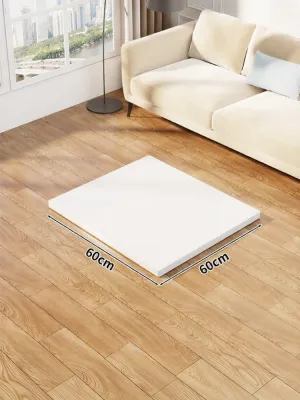
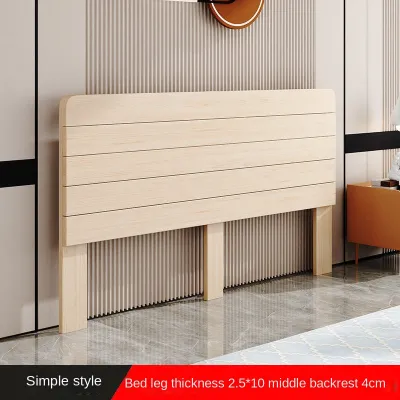
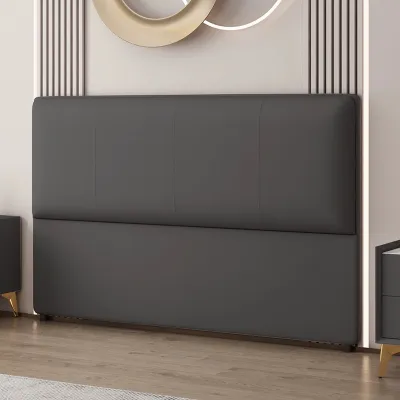


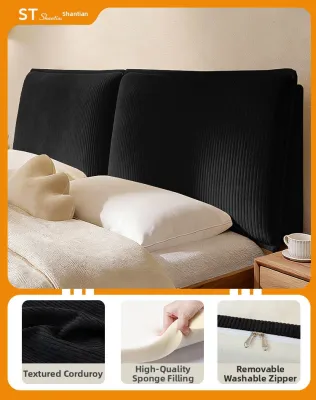
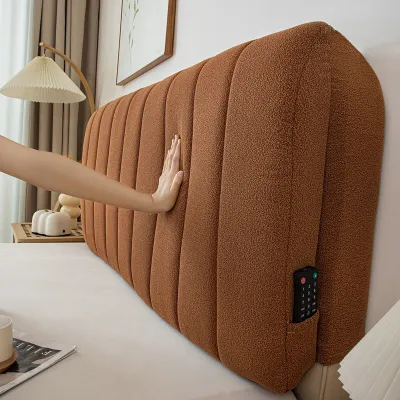
Prices are valid at publication and may change. Please refer to the product page for the latest price.
Wardrobe door clearance is another critical factor that is often overlooked. Many HDB bedrooms feature built-in wardrobes with swing doors that require a clear radius to open fully. If the bed frame and headboard extend too far forward, they can block these doors or make accessing your clothes highly inconvenient. Even if you have sliding wardrobe doors, a tight clearance can make standing in front of the wardrobe feel cramped and uncomfortable.
When measuring wall-to-wall distance, do not forget to account for the thickness of skirting boards along the base of the wall. Skirting boards can prevent a bed frame or headboard from sitting completely flush against the wall, creating a small gap of 1 to 2 centimeters. While this seems minor, it adds to the overall length of the bed setup and can cause the headboard to tilt slightly if the frame is not designed to accommodate the gap.
Vertical and electrical constraints must also be accounted for before finalizing your purchase. In Singapore, many bedrooms feature low window sills, wall-mounted air conditioning units, or low-hanging ceiling fans that can restrict the height of your headboard. Additionally, check the placement of electrical sockets and light switches on the headboard wall. A wide or exceptionally thick headboard can cover these essential outlets, requiring costly electrical relocation or awkward extension cords.
Comparing Headboard Materials and Profiles
Wooden and metal headboards generally offer the slimmest profiles, often adding as little as 2 to 5 centimeters to the overall length of the bed. This makes them excellent options for tight HDB rooms where maximizing walkway space is the primary goal. These materials provide a clean, minimalist aesthetic and do not encroach on the limited floor area of smaller bedrooms.

In contrast, upholstered headboards offer a plush, comfortable backrest for sitting up, but they come with a larger physical footprint. The padding, tufting, and internal framing of upholstered designs can add 15 to 30 centimeters of depth to the bed frame. If you prefer this style, look for brands that offer slim upholstered profiles or semi-upholstered designs that minimize unnecessary bulk.
Singapore’s warm, humid climate poses specific challenges for furniture maintenance, particularly for upholstered items. Fabric headboards can trap dust mites, pet dander, and moisture, potentially leading to mold or musty odors if the room is not well-ventilated. When comparing brands, review the manufacturer’s care labels and material specifications. Prioritize brands that offer removable, washable covers or high-quality synthetic leathers that can be easily wiped down. Solid wood or powder-coated metal headboards require minimal maintenance, needing only a quick dust or wipe with a damp cloth.
The visual weight of different headboard profiles also affects how spacious an HDB bedroom feels. A tall, dark, upholstered headboard can dominate a small room, making the ceiling feel lower and the space more enclosed. Conversely, a low-profile headboard in light wood, natural cane, or slim metal allows more light to bounce around the room, creating an illusion of openness. Consider how the visual profile, not just the physical dimensions, impacts the overall atmosphere of your sleeping space.
The structural connection points between the headboard and the bed base are crucial for long-term stability. Because the headboard often serves as a backrest, it must withstand regular pressure. Examine how the headboard connects to the bed base; some brands use simple brackets that can wobble or creak over time, while others feature integrated, single-piece frames or heavy-duty bolting systems. Prioritize brands that specify robust, reinforced connection points to prevent damage to both the frame and your bedroom wall.
Brand Evaluation Checklist for HDB Deliveries and Assembly
Reliable furniture brands should provide comprehensive, transparent dimension diagrams on their websites or product sheets. This includes not just the overall width and length, but also the headboard height, the height from the floor to the top of the slats, and the clearance underneath the bed. Avoid brands that only list generic size categories without detailed schematics, as even minor variations can affect how the bed fits in your room.
Delivery logistics are a major consideration for HDB dwellers. Corridors, lift doors, and bedroom entryways can be narrow, especially in older estate blocks. Before purchasing, verify the packaged dimensions of the headboard and frame. A massive, non-detachable king-size headboard may not fit inside a standard HDB passenger lift or navigate a tight corridor corner. Choose brands that offer flat-packed delivery or modular headboards that can be assembled directly inside the bedroom.
Assembly conditions are another critical factor to evaluate. Some brands deliver bed frames fully assembled, which can make navigating tight HDB stairwells or lift lobbies extremely difficult. Other brands provide flat-packed items that require on-site assembly. If you plan to assemble the bed frame yourself, check if the brand provides clear, step-by-step instructions and all necessary tools. If you prefer professional assembly, verify whether the brand includes this service or charges an additional flat rate.
Warranty terms and assembly requirements offer valuable insights into a brand’s quality and reliability. Review the warranty coverage specifically for frame sagging, joint stability, and slat durability. Pay close attention to the recommended slat spacing—ideally less than 7 centimeters apart for pocketed spring mattresses—and the maximum weight capacity. A reputable brand will clearly state these limits, ensuring your mattress is properly supported and your warranty remains valid.
Decision Framework: Choosing the Right Brand for Your Room
To make an informed decision, categorize your options based on your primary spatial and functional needs. If your priority is preserving every square centimeter of floor space and maintaining wide walkways, focus on brands that specialize in slim-profile, integrated wooden or metal frames. These designs keep the bed’s footprint as close to the mattress size as possible, ensuring a comfortable flow around the room.
If you prefer a clean, minimalist look and want to simplify floor cleaning, consider brands that offer wall-mounted headboards or modular configurations. This setup allows you to position the bed frame flush against the wall without a bulky integrated headboard, making it easier to sweep or vacuum underneath and offering greater flexibility for future room reconfigurations.
For those planning to use heavy latex or hybrid mattresses, or those who require integrated under-bed storage drawers, prioritize structural integrity over aesthetics. Verify the base support specifications first. Ensure the brand’s frame can handle the combined weight of the mattress, storage items, and sleepers without bowing, and check that storage drawers have enough clearance to slide open without hitting bedside tables or wardrobe doors.
Frequently Asked Questions (FAQ)
Are wall-mounted headboards better for small HDB bedrooms?
Wall-mounted headboards can be highly beneficial for small HDB bedrooms because they eliminate the physical gap between the mattress frame and the wall, saving valuable centimeters of floor space. They also allow you to customize the mounting height to clear electrical outlets or align with window sills. However, before choosing this option, you must verify the structural integrity of your bedroom wall. HDB partition walls (drywalls) may require specific anchors or professional reinforcement to support a heavy wall-mounted headboard safely. Check if the brand provides professional installation services to ensure secure mounting.
Do local furniture brands offer headboards with built-in storage?
Yes, several furniture brands in Singapore offer headboards with integrated shelving, hidden compartments, or pull-out storage. While these designs are excellent for keeping books, phones, and glasses within reach without needing bedside tables, they significantly increase the overall depth of the bed frame. A storage headboard can easily add 20 to 40 centimeters to the bed’s length. Before purchasing, carefully measure your room to ensure this extra depth does not block your wardrobe doors, obstruct walkways, or cover wall-mounted power outlets.

Community discussion
Share your experience or ask a question. Comments are reviewed before publication.