
Finding the ideal queen size bed headboard for a Housing & Development Board (HDB) bedroom requires balancing personal style with strict spatial realities. Because HDB master bedrooms and common rooms feature standardized but compact layouts, choosing the right brand category is more critical than simply picking an attractive design. The “best” headboard is one that respects your room’s physical limits, matches your storage needs, and complements the visual flow of the space. This guide compares the primary bed frame brand categories available in Singapore—local custom carpentry, international retail giants, and online direct-to-consumer brands—to help you identify which option aligns with your home. By evaluating spatial constraints, material suitability for Singapore’s humid climate, and installation requirements, you can make an informed decision that maximizes both comfort and floor area.
Understanding Space Constraints for HDB Bedrooms
Before browsing any furniture showroom or online catalog, you must establish the exact physical boundaries of your sleeping area. HDB bedrooms, particularly in newer Build-To-Order (BTO) flats, often have tight configurations where every millimeter counts. Begin by measuring the exact width of the wall where the headboard will rest. Do not rely on floor-to-floor measurements; instead, measure from the face of one skirting board to the other, as these baseboards can reduce your usable wall width by several centimeters. Additionally, factor in the clearance required for built-in wardrobes, swing doors, and bedside tables to ensure the headboard does not block access or crowd your walkways.
Vertical space is another critical dimension that is frequently overlooked. Measure the height from your floor to the ceiling, noting the placement of wall-mounted air conditioning units, windows, and electrical sockets. A headboard that is too tall can block the airflow from an air conditioner, obstruct natural light from a window, or cover essential power outlets and light switches. If your room features low ceilings or structural beams, a high-profile headboard can make the entire room feel cramped and dark.
Products mentioned in this guide
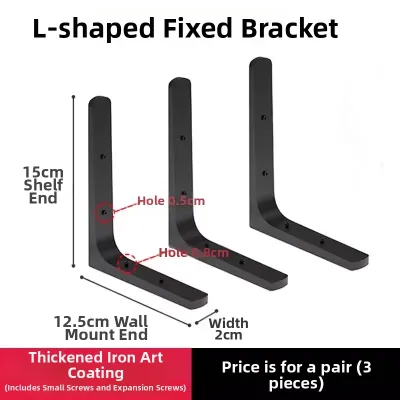
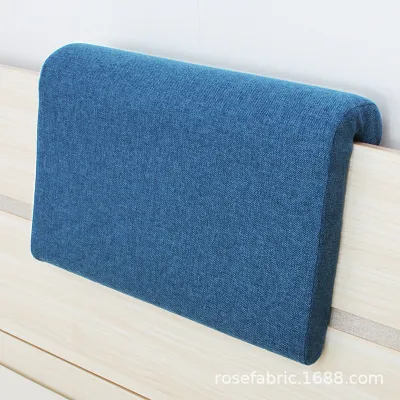
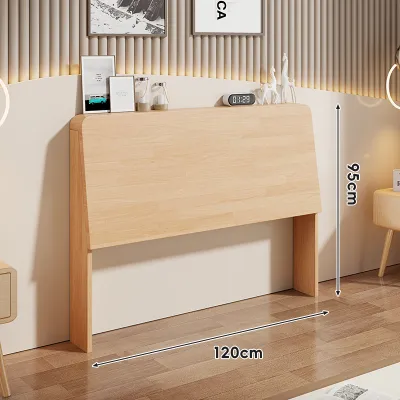
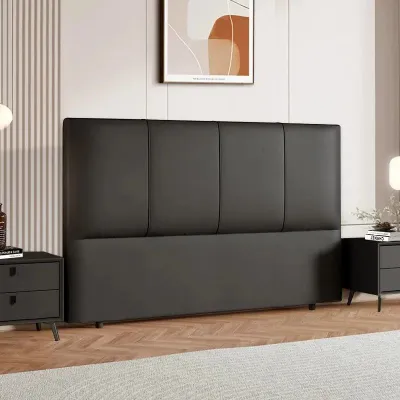
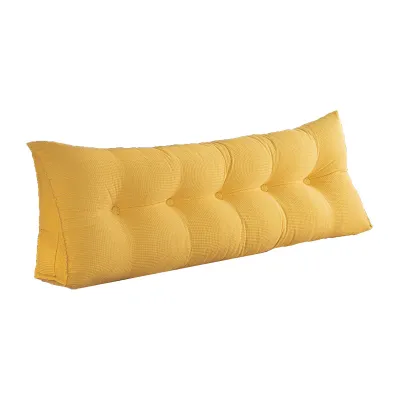
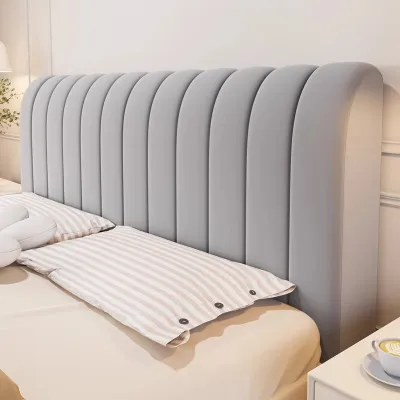
Prices are valid at publication and may change. Please refer to the product page for the latest price.
Finally, evaluate the depth of the headboard, which directly impacts the remaining walkway space at the foot of the bed. Standard queen size mattresses measure 152 cm in width and 190 cm in length, but a thick, heavily padded headboard can add 15 to 30 cm of unnecessary depth to the overall bed frame. In a compact HDB bedroom, this extra depth can restrict the clearance between the foot of the bed and the opposite wall or wardrobe doors. Ensure you check the manufacturer’s finished product dimensions to confirm that the combined length of the frame and headboard leaves at least 60 cm of clear walking space around the bed.
Comparing Bed Frame Brand Categories for HDB Compatibility
To find the right fit, it is helpful to categorize your options into three distinct brand types: local custom carpentry brands, international retail furniture brands, and online direct-to-consumer (DTC) modular brands. Each category offers unique advantages and trade-offs regarding spatial adaptability, design flexibility, and installation complexity.

Local custom and carpentry brands excel at delivering tailored solutions for highly specific or irregular HDB layouts. If your bedroom features an awkward alcove, an uneven wall, or a structural pillar, custom brands can design a headboard that fits these anomalies perfectly. They allow you to specify the exact thickness and height of the headboard, meaning you can opt for an ultra-slim profile of just a few centimeters to save precious floor space. Furthermore, custom brands can seamlessly integrate hidden storage compartments, built-in bedside ledges, and recessed LED lighting directly into the headboard structure, eliminating the need for separate, bulky bedside tables.
International retail furniture brands offer standardized queen size headboards that are highly valued for design consistency and predictable manufacturing quality. These brands typically feature large physical showrooms in Singapore, allowing you to test the comfort, texture, and visual weight of the headboard in person before purchasing. However, because these products are mass-produced to international standards, they often come with fixed depth and height dimensions that cannot be altered. This lack of flexibility means you must carefully verify that the standardized dimensions will not interfere with your HDB room’s existing fixtures, sockets, or wardrobe doors.
Online direct-to-consumer and modular brands have gained popularity by offering space-saving, minimalist designs tailored for modern apartment living. Many of these brands specialize in slim-profile, lightweight, or wall-mounted headboards that minimize physical bulk. Because they operate primarily online, they often provide detailed digital specification sheets and interactive planning tools to help you visualize the bed frame in your space. When purchasing from online brands, it is crucial to verify their delivery protocols and assembly requirements, as some modular designs may require self-assembly or specific wall-anchoring methods that you must coordinate independently.
Selecting Space-Saving Designs and Materials
The visual weight of a headboard plays a significant role in how spacious your HDB bedroom feels. Bulky, dark-colored, or floor-to-ceiling wooden panels can overwhelm a small room, making it feel enclosed and dark. To maintain an open and airy atmosphere, consider slim-profile headboards, floating designs that expose the floor underneath, or light-colored upholstery that reflects natural light. A headboard with a clean, minimalist silhouette helps draw the eye upward without dominating the room’s visual landscape.
Material selection is equally important, especially given Singapore’s warm and humid tropical climate. When choosing upholstered headboards, check the manufacturer’s care instructions and product specifications for moisture resistance, stain resistance, and ease of cleaning. Fabrics like linen and cotton are breathable but can absorb moisture and dust mites if not treated, whereas synthetic blends or performance fabrics are often easier to wipe clean and maintain. If you prefer wooden or engineered wood headboards, verify that the finish is sealed properly to prevent warping or mold growth in humid conditions.
Structural stability and mounting requirements must also be carefully evaluated, particularly for wall-hung or floating headboard designs. A wall-mounted headboard must be securely anchored to prevent tipping or shifting over time. Before purchasing, check the product’s installation manual to determine the required mounting hardware and whether it is compatible with your bedroom walls. Heavy headboards require robust support, and installing them incorrectly can damage your walls or pose a safety hazard, making it essential to understand the structural demands of your chosen design.
Decision Framework: Which Brand Type Fits Your HDB Room?
To finalize your choice, use a conditional decision framework based on your specific HDB room layout, renovation timeline, and installation preferences.
You should prioritize local custom carpentry brands if your bedroom has irregular dimensions, structural pillars, or if you require a millimeter-perfect fit that integrates bedside shelving and electrical outlets. This option is ideal for homeowners undergoing a full home renovation who can coordinate the installation directly with their interior designer or contractor.
Choose international retail brands if you prefer a convenient, ready-made solution, want to experience the product in a physical showroom, and have a standard bedroom layout that easily accommodates fixed, non-adjustable furniture dimensions. This path is best if you want predictable lead times and professional, all-in-one delivery and assembly services.
Opt for online direct-to-consumer and modular brands if you are working with a tight budget, prefer minimalist or ultra-slim designs, and are comfortable verifying delivery access and handling minor assembly tasks yourself. This is an excellent choice for quick room refreshes or rental properties where permanent wall modifications are not feasible.
Before making any final purchase, always verify if your building has specific renovation guidelines regarding drilling, especially if you plan to mount a heavy headboard onto a shared party wall or a structural column. Taking the time to cross-reference your room’s physical measurements with the manufacturer’s detailed specifications will ensure a seamless installation and a comfortable, spacious bedroom environment.
Frequently Asked Questions (FAQ)
Can I install a wall-mounted headboard in an HDB bedroom?
Yes, but the installation feasibility depends entirely on the type of wall in your bedroom. Most HDB flats feature concrete structural walls, columns, or lightweight concrete partition walls. Mounting a heavy headboard onto a concrete wall requires heavy-duty wall plugs, a hammer drill, and precise drilling, which must comply with HDB renovation guidelines regarding structural integrity. If the wall is a hollow drywall partition, you must locate the internal metal or timber studs to anchor the headboard securely, as drywall alone cannot support heavy loads. Always consult a qualified professional installer or contractor to assess your wall type before drilling.
How do I ensure a queen size headboard fits through HDB lifts and doors?
To avoid delivery day complications, you must measure the entire transit path from the unloading bay to your bedroom. Measure the height, width, and depth of your HDB lift cabin, as well as the height and width of the lift entrance doors. Additionally, check the turning clearance in your floor’s common corridor and the clear width of your main entrance door and bedroom doors. Compare these measurements against the manufacturer’s packaged dimensions, rather than the assembled product dimensions, to ensure the delivery team can safely navigate the corridors and doorways without damaging your home or the furniture.

Community discussion
Share your experience or ask a question. Comments are reviewed before publication.