
In Singapore’s modern residential landscape, the kitchen island has evolved from a simple food preparation zone into the social heart of the home. Whether you live in a cozy HDB flat or a spacious condominium, choosing the right bar stool chair is essential to making this space functional and inviting. However, navigating the diverse array of furniture brands available locally can be challenging. With options ranging from high-end designer showrooms to budget-friendly online marketplaces, finding the perfect balance of build quality, design aesthetics, and overall value requires a systematic approach.
Rather than searching for a single, universally “best” brand, smart buyers understand that the ideal choice depends entirely on their specific household needs. A high-traffic kitchen island where family members gather for daily meals, remote work, and homework demands a highly durable, easily cleanable stool. Conversely, an occasional home bar set up on a sheltered balcony or in a dining alcove might prioritize lightweight flexibility or a specific design statement over heavy-duty wear resistance.
To make an informed decision, you should evaluate local options across three core pillars: verifying structural build quality, matching design aesthetics to your physical space constraints, and assessing long-term value against your budget. By prioritizing manufacturer-provided specifications, material certifications, and observable design features over vague marketing claims, you can confidently select bar stools that look exceptional and stand the test of time in Singapore’s unique climate.
Products mentioned in this guide
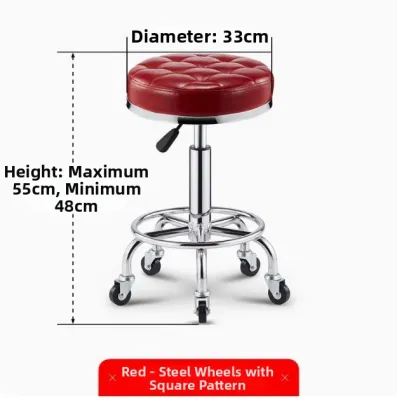
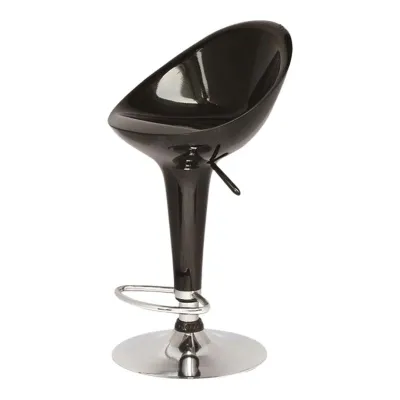
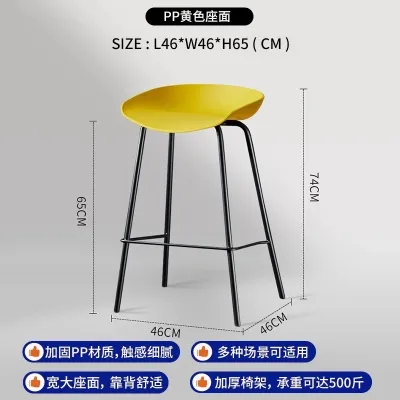
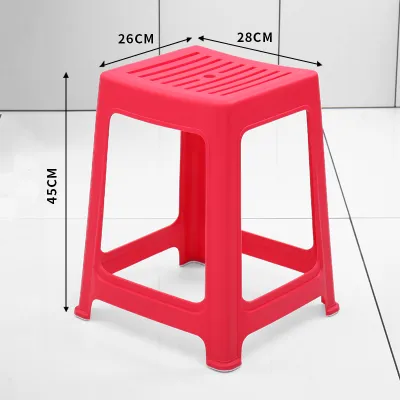
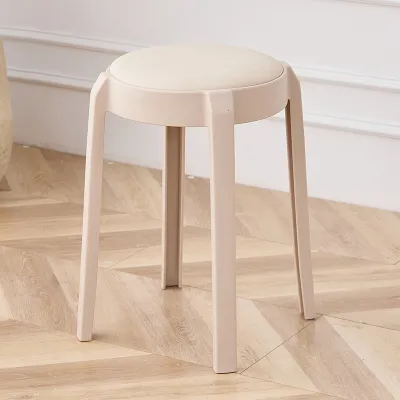
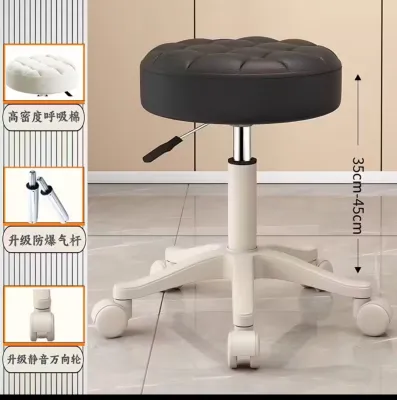
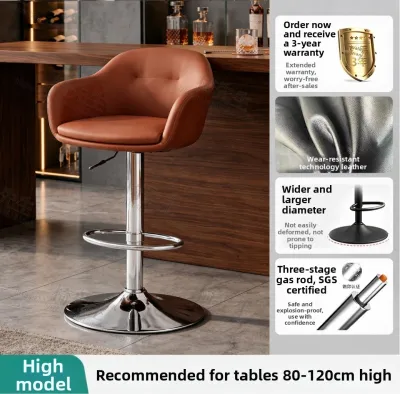
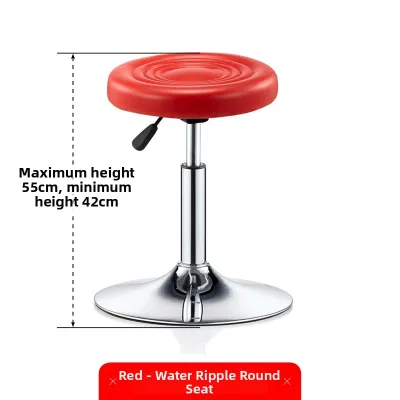
Prices are valid at publication and may change. Please refer to the product page for the latest price.
Evaluating Build Quality and Structural Stability
When comparing different bar stool brands, structural integrity should always be your primary consideration. The frame material serves as the foundation of any stool, and understanding the differences between solid wood, metal, and engineered wood is crucial. Solid hardwoods like oak, beech, or teak offer excellent natural strength and stability, provided the joints are properly constructed. Look for brands that utilize traditional joinery methods, such as mortise and tenon joints, or those that reinforce connections with heavy-duty metal brackets. Avoid stools that rely solely on basic glue and staples, as these can loosen over time under regular use.
Metal frames, typically made from steel or aluminum, provide outstanding durability and a slimmer profile. When evaluating metal stools, pay close attention to the welds; they should be smooth, continuous, and free of visible pinholes or cracks. Additionally, consider the weight of the base. A heavier base lowers the center of gravity, significantly reducing the risk of the stool tipping over when someone sits down or stands up. This is particularly important for taller bar-height stools or in households with young children and pets.
It is vital to remember that a material name alone does not guarantee performance. For instance, simply labeling a stool as “solid wood” or “powder-coated steel” does not automatically mean it is resistant to moisture, scratches, or daily wear. Instead, convert these claims into practical checks. Inspect the quality of the protective finish—such as polyurethane coatings on wood or thick powder coatings on metal—which shield the underlying material from Singapore’s high humidity. Always review the manufacturer’s care instructions and check the stated load capacity to ensure the stool can safely support daily use.
Upholstery and cushioning also require careful inspection. If you are considering padded stools, look closely at the stitching along the seams. Double-stitched seams and tight, even tension indicate superior craftsmanship that can withstand frequent sliding on and off the seat. For fabric or leather options, check the manufacturer’s cleaning guidelines. Synthetic leathers like high-grade polyurethane (PU) are often easier to wipe clean in a busy kitchen environment, whereas delicate natural fabrics may require professional cleaning or specialized protective treatments.
Finally, examine any moving parts, such as swivel mechanisms and gas lift cylinders for adjustable-height stools. A high-quality swivel mechanism should operate smoothly and quietly without grinding or wobbling. If you opt for an adjustable stool, verify that the gas lift cylinder is certified by a recognized safety body, such as SGS or TUV, which ensures the pressurized cylinder is built to high safety standards. Do not forget to inspect the footrest; it should be welded or securely bolted to the main frame, as it acts as a crucial step and support point for users of varying heights.
Matching Design Aesthetics and Space Constraints
A beautiful bar stool is only successful if it fits harmoniously within your home’s physical dimensions and design language. Before browsing local showrooms or online catalogs, you must take precise measurements of your counter space. The most common mistake is confusing counter height with bar height. Standard kitchen counters in Singapore typically stand around 85 to 90 centimeters high, requiring counter-height stools with a seat height of approximately 60 to 65 centimeters. Dedicated bar tables or high islands often stand around 100 to 105 centimeters high, requiring bar-height stools with a seat height of 70 to 75 centimeters.

To ensure comfortable seating, aim for a clearance gap of 25 to 30 centimeters between the top of the stool seat and the underside of the counter. This gap provides ample legroom for most adults and prevents your knees from pressing against the counter structure. If your counter has a thick overhanging apron or support beams underneath, measure from the lowest point of that structure rather than the top surface of the counter.
Beyond height, you must calculate the horizontal footprint and spacing of your stools to avoid a cluttered, impractical setup. As a general rule, allow at least 15 centimeters of space between each stool to let users turn, sit, and stand comfortably without bumping elbows. Additionally, leave approximately 30 centimeters of clearance from the center of the outermost stools to the edge of the counter. For example, if you have a 1.8-meter-long kitchen island, you can comfortably accommodate three stools with a standard width of 40 to 45 centimeters, whereas wider stools with armrests might limit you to just two.
The design profile of the stool should complement your existing interior theme. Modern minimalist styles often feature clean lines, slim metal legs, and neutral tones, making them ideal for sleek, contemporary HDB flats. Industrial metal stools, with their rugged frames and distressed wood accents, pair beautifully with loft-style apartments or rustic dining spaces. If your home embraces a warm, organic aesthetic like Japandi or Scandinavian design, look for stools crafted from light-toned solid woods with woven paper cord or soft fabric seats. Consider how the visual weight of the stool affects the room; backless stools can be tucked completely under the counter when not in use, keeping sightlines clear and making small kitchens feel significantly larger.
Weighing Budget, Value, and Long-Term Durability
When comparing bar stool brands in Singapore, price variations are often driven by material quality, manufacturing complexity, and brand heritage. Budget-friendly options, frequently constructed from engineered wood, lightweight steel, or basic plastics, are highly accessible and excellent for temporary living arrangements or occasional use. However, they may lack the structural reinforcement and premium finishes required for heavy daily traffic.
Mid-range and premium stools typically justify their higher cost through the use of sustainably sourced solid hardwoods, top-grain leathers, high-density resilient foam, and advanced mechanical components. These materials not only feel more luxurious but also offer superior longevity, making them a more cost-effective investment over time if the stools are used daily. When evaluating the price, consider the cost per use; a durable, comfortable stool that lasts for years provides far better value than a cheap alternative that requires replacement after a short period due to a failing gas lift or wobbly joints.
Another critical factor in the value equation is the level of customer support and service provided by the retailer. In Singapore’s dense urban environment, logistics can significantly impact your purchasing experience. Check whether the brand offers reliable delivery services, and clarify if they provide professional on-site assembly. Many high-quality stools are delivered flat-packed, and improper self-assembly can compromise the stool’s stability and safety.
Furthermore, review the warranty terms carefully. A reputable brand should offer a clear warranty covering structural defects, frame stability, and mechanical parts like gas lifts for at least one to two years. Be sure to understand the return and exchange policies as well, especially when purchasing online, as returning a bulky piece of furniture can be logistically complex and costly if the stool does not fit your space as expected.
Decision Framework: Choosing the Right Bar Stool Chair
To simplify your decision-making process, use this conditional framework to align your household priorities with the right stool specifications:
- For High-Traffic Family Kitchens: Prioritize durability, stability, and ease of cleaning. Choose stools with heavy-duty metal or solid wood frames featuring reinforced joints. Opt for non-porous seat materials like molded plastic, treated wood, or wipeable synthetic leather. Avoid delicate fabrics or intricate designs that can trap food crumbs and spills.
- For Extended Comfort and Dining: If your kitchen island doubles as your primary dining table or home workspace, comfort is paramount. Choose upholstered or padded designs with supportive backrests and integrated footrests. Ensure the seat depth and width are generous enough to support comfortable sitting for several hours.
- For Compact Apartments and Multi-Functional Spaces: If you need to maximize floor space in a smaller home, look for minimalist, backless, or stackable designs. These stools can be easily tucked completely underneath the counter overhang when not in use, keeping your walkways clear and maintaining an open, spacious feel.
- Logistics and Delivery Check: Before finalizing your purchase, always verify the delivery and assembly conditions. Ensure the finished dimensions of pre-assembled stools can easily clear your home's doorways, hallways, and lift access. If you live in a walk-up apartment or a building with tight elevator constraints, confirm with the retailer whether their delivery team can navigate these obstacles safely.
Frequently Asked Questions (FAQ)
What is the ideal height gap for a bar stool chair?
The ideal height gap between the top of the bar stool seat and the underside of your counter or bar table is between 25 and 30 centimeters. This spacing provides comfortable legroom for most adults, allowing you to sit naturally without your thighs pressing against the counter. Always measure from the lowest point of the counter’s underside—taking into account any support beams, drawers, or decorative aprons—rather than the top surface. Comparing these exact physical dimensions against the manufacturer’s product specifications before purchasing is the most reliable way to ensure a perfect fit.
How should I maintain and clean different stool materials?
Proper maintenance depends entirely on the specific materials used in your bar stool’s construction. For solid wood and metal frames, routine dusting with a soft, dry microfiber cloth is usually sufficient; avoid harsh chemical cleaners that can strip protective polyurethane or powder coatings. For upholstered seats, always refer to the manufacturer’s care label. Synthetic leathers can typically be wiped down with a damp cloth and mild soap, while fabric seats may benefit from regular vacuuming with a brush attachment. For deep stains, structural wobbles, or damaged gas lifts, stop using the stool immediately and consult a professional furniture repair service or the original manufacturer to prevent safety hazards.
Community discussion
Share your experience or ask a question. Comments are reviewed before publication.