
Finding the perfect bar stool for your Singapore home involves balancing aesthetic appeal with structural durability. With options ranging from budget-friendly online marketplaces to high-end designer showrooms, no single brand or retailer universally fits every household. The ideal choice depends on matching a brand’s typical construction methods, material selections, and quality control standards to your specific budget and usage frequency.
When shopping locally, you will generally encounter two distinct sourcing paths: mass-market ecommerce platforms and specialized local furniture showrooms. While online marketplaces offer unmatched convenience and lower entry prices, physical showrooms allow you to test stability and material finishes firsthand. Rather than relying solely on brand reputation or marketing claims, verifying structural details like weight capacity, joint construction, and warranty terms remains the most reliable way to secure a lasting investment.
Understanding Price Tiers and Value Propositions
To navigate the Singapore market effectively, it helps to categorize available bar stools into three distinct price tiers, each offering a different value proposition. Entry-level stools, commonly found on major online marketplaces, prioritize cost-effectiveness and rapid assembly. These products often utilize lightweight materials such as thin-walled steel tubing, synthetic leather upholstery, and medium-density fibreboard (MDF) cores. While highly affordable, they are best suited for light or occasional use, as their finishes and mechanical connections may wear down faster under daily family demands.
Products mentioned in this guide
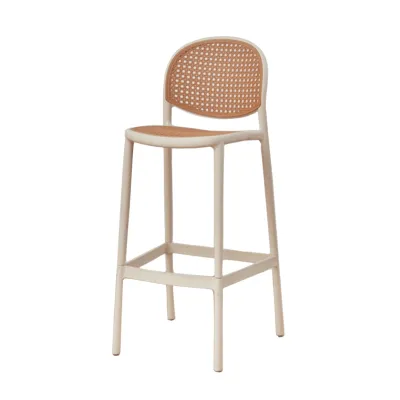
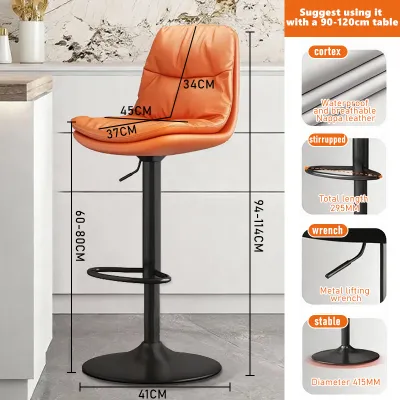
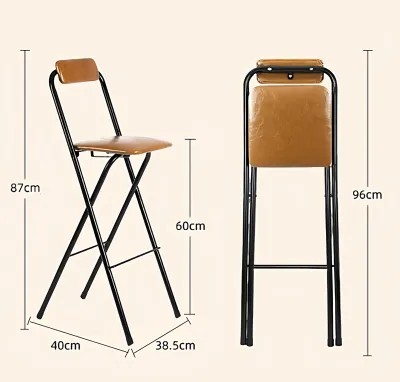
![[Free Shipping]High Chair Bar Chair Dining Chair Coffee Shop Bar Stool Platform Simple Chair](https://img.lazcdn.com/g/p/ff1a169badfd581f5353a8d7aff54508.jpg_400x400q80.jpg_.webp)
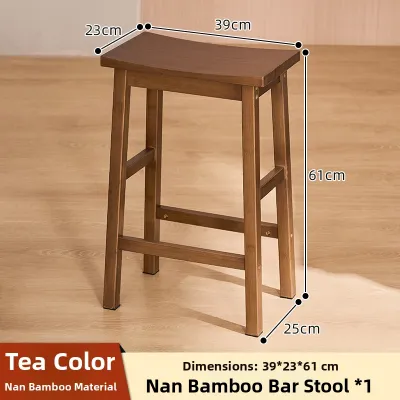
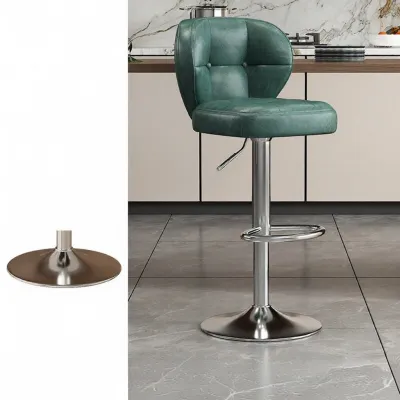
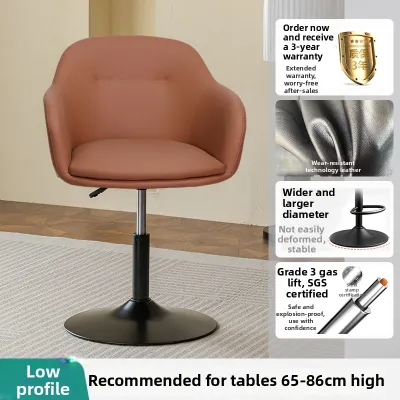
![[TheGoodFurniture] 纤维面 / 合木 椅头. 铁脚 Hardboard or Fibreglass seat with black metal frame stool. Chair. High chair. Bar stool. Wooden. Cheap but strong. Budget.合木椅头.纤维面椅头.](https://img.lazcdn.com/g/p/754a054813533f21abec1e4b60dc4dfb.jpg_400x400q80.jpg_.webp)
Prices are valid at publication and may change. Please refer to the product page for the latest price.
Mid-range options, typically distributed by established local furniture retailers and home decor chains, offer a noticeable step up in structural integrity. In this tier, you can expect improved surface treatments, such as powder-coated metal frames or protective clear coats on engineered wood. Structural frames are more standardized, and manufacturers often provide basic warranties covering manufacturing defects for a limited period. These stools strike a practical balance for HDB flats and condominiums where the kitchen island serves as a daily dining and working hub.
Premium bar stools, sourced from specialized design boutiques and high-end furniture brands, focus on longevity, craftsmanship, and premium materials. Here, you will find solid hardwoods like oak, teak, or walnut, alongside heavy-duty welded metal bases and top-grain leather or high-performance contract fabrics. These brands back their products with comprehensive after-sales support and extended structural warranties. Investing in this tier is highly logical if you view your seating as a long-term architectural fixture rather than temporary decor.
Ultimately, smart buyers evaluate the cost-per-use and overall longevity of a stool rather than focusing solely on the initial S$ price tag. A cheap stool that requires replacement after a year of heavy use often costs more over time than a mid-range or premium model built to withstand years of daily friction, spills, and weight shifts.
Evaluating Build Quality Beyond Material Names
Assessing the build quality of a bar stool requires looking past generic material names like “metal” or “wood” to examine how the piece is actually put together. For metal frames, inspect the connection points carefully. Heavy-duty welded joints offer far superior stability and weight distribution compared to simple spot welds or thin mechanical fasteners that can loosen over time. If the stool relies on bolts and screws, check whether the brand includes locking washers or threaded metal inserts, which prevent the hardware from backing out during regular use.

For wooden stools, the method of joinery is a primary indicator of durability. Look for traditional woodworking joints, such as mortise-and-tenon or dowel construction, reinforced with corner blocks. Avoid stools that rely solely on staples, nails, or basic wood screws to hold the main load-bearing frame together, as these connections easily wobble under lateral forces.
Base stability is another critical factor, especially for taller seating. Evaluate the footprint width relative to the seat height; a wider base prevents tipping when a user leans or climbs onto the stool. For single-column pedestal stools, check the weight of the base plate and ensure it features a thick, non-slip rubber or silicone ring on the underside. This ring not only prevents the stool from sliding but also protects delicate flooring materials like vinyl, laminate, or polished marble from scratches.
Do not overlook the footrest design, which experiences significant, repetitive pressure as users step up and rest their feet. A robust footrest should be securely integrated into the main frame rather than bolted on as an afterthought. On wooden stools, look for footrests reinforced with metal protective plates to prevent the wood from wearing down, splintering, or losing its finish over time.
We also recommend verifying the manufacturer’s stated weight capacity rather than making assumptions based on visual thickness. Reliable brands will explicitly state their load limits in their product specifications. Where possible, look for compliance with independent testing standards, which indicate the design has undergone rigorous mechanical stress tests for safety and durability.
Space Planning and Sizing Checks Before Buying
Before committing to a specific brand or style, precise space planning is essential to ensure your new bar stools function comfortably within your home. Start by measuring the exact height of your kitchen counter or bar island from the floor to the underside of the counter surface. To ensure comfortable legroom and proper posture, aim for a clearance gap of approximately 25 to 30 centimetres between the top of the stool seat and the underside of the counter. For standard Singapore kitchen counters (around 90 centimetres high), counter-height stools with a seat height of 60 to 65 centimetres are typically ideal.
Next, calculate the horizontal footprint of the stools to ensure comfortable spacing and clear walkways. Allow at least 15 centimetres of space between each stool so users can turn, sit, and stand without bumping elbows. Additionally, ensure there is at least 75 to 90 centimetres of clearance behind the stools when they are tucked in, allowing family members to walk past safely without disrupting those seated.
Delivery logistics represent another crucial checkpoint that is frequently overlooked. Many premium or fully assembled bar stools are shipped in large, non-collapsible boxes. Measure the interior dimensions of your HDB or condominium elevator, as well as your main entryway and hallway clearances, to guarantee the delivery team can safely transport the items into your home. If your building has tight corners or restricted lift access, flat-packed models or stools with smaller footprints may be a more practical choice.
Decision Framework: Matching Brands to Your Needs
To narrow down your options and select the right brand, use a structured decision framework based on your household’s specific priorities. If you are furnishing a rental property, staging a home for sale, or shopping on a strict budget for occasional use, prioritize brands that emphasize cost-effectiveness, flat-pack shipping, and rapid delivery. In these scenarios, entry-level models from online marketplaces offer excellent short-term utility without a major financial commitment.
Conversely, if the bar stools will serve as the primary seating for daily family meals, remote work, or entertaining guests, prioritize brands with physical showrooms in Singapore and robust structural warranties. Visiting a showroom allows you to physically test the seat comfort, check the stability of the frame, and verify the quality of the upholstery before purchasing. A reliable warranty of one to five years provides peace of mind that the manufacturer stands behind their construction quality.
Before making a final purchase, always verify the brand’s support ecosystem. Check if they provide clear, comprehensive assembly instructions, readily available spare parts (such as replacement gas lifts or floor glides), and responsive local customer service. If you encounter any conflicting information regarding product specifications, seat heights, or weight capacities, stop and contact the retailer directly to clarify these details before placing your order.
Frequently Asked Questions (FAQ)
Do bar stools need to match the kitchen island exactly?
Exact matching is not required to create a cohesive and visually appealing kitchen space. In fact, choosing bar stools that contrast slightly with your kitchen island can add depth and design character to your home. Instead of trying to match wood stains or paint colors perfectly—which often looks mismatched if the tones are slightly off—focus on coordinating undertones or complementary materials. For example, if your island features a warm timber top, you might opt for metal-framed stools with warm leather upholstery to tie the design elements together harmoniously.
How do I verify the weight capacity of a bar stool?
To verify the weight capacity of a bar stool, always refer directly to the manufacturer’s official specification sheet, product manual, or the product label. Avoid making assumptions about a stool’s strength based solely on its visual thickness, weight, or material composition, as internal joints and gas-lift mechanisms dictate the actual load limit. If the weight capacity is not clearly listed on the retailer’s website or product page, contact the brand’s local customer support team to request the official specifications before finalizing your purchase.
Community discussion
Share your experience or ask a question. Comments are reviewed before publication.