
Finding the right back support chair brand for your Singapore home office is not about chasing generic lists. Because everyone’s body shape, desk height, and sitting habits differ, a brand that works for one person might cause discomfort for another. The most reliable brand for your needs is one that offers certified, adjustable dimensions that directly match your physical measurements.
Before browsing online marketplaces or visiting local showrooms, you should take a few preparatory steps. Measure the height of your current study desk and check the clearance space in your room, especially if you work in a compact HDB study corner. Identify your primary areas of physical discomfort, such as lower back stiffness or shoulder tension, and establish a realistic budget tier. This systematic approach ensures you evaluate brands based on objective specifications rather than marketing claims.
Core Ergonomic Standards to Compare Across Brands
When comparing different chair brands, you must look past aesthetic designs and focus on standardized ergonomic measurements. The physical dimensions of a chair determine whether it can support your body in a neutral posture throughout the workday.
Products mentioned in this guide
![Basic Ergonomic Chair Posture Correction Chair Lumbar Support Back and Waist Support Men Women and Kids Size (Roichen) [Compatible to ablue]](https://img.lazcdn.com/g/p/638d63d63634ce013431e1839e1b40c3.jpg_400x400q80.jpg_.webp)
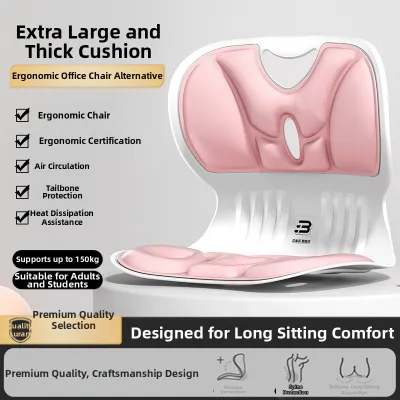
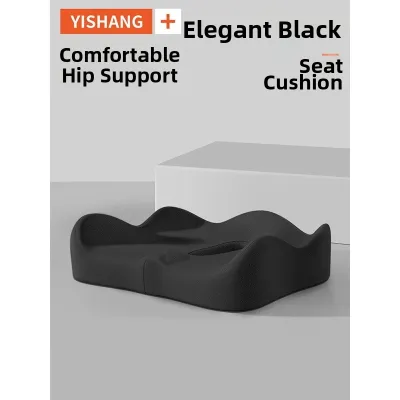
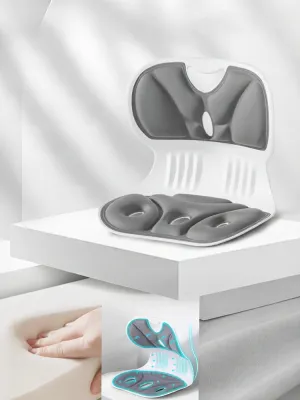
Prices are valid at publication and may change. Please refer to the product page for the latest price.
Seat Height and Depth Adjustability
A high-quality chair brand should provide detailed ranges for both seat height and seat depth on its product specification sheets. To verify if a chair fits your body, sit upright and measure the distance from the back of your knee to the sole of your foot; your chair’s seat height must adjust to match this measurement so your feet rest flat on the floor. For seat depth, measure from your lower back to the back of your knees. The chair’s seat pan should adjust so that when you sit all the way back, a gap of two to three fingers remains between the front edge of the seat and the back of your knees, preventing restricted blood circulation in your legs.
Armrest Adjustability (1D to 4D)
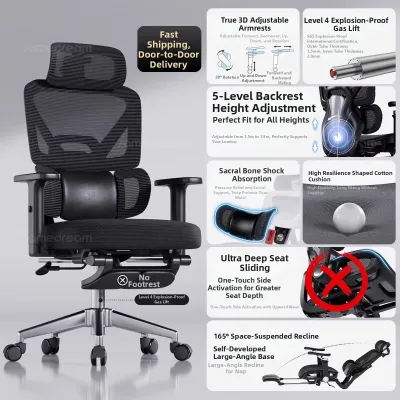
Armrests play a critical role in reducing strain on your neck and shoulders. Brands classify armrest movement using “D” ratings, which you can verify on the product label or manual. 1D armrests only adjust up and down, while 2D armrests add forward and backward movement. 3D armrests allow width adjustments, and 4D armrests add rotational movement. For proper alignment, look for brands offering at least 3D adjustability, which allows you to position the armrests close to your body so your elbows rest at a 90-degree angle, level with your desk surface, without forcing your shoulders to shrug.
Synchro-Tilt vs. Knee-Tilt Mechanisms
The tilt mechanism determines how the chair moves when you recline. A synchro-tilt mechanism, commonly found in dedicated ergonomic brands, allows the backrest to recline at a faster rate than the seat pan (typically a 2:1 ratio). This movement opens up your hip angle and keeps your feet flat on the floor, maintaining continuous lower back support. In contrast, a knee-tilt mechanism pivots from the front of the seat, which is comfortable for casual lounging but can lift your thighs and pull your lower back away from the support during active work. Always check the brand’s technical manual to confirm which mechanism is integrated into the model you are considering.
Comparing Backrest Materials and Lumbar Mechanisms
The materials and structural support systems used by a brand directly impact your daily comfort and the chair’s long-term durability.

Mesh vs. High-Density Foam
In Singapore’s warm and humid climate, material choice is a major consideration for heat dissipation. Mesh backrests offer excellent breathability, allowing air to circulate freely and keeping you cool. However, mesh quality varies significantly; check the manufacturer’s care label for tension specifications, as lower-grade mesh can stretch and sag over time, losing its supportive qualities. High-density molded foam provides firmer, more contoured support and distributes your weight more evenly across the seat, but it tends to retain body heat. Foam chairs also require more careful maintenance, including prompt spot-cleaning for spills, whereas mesh can generally be wiped down with a damp cloth according to the manufacturer’s care instructions.
Adjustable vs. Fixed Lumbar Support
Fixed lumbar support assumes that every user has the same spinal curvature, which is rarely the case. When comparing brands, look for adjustable lumbar support systems that allow you to modify either the height, the depth, or both. Check the product specifications for the exact travel range of the lumbar support to ensure it can align precisely with the natural curve of your lower spine. If you are shopping online, look for brands that provide clear diagrams of their lumbar adjustment mechanisms so you can verify how much physical support they actually deliver.
Headrest Integration
A headrest is not a mandatory ergonomic feature for everyone. It is primarily designed to support your neck and head when you recline to read, take phone calls, or rest. If you spend most of your day sitting in an upright typing posture, a fixed headrest can actually push your head forward into an unnatural position, causing neck strain. If you prefer having a headrest, look for brands that offer fully adjustable headrests (height and angle) or models where the headrest can be detached entirely if it restricts your natural movement.
Evaluating Build Quality, Warranties, and Value
Investing in a back support chair requires evaluating the brand’s build quality and customer policies to ensure long-term reliability.
Warranty Terms and Exclusions
A long warranty period can sometimes be misleading. Many brands advertise a 10-year or 12-year warranty, but a closer look at the official warranty document reveals that this extensive coverage only applies to the solid steel or aluminum frame. Wear-and-tear components, such as the gas lift cylinder, tilt mechanism, armrest pads, and mesh or fabric upholstery, often carry much shorter warranty periods, sometimes only 1 to 3 years. Before making a decision, download the brand’s warranty policy to verify exactly what is covered and whether they offer local warranty support in Singapore.
Base, Casters, and Floor Protection
The base of the chair is crucial for stability and safety. Check the specification sheet for the maximum weight capacity and the base material; heavy-duty nylon or aluminum alloy bases offer the best stability. Additionally, pay attention to the casters. Standard hard nylon casters can easily scratch parquet, laminate, or vinyl flooring, which are common in Singapore homes. Look for brands that offer soft polyurethane (PU) casters, or plan to purchase a protective chair mat to safeguard your floors from wear and tear.
Assembly and Return Policies
Because comfort is highly subjective, buying a chair online without testing it first carries a risk of a poor fit. Check the return policies of the online marketplace or official brand store before purchasing. Verify if the brand offers a home trial period, whether you are required to keep the original packaging for returns, and who covers the return shipping costs, which can be substantial for heavy furniture. Additionally, check if the chair is delivered fully assembled or if you must assemble it yourself, and ensure that the necessary tools and clear instructions are provided.
Decision Framework: Matching Brand Tiers to Your Home Office Needs
To narrow down your choices, you can categorize brands into distinct tiers based on your daily usage patterns, budget, and specific physical requirements.
Premium Ergonomic Brands
Consider premium ergonomic brands if you sit at your desk for 8 hours or more daily and require precise adjustments to maintain comfort. These brands typically feature advanced synchro-tilt mechanisms, multi-directional armrests, high-tensile elastomeric mesh, and robust aluminum bases. They also offer comprehensive warranties that cover moving parts for several years, making them a worthwhile long-term investment for dedicated remote workers.
Mid-Range Task Chair Brands
Mid-range task chair brands are highly suitable if you sit for 4 to 6 hours a day or split your time between a home office and a corporate workplace. These chairs offer reliable, basic lumbar support, standard height adjustments, and durable molded foam or mesh seats. While they may lack the micro-adjustability of premium models, they provide excellent value and sufficient support for standard daily tasks.
Medical Considerations
If you have pre-existing back pain, spinal injuries, or other medical conditions, do not rely solely on a commercial chair’s ergonomic claims. Consult a healthcare professional, such as an orthopedic specialist or physical therapist, before making a purchase. They can provide specific guidance on the level of support and firmness your body requires, which you can then use to evaluate a brand’s technical specifications.
Frequently Asked Questions (FAQ)
How do I know if a back support chair fits my body type before buying online?
To verify if a chair fits your body type before purchasing online, you must compare your personal physical measurements against the brand’s published specification sheets. Start by measuring your inseam while seated to determine your ideal seat height, and measure from your lower back to the back of your knees to find your required seat depth. Check the manufacturer’s product page for the recommended user height and weight limits. Additionally, look for brands that have physical showrooms in Singapore where you can test the chairs in person, or choose online retailers that offer clear, flexible return policies so you can test the fit in your own home office.
Is a headrest necessary for a home office back support chair?
A headrest is not a strict ergonomic requirement for standard home office work. Its main purpose is to support your neck and head when you recline to rest, read, or take phone calls. During active upright typing, your head should naturally align over your shoulders without resting against the back of the chair. If you choose a chair with a headrest, ensure it is fully adjustable in both height and angle so it does not push your head forward unnaturally. If you primarily work in an upright posture, you may find a fixed headrest restrictive and prefer a model without one.
What should I check on the warranty before choosing a specific brand?
Before choosing a brand, carefully read the official warranty terms to understand what is actually covered. Distinguish between the warranty for the structural frame and the coverage for moving parts, such as the gas lift cylinder, tilt mechanism, armrests, and mesh or foam degradation, which often have much shorter coverage periods. Check if the warranty is voided by self-assembly or if it requires professional installation. Finally, verify if the brand has a local service center or distributor in Singapore to ensure you can easily obtain replacement parts and local customer support if any issues arise.

Community discussion
Share your experience or ask a question. Comments are reviewed before publication.