
Quick Answer: Finding the Right Custom Aluminium Kitchen Cabinet Brand
No single brand universally offers the “best” customisation; the ideal choice depends on whether your kitchen requires complex structural modifications or purely aesthetic tailoring. If you are renovating a standard Built-to-Order (BTO) flat with a straightforward layout, a premium modular brand offering custom finishes may provide the best balance of value and design. Conversely, if you are dealing with an older resale Housing & Development Board (HDB) flat or a condominium with awkward corner pillars, exposed soil pipes, or non-standard built-in appliances, you will require a bespoke aluminium fabricator.
To find the right brand, evaluate three core criteria: in-house design and engineering capabilities, the flexibility of their proprietary aluminium extrusion profiles, and how seamlessly they integrate non-standard appliances. True customisation requires verifying a brand’s portfolio for completed, non-standard layouts rather than simply selecting from modular showrooms.
Core Dimensions for Evaluating Customisation Flexibility
When exploring the market for an aluminium kitchen cabinet, it is vital to understand what “custom design” actually entails. Many homeowners confuse modular resizing with true custom fabrication. Modular resizing involves adjusting standard cabinet box widths or heights in fixed increments, such as 50mm steps, to fill a wall space. While this can eliminate large gaps, it does not solve complex spatial challenges. True custom fabrication allows for the creation of unique frame profiles, angled cuts to match non-orthogonal walls, and integrated structural supports tailored to your specific kitchen.
Products mentioned in this guide
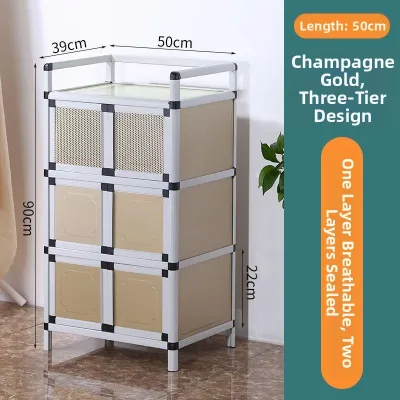
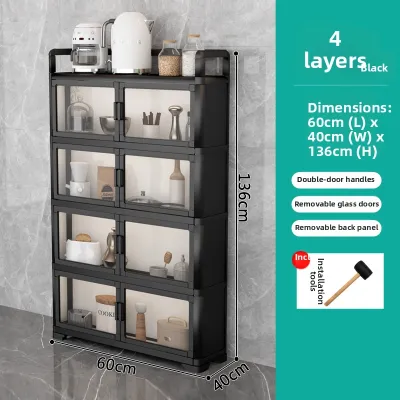
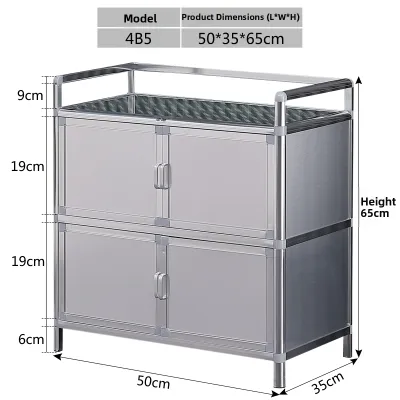
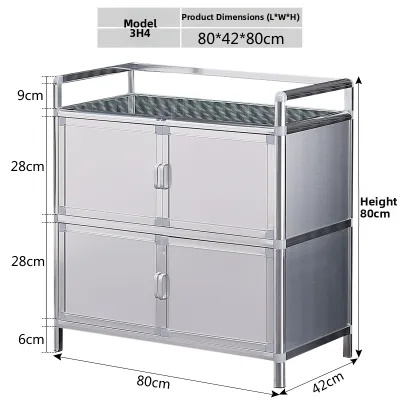
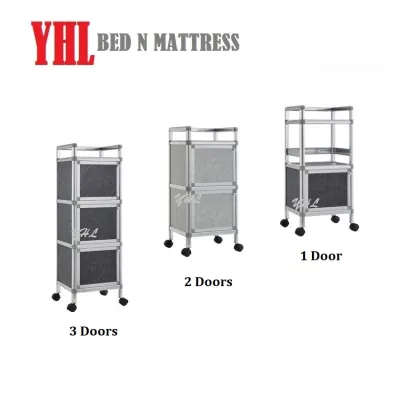
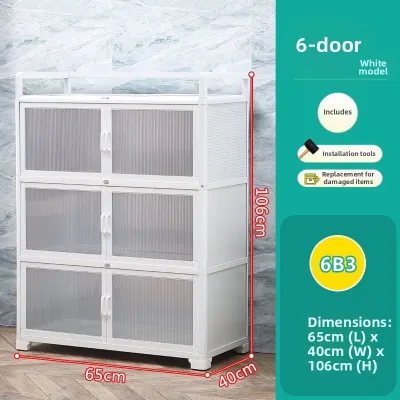
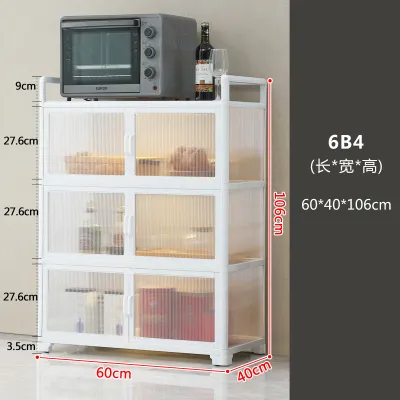
Prices are valid at publication and may change. Please refer to the product page for the latest price.

Aluminium is a highly durable and lightweight material, but it behaves very differently from traditional wood-based materials like plywood or medium-density fibreboard (MDF). Wood can be easily shaved, planed, or cut on-site to accommodate slight wall irregularities, whereas aluminium cannot. It must be precisely engineered beforehand. The rigidity of the cabinet depends entirely on the design of the proprietary extrusion profiles and the joint mechanisms, such as mechanical corner brackets, heavy-duty screws, or specialized welding. When evaluating a brand, look closely at how their systems are joined; poorly designed joints can lead to structural sagging or misaligned doors over time, especially under the weight of heavy stone countertops.
Spatial and Layout Adaptability
Singapore’s residential landscape presents unique architectural challenges. In HDB flats, particularly older resale units, kitchens often feature prominent vertical soil pipes, water meters, and immovable structural pillars. Condominium kitchens may have tight corners or angled layouts designed to maximize floor space. A highly flexible aluminium kitchen cabinet brand must be able to design around these constraints. This means fabricating custom carcasses with rear cut-outs or recessed backs that neatly conceal utility pipes while retaining maximum usable shelf space.
Achieving a seamless, built-in look requires precise custom scribing and the use of matching filler panels. Without these, you will be left with small, unreachable gaps between the cabinets and the walls or ceiling. In a high-moisture, high-grease kitchen environment, these gaps quickly become accumulation points for dust, cooking oil, and pests. Ensure the brand you choose can supply custom-cut filler pieces made from the same aluminium material and finish as the cabinet doors.
Another critical consideration is appliance integration. Modern kitchens often feature heavy, built-in appliances such as multi-function ovens, steam ovens, and integrated dishwashers. Unlike wood cabinets, which can be reinforced with simple timber blocks, aluminium cabinets require engineered load-bearing frames. You must verify how a brand intends to support these appliances. Ask whether they use reinforced horizontal support bars and thicker structural profiles to prevent the frame from flexing or buckling under continuous load and heat.
Aesthetic and Finish Customisation
While the structural core of your cabinets is aluminium, the visual appeal depends entirely on the surface treatment. The most common finishes available in Singapore include powder coating, anodising, and wood-grain lamination. Powder coating offers a wide spectrum of solid colours, from matte black to minimalist white, and provides a thick, protective layer. Anodising hardens the aluminium surface and gives it a metallic, industrial sheen that is highly resistant to peeling. Wood-grain sublimation or lamination bonds a textured film to the metal, offering the warmth of timber without the risk of water rot or termite damage.
However, do not assume that a material name alone guarantees long-term durability. You must actively check the manufacturer’s care instructions and warranty terms. Some laminated finishes may degrade or peel if exposed to continuous high heat near your hob or steam from a rice cooker. Ask the brand for technical specifications regarding scratch resistance and heat tolerance, and verify what cleaning agents are safe to use on their specific finishes.
Hardware integration is another area where brands differ significantly. Some modular systems limit you to standard, bolt-on handles that can disrupt a sleek, modern aesthetic. Premium custom brands offer integrated handle profiles, such as continuous G-channels or J-pulls extruded directly into the door frame itself. This not only enhances the clean lines of your kitchen but also eliminates protruding hardware that can catch on clothing in tight galley kitchens. Check if the brand’s door frames are compatible with high-quality, soft-close hinges from reputable hardware manufacturers, as the longevity of your doors relies heavily on these moving parts.
Assessing Brand Capabilities: What to Verify Before Committing
Before signing a contract or paying a deposit for your aluminium kitchen cabinet, you must conduct a thorough evaluation of the brand’s actual capabilities. Marketing brochures often showcase pristine, spacious kitchens that do not reflect the reality of Singaporean homes. To cut through the sales pitch, ask the brand representative to share case studies or portfolios of completed local projects that feature complex layouts. Look specifically for photos of how they handled awkward corner columns, integrated under-sink plumbing, or finished the areas around ceiling beams. If a brand can only show you standard, straight-run installations, they may lack the engineering expertise required for complex customisation.
It is equally important to understand the brand’s supply chain. Ask whether they employ in-house designers and fabricators, or if they outsource their aluminium extrusion, cutting, and assembly to third-party workshops. Brands with in-house fabrication facilities generally offer much higher design flexibility, as their designers can work directly with the production team to develop custom solutions. This vertical integration also leads to better quality control and more reliable lead times, whereas outsourced models can suffer from communication gaps, shipping delays, and higher customisation surcharges.
Do not hesitate to ask technical questions about the structural integrity of their cabinet systems. Inquire about the thickness of the aluminium profiles used for the main frames and the load-bearing shelves. For heavy quartz or granite countertops, the cabinet carcass must be robust enough to support hundreds of kilograms without warping. Ask about the internal bracing methods and how the corner joints are secured. Mechanical corner joints secured with heavy-duty stainless steel fasteners are generally more adjustable and durable than simple pop-riveted joints, which can loosen over time under physical stress.
Finally, carefully review the quotation and contract terms for hidden customisation limits. Some brands advertise “fully customisable” cabinets but base their initial quotes on a strict modular grid. If your kitchen layout requires a cabinet that is 550mm wide instead of their standard 600mm, they may charge an exorbitant “non-standard size” fee. Clarify how deviations from their standard dimensions are priced, and ensure that all custom panels, fillers, and structural reinforcements are itemised in the written quote before you commit.
Navigating the Custom Design and Installation Process in Singapore
The process of installing a custom aluminium kitchen cabinet requires meticulous planning and coordination, particularly because metal has a very low tolerance for measurement errors. Unlike timber cabinetry, which can be trimmed by a carpenter on-site using a hand saw, an aluminium carcass is fabricated to exact dimensions in a factory. Even a minor measurement error of five millimetres can prevent a cabinet from fitting into its designated space or leave an unsightly gap. Therefore, the critical first step is to schedule the final on-site measurement only after all hacking, plastering, and floor/wall tiling are completely finished. Do not allow the brand to take final fabrication measurements based on bare concrete walls, as the thickness of screed and tiles will alter the room’s finished dimensions.
When planning your layout, you must strictly adhere to local housing regulations. For HDB flats, you must comply with the Housing & Development Board’s renovation guidelines. For private condominiums, you must obtain approval from the Management Corporation Strata Title (MCST). Custom designs cannot involve hacking structural load-bearing walls or relocating main gas pipes and common soil stacks. If your custom layout requires shifting your sink or hob, verify that the proposed plumbing and gas line extensions comply with PUB and licensed gas service worker regulations. A reputable cabinet brand should guide you through these compliance checks rather than leaving you to navigate them alone.
During the installation phase, pay close attention to how the cabinets are anchored to your walls. Upper wall cabinets carry significant weight once loaded with crockery and pantry items. The installers must use appropriate wall plugs and anchors suited to your specific wall type. In Singapore, kitchen walls are typically made of solid concrete, hollow bricks, or, in some modern drywall partitions, lightweight concrete panels. Anchoring cabinets into drywall requires locating the internal metal studs or using heavy-duty toggle bolts, whereas concrete walls require robust masonry expansion plugs. Ensure the brand’s installation team is experienced with these variations and does not use a one-size-fits-all fastening approach.
Logistical constraints must also be managed proactively. Before fabrication begins, verify that large, pre-assembled cabinet sections can actually be transported to your home. This is especially crucial for high-rise condominiums and HDB blocks. Measure the height, width, and depth of the building’s passenger lift, as well as the clearance heights of the corridors and your main entrance door. If a custom tall unit or a long run of continuous cabinetry cannot fit in the lift, the brand must design the system to be transported in modular sections and assembled entirely on-site. Confirm how the brand plans to handle these logistical details to avoid unexpected delivery delays or extra manual lifting charges.
Decision Framework: Matching Your Needs to the Right Service Level
To choose the right aluminium kitchen cabinet brand, you must match your specific household needs, budget, and property status to the appropriate service tier. Use the following framework to guide your decision-making process:
Choose a fully bespoke fabricator if:
- Your kitchen layout features highly irregular angles, non-standard structural pillars, or exposed overhead pipes that must be seamlessly boxed in.
- You require highly specialized storage solutions, such as a custom-built appliance garage with roll-out trays, or heavy-duty pull-out pantries integrated directly into the metal frame.
- You are installing exceptionally heavy countertop materials, such as thick natural granite or concrete, which demand engineered, high-thickness aluminium structural profiles and reinforced internal bracing.
Choose a premium modular brand with custom-finish options if:
- Your kitchen has a standard, rectangular layout (such as a straight run, parallel galley, or simple L-shape) with no major architectural obstructions.
- Your primary goal is aesthetic customisation, such as matching a specific interior design colour palette with custom powder-coated doors, unique wood-grain textures, or integrated handless profiles.
- You prefer a streamlined, pre-engineered system with a wide selection of standardized internal wire baskets, drawer organisers, and pull-out larder units that fit perfectly into modular cabinet carcasses.
Verify your long-term property plans before making a heavy investment:
- If you are renovating a rental property or plan to sell your home within the next three to five years, a highly personalized, fully bespoke aluminium kitchen cabinet may not yield a proportional return on investment. Highly customized configurations tailored to your specific cooking habits or niche appliances may not appeal to future buyers or tenants. In these scenarios, opting for a high-quality, standard modular aluminium system in neutral finishes is a more financially sound decision, as it still offers the durable, low-maintenance benefits of aluminium without the premium price tag of bespoke engineering.
As you make your final selection, use this summary checklist to compare your shortlisted brands:
- Warranty Coverage: Does the warranty explicitly cover the custom structural joints, door hinges, and surface finishes against peeling or bubbling?
- Lead Times: Are the fabrication and delivery timelines clearly stated in writing, including any potential delays for custom-ordered hardware or specialized powder-coated colours?
- Post-Installation Support: Does the brand offer complimentary door alignment and hardware adjustment services within the first twelve months of installation as the cabinets settle under load?
Frequently Asked Questions (FAQ)
Are aluminium kitchen cabinets completely waterproof and termite-proof?
Yes, the aluminium material itself is inherently waterproof and entirely impervious to termites, as it does not absorb moisture or contain organic cellulose. However, the overall cabinet system’s resistance depends heavily on the quality of construction and installation. You must check that all joints and connection points are sealed with high-grade, mold-resistant silicone to prevent water from seeping behind the carcasses. Additionally, verify the specifications of the door hinges, drawer runners, and backing panels; if the brand uses low-grade steel screws or non-waterproof backing materials, these components can still rust or degrade over time. Ensure your warranty explicitly covers rust on all hardware parts.
How long does the custom design and installation process typically take?
The entire process for a custom aluminium kitchen cabinet in Singapore typically takes between six to ten weeks from the initial consultation to final handover. This timeline is divided into several distinct phases: the initial design consultation and 3D rendering (one to two weeks), precise on-site measurement after hacking and tiling are complete (one day), factory fabrication of the custom profiles and panels (four to six weeks), and finally, the on-site installation (three to five days, depending on complexity). Timelines can extend if you choose highly customized powder-coated colours or imported hardware. Always request a detailed, written schedule from your chosen brand before placing a deposit.
Community discussion
Share your experience or ask a question. Comments are reviewed before publication.