
Finding the ideal 3-seater leather sofa for your home in Singapore involves balancing space constraints, aesthetic preferences, and material durability. While many retailers claim to offer the ultimate seating solution, the reality is that the right brand depends entirely on your household’s specific priorities. A family with young children and pets will require a vastly different leather grade and frame construction than an individual looking for a minimalist, formal showpiece. By understanding how different furniture brands structure their offerings, you can look past marketing jargon and evaluate sofas based on objective quality metrics. This guide establishes a comprehensive framework for comparing 3-seater leather sofas across Singapore’s retail landscape, breaking down the essential physical characteristics—from leather grain types and suspension systems to frame materials and after-sales support—that determine a sofa’s true value and longevity.
Defining Your Priorities for a 3-Seater Leather Sofa
Before stepping into a showroom or browsing online catalogs, you must establish the physical and functional boundaries of your purchase. In Singapore, where residential layouts range from compact HDB flats to spacious landed properties, the physical footprint of a 3-seater sofa is your first critical constraint. A standard 3-seater typically measures between 1.8 and 2.4 meters in length, with a depth of 85 to 100 centimeters. You must measure your living room carefully, ensuring there is at least 45 to 60 centimeters of clearance between the edge of the sofa and your coffee table, as well as clear walkways of at least 70 centimeters around the sides to maintain a comfortable traffic flow.
Beyond spatial dimensions, consider how your household will interact with the sofa daily. If the sofa is destined for a high-traffic family room where lounging, watching television, and occasional dining occur, you will need to prioritize high-density foam cushions and highly durable, protected leather. Conversely, if the sofa is intended for a formal reception area or a low-use study, you can prioritize softer, more delicate leather finishes and plush, feather-blend cushions that offer a relaxed aesthetic but require regular fluffing.
Products mentioned in this guide
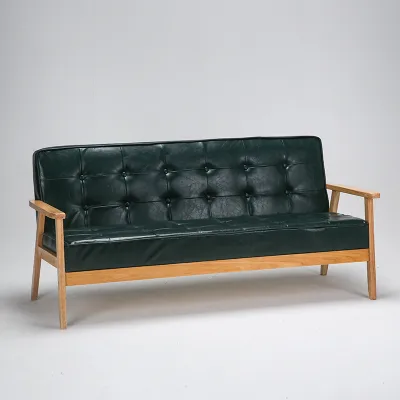
![[ SG ] ⚡ Genuine Leather Sofa Simple Small Apartment Double Three-Seater Office Cowhide Leather Sofa](https://img.lazcdn.com/g/p/49eaece88c78e2a7a0cf4b70a63b685a.jpg_400x400q80.jpg_.webp)
![[INNDESIGN.SG] Jefyn 3/2 Seater PU Leather Sofa (Fully Assembled and Free Delivery)](https://img.lazcdn.com/g/p/434de32acd237a22de61b3b7c0cfcaff.jpg_400x400q80.jpg_.webp)
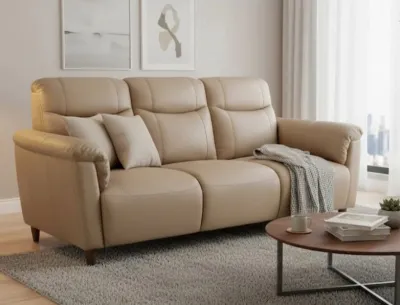
![[SG Seller] Twenty one ADAM FAUX LEATHER SOFA (3-SEATER / 2-SEATER / 1-SEATER AND WITH CHAISE)](https://img.lazcdn.com/g/p/8c9ee40a836016580b799ac0dd343bed.jpg_400x400q80.jpg_.webp)
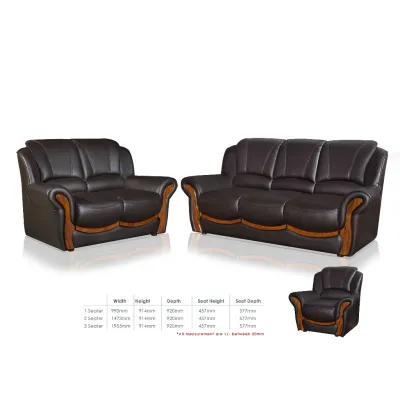
Prices are valid at publication and may change. Please refer to the product page for the latest price.
Finally, establish a realistic budget range in S$. Entry-level 3-seater leather sofas typically start around S$1,200 to S$2,000, often utilizing split leather or leather-match configurations where non-contact areas use synthetic materials. Mid-range options, ranging from S$2,000 to S$4,500, generally feature full top-grain leather upholstery and sturdier hardwood frames. Premium and bespoke models can easily exceed S$5,000, offering full-grain leather, custom dimensions, and superior suspension systems. Knowing your budget helps you quickly filter out brands that do not align with your financial expectations.
Key Comparison Dimensions Across Furniture Brands
To make an objective comparison between different furniture retailers, you must evaluate their products across three core dimensions: upholstery quality, structural integrity, and ergonomic design. Comparing brands using these standardized metrics prevents you from being swayed by showroom lighting or superficial styling.

Leather Grade and Upholstery Quality
The type of leather a brand uses is the single most significant factor influencing both the price and the lifespan of a 3-seater sofa. When comparing brands, look closely at their product specifications to distinguish between full-grain, top-grain, and genuine leather. Full-grain leather is the highest quality, retaining the entire natural grain of the hide, which makes it incredibly durable and capable of developing a beautiful patina over time. Top-grain leather, which has had the top layer lightly sanded to remove imperfections, is slightly more pliable and uniform, making it the industry standard for high-quality furniture. Be cautious of terms like “genuine leather” or “bonded leather,” which often denote lower-grade splits or reconstituted leather scraps bonded with polyurethane, offering significantly less durability.
When visiting showrooms in Singapore, perform a tactile and visual inspection of the leather. High-quality leather should feel supple, warm, and slightly irregular to the touch, rather than cold, stiff, or plasticky. Look for natural markings such as insect bites, stretch marks, or subtle color variations, which indicate that the hide has not been heavily corrected with synthetic fillers and heavy pigments.
You must also weigh the trade-offs between different leather finishes. Pure aniline leather is dyed solely with soluble dyes, preserving the natural look of the hide but leaving it highly susceptible to stains, fading from sunlight, and moisture absorption. Semi-aniline leather features a thin protective topcoat that offers a balance of natural beauty and moderate stain resistance. Fully protected or pigmented leather has a thick polymer coating containing pigments, providing maximum resistance to spills, scratches, and fading, making it the most practical choice for active households.
Frame Construction and Suspension
While upholstery defines the look and feel of a sofa, the internal frame and suspension system determine how long it will maintain its shape and support. When evaluating different brands, inquire directly about the materials used in the frame. High-quality brands construct their frames from kiln-dried hardwood, such as birch, oak, or maple. The kiln-drying process removes moisture from the wood, preventing it from warping, cracking, or shrinking in Singapore’s humid climate. Avoid brands that rely heavily on untreated engineered woods, particleboard, or thin metal frames for their primary load-bearing structures, as these materials are prone to premature failure under consistent weight.
The suspension system hidden beneath the cushions is equally critical for long-term comfort. Sinuous springs, which are S-shaped steel wires stretched horizontally across the frame, are common in mid-range sofas and offer a supportive, slightly firm sit. Premium brands may feature eight-way hand-tied springs, where coil springs are manually secured to one another and the frame with high-strength twine, providing exceptional weight distribution and preventing localized sagging. Lower-end models often use simple elastic webbing, which can stretch out and lose its resiliency within a few years of daily use.
Do not hesitate to ask sales representatives or check technical specifications regarding joint construction. A robust frame features joints that are double-dowelled, glued, and reinforced with corner blocks screwed into place. If a brand’s product descriptions only mention stapled or nailed joints, the sofa may not withstand the dynamic stresses of daily family use over a decade.
Design Aesthetics and Ergonomics
A sofa must not only look appealing in your living room but also support your body comfortably. When comparing 3-seater models across different brands, pay close attention to the ergonomic dimensions. Compare the seat depth, backrest height, and armrest profile. A seat depth of 50 to 55 centimeters is generally comfortable for average-height individuals, allowing them to sit upright with their feet flat on the floor. If your household prefers lounging or reclining, look for brands offering deeper seats of 60 centimeters or more. Ensure the backrest provides adequate lumbar support, especially if you plan to sit for extended periods.
The visual profile of the sofa also plays a major role in how it integrates into your home. Sofas with high, slender legs and low-profile backrests create an illusion of openness, making them ideal for smaller apartments as they allow light to pass underneath. Conversely, blocky, floor-length designs have a heavier visual footprint and are better suited for spacious living rooms where they can act as a grounding centerpiece.
Additionally, evaluate the cushion filling options offered by each brand. High-density polyurethane foam (ideally with a density rating of 30 kg/m³ or higher) provides a firm, supportive seat that retains its shape with minimal maintenance. Feather or down-blend wraps around a foam core offer a luxurious, sink-in feel, but they require regular fluffing and patting to prevent a deflated, messy appearance.
Evaluating Value and After-Sales Support
A leather sofa is a long-term investment, making after-sales support and warranty terms crucial points of comparison between brands. When reviewing warranties, look past the headline numbers and read the fine print. A comprehensive warranty should clearly distinguish between coverage for the structural frame (which should ideally be 5 to 10 years) and coverage for the leather upholstery and cushion fillings (which is typically limited to 1 to 2 years). Be aware of exclusions, such as natural wear and tear, fading from sunlight, or damage caused by improper cleaning agents.
Delivery logistics can also significantly impact the overall cost and experience of your purchase. Confirm whether the brand’s delivery fee includes “white-glove” service, which encompasses transporting the heavy 3-seater sofa up to your apartment, assembling it in your room of choice, and removing all bulky packaging materials. In Singapore, where elevator access and tight stairwells are common, ask if there are additional charges for manual lifting if the sofa cannot fit into your building’s lift. Furthermore, check if the brand offers old sofa disposal services, as disposing of large furniture independently can be logistically challenging.
Finally, consider the brand’s commitment to long-term maintenance. Some premium retailers provide complimentary leather care kits upon purchase or offer professional cleaning and conditioning services at a discounted rate for existing customers. Knowing that a brand offers replacement cushion inserts or repair services for accidental tears provides peace of mind that your investment is protected for years to come.
Decision Framework: Which Brand Type Fits Your Needs?
To simplify your search, you can categorize Singapore’s leather sofa market into three distinct brand types, each catering to different priorities, budgets, and lifestyles.
First, bespoke or local artisan brands are ideal if you have highly specific spatial requirements, unique aesthetic visions, or a desire for complete customization. These brands allow you to select the exact dimensions of your 3-seater, choose from a vast library of premium leather hides sourced from European tanneries, and even adjust the firmness of the seat cushions. While this level of customization comes with a premium price tag and longer lead times (often 8 to 12 weeks for production), it ensures a precise fit for your home.
Second, established international design brands are best suited for those who prioritize cutting-edge contemporary aesthetics, mid-century modern designs, and verified ergonomic engineering. These brands often collaborate with renowned designers and utilize advanced manufacturing techniques to produce iconic, visually striking pieces. While they offer limited customization options and require a significant financial investment, they deliver unmatched design prestige and exceptional structural quality.
Third, large-scale mass-market furniture retailers are the practical choice if you are working within a strict budget, require immediate stock availability, or prefer a straightforward, bundled buying process. These brands produce popular designs in high volumes, allowing them to offer competitive pricing and rapid delivery times. While you may have fewer choices regarding leather grades and custom configurations, these retailers provide reliable, functional 3-seater models that are perfect for rental properties, first-time homeowners, or budget-conscious families.
Before committing to any purchase, always verify that the brand provides transparent material sourcing, clear specifications, and accessible customer service channels. A reputable brand will readily answer questions about their leather origins and frame construction rather than hiding behind vague marketing terms.
Pre-Purchase Verification Checklist
To ensure a seamless purchasing experience and avoid costly mistakes, complete this practical checklist before finalizing your 3-seater leather sofa order:
- Measure Access Routes: Measure the height, width, and diagonal clearance of all doorways, corridors, stairwells, and elevator cabins from the building entrance to your living room. A 3-seater sofa is a rigid, bulky item, and ensuring it can physically navigate these spaces is critical.
- Request Leather Swatches: Always request physical leather swatches from the brand to take home. View the swatches in your living room under both natural daylight and your evening artificial lighting, as colors can look vastly different than they do under bright showroom spotlights.
- Inspect Customer Feedback: Search for independent customer reviews online, focusing specifically on how the brand's leather sofas hold up after two or three years of use. Look for mentions of premature leather peeling, frame squeaking, or difficulties in resolving warranty claims.
- Confirm Lead Times and Policies: Verify the exact delivery lead time in writing, especially for made-to-order or customized sofas. Understand the brand's cancellation, return, and refund policies, including any restocking fees that may apply if the sofa does not fit or meet your expectations upon arrival.
Frequently Asked Questions (FAQ)
Is a 3-seater leather sofa suitable for homes with pets?
Yes, a 3-seater leather sofa can be highly suitable for pet owners, provided you choose the right type of leather. Avoid delicate, unprotected aniline leathers, which easily absorb pet oils, saliva, and urine, and are highly susceptible to claw scratches. Instead, opt for protected or semi-aniline leathers that feature a durable polymer topcoat. This protective layer makes it easy to wipe away pet hair, dander, and accidental spills with a damp cloth. While claws can still leave superficial scuffs on protected leather, these markings often blend into the natural texture of the hide over time. For added protection, you can strategically place stylish throw blankets or pet mats over high-traffic seating areas where your pets prefer to rest.
How should I maintain a leather sofa in a humid climate?
Maintaining a leather sofa in Singapore’s tropical, humid climate requires consistent care to prevent mold growth and leather degradation. Ensure your living room is well-ventilated, and avoid placing the sofa in direct sunlight, which can dry out the leather, causing it to fade and crack. Keep the sofa positioned away from direct air-conditioning vents, as extreme temperature fluctuations can stress the material. Dust the sofa weekly with a dry, soft microfiber cloth to remove abrasive dust particles that can wear down the finish. Every six to twelve months, apply a manufacturer-approved leather conditioner to keep the hide supple. Never use harsh chemical cleaners, multi-purpose sprays, or unverified home remedies like vinegar or baby wipes, as these can strip the protective topcoat and permanently damage the leather.
Community discussion
Share your experience or ask a question. Comments are reviewed before publication.