
Finding the right 2-tier shoe rack in Singapore involves balancing your budget, the tropical climate, and your home’s entryway space. Because a shoe rack is often the first thing guests see, its build quality and visual appeal matter just as much as its utility.
The ideal brand for your home depends on how you weigh upfront cost against long-term durability. Mass-market flat-pack brands offer excellent budget flexibility and modern designs, while premium solid wood brands provide superior longevity and a classic aesthetic. For high weight capacity and moisture resistance, heavy-duty metal brands are often the most practical choice.
To find the best value, you must look beyond the price tag and evaluate how well the materials and construction can withstand daily use. Because stock and pricing fluctuate, always verify current availability on official brand sites or major online marketplaces in Singapore before making a final decision.
Products mentioned in this guide
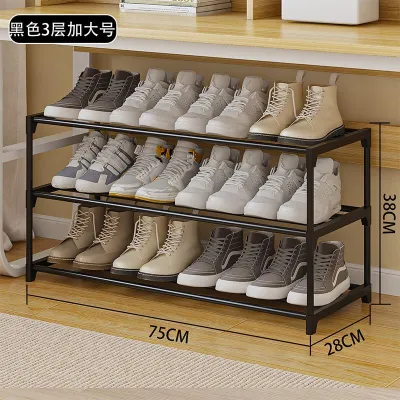
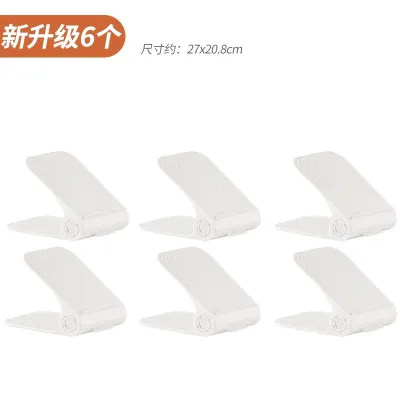
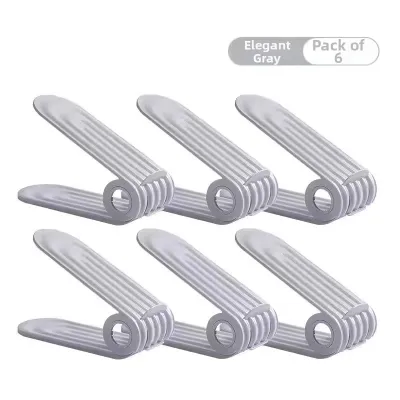
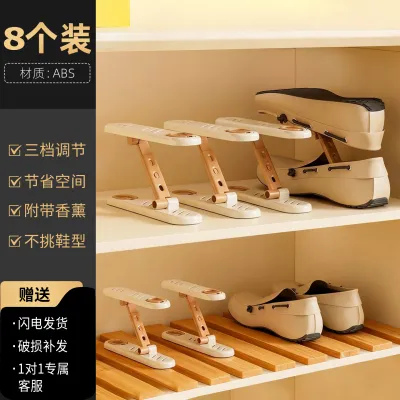
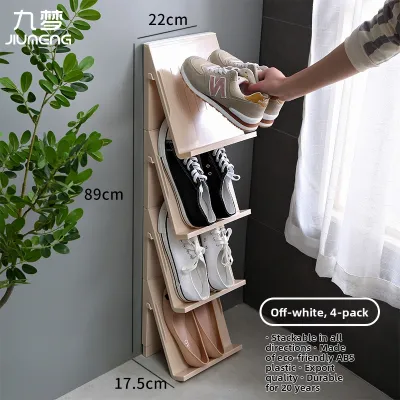
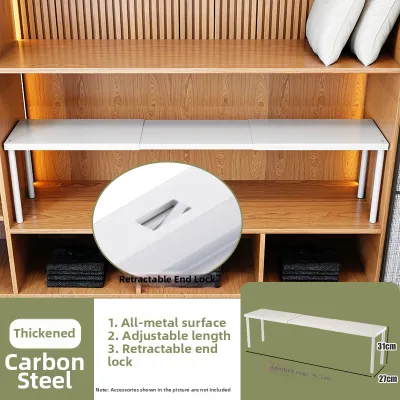
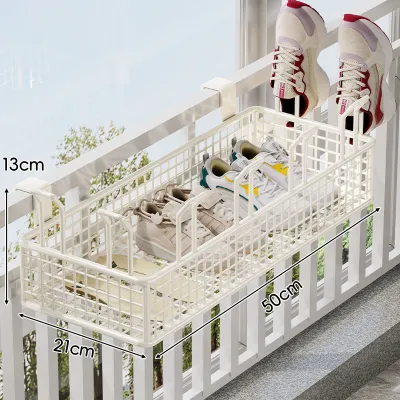
Prices are valid at publication and may change. Please refer to the product page for the latest price.
Key Criteria for Evaluating 2-Tier Shoe Rack Build Quality
To make an informed purchase, you need a reliable framework to assess a shoe rack’s physical construction. Evaluating these key criteria will help you identify a durable unit that fits your specific living conditions.
Material and Surface Treatment Singapore’s high humidity can severely impact furniture longevity. Engineered wood, such as particleboard or medium-density fibreboard (MDF), is highly susceptible to swelling and warping if moisture penetrates the outer laminate. Solid wood and bamboo offer better natural resistance but still require proper sealing. Coated metals must feature robust powder coating or galvanization to prevent rust. Rather than assuming a material is inherently waterproof, always check the manufacturer’s care instructions and verify the quality of the protective finish.
Connection Structure and Joints The way a shoe rack is put together determines its long-term stability. Flat-pack models often rely on cam locks and dowels, which can loosen over time if the rack is frequently moved or overloaded. Welded joints in metal racks or mortise-and-tenon joinery in premium wood furniture offer much higher resistance to wobbling. Look for hardware configurations that use heavy-duty screw-in brackets or threaded metal inserts rather than simple wood screws driven directly into engineered panels.
Weight Capacity and Tier Spacing A sagging shelf is a clear sign of poor build quality. Before buying, verify the manufacturer’s stated load limit per tier to ensure it can support your heaviest footwear. Additionally, measure the vertical clearance between the two tiers. Standard flat shoes and sneakers require less height, but high heels, ankle boots, or high-top sneakers may require a taller clearance or adjustable shelving options to prevent crushing.
Value Assessment True value is not simply a matter of finding the lowest price. A cheap, poorly constructed rack that needs replacement after a year of humid weather ultimately costs more than a durable unit that lasts a decade. Calculate the cost per year of expected usable life based on the materials used. Additionally, consider whether the purchase price includes necessary assembly tools, floor protectors, or anti-tip safety kits, which add practical value to the product.
Comparing Popular 2-Tier Shoe Rack Brand Categories
When shopping in Singapore, you will generally encounter three distinct brand categories. Each category serves a different consumer need, offering unique trade-offs in terms of assembly, durability, and price.

To help you compare, we look at how representative brands in Singapore—such as IKEA for mass-market designs and Scanteak for premium wood—align with these categories. By examining their typical construction methods, you can determine which category fits your home’s entryway.
Mass-Market Flat-Pack Brands
Mass-market brands like IKEA are highly popular in Singapore due to their affordability, clean Scandinavian designs, and modular flexibility. These brands typically construct their entry-level 2-tier racks using engineered wood, lightweight steel tubing, or plastic connectors.
While these materials keep the initial cost low and make the furniture easy to transport, they require careful handling. The laminate finishes on particleboard can peel if exposed to wet umbrellas or damp shoes. Over time, the joints may require tightening to prevent wobbling. These racks are ideal for renters or those who enjoy frequently updating their home decor, provided they are kept in dry, indoor environments.
Premium Solid Wood and Specialty Furniture Brands
For a more permanent and elegant entryway solution, premium brands like Scanteak offer solid wood options, often utilizing sustainably sourced teak or oak. These brands focus on robust joinery, such as mortise-and-tenon joints or heavy-duty metal brackets, which provide exceptional structural integrity.
The primary advantage of solid wood is its natural durability and heavy weight, which prevents the rack from sliding or tipping when you remove your shoes. However, this stability comes at a higher price point, and the heavy frame makes repositioning the unit more difficult. Because natural wood reacts to environmental changes, you must check the manufacturer’s care guidelines to ensure the protective sealant is maintained against Singapore’s humid climate.
Heavy-Duty Metal and Industrial Storage Brands
If utility, high weight capacity, and moisture resistance are your top priorities, heavy-duty metal brands are the most reliable option. These racks are often constructed from powder-coated steel or galvanized iron, featuring welded joints and industrial-grade wire shelving.
These units excel at handling wet footwear, muddy running shoes, or heavy work boots without risk of warping or rusting. Many industrial-style racks also offer adjustable tier heights, allowing you to customize the spacing. The main trade-off is their utilitarian aesthetic, which may not blend well with softer home decors. Additionally, you must inspect these racks for sharp edges and ensure they include rubber or plastic foot caps to protect your flooring from scratches.
Decision Framework: Which Brand Type Fits Your Needs?
Choosing the right 2-tier shoe rack requires matching the brand category to your specific household habits, budget, and living space. Use this decision framework to guide your final choice.
Choose Mass-Market Flat-Pack Brands if:
- You are currently renting and need lightweight furniture that is easy to disassemble and transport.
- You are working with a limited budget and prefer a simple, modern design.
- Your shoe collection consists primarily of lightweight everyday footwear like flats, sandals, and canvas sneakers.
Choose Premium Solid Wood Brands if:
- The shoe rack will be placed in a highly visible main entryway where aesthetics and first impressions are important.
- You want a highly stable, heavy unit that will not slide when shoes are kicked off or placed on the tiers.
- You view the purchase as a long-term investment in durable, natural furniture.
Choose Heavy-Duty Metal Brands if:
- You need to store heavy, bulky footwear such as work boots, safety shoes, or specialized sports gear.
- The rack will be positioned in a damp or semi-outdoor area, such as an HDB corridor, balcony, or near a wet kitchen.
- You require the flexibility of adjustable shelves to accommodate different shoe heights.
Neither option may fit if:
- Your entryway has an unusual layout that requires a custom-built carpentry solution to maximize space.
- Your household has a large collection of shoes that far exceeds the typical four-to-six-pair capacity of a standard 2-tier unit.
Verify first if:
- You are purchasing from a third-party seller on an online marketplace. Always cross-check the seller's listed dimensions, materials, and weight limits against the official manufacturer specifications to ensure you are receiving an authentic, high-quality product.
Space Planning, Assembly, and Stability Checks
Before finalizing your purchase and setting up your new 2-tier shoe rack, you must perform several physical checks to ensure a safe and successful installation.
Space and Clearance Measure your designated floor space carefully. Ensure the rack’s depth and width do not obstruct door swings, main walkways, or emergency stair access. If you are placing the rack near a closet or main entrance door, verify that the total height of the unit allows nearby doors to open fully without scraping the frame or the shoes stored on top.
Assembly Conditions Always review the manufacturer’s assembly instructions in full before you begin putting the pieces together. Assemble the unit on a flat, level surface—preferably on a rug or cardboard packaging—to prevent scratching the finish. Using the correct manual tools rather than high-torque power drills can prevent you from stripping pre-drilled holes or cracking engineered wood panels.
Stability and Safety Once assembled, place the rack in its final position and check for any physical wobble. If the floor is slightly uneven, look for models that feature adjustable leveling feet. Although 2-tier racks have a low center of gravity, they can still tip if a child climbs on them or if heavy items are placed unevenly on the top tier. If the manufacturer provides anti-tip hardware, secure the unit to the wall, or consult a qualified professional if you are unsure how to drill into your specific wall type.
Stop Conditions Do not force the assembly if you encounter issues. Halt the process immediately and contact the manufacturer or retailer if you discover missing hardware, misaligned pre-drilled holes, or structural cracks in the frame. Attempting to force pieces together can permanently damage the materials and compromise the safety of the completed rack.
Frequently Asked Questions (FAQ)
How many pairs of shoes fit on a standard 2-tier shoe rack?
The actual capacity of a 2-tier shoe rack depends on the overall width of the unit and the physical size of your footwear. A standard compact rack measuring 60 to 80 centimeters in width typically accommodates four to six pairs of adult shoes. To get an accurate estimate for your household, measure the width of your widest pair of shoes and divide the rack’s internal tier width by that measurement, rather than relying solely on generic marketing claims.
Are 2-tier shoe racks stable enough for heavy boots?
Because 2-tier shoe racks are low to the ground, they naturally possess a low center of gravity, which makes them inherently more stable than taller shelving units. However, their ability to support heavy boots depends entirely on the strength of the materials and the quality of the joints. Always check the manufacturer’s maximum load rating per tier before loading the rack with heavy footwear, and ensure the unit is placed on a completely level surface to prevent shifting.
Community discussion
Share your experience or ask a question. Comments are reviewed before publication.