
Finding the right umbrella holder for a compact Singapore entryway requires balancing slim physical dimensions, moisture resistance, and practical water containment. In high-density housing like HDB flats and condominiums, foyer space is at a premium, making a bulky storage unit impractical. The ideal solution must keep wet umbrellas organized without obstructing daily foot traffic or creating safety hazards. By focusing on smart vertical designs, robust materials, and integrated water management, you can keep your home dry and clutter-free even during the heaviest monsoon seasons.
Assessing Your Entryway Space and Capacity Needs
Before purchasing any storage accessory, precise measurements of your foyer are essential to prevent layout conflicts. Start by measuring the exact floor area available next to your main door, taking into account the full swing radius of both the wooden door and the external metal gate. Many Singapore homes feature built-in shoe cabinets or custom carpentry near the entrance; you must ensure the new organizer does not block access to these doors or drawers. Keep a clearance buffer of at least 5 to 10 centimeters around the designated spot to allow easy movement.
Next, audit your household’s actual storage requirements based on your daily habits. Count the number of umbrellas your family regularly uses, categorizing them into long-handled models, golf umbrellas, and compact folding varieties. Long-handled umbrellas require a taller frame or a heavier base to remain upright, while folding designs need dedicated hooks or shallow pockets so they do not get lost at the bottom of a deep container. Matching your purchase to your specific collection prevents over-crowding and ensures every item is easily accessible.
Products mentioned in this guide
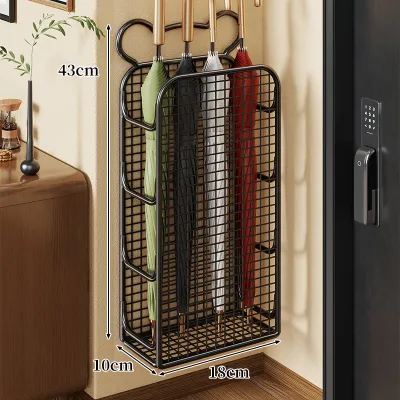
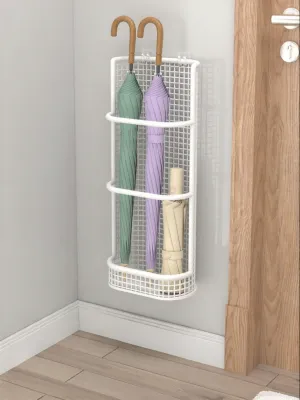
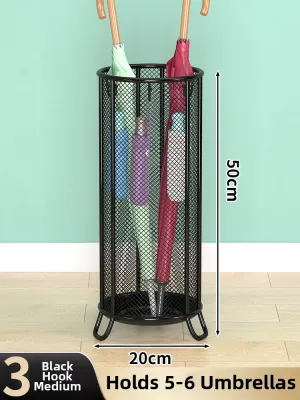
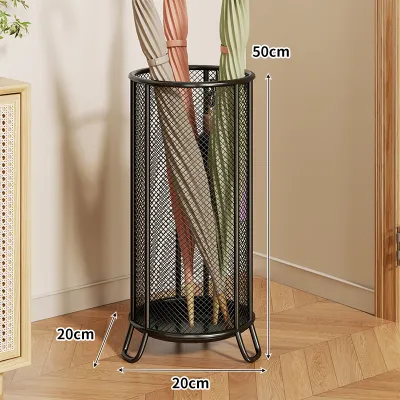
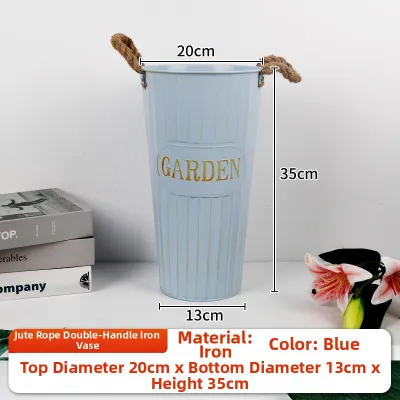
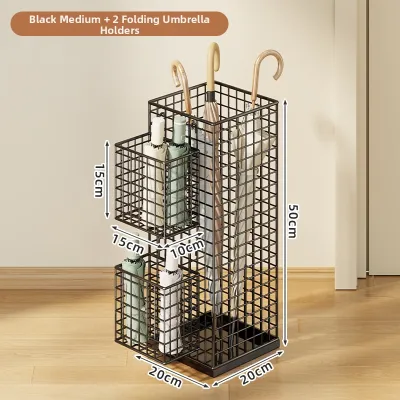
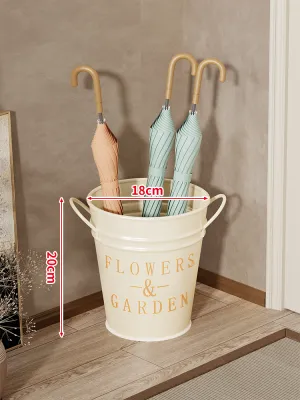
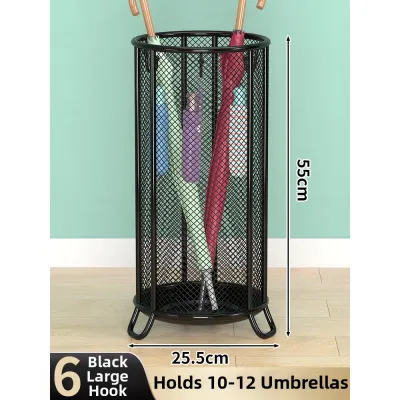
Prices are valid at publication and may change. Please refer to the product page for the latest price.
Finally, verify that your chosen placement complies with local safety guidelines and building regulations. In Singapore, HDB escape corridors and condo common areas must remain clear of obstructions to ensure safe evacuation during emergencies. If you plan to place the holder just outside your door, confirm that it leaves sufficient walking clearance and does not violate estate management rules. For indoor placement, position the unit where it will not become a tripping hazard in low-light conditions.
Space-Saving Umbrella Holder Types for Compact Areas
Maximizing a small entryway requires selecting a form factor that matches your specific spatial constraints. Different designs utilize vertical space, corner angles, or existing door surfaces to minimize floor footprints. Understanding the structural requirements of each type helps you choose a stable and functional unit.

Wall-Mounted and Door-Hung Solutions
For extremely narrow foyers where floor space is virtually non-existent, wall-mounted racks and over-the-door hooks offer an excellent zero-footprint alternative. Magnetic holders are particularly popular in Singapore as they can attach directly to steel HDB main doors without drilling. Other models use heavy-duty adhesive strips or screw-in brackets to mount onto drywall or concrete entry walls.
Before installing a wall-mounted or door-hung unit, always verify the load-bearing capacity of the mounting surface and the adhesive used. If you opt for an over-the-door bracket, measure the clearance gap between the top of your door and the frame to ensure the door can still close smoothly.
These vertical solutions are generally best suited for lightweight, compact folding umbrellas. Check the manufacturer’s specified weight limits before loading the rack, as overloading can cause adhesives to fail or brackets to bend over time.
- Installation Check: Ensure the surface is completely clean and dry before applying adhesive mounts.
- Weight Limit: Limit the storage to short, folding umbrellas unless the rack is securely anchored with screws.
Slim Freestanding and Corner Designs
If you prefer not to mount anything to your walls or doors, slim freestanding stands and L-shaped corner units can utilize dead space effectively. Cylindrical stands with a narrow diameter or rectangular units with a shallow depth can sit flush against a wall or slide neatly beside a shoe cabinet.
When evaluating freestanding models, the base weight and center of gravity are critical specifications. A stand that is too light or top-heavy will easily tip over when loaded with tall, heavy golf umbrellas, posing a risk in homes with active children or pets.
Always verify the exact footprint dimensions on the product label before buying. Ensure the unit does not protrude into your main walking path, and look for models with weighted iron or resin bases that provide reliable stability without requiring a wide physical footprint.
- Footprint Verification: Measure the exact width and depth to ensure it fits within your narrowest corner.
- Stability Check: Look for a low center of gravity or a heavily weighted base of at least 1.5 to 2 kilograms.
Multi-Functional Coat Racks with Umbrella Stands
When floor space is exceptionally tight, combining multiple entryway functions into a single piece of furniture is a highly efficient strategy. A multi-functional coat rack featuring an integrated umbrella holder allows you to hang keys, hats, and light jackets while securing your umbrellas in the same vertical footprint. This approach eliminates the need for separate storage units, keeping your foyer organized and visually clean.
To ensure safety and long-term usability, you must carefully balance the weight distribution of these combined units. Hanging heavy bags or wet coats exclusively on one side of the upper hooks can cause a narrow-base rack to become unstable and tip over.
Before purchasing, check the manufacturer’s detailed height and width specifications to ensure the unit fits comfortably within your home. In Singapore apartments, electrical distribution boards (DB boxes) and light switches are frequently located near the main entrance; make sure the rack’s height does not block access to these essential utilities or interfere with low-hanging ceiling light fixtures.
Additionally, pay close attention to the structural material and joint construction of the rack. Verify that the frame and joints are rated to handle the combined weight of dry coats, bags, and multiple wet umbrellas. Look for welded joints or heavy-duty screw connections rather than simple push-fit plastic connectors, which can degrade or loosen under daily stress.
Key Features to Check for Singapore's Climate
Singapore’s high humidity and intense tropical downpours demand highly durable materials and smart design features. Without proper specifications, a standard organizer can quickly degrade, rust, or become a hygiene hazard in a tropical environment.
Do not rely on generic marketing claims like “waterproof” or “weatherproof” without checking the actual finish details. Look for explicit manufacturer specifications detailing rust-resistant treatments, such as powder-coated steel, electroplated finishes, or specially treated water-resistant woods. If the product label does not detail these protective coatings, the humid air and wet umbrellas may cause rust or warping within a few months.
A removable drip tray is an absolute necessity for any indoor umbrella holder. Stagnant water pooling at the bottom of a stand is not only messy but also creates a potential breeding ground for Aedes mosquitoes, which carry dengue fever. A tray that slides or lifts out easily allows you to dump collected rainwater and wipe the surface dry after every storm.
Adequate ventilation is another critical feature to look for when browsing designs. Solid, fully enclosed cylinders trap moisture inside, extending the drying time of your umbrellas and promoting the growth of mold, mildew, and unpleasant musty odors. Opt for slatted, mesh, or geometric cutout designs that facilitate continuous airflow, allowing wet fabrics to dry rapidly.
Finally, always review the manufacturer’s care and maintenance instructions. Regular upkeep, such as wiping down the frame with a dry cloth and occasionally cleaning the drip tray with mild soap, will preserve the protective finish and extend the lifespan of your furniture.
Common Sizing and Placement Mistakes to Avoid
Avoiding common pitfalls during the selection and placement process will save you from post-purchase frustration and potential damage to your home. One of the most frequent errors is ignoring the complete door swing arc. A stand placed too close to the entrance can easily be struck by the main door or metal gate when opened fully, leading to dented walls, broken umbrellas, or a damaged stand.
Another mistake is choosing an overly tall or wide design that visually overwhelms a small HDB or condo foyer. Large, bulky furniture pieces disrupt visual sightlines, making a tight entryway feel even more cramped and cluttered. Opting for a minimalist, low-profile silhouette helps maintain an open, welcoming atmosphere.
Lastly, beware of stands with shallow, non-removable, or fixed drip trays. During heavy monsoon downpours, a small or poorly designed tray can quickly overflow, spilling water onto your entryway floor. If your home features laminate, vinyl, or parquet flooring, standing water can seep into the seams, causing the material to swell, warp, or rot, resulting in costly repairs.
Frequently Asked Questions (FAQ)
How do I prevent odors and mold in the drip tray?
To prevent unpleasant odors, mold, and mildew, empty the drip tray promptly after every rainstorm and wipe it completely dry with a microfiber cloth. Check the manufacturer’s care guidelines to ensure you can safely clean the tray with mild dish soap or a gentle disinfectant. Avoid using harsh chemical sprays or abrasive scrubbing pads, which can strip away protective rust-resistant coatings or scratch plastic trays.
What is the best way to store a mix of long and folding umbrellas?
The most efficient way to organize different umbrella sizes is to choose a holder equipped with dedicated internal hooks, upper rings, or adjustable horizontal bars designed specifically for short folding models. This keeps smaller umbrellas suspended near the top, preventing them from slipping to the bottom where they are difficult to reach. Additionally, check the internal diameter of the main compartment to ensure it can accommodate the wider, curved handles of long-handled umbrellas without jamming.
Community discussion
Share your experience or ask a question. Comments are reviewed before publication.