
Quick Selection Guide for Compact Spaces
Finding the right sofa remote holder for a compact HDB living room is all about maximizing vertical or dead space without encroaching on narrow walkways. In typical Singapore apartments, living room layouts must balance seating comfort with clear foot traffic. A misplaced organizer can easily turn into a constant obstruction or a tripping hazard.
To choose the ideal solution, focus on three primary decision factors: physical footprint, seated accessibility, and multi-functionality. The footprint determines how much floor or sofa surface the holder occupies. Seated accessibility ensures you can reach your devices comfortably without straining. Multi-functionality allows the holder to store not just remotes, but also smartphones, reading glasses, or even a cup of tea.
Before purchasing, use this quick checklist to match your sofa type with the right storage style:
Products mentioned in this guide
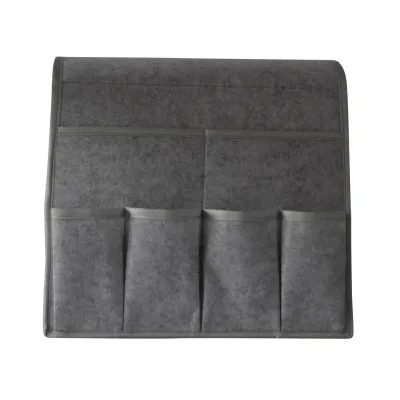
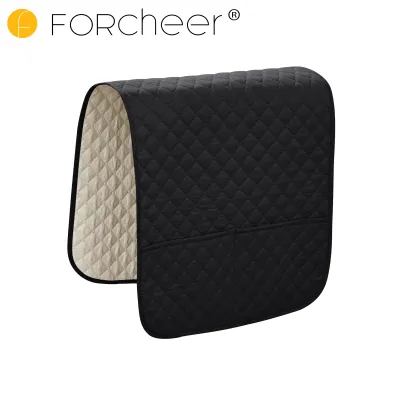
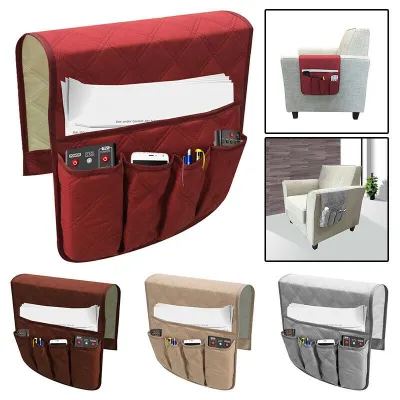
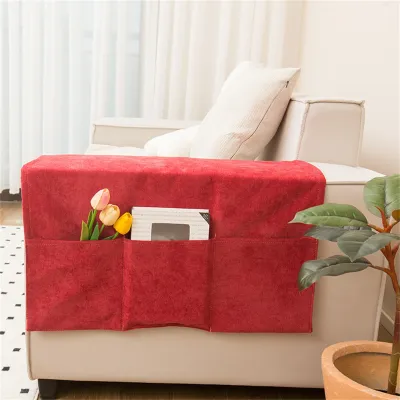
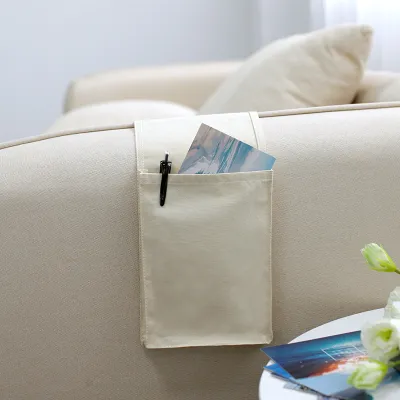
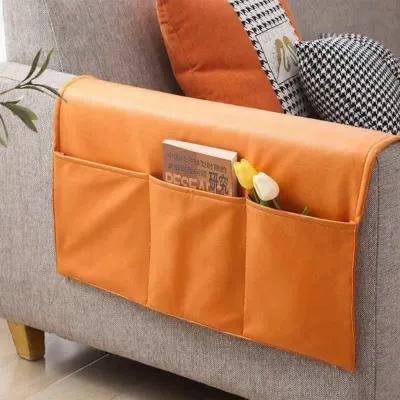
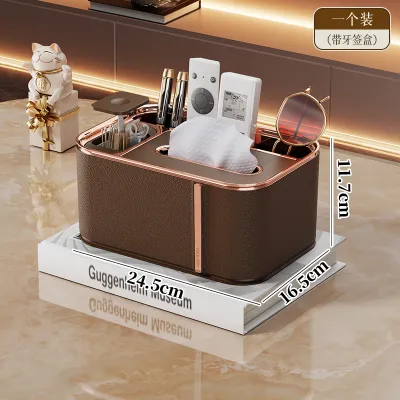
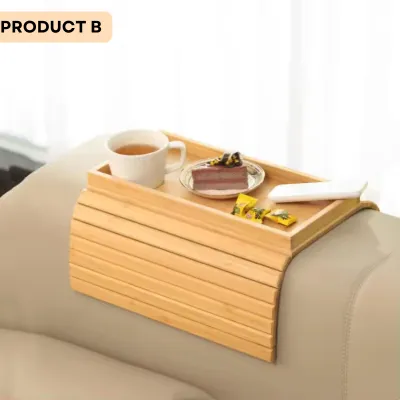
Prices are valid at publication and may change. Please refer to the product page for the latest price.
- Armrest Caddies: Best for sofas with flat, wide, or square armrests where you want to utilize zero floor space.
- Crevice Organizers and Slim Consoles: Ideal if you have a small gap (at least 10cm) between your sofa and the wall or adjacent furniture.
- Wall-Mounted Holders: Perfect for armless sofas, recliners with moving parts, or if you prefer to keep the seating area entirely clear.
Space-Saving Sofa Remote Holder Types
Sofa remote holders come in several structural designs, each offering distinct advantages depending on your room layout and furniture style. The three main categories are attached organizers, freestanding units, and wall-mounted brackets.

Attached options, such as armrest caddies, drape directly over the furniture to keep items within immediate reach. Freestanding solutions, including slim console tables and drop-in crevice trays, utilize the narrow gaps around your seating. Wall-mounted holders remove storage from the furniture entirely, utilizing vertical wall space instead.
Choosing between these types involves balancing permanent stability with layout flexibility. Fixed wall mounts offer excellent stability but cannot be easily moved if you decide to rearrange your living room. Movable organizers offer great flexibility but require careful matching with your sofa’s dimensions to ensure they remain secure and balanced during daily use.
Armrest Caddies and Sofa Slipcovers
Drape-over armrest caddies are a classic space-saving choice because they require absolutely no floor space. They hang over the side of your sofa, turning an otherwise unused surface into a dedicated storage zone for remotes, phones, and reading materials.
To prevent a drape-over caddy from sliding off when loaded, pay close attention to its weight distribution features. Look for designs that incorporate weighted flaps, anti-slip silicone backings, or long fabric tails that can be tucked deep beneath the seat cushions. Without these stabilizing elements, the weight of a smartphone or multiple remotes can easily pull the caddy down.
Compatibility depends heavily on the shape of your sofa’s armrests. Square, flat, or wide armrests provide a stable foundation for both fabric caddies and rigid tray organizers. Rounded or very narrow armrests are more challenging, requiring highly flexible fabric or felt materials that can conform to the curve, or specialized models with adjustable clamp mechanisms.
Keep in mind the physical limitations of these organizers. Overloading the pockets with heavy tablets or bulky items can stretch the material or cause the caddy to tilt. Additionally, because these holders are in constant contact with hands and upholstery, check the manufacturer’s care instructions to ensure the fabric is easy to spot-clean or machine-wash.
Crevice Organizers and Slim Console Tables
Crevice organizers and ultra-slim console tables are designed to reclaim the “dead space” that often exists behind or beside a sofa. In compact HDB living rooms, utilizing these narrow gaps allows you to add storage without blocking the main walkways.
Slim console tables are freestanding structures that slide into the narrow space between the back of the sofa and the wall. These tables provide a flat surface for remotes, charging docks, and drinks, keeping them accessible without requiring a traditional, bulky coffee table.
Drop-in crevice organizers fit directly into the gap between the sofa armrest and the seat cushions. Before choosing this option, verify the minimum gap width required by the manufacturer. Forcing a thick organizer into a tight space can strain the sofa’s seams and make sitting uncomfortable.
Protecting your furniture’s upholstery is a key consideration for crevice storage. Ensure that any organizer you insert has smooth, rounded, or padded edges. Rough plastic, unsealed wood, or sharp metal corners can easily scratch leather or snag fabric fibers over time.
Wall-Mounted and Adhesive Holders
Wall-mounted holders are the ultimate minimalist solution, keeping your remotes completely off the sofa and floor. This style is particularly beneficial for homes with reclining sofas, where moving parts make armrest caddies impractical.
When selecting a wall-mounted holder, you must choose between adhesive mounts and screwed brackets. Adhesive options are highly popular for rental homes because they offer a drill-free installation using double-sided tape. Screwed brackets provide a much higher weight capacity and long-term durability but require drilling into the wall surface.
For comfortable daily use, mount the holder at an ergonomic height. The ideal placement is within easy reaching distance while seated, roughly level with your elbow. Avoid mounting it too high, which requires stretching, or too low, where it becomes difficult to see the pockets.
Before installing an adhesive holder, check the manufacturer’s guidelines regarding surface compatibility. Smooth tiles, sealed wood, and glass are excellent surfaces for adhesive tape. Avoid applying strong adhesives to freshly painted walls, textured plaster, or delicate wallpaper, as removal can cause significant surface damage.
Measuring and Matching Your Sofa and Space
Taking precise physical measurements is the most critical step to ensure your chosen remote holder fits your living room seamlessly.
Begin by measuring your sofa’s armrest width and shape. For flat armrests, measure the exact width of the flat top surface to ensure a rigid tray or caddy will sit securely. For curved armrests, measure the arc length from the inner cushion seam to the outer edge to determine how far a fabric caddy will drape.
Next, measure the clearance around your sofa. If you plan to use a slim console table, measure the exact distance between the back of the sofa and the wall. Ensure the table you select is at least 2cm narrower than this gap to allow for easy positioning without scraping the wall or the sofa frame.
If your sofa features reclining mechanisms, adjustable headrests, or a pull-out bed, operate these features fully before taking measurements. Ensure that any attached caddy or nearby console table does not interfere with the moving parts or get crushed when the footrest extends.
Assess the traffic flow in your living room to prevent the holder from becoming a hazard. Walkways in compact living areas should ideally remain clear of obstructions to allow comfortable movement. Ensure that protruding armrest pockets or freestanding organizers do not narrow these pathways.
Finally, plan for your specific storage capacity needs. Count the number of remotes, smartphones, and glasses you need to store regularly. Choose an organizer with pocket dimensions that match these items; pockets that are too loose can cause remotes to slip out, while pockets that are too tight will be frustrating to use.
Material and Maintenance Checks for Daily Use
Evaluating the material and maintenance requirements of a remote holder ensures it remains durable, safe, and clean over years of daily use.
If you prefer the look of wood or MDF, check the manufacturer’s specifications for sealed edges and protective surface finishes. Singapore’s humid climate can cause unsealed wood or MDF to absorb moisture from the air, leading to swelling, warping, or mold growth. A high-quality sealant or lacquer finish protects the material and makes it easy to wipe clean with a damp cloth.
Fabric and felt holders offer a soft texture that blends beautifully with fabric sofas, but they are prone to collecting dust, pet hair, and spills. Review the care labels to verify if the holder is machine-washable or requires specialized spot cleaning. Inspect the stitching along the pocket seams to ensure it is reinforced to handle the weight of multiple devices without sagging.
Metal and acrylic organizers are exceptionally durable and easy to sanitize, but their hard edges can damage delicate upholstery. Look for products that feature padded contact points, felt linings, or silicone bumpers. These protective elements prevent the hard material from rubbing against and wearing down leather or fabric surfaces.
For adhesive-mounted holders, always check the manufacturer’s specified weight limits to prevent the holder from falling and damaging your devices. Follow the recommended curing time—often 24 hours—after sticking the mount to the wall before placing any items inside, and review the safe removal instructions to protect your wall paint.
Frequently Asked Questions (FAQ)
How do I stop a sofa armrest caddy from sliding off?
To keep a drape-over caddy securely in place, look for models designed with built-in stability features. Many high-quality caddies utilize weighted flaps containing metal rods or heavy beads that hang down the outer side, balancing the weight of the stored items. Others feature an anti-slip silicone or rubberized backing that grips the upholstery. If your caddy has a long fabric tail, tuck it deeply between the seat cushion and the armrest frame to anchor it. Always check the manufacturer’s care and usage instructions before attempting to use temporary adhesives, double-sided tape, or upholstery pins, as these can permanently damage leather or leave sticky residues on fabric.
Can I use a crevice organizer if my sofa is flush against the wall?
If your sofa is pushed completely flush against the wall, a standard drop-in crevice organizer or slim console table will not fit. Most drop-in crevice trays require a minimum physical clearance of at least 5cm to 10cm to sit securely without being crushed. Forcing an organizer into a non-existent gap can put unnecessary pressure on your sofa frame, damage the upholstery, or scuff your wall skirting. In zero-clearance setups, it is highly recommended to transition to alternative solutions. Consider using an armrest caddy on the open end of the sofa, a compact organizer placed on your coffee table, or an adhesive wall mount positioned on an adjacent wall within easy reach.
Community discussion
Share your experience or ask a question. Comments are reviewed before publication.