
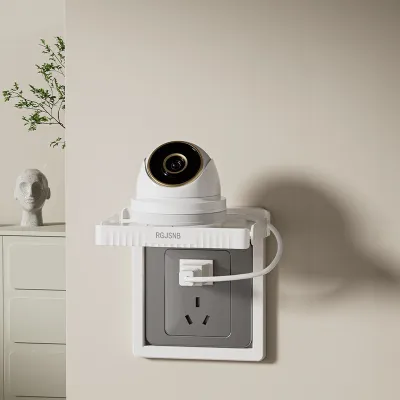
Finding space for a bedside table in a compact bedroom can be a significant challenge. When floor space is at a premium, utilizing the vertical wall area around your existing power outlets is the most efficient way to keep your devices charged and organized. A socket shelf—a compact platform designed to mount directly over or around an electrical outlet—offers an elegant, low-profile solution.
By elevating your smartphone, smart watch, or small smart speaker off the floor or bed, these space-saving accessories eliminate cable clutter and maximize every square centimeter of your room. Choosing the right model requires understanding your wall type, measuring clearances accurately, and verifying weight capacities to ensure a safe and stable installation.
Understanding Space Constraints in Compact Bedrooms
Modern apartments and housing layouts, particularly compact flat designs, often feature bedrooms where every centimeter of floor space must be carefully budgeted. Standard bedroom layouts frequently leave very little clearance between the edge of the bed and the wardrobe or wall. Placing a traditional bedside table in these tight quarters can block wardrobe doors, obstruct walkways, or make the room feel incredibly cramped.
Products mentioned in this guide
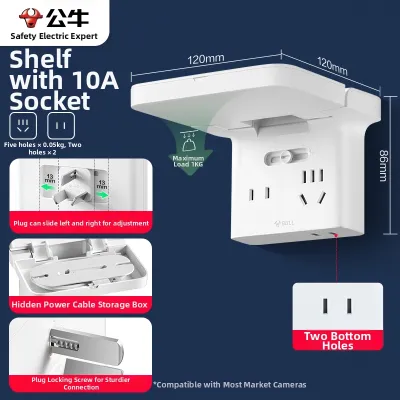
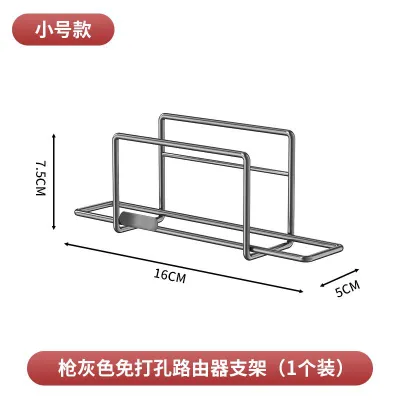
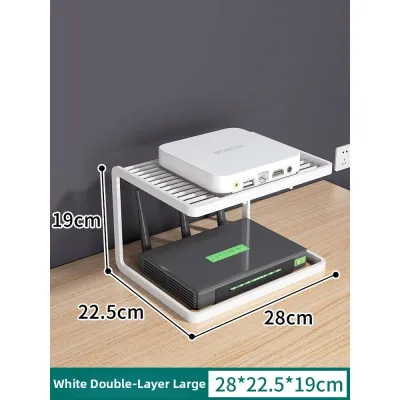
Prices are valid at publication and may change. Please refer to the product page for the latest price.
This spatial limitation forces homeowners to choose between convenient bedside storage and comfortable physical movement. Without a dedicated surface near the power outlet, devices are often left charging on the floor, where they risk being stepped on, or on the bed itself, which poses safety hazards due to heat buildup.
A socket shelf resolves this conflict by shifting the storage plane from the floor to the wall. By utilizing the unused vertical space directly surrounding your electrical outlet, you create a dedicated charging station without sacrificing valuable floor area. This visual decluttering not only makes the bedroom safer but also creates a more open, streamlined aesthetic that makes small rooms feel larger.
Measuring Wall Space and Socket Clearances
Before purchasing a socket shelf, taking precise measurements of your existing wall setup is essential to ensure a seamless fit. Standard electrical switch plates come in single-gang or double-gang configurations. You must measure the outer dimensions of your specific outlet plate, as socket shelves designed to fit over the plate require a precise match to sit flush against the wall.

Next, evaluate the surrounding wall clearance. Check for any nearby obstructions such as light switches, adjacent power sockets, built-in carpentry, or window frames. Many socket shelves extend outward or upward from the outlet, which can easily block an adjacent switch if you do not account for the shelf’s total footprint. Ensure there is sufficient clear wall space on all sides of the outlet to accommodate the shelf body.
Finally, consider the depth of the shelf in relation to your bedroom furniture. If your bed frame or headboard is positioned close to the wall socket, a shelf that protrudes too far forward may interfere with your bedding or cause you to bump into it when getting in and out of bed. Measure the physical gap between your mattress or headboard and the wall, and choose a shelf depth that remains well within this clearance zone.
Choosing the Right Mounting Type for Your Walls
Selecting the appropriate mounting mechanism is crucial for both the stability of your socket shelf and the preservation of your bedroom walls. The three primary mounting styles available are adhesive-backed shelves, screw-mounted shelves, and outlet-replacement models that clamp behind the existing faceplate. Each type has distinct advantages depending on your wall material and housing status.
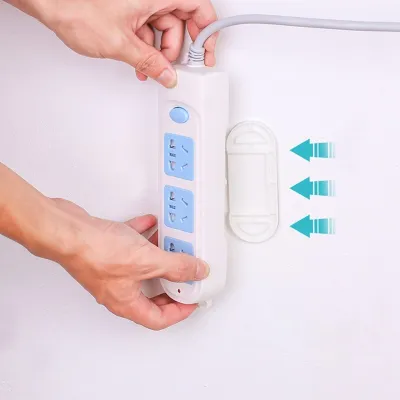
For renters or those who prefer a damage-free installation, adhesive socket shelves are highly popular. These models rely on heavy-duty double-sided tape or command strips to adhere directly to the wall surface. While convenient, their load capacity is strictly limited, and they perform best on smooth, non-porous surfaces like painted drywall or smooth laminate. In humid climates, standard adhesives can degrade over time, so it is vital to choose high-quality, moisture-resistant adhesive strips and strictly follow the curing instructions before placing any weight on the shelf.
If you own your home and are dealing with solid concrete or brick walls, a screw-mounted socket shelf offers the most secure and permanent solution. Installing these requires drilling pilot holes into the wall, inserting wall plugs, and securing the shelf with screws. This method provides a significantly higher load capacity, making it suitable for heavier items like tablets or multiple devices. However, it requires appropriate tools, such as a rotary hammer drill, to penetrate concrete walls cleanly.
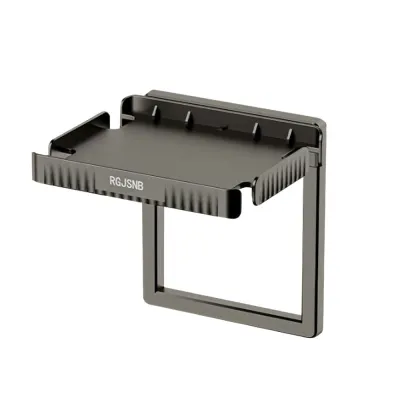
Alternatively, outlet-replacement or clamp-on shelves offer a middle ground. These designs utilize the existing screws of your outlet faceplate to secure a bracket behind the plate itself. This method provides excellent structural stability without the need to drill new holes in your walls. However, you must ensure that the bracket design is fully compatible with your local standard socket plates, as many imported shelves are designed for foreign outlet shapes.
Verifying Weight Capacity and Material Strength
To prevent costly damage to your electronic devices, you must verify the structural integrity and weight capacity of any socket shelf before installation. Manufacturers typically specify a maximum weight limit, which can range from a modest 500 grams for light adhesive models to over three kilograms for robust, screw-secured designs. Always factor in a safety margin; if you plan to charge a smartphone and a power bank simultaneously, select a shelf rated for at least double their combined weight.
The material composition of the shelf directly influences its rigidity and long-term durability. ABS plastic and acrylic are common lightweight options that offer decent impact resistance and are easy to clean. However, thin plastic shelves can flex or sag under heavier loads, increasing the risk of your devices sliding off. For greater stability, look for shelves reinforced with internal ribbing or those constructed from powder-coated steel or aluminum.
Additionally, pay close attention to the bracket design. A shelf with a wider support base or a triangular bracing bracket underneath will distribute weight much more effectively than a simple cantilevered design. If you are using an adhesive mount, remember that the weight limit is only as strong as the bond between the adhesive and your wall paint. Regularly inspect the mount for any signs of peeling, tilting, or separation from the wall surface to prevent sudden structural failure.
Evaluating Cable Management and Device Fit
A high-quality socket shelf should do more than just hold your device; it must also manage the associated charging cables to maintain a clean, organized appearance. Look for shelves that feature built-in cable routing holes, cord wraps, or dedicated channels underneath the platform. These design elements allow you to tuck away excess cable length, preventing unsightly cords from dangling down the wall or tangling with other household items.
The physical design of the shelf surface is equally important for device security. Choose a model with a raised lip, a rubberized non-slip mat, or a deep groove along the edge. These features prevent your expensive phone or tablet from accidentally slipping off the shelf if the wall is bumped or if the charging cable is pulled. If you use a thick, rugged protective case on your phone, verify that the shelf’s groove or surface area is wide enough to accommodate the extra thickness.
Finally, consider heat dissipation. Charging electronic devices generates heat, which can accumulate if the device is placed in a confined space or on an insulating surface. Opt for socket shelves that incorporate ventilation slots or are made from materials that do not trap heat. Ensuring adequate airflow around your devices during prolonged charging sessions helps preserve battery health and reduces safety risks.
Building Your Socket Shelf Shortlist
When you are ready to purchase a socket shelf from an online marketplace or a local home improvement store, creating a systematic checklist will help you narrow down the best options for your bedroom. With prices typically ranging from S$10 to S$30, these shelves offer an affordable upgrade. Use the following steps to evaluate and filter potential products:
- Confirm Outlet Compatibility: Verify that the shelf's mounting bracket matches the dimensions and screw placement of your standard outlet plate.
- Match Wall Type to Mounting Method: Choose adhesive mounts for rental properties or tiled surfaces, and screw-in mounts for permanent installation on concrete or partition walls.
- Check Physical Dimensions: Ensure the shelf width and depth fit comfortably within your measured wall clearances without blocking light switches or wardrobe doors.
- Assess Weight Requirements: Calculate the total weight of the devices you plan to place on the shelf and select a model with a certified weight capacity that exceeds this total.
- Prioritize Cable Management: Look for models with integrated cord channels or wraps to keep your charging area tidy and free of dangling wires.
- Select Durable Materials: Opt for high-grade ABS plastic, acrylic, or metal with non-slip surfaces to ensure long-term reliability and device safety.
Frequently Asked Questions (FAQ)
Can I install a socket shelf directly over an existing power outlet?
Yes, many socket shelves are specifically designed to install directly over or around existing power outlets. However, you must ensure that the shelf does not obstruct access to the socket faces or the individual on/off switches. The design should allow you to plug in your chargers comfortably without putting excessive strain on the power cords or bending them at sharp angles, which can damage the internal wiring over time.
Are adhesive socket shelves safe for heavy devices like tablets?
Adhesive socket shelves are generally not recommended for heavier devices like large tablets or multiple electronics. While high-quality adhesives can support lightweight smartphones, the risk of adhesive degradation due to humidity or paint peeling is high. For tablets, it is much safer to use a screw-mounted shelf or a bracket that secures behind the outlet faceplate to ensure structural stability.
How do I clean and maintain a socket shelf near electrical points?
When cleaning a socket shelf, safety is the top priority. Always avoid using wet cloths, liquid sprays, or chemical cleaners near active electrical outlets. Instead, use a dry, static-free microfiber cloth to gently wipe away dust and debris. During your regular cleaning routine, take a moment to inspect the stability of the shelf, checking for any loose screws or peeling adhesive to ensure your devices remain secure.

Community discussion
Share your experience or ask a question. Comments are reviewed before publication.