
Finding the best space-saving remote control holder for a Housing & Development Board (HDB) living room requires balancing accessibility with physical footprint. In compact Singapore apartments, where floor space is at a premium, the ideal solution utilizes existing furniture surfaces or vertical wall space. Sofa arm trays, console gap fillers, and wall-mounted adhesive caddies represent the most effective designs to keep your coffee tables clear and your remotes organized. By selecting a holder that matches your specific layout, you can eliminate clutter and streamline your daily living environment.
Assessing Your HDB Living Room Layout
Before purchasing any organizer, you must evaluate the physical boundaries of your living room. HDB flats, particularly newer Build-To-Order (BTO) units, often feature cozy living areas where every centimeter counts. Start by taking precise measurements of your primary seating area. Use a physical measuring tape to record the width, depth, and angle of your sofa’s armrests. These dimensions will dictate whether a clip-on tray or a draped fabric organizer is physically viable.
Next, examine the clearance gaps around your furniture. Measure the space between your sofa and the adjacent walls, side tables, or television console. Even a narrow gap of three to five centimeters can be utilized for a slim, tuck-in pocket organizer. Identifying these underutilized zones allows you to reclaim valuable surface area on your main coffee table or media console.
Products mentioned in this guide
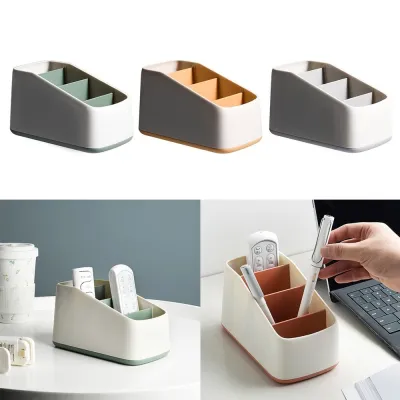
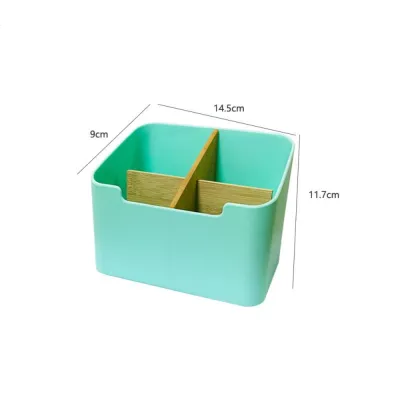
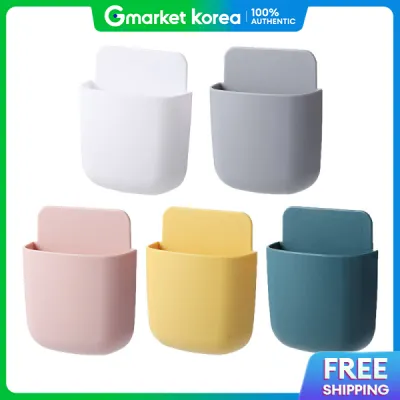
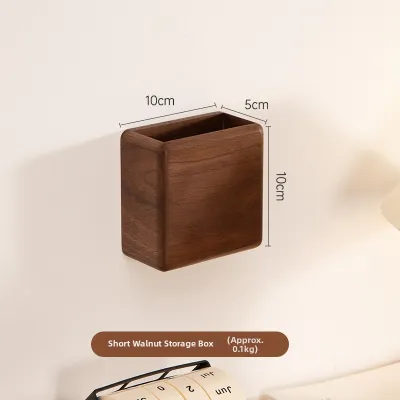
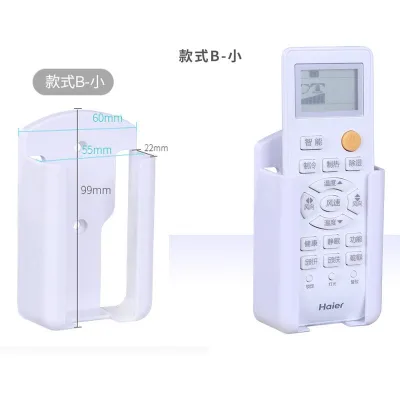
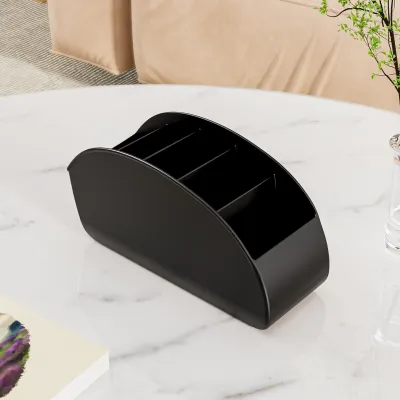
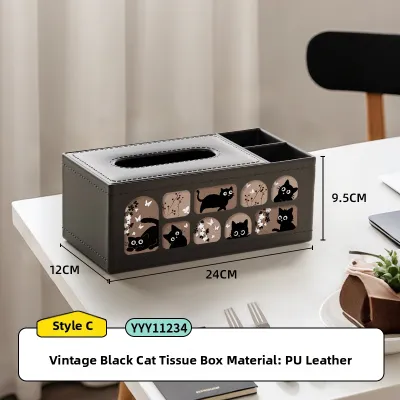
Prices are valid at publication and may change. Please refer to the product page for the latest price.
You must also map out the high-traffic pathways in your living room. In a typical HDB layout, the walkway between the sofa and the television is a primary thoroughfare. Any organizer that protrudes significantly from the side of a sofa or wall can become a physical hazard. Ensure that your chosen mounting zone does not obstruct movement or create a risk of painful bumps for family members walking past.
Finally, take an inventory of the items you need to store. Count your television remote, air conditioner remote, soundbar controller, and digital box receiver. Note if you also need space for secondary items like smartphones, reading glasses, or coasters. Knowing the exact capacity you require prevents you from buying an oversized holder that dominates your seating area, or an undersized one that leaves half your devices scattered.
Space-Saving Holder Types and Use Cases
Different living room configurations require distinct storage strategies. No single holder design fits every HDB setup, so you must match the organizer type to your furniture style and daily habits. The following sections break down the three primary space-saving designs, evaluating their functional trade-offs and physical requirements to help you make an informed decision.

Sofa Arm Trays and Clip-on Holders
Sofa arm trays and clip-on holders are excellent for households that want to keep remotes within arm’s reach without using a separate side table. These organizers sit directly on the armrest, turning otherwise unused furniture space into a highly functional utility zone. However, their compatibility depends heavily on the shape and structure of your sofa.
Armrest Shape Compatibility:
- Flat Arms: Rigid wooden or plastic clip-on trays work best on flat, wide armrests. They provide a stable, table-like surface for remotes and small cups.
- Rounded Arms: Heavily rounded or plush fabric arms require flexible, weighted silicone drapes or fabric organizers. These conform to the curve of the armrest and use friction to stay in place.
Stability and Weight Limits:
- Always check the clamping mechanism of clip-on models. Spring-loaded clamps must have rubberized or felt-lined grips to prevent slipping and protect the upholstery.
- Weighted drapes rely on gravity. Ensure the side flaps are sufficiently heavy to balance the weight of your remotes, preventing the holder from tipping sideways when you sit down or stand up.
Material and Surface Protection:
- Look for flexible silicone options with anti-slip backings. These grip fabric and leather surfaces securely without leaving sticky residue or causing physical wear.
- If choosing a wooden tray, verify that the surface has a water-resistant sealant to handle condensation from cold drinks, which is common in Singapore's humid climate.
Console Gap Fillers and Pocket Organizers
Console gap fillers and pocket organizers are designed to slide into the tight spaces between furniture cushions or between the sofa and an adjacent wall. They are highly discreet and keep your remotes completely out of sight while maintaining easy accessibility.
Gap Width Verification:
- Measure the exact width of the gap before buying. If the space is too tight, a rigid plastic organizer will not fit or may warp your sofa frame.
- For gaps under three centimeters, a flexible fabric pocket organizer with a long insert flap is the most suitable option. The flap tucks deep between the cushions, securing the pockets against the side of the sofa.
Pocket Depth and Structure:
- Evaluate the depth of the pockets carefully. Pockets must be at least 15 centimeters deep to prevent long television remotes from tipping forward and falling out.
- Look for organizers with reinforced, semi-rigid pocket dividers. These prevent the pockets from sagging open, which can catch on clothing or obstruct narrow walkways.
Material Rigidity:
- Fabric organizers made of heavy-duty canvas, felt, or synthetic leather offer the best balance of flexibility and durability.
- Ensure the insert flap features a non-slip texture or a weighted rod at the end. This anchor prevents the organizer from sliding out of the gap when the sofa cushions compress under seating weight.
Wall-Mounted and Adhesive Caddies
Wall-mounted and adhesive caddies utilize vertical wall space, completely freeing up your furniture surfaces. This is often the most effective solution for very small HDB living rooms where the sofa is pushed directly against the wall, leaving no room for side tables or wide armrest trays.
Surface Compatibility:
- Identify the exact wall material before choosing an adhesive mount. Smooth, non-porous surfaces like glass, acrylic, or glazed tiles are ideal for heavy-duty adhesive strips.
- Painted concrete or drywall requires caution. Strong adhesives can peel the paint or damage wallpaper upon removal, which is a critical consideration for rental flats.
Ergonomics and Reachability:
- Position the caddy within comfortable reach of your primary seating spot. You should be able to grab the remote without standing up or straining your arm.
- Avoid mounting the caddy too low where it might be blocked by side tables, or too high where it disrupts the visual flow of the room.
Visual Alignment and Aesthetics:
- Choose a slim-profile caddy that matches the color of your wall to make it blend in seamlessly.
- Align the holder with existing architectural lines, such as light switches, door frames, or the edge of your television console, to maintain a clean, uncluttered look.
Selection Criteria for Compact Environments
When shopping for a remote control holder on e-commerce platforms, it is easy to get overwhelmed by options. To find a model that truly fits a compact HDB living room, use the following physical and functional criteria to filter your choices.
Dimension Verification:
- Always compare the finished dimensions of the product against your measured available space. A holder that looks compact in a studio photo can feel surprisingly bulky in a small room.
- Prioritize slim-profile designs that minimize outward protrusion, especially if the holder will be placed near a walkway.
Capacity and Compartment Planning:
- Ensure the compartments are sized appropriately for your specific devices. A standard air conditioner remote is short and thick, while a modern smart TV remote is long and slim.
- Look for holders with adjustable or varied compartment sizes. Deep, narrow slots prevent slim remotes from rattling, while wider slots can accommodate bulkier controllers or smartphones.
Material and Finish Checks:
- Choose materials that are easy to clean and maintain. Matte plastics, treated bamboo, and synthetic leather are highly resistant to dust and fingerprints.
- Inspect the edges of the holder. Rounded corners and smooth finishes prevent accidental snags on delicate clothing and protect young children from sharp edges.
Multi-Functionality vs. Footprint:
- Some holders feature built-in phone stands, pen slots, or coaster trays. In a small space, a multi-functional holder can replace a separate side table, saving overall floor space.
- However, ensure these extra features do not make the holder's physical footprint unnecessarily large. If you only need to store two remotes, a simple, single-slot wall caddy is far more space-efficient than a large multi-functional tray. With prices typically ranging from S$5 to S$30, these organizers offer an affordable way to maximize space.
Installation Limits and HDB Safety Checks
Installing your remote control holder safely ensures that you do not damage your home’s fixtures or create physical hazards in your living room.
Adhesive Weight Limits:
- Always verify the manufacturer's specified weight limit for adhesive mounts. A standard adhesive caddy typically supports up to 1kg to 1.5kg.
- Overloading the caddy with multiple heavy devices, tablets, or power banks can cause the adhesive to fail, potentially damaging your remotes or flooring upon impact.
Surface Compatibility and Damage Prevention:
- Singapore's high humidity can affect adhesive performance over time. Ensure the wall surface is thoroughly cleaned with isopropyl alcohol and completely dry before applying any adhesive.
- Avoid applying strong adhesives to textured wallpaper, flaky paint, or delicate wood veneers, as removal will likely cause surface damage.
Drilling Restrictions:
- If you live in a rental HDB flat or want to avoid damaging built-in carpentry, drilling is generally not recommended.
- If drilling into concrete walls is necessary for a heavy-duty mount, ensure you use the correct wall plugs and avoid drilling near electrical conduits or water pipes.
Cable Management:
- If your remote holder doubles as a charging station for your phone or rechargeable remotes, plan the cable route carefully.
- Loose cables running across the floor are a major tripping hazard in narrow HDB walkways. Use adhesive cable clips to route cords discreetly along the base of the sofa or wall to keep the pathway clear.
Sourcing and Verifying Options Online
Finding the right remote control holder on online marketplaces requires a strategic approach to ensure the product matches your expectations and physical space.
Search Strategies:
- Avoid generic search terms like "remote holder," which return thousands of oversized desktop organizers.
- Use precise, descriptive keywords such as "slim adhesive remote pocket," "weighted silicone sofa arm tray," or "narrow gap sofa organizer" to filter out unsuitable options.
Review Verification:
- Do not rely solely on stock photos, which are often digitally altered to make products look smaller or larger than they are.
- Look for customer reviews that include real-life photos taken in actual living rooms. This helps you gauge the true scale, material texture, and color accuracy of the holder.
Return Policies:
- Since sofa arm shapes and gap widths can be highly specific, choose sellers that offer hassle-free returns or exchanges.
- Verify the return terms before purchasing, especially if you are unsure about the exact fit of a clip-on tray or a rigid gap filler.
Frequently Asked Questions (FAQ)
Can I use a remote control holder on a leather sofa?
Yes, you can use a remote control holder on a leather sofa, but you must take precautions to protect the material. Avoid rigid plastic or metal clip-on holders that can scratch, scuff, or leave permanent indentations on delicate leather. Do not use adhesive-backed holders directly on leather upholstery, as the adhesive residue can permanently ruin the finish. Instead, opt for weighted fabric or silicone drapes with soft, non-abrasive backings. If you must use a clip-on tray, place a thin felt pad between the clip and the leather to distribute pressure and prevent scuffing.
How do I clean a fabric sofa pocket organizer?
Fabric organizers easily collect dust, lint, and crumbs in a busy living room. Start by removing all items and vacuuming the pockets thoroughly using a brush attachment. For minor stains, spot-clean the fabric with a damp microfiber cloth and a mild, fabric-safe detergent. Always check the manufacturer’s care label before washing; some fabric organizers contain rigid cardboard inserts that will warp or degrade if submerged in water. If the organizer is fully machine-washable, wash it on a gentle cycle and ensure it is completely air-dried before re-installing it to prevent mold growth in Singapore’s humid climate.
Community discussion
Share your experience or ask a question. Comments are reviewed before publication.