
Choosing a living room table requires balancing visual style with practical longevity. Longevity is not just about structural survival; it is about how well a surface handles daily coffee spills, keys, and environmental factors. In tropical climates, your choice of solid wood, tempered glass, natural stone, or engineered wood dictates both the table’s aesthetic lifespan and the maintenance routine you must commit to.
A living room table serves as the functional anchor of your seating area, holding everything from morning coffee cups to heavy art books. When selecting this central piece of furniture, it is easy to prioritize aesthetics alone, matching a sleek design to your existing sofa or rug. However, true longevity encompasses both structural integrity and surface wear resistance over years of daily use. Some materials retain their pristine appearance with minimal intervention, while others require meticulous care to prevent permanent staining, warping, or scratching. Understanding the physical properties of these materials allows you to select a piece that complements your home’s style while standing up to your household’s daily habits.
How Coffee Table Materials Shape Style and Longevity
The material of your living room table defines its design language, anchoring the room in a specific aesthetic. A solid timber table evoke warmth and organic texture, while glass and metal lean toward minimalist or industrial modernism. Natural stone introduces an element of organic luxury, and engineered composites offer clean, uniform surfaces ideal for contemporary Scandinavian designs. Each material carries distinct trade-offs between physical durability and visual resilience.
Products mentioned in this guide
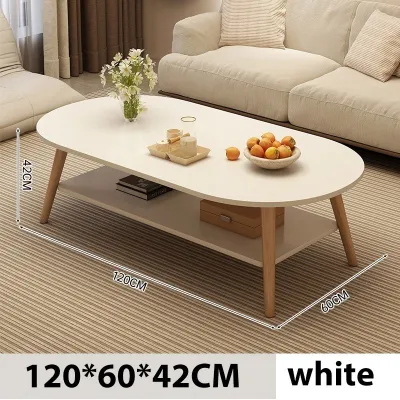
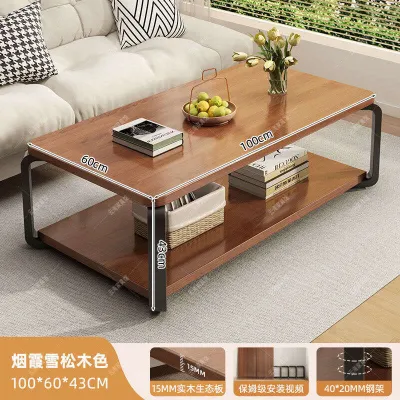
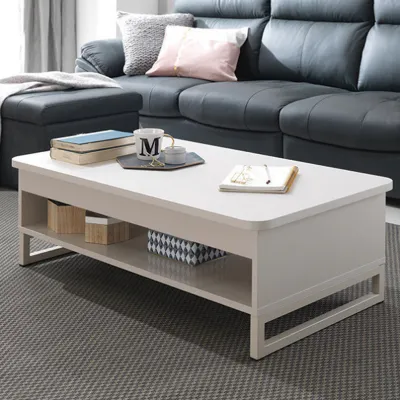
![[ SG ] ⚡ Coffee Table for Living Room Small Apartment Sofa Tea Table Simple Modern Balcony Tea Desk](https://img.lazcdn.com/g/p/6f72c518b9e014bbaf078b602f81e6aa.jpg_400x400q80.jpg_.webp)
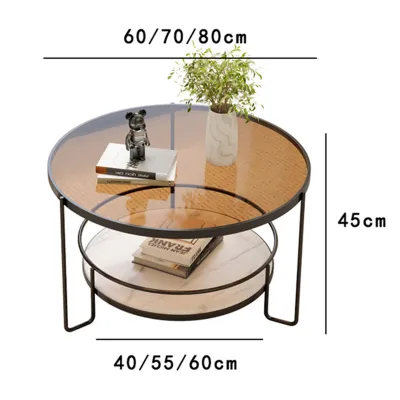
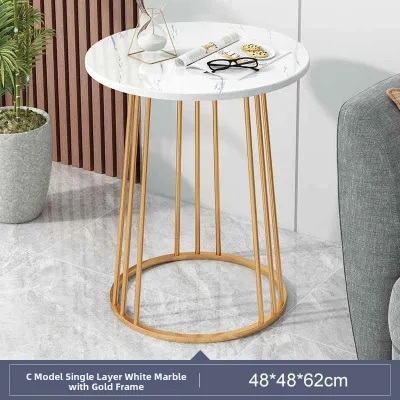
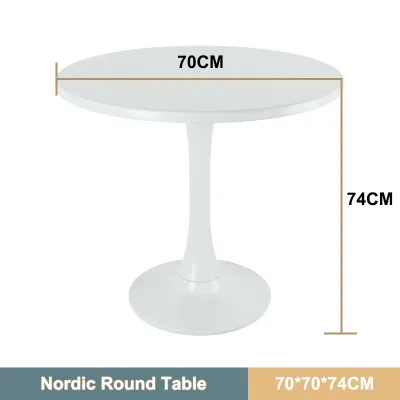
![[SG STOCK] Living room small table sofa small coffee table](https://img.lazcdn.com/g/p/43b765b3ecca59310d5c3459313063ee.png_400x400q80.png_.webp)
Prices are valid at publication and may change. Please refer to the product page for the latest price.
Physical durability refers to a table’s ability to withstand structural loads, resist tipping, and remain stable at its joints over time. Visual resilience, however, is about how easily the surface scratches, stains, or dulls under daily use. A material that is structurally indestructible might still require intensive maintenance to keep its surface looking clean. Choosing the right material requires assessing your willingness to perform routine care and matching the table to your household’s daily traffic patterns.
No single material is universally superior for every home. A household with young children or active pets will have vastly different durability requirements than a quiet, low-traffic apartment. By understanding how different materials age and react to daily wear, you can make an informed decision that balances aesthetic preference with realistic maintenance expectations.
Solid Wood: The Benchmark for Classic Styles and Lifespan
Solid wood remains the benchmark for classic, rustic, and mid-century modern aesthetics, offering a warmth and character that synthetic alternatives cannot replicate. Its primary advantage is its exceptional physical lifespan; high-quality wooden furniture can last for generations. Unlike engineered materials, solid wood develops a natural patina over time, which often enhances its visual appeal rather than degrading it. Furthermore, solid wood possesses a unique repairability advantage: deep scratches, water rings, and surface dents can be sanded down and refinished, effectively resetting the table’s aesthetic lifespan.

However, solid wood is an organic material that reacts dynamically to its environment. In tropical climates with high relative humidity, wood naturally expands and contracts as moisture levels fluctuate. This movement can put immense stress on joints and seams. To ensure long-term stability, verify that the table is constructed from kiln-dried timber, which has been pre-stabilized to minimize warping. Examine the joinery closely before purchasing; high-quality wooden tables utilize robust joint designs like mortise-and-tenon or dowel joints rather than simple metal staples or cheap adhesives.
Daily protection is essential to preserve the wood’s protective finish. Always use coasters under hot mugs and cold, sweating drinks to prevent moisture from penetrating the topcoat and leaving white rings. Avoid placing solid wood tables in direct sunlight near large windows, as prolonged UV exposure can dry out the wood, cause microscopic cracks, and unevenly fade the finish. For routine maintenance, wipe the surface with a slightly damp microfiber cloth and follow the manufacturer’s specific care instructions regarding the application of furniture waxes or oils to keep the grain sealed.
Hardwoods (Oak, Walnut, Teak)
Dense hardwoods represent the most durable organic options for high-traffic living areas. Teak is highly favored in tropical regions due to its exceptionally high natural oil content, which provides built-in resistance to moisture, warping, and pests. Oak offers a prominent, open-grain texture that is highly tolerant of minor surface scratches, making it an excellent choice for active households. Walnut, with its rich, dark tones and tight grain pattern, provides a premium mid-century aesthetic, though it is slightly softer than oak and requires careful shielding from sharp objects. These hardwoods resist deep dents and structural wear significantly better than softer alternatives, ensuring the table remains stable and beautiful even under heavy daily use.
Softwoods (Pine, Rubberwood)
Softwoods and lighter utility woods, such as pine and rubberwood, are widely used in budget-friendly, Scandinavian, or rustic furniture designs. Rubberwood, structurally much softer than oak or teak, is highly abundant and cost-effective. While these woods make stylish furniture accessible to a broader audience, they are significantly more susceptible to physical damage. A dropped metal object or a heavy ceramic mug can easily leave a permanent dent in a pine or rubberwood surface if the protective topcoat is thin. If you select a softwood table, inspect the thickness and hardness of its protective polyurethane lacquer, and commit to using protective mats or runners to safeguard the surface from daily impacts.
Glass and Metal: Contemporary Designs and Durability Factors
Glass and metal combinations are synonymous with contemporary, industrial, and minimalist interior styles. From a design perspective, a glass-topped living room table offers a distinct advantage in smaller apartments; its transparency allows light to pass through, reducing visual weight and making a compact room feel more spacious. Structurally, metal frames paired with tempered glass are incredibly resilient, impervious to moisture swelling, and highly resistant to permanent structural failure.
However, maintaining the pristine appearance of glass requires constant vigilance. Glass surfaces highlight fingerprints, smudges, dust, and water spots immediately, requiring frequent cleaning with a microfiber cloth and specialized glass cleaner. When shopping, always verify that the table utilizes tempered safety glass, which is processed to be significantly stronger than standard glass and designed to crumble into small, blunt fragments rather than sharp shards if broken. Check that the glass is at least 8mm to 12mm thick and features polished, rounded edges to prevent accidental chipping or injury.
The durability of the metal base depends heavily on its surface treatment, especially in humid climates where moisture can accelerate oxidation. Untreated iron or low-grade steel will rust over time when exposed to ambient humidity. Look for metal frames that feature high-quality powder-coating, anodization, or stainless steel construction. These protective finishes seal the underlying metal from moisture and oxygen, preventing rust and ensuring the frame remains structurally sound and visually clean for years.
Marble and Natural Stone: Luxury Statements and Care Limits
Natural stone tables, such as marble, travertine, and granite, serve as striking luxury statements in glamorous or minimalist interiors. Their weight and density provide unmatched structural stability; a stone table will not easily tip over or wobble. However, there is a significant difference between structural strength and surface vulnerability. Many homeowners mistakenly assume that because stone is hard, it is indestructible, only to find their expensive investment marred by stains within weeks of delivery.
Marble and travertine are highly porous calcium carbonate stones. They are chemically sensitive to acids, meaning that common household spills like coffee, tea, orange juice, or wine can cause etching. Etching is a chemical reaction that eats away the polished surface layer, leaving a dull, cloudy mark that cannot be wiped clean. Oil-based spills can also seep deep into the stone’s pores, leaving dark, permanent stains. To protect these surfaces, natural stone tables must be treated with a high-quality penetrating sealer upon installation and resealed regularly according to the manufacturer’s care instructions.
If you desire the look of natural stone but prefer a more forgiving surface, consider denser stones like granite or quartzite, which have lower porosity and higher scratch resistance. Regardless of the stone type, always use coasters, placemats, and trivets to protect the surface from heat and spills. Clean the table exclusively with pH-neutral stone cleaners rather than generic household sprays, which often contain acidic or abrasive agents that can strip away the protective sealant and damage the stone.
Engineered Wood and Veneers: Budget-Friendly Alternatives
Engineered wood products, including Medium-Density Fibreboard (MDF), particleboard, and plywood finished with wood veneers or synthetic laminates, are the backbones of modern fast-furniture and Scandinavian-inspired designs. These materials offer excellent dimensional stability; unlike solid wood, engineered wood does not expand, contract, or warp significantly when exposed to humidity fluctuations. This makes them highly predictable and structurally reliable in tropical climates, all while remaining highly budget-friendly.
However, the functional lifespan of an engineered wood table is strictly limited by its outer wear layer. A wood veneer is a micro-thin sheet of real hardwood bonded to an MDF core. While it provides the genuine look and texture of solid wood, it cannot withstand deep sanding or refinishing. If a veneer layer is deeply gouged, burned, or chipped, the underlying composite board will be permanently exposed, ruining the table’s appearance. Synthetic laminates are more scratch-resistant but are equally impossible to repair once structurally compromised.
Moisture poses the greatest threat to engineered wood. If water penetrates the protective laminate or veneer layer—most commonly at the seams, edges, or around screw holes—the underlying MDF or particleboard will absorb the moisture like a sponge. This causes the fibers to swell, bubble, and eventually disintegrate, a destructive process that cannot be reversed. When choosing an engineered wood table, carefully inspect the edge-banding to ensure there are no gaps where moisture can enter, and always wipe up spills immediately to prevent standing water from seeping into the joints.
Comparing Durability: Which Material Lasts Longest?
When evaluating which living room table material lasts the longest, we must weigh structural durability against surface maintenance. Solid hardwood is the undisputed champion for overall generational lifespan. Its structural strength, combined with the ability to be sanded, repaired, and refinished multiple times, allows a well-made hardwood table to survive decades of daily use and adapt to changing style trends.
Tempered glass and powder-coated metal offer exceptional structural longevity with virtually zero risk of warping, rotting, or moisture damage. However, their aesthetic lifespan is highly dependent on your tolerance for visible surface wear, such as fine scratches on the metal or minor chips along the glass edges, alongside the high daily maintenance required to keep them free of smudges. Natural stone structurally lasts indefinitely, but its surface appearance is fragile; without strict adherence to sealing schedules and immediate spill cleanup, its luxury appeal can quickly degrade due to etching and staining. Engineered wood offers the shortest overall lifespan, as it cannot be refinished and is highly vulnerable to irreversible water damage.
To make the best decision for your home, match the material properties to your household dynamics and logistical constraints. If you have young children or active pets, avoid glass tables with sharp corners or porous marble that easily absorbs spills; instead, opt for rounded hardwoods or high-durability synthetic laminates. Consider the weight and delivery logistics as well. A solid marble or heavy teak table requires a stable, high-load-capacity frame and can be incredibly challenging to transport. Before purchasing, verify the finished dimensions of the table against your available living room space, and measure your doorways and lift access to ensure the delivery team can safely maneuver the piece into your home.
Frequently Asked Questions (FAQ)
Is marble too fragile for a daily-use living room table?
Marble is structurally incredibly strong and heavy, meaning it will not break under normal daily weight loads. However, its polished surface is relatively soft and highly porous, making it highly susceptible to scratching, staining, and chemical etching from acidic liquids. It is not fragile in terms of structural integrity, but it requires diligent maintenance, regular sealing, and protective coasters to preserve its pristine appearance during daily use.
How do I protect a solid wood coffee table from humidity?
To protect solid wood from tropical humidity fluctuations, maintain a relatively stable indoor environment by utilizing air conditioning or dehumidifiers when possible. Avoid placing your table directly beneath air conditioning vents, where rapid temperature changes can cause the wood to crack, and keep it out of prolonged direct sunlight. Always clean spills immediately, use coasters, and apply a high-quality wood wax or polish as recommended by the manufacturer to help seal the grain against moisture absorption.
Community discussion
Share your experience or ask a question. Comments are reviewed before publication.