
Replacing worn or broken wooden drawer runners requires matching the original dimensions and selecting a wood type that can withstand repeated friction and load. This guide helps you assess your current setup, choose the appropriate wooden strips, and install them safely to restore smooth drawer operation.
When a drawer begins to stick, sag, or drop when pulled, the culprit is almost always a worn-out wooden runner. Over years of use, the constant sliding of wood against wood grinds down the runner’s profile, leading to misaligned drawers and frustrating jams. Restoring your furniture to its original, smooth-gliding state is a highly manageable DIY project, provided you select the right materials and execute the installation with precision.
Assessing Your Current Drawer and Runner Setup
Before purchasing any replacement materials, you must thoroughly evaluate the existing drawer and cabinet structure. Begin by removing the drawer entirely from the cabinet frame to expose the runners. Use a high-precision tape measure or a digital caliper to measure the exact length, width, and thickness of the existing runners. If the runners have worn down unevenly, measure the least-worn sections or measure the corresponding grooves on the drawer sides to reconstruct the original dimensions.
Products mentioned in this guide
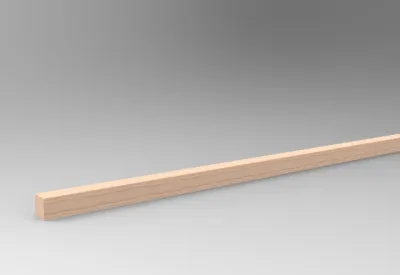

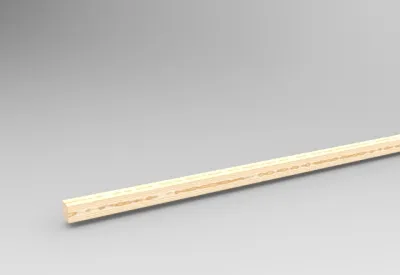
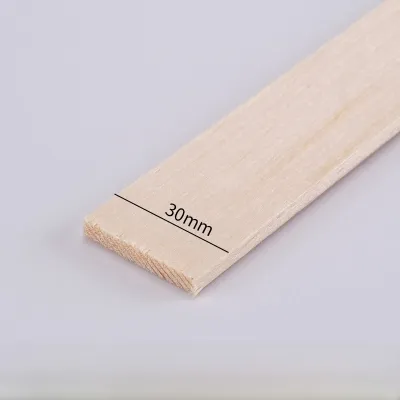
Prices are valid at publication and may change. Please refer to the product page for the latest price.
Next, inspect the drawer sides and the cabinet interior for secondary wear, splintering, or structural damage. Friction from a failing runner often causes the drawer box itself to rub against the cabinet frame, which can compromise the structural integrity of the drawer joints. Look for deep scratches, cracks, or loose panels that might affect how the new wooden strips sit. If the cabinet walls are bowing or the drawer sides are severely gouged, these issues must be addressed before installing new runners.
Finally, identify the original mounting method used for the runners. Traditional furniture often secures these strips using wood screws, wood glue, or a combination of both. In some cases, the runners may be housed within dado joints or recessed channels. Documenting how the original pieces were attached ensures you can replicate the mounting method or prepare the surface properly, such as scraping away old, dried glue before installing the new wooden strips.
Selecting the Right Wood Type for Durability
Choosing the correct wood species is critical for ensuring the longevity of your repair. Generally, hardwoods are the preferred choice for drawer runners because they offer superior resistance to wear, compression, and denting under load. Species like oak, maple, or beech are highly durable and can withstand decades of sliding friction. Softwoods, such as pine or fir, are much easier to cut and shape with basic hand tools, but they tend to wear down rapidly under the weight of heavy drawers, making them less suitable for high-use furniture.

Beyond the species itself, you must evaluate the surface smoothness and grain direction of the wooden strips. Look for straight-grained wood, as wavy or interlocking grains are more prone to splintering and creating friction points that cause the drawer to snag. The wood should be free of knots, sap pockets, or other natural defects that could weaken the strip or disrupt the smooth sliding action.
Environmental conditions also play a significant role in material selection. In high-humidity environments, such as kitchens, bathrooms, or tropical climates like Singapore, wood naturally absorbs moisture and expands. This dimensional change can cause drawers to bind. While hardwoods generally expand less than softwoods, a material name alone does not guarantee durability; you should check the manufacturer’s care instructions or apply a suitable sealant to protect the wood from moisture-induced swelling.
Determining the Correct Dimensions and Tolerances
Achieving a perfect fit requires balancing tight tolerances with the natural movement of wood. Your replacement wooden strips must match the thickness and width of the original runners as closely as possible to maintain the drawer’s alignment. If the new strips are even slightly too thick, the drawer will bind and become difficult to open; if they are too thin, the drawer may wobble, sag, or slip off the tracks entirely.
When calculating the dimensions, always account for the necessary sliding clearance. A general rule of thumb is to leave a tiny fraction of a millimeter of clearance on either side of the drawer to prevent binding. This clearance is especially vital to accommodate potential wood expansion during humid seasons. Refer to the furniture manufacturer’s guidelines if they are available, as they often specify the exact tolerances designed for the piece.
If you are dealing with non-standard sizes or a slightly warped cabinet frame, you may need to customize the wooden strips. In such cases, it is best to select a strip that is slightly oversized and use a hand plane or sandpaper to gradually shave down the wood until it fits perfectly. This custom fitting ensures that even older, settled furniture can achieve smooth drawer movement without requiring a complete rebuild of the cabinet frame.
Preparing and Installing the Replacement Wooden Strips
Once you have selected and sized your wooden strips, the installation process begins with careful preparation. Cut the strips to the exact measured length using a fine-toothed hand saw or miter saw. After cutting, thoroughly sand all edges and contact surfaces with fine-grit sandpaper. Smoothing out any rough spots or saw marks is essential to minimize friction and prevent the wood from catching during operation.
Next, select the appropriate fasteners and adhesives for the job. If you are using screws, ensure they are of the correct length; screws that are too long can pierce through the cabinet wall or the interior of the drawer, creating safety hazards and damaging your belongings. Pre-drill pilot holes in the wooden strips to prevent the wood from splitting when the screws are driven. Combine the mechanical fasteners with a high-quality wood glue to create a permanent, stable bond.
Before applying any glue or driving the screws completely home, perform a dry fit. Place the new wooden strips in position and slide the drawer into the cabinet to test its movement. This step allows you to identify any tight spots, misalignment, or binding. If the drawer sticks, remove it and adjust the strips by sanding or planing the tight areas. Once the movement is perfectly smooth, finalize the installation by applying the adhesive and securing the fasteners.
When to Stop and Seek Professional Help or Alternative Hardware
While replacing wooden runners is a straightforward DIY task, certain scenarios require professional expertise or alternative solutions. If you discover severe structural failure, rot, or extensive termite damage in the drawer box or the cabinet frame, stop the repair immediately. In these cases, simply replacing the runners will not restore the furniture’s stability, and you should consult a qualified carpenter to assess whether the piece can be safely restored.
Additionally, consider the weight and usage of the drawer. If the drawer is intended to hold exceptionally heavy items, the load may exceed the safe bearing capacity of traditional wooden runners. In such instances, upgrading to modern metal ball-bearing slides might be a more practical and durable solution, though this may require modifying the drawer box. Finally, if the repair requires complex joinery or specialized tools that you do not possess, seeking professional help is the safest way to preserve your furniture.
Frequently Asked Questions (FAQ)
Can I use plywood or MDF for drawer runners?
Plywood and medium-density fiberboard (MDF) are generally not recommended for high-friction drawer runners. MDF lacks the structural integrity to withstand constant sliding and is highly prone to crumbling or splitting under localized screw pressure. Standard plywood can suffer from edge-fraying and delamination over time due to repeated friction. However, high-density, void-free plywood may be used in low-load scenarios, provided the edges are meticulously sealed, sanded, and lubricated.
How do I reduce friction on wooden drawer runners?
To ensure smooth operation after installation, apply a dry lubricant to the contact surfaces of both the runner and the drawer groove. Traditional paste wax, paraffin wax, or a simple block of beeswax works exceptionally well to create a slick, low-friction barrier. Avoid using wet or oil-based lubricants, such as standard household oils or silicone sprays, as these can attract dust and grit, swell the wood fibers, and potentially stain the drawer contents.
Do I need to treat the wood strips before installation?
Treating the wooden strips before installation is highly beneficial for preventing moisture absorption and subsequent dimensional changes. Applying a thin, protective sealant helps stabilize the wood against humidity fluctuations. However, it is crucial that any finish or sealant used is allowed to fully cure and dry completely before you reassemble the drawer. A tacky or incomplete finish will significantly increase friction, causing the drawer to stick and potentially ruining the new runners.
Community discussion
Share your experience or ask a question. Comments are reviewed before publication.