
Selecting a wooden display cabinet for a Singapore apartment involves balancing aesthetic preferences with the practical realities of compact living. In HDB flats and condominiums, where floor area is limited, a suitable cabinet must utilize space efficiently, complement existing interior themes, and fit seamlessly into daily traffic paths. By focusing on slim profiles, versatile configurations, and appropriate wood tones, you can showcase your items without making your living room feel cramped or cluttered.
Assessing Spatial Constraints in HDBs and Condos
Before browsing designs, you must establish the precise physical boundaries of your room. Start by measuring the available floor area where the cabinet will stand, paying close attention to depth. A cabinet that projects too far into a walkway can disrupt the natural flow of your home, making daily movement uncomfortable. Ensure there is ample clearance for walking past the unit, especially when cabinet doors or drawers are fully opened.
Ceiling height is another critical factor, particularly if you are considering tall, statement pieces. While high cabinets utilize vertical space efficiently, they must leave enough clearance at the top for ventilation and cleaning. Additionally, measure the distance from adjacent walls, light switches, and electrical outlets to ensure the cabinet does not block essential fixtures or create awkward, hard-to-reach gaps.
Products mentioned in this guide
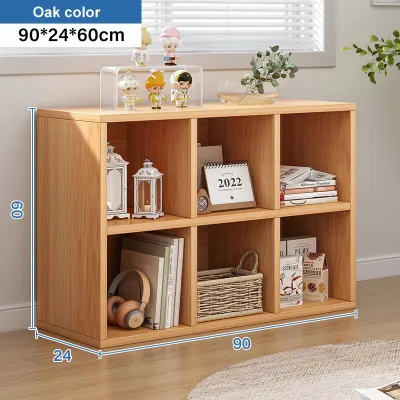
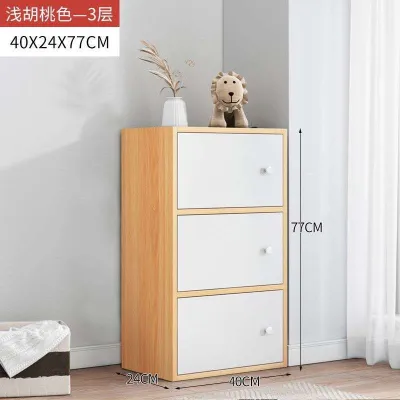
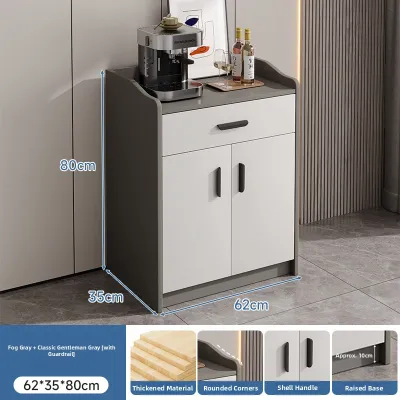
Prices are valid at publication and may change. Please refer to the product page for the latest price.
Beyond the final placement spot, you must plan the delivery route from the building entrance to your apartment. Measure the height and width of your apartment door frame, the elevator doors, and any tight turns in the common corridors or stairwells. Large, fully assembled wooden cabinets can easily get stuck in narrow passageways, so verifying these dimensions beforehand helps prevent delivery failures and returns.
Finally, consider the visual weight of the wooden piece within your room. Solid, dark wood cabinets with thick frames can dominate a small room, making it feel smaller than it is. If your space is limited, look for designs with slender frames, elevated legs, or glass panels that allow light to pass through, reducing the perceived bulk of the furniture.
Matching Cabinet Configurations to Room Layouts
The layout of your apartment dictates the most functional shape and structure for your wooden display cabinet. For tight corners, narrow entryways, or small dining alcoves, tall and narrow units are highly practical. These vertical designs draw the eye upward, providing ample shelving space while occupying a minimal footprint on your floor. They are suitable for displaying glassware, books, or small collectibles without encroaching on your living space.

If you have a long, empty wall or want to place furniture beneath a window, a low and wide console-style cabinet is a practical alternative. These units keep the upper half of the wall open, which helps maintain an airy, spacious feel in the room. The top surface of a low cabinet also doubles as an extra styling area for lamps, plants, or framed photos, while the lower compartments offer discreet storage.
For homes where floor space is exceptionally limited, modular or wall-mounted wooden shelving systems offer a flexible solution. Floating shelves or wall-hung cabinets keep the floor completely clear, making it easier to clean and creating a sense of openness. Modular systems also allow you to expand or rearrange the configuration over time as your storage needs or apartment layouts change.
Corner cabinets are another specialized configuration worth considering for awkward layouts. They utilize underused corner spaces that are otherwise left empty, turning them into functional display areas. When choosing a corner unit, ensure the door swing path does not conflict with nearby furniture or entryways, allowing you to access your items easily.
Aligning Wood Tones and Profiles with Interior Themes
The wood finish and design profile of your cabinet should harmonize with your apartment’s overall interior design theme. Light wood tones, such as oak, ash, or rubberwood, are suitable choices for modern, Scandinavian, or minimalist spaces. These lighter finishes reflect natural light more effectively, helping to brighten up compact rooms and make them feel more expansive and welcoming.
In contrast, darker wood tones like walnut, teak, or mahogany bring warmth, richness, and a sense of sophistication to traditional, mid-century modern, or industrial interiors. When incorporating dark wood into a small apartment, balance its visual weight by pairing it with lighter walls, neutral rugs, or minimalist decor. This contrast helps prevent the dark cabinet from overwhelming the room’s color palette.
Pay close attention to the hardware, leg profiles, and edge detailing of the cabinet. Slender, tapered legs lift the cabinet off the ground, creating a sense of spaciousness by exposing more floor area. Minimalist handleless doors or sleek metal hardware complement contemporary styles, while brass handles and carved edges align better with classic or rustic themes. Matching these details with your existing furniture ensures a cohesive look.
Because wood finishes can look different under different lighting, try to view physical wood samples or visit a showroom before making a final decision. Observe how the wood grain and color tone interact with both natural daylight and the artificial warm or cool lighting used in your home. This step helps you avoid purchasing a piece that looks different once placed in your living room.
Evaluating Functional Features for Display and Storage
A functional display cabinet must balance aesthetic presentation with practical storage needs. Look for units with adjustable shelving, which allows you to customize the interior height to accommodate items of various sizes. Whether you want to display tall ceramic vases, medium-sized art pieces, or small collectibles, adjustable shelves ensure you can adapt the cabinet’s layout over time without wasting vertical space.
Consider the trade-offs between open shelving and glass-front doors. Open shelves offer immediate access and a casual, modern look, but they expose your items to dust and require frequent cleaning. Glass-front doors protect your collectibles from dust and accidental bumps while keeping them fully visible. If you choose glass doors, verify that the glass is tempered for safety and durability in a busy household.
Integrated lighting is another feature that can elevate your display, turning the cabinet into an attractive focal point in the evening. If you prefer illuminated shelves, check the cabinet’s design for built-in wire management channels or pre-drilled holes. You must also verify the proximity of your apartment’s power outlets to ensure you can plug in the lighting safely without running extension cords across walkways.
Additionally, think about the ratio of hidden storage to open display space. Cabinets that feature solid wooden drawers or lower cupboards alongside glass display shelves offer a versatile solution. You can showcase your glassware or collectibles at eye level while tucking away clutter, documents, or seasonal items in the closed compartments below, keeping your living area tidy.
Pre-Purchase Verification and Apartment Delivery Checks
Before finalizing your purchase, review the manufacturer’s assembly requirements and structural support instructions. Taller wooden cabinets can be top-heavy, especially when loaded with heavy items, making them prone to tipping. Check if the product includes a wall-anchoring kit and read the instructions to determine if your apartment walls can support the necessary drilling and hardware.
The indoor climate of your apartment also plays a role in the longevity of wooden furniture. Singapore’s humid climate, combined with the frequent use of air conditioning, can cause wood to expand and contract. Review the care and maintenance guidelines provided by the manufacturer to ensure the wood finish is treated to withstand these environmental fluctuations without warping or cracking over time.
Finally, clarify the retailer’s delivery scope and post-purchase policies. Confirm whether professional assembly services are included in the delivery fee, as assembling large wooden furniture yourself can be challenging without the right tools. Additionally, review the return, exchange, and warranty policies specifically for wooden items, ensuring you are covered if the cabinet arrives with structural defects or transit damage.
Frequently Asked Questions (FAQ)
How do I secure a tall wooden display cabinet to help prevent tipping?
To reduce the risk of a tall wooden cabinet tipping, refer to the manufacturer’s manual for specific wall-anchoring instructions and use the provided safety brackets. Before drilling, identify your wall type, as concrete, drywall, and brick require different wall plugs and screws. If you are unsure about drilling into your apartment walls or if the provided hardware seems insufficient for your wall type, consult a qualified professional installer to secure the unit safely.
Can I place a solid wood cabinet directly under an air-conditioning vent?
It is generally not recommended to place a solid wood cabinet directly under or in the direct path of an air-conditioning vent. Direct exposure to cold, dry air followed by warm, humid air when the system is turned off can cause the wood to dry out, warp, or split. Review the manufacturer’s care guidelines regarding temperature and humidity exposure, and consider adjusting your air-conditioning vents or shifting the cabinet’s position to avoid direct airflow.
Community discussion
Share your experience or ask a question. Comments are reviewed before publication.