
When managing a double bunk bed shared by two young children, selecting the right bed partition is one of the most important decisions you will make for their safety and comfort. A bunk bed naturally introduces unique spatial challenges, especially in compact living environments like Singapore’s high-rise apartments where bedrooms must serve multiple functions. The ideal partition does not just prevent accidental falls; it also establishes clear personal boundaries, minimizes nighttime disruptions, and fits seamlessly within your existing room layout.
For the top bunk, the primary focus must always be robust fall prevention, requiring rigid, high-profile barriers that can withstand active movement. On the bottom bunk, the priorities often shift toward creating a cozy, private sleeping nook or filling structural gaps between the mattress and the wall. By understanding the distinct types of partitions available and how they interact with your specific bunk bed frame, you can create a secure, peaceful sleeping environment that supports your children’s growth and independence.
Identifying the Right Partition Type for Your Bunk Bed
Not all bed partitions serve the same purpose, and using the wrong type in an elevated sleeping space can introduce serious safety hazards. Before shopping, it is essential to distinguish between fall-prevention guards, privacy dividers, and gap fillers, as each is engineered for a specific location and function.
Products mentioned in this guide
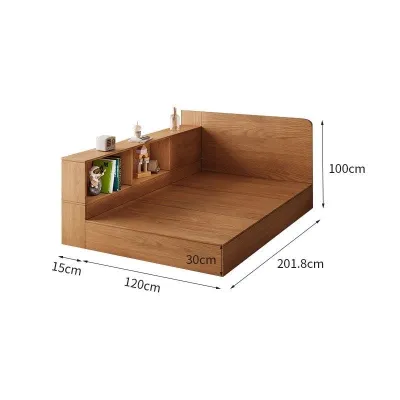
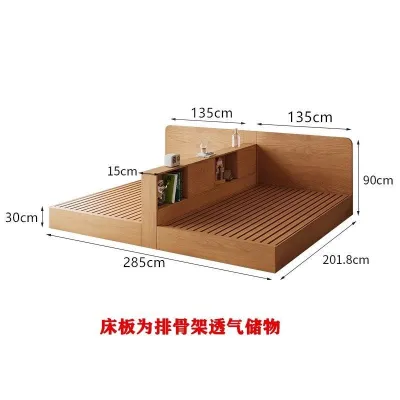
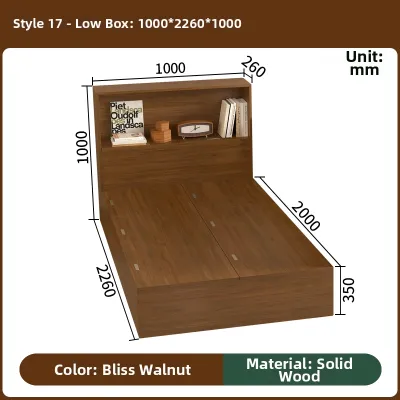
Prices are valid at publication and may change. Please refer to the product page for the latest price.
Bed rails and guardrails are the most critical partition type for any bunk bed setup, particularly for the top bunk. These are structural barriers designed to prevent a sleeping or rolling child from falling over the edge. Unlike standard floor-level bed rails, guardrails intended for bunk beds must feature exceptionally secure mounting systems that can resist outward pressure without slipping or detaching from the elevated frame.
Privacy dividers, such as lightweight fabric curtains or solid panel dividers, serve a completely different role. These are typically installed on the bottom bunk to block out light and visual distractions, which is incredibly helpful if your children have different bedtimes or sleep schedules. While privacy curtains excel at creating a personal sanctuary, they offer absolutely no structural support and must never be used as a substitute for a physical safety guardrail.
Gap fillers and mattress wedges address a common but overlooked hazard: the empty space that occurs when a mattress does not fit perfectly within the bed frame, or when a bottom double mattress is pushed against a wall. These dense foam wedges prevent limbs, toys, or pillows from slipping into the margins. Identifying which of these three challenges you need to solve will prevent you from purchasing an incompatible product that compromises your child’s safety.
Critical Safety and Fit Criteria for Young Children
When installing any aftermarket partition on a bunk bed, safety is determined by precise measurements and structural compatibility. Children are naturally curious and active, meaning a partition must be able to withstand constant physical interaction without creating new hazards like entrapment.

First, evaluate the height of the partition relative to your mattress thickness. A safety rail is only effective if it extends significantly above the top surface of the mattress. If you use a thick, plush mattress on the top bunk, it can drastically reduce the effective height of the guardrail, making it easy for a child to roll right over the top. Always measure your mattress height first and choose a partition that maintains a safe, high-profile barrier above the compressed mattress line, in accordance with the manufacturer’s safety specifications.
Second, pay close attention to gap limits to prevent head or limb entrapment. The spaces between the bed frame and the partition, as well as the gaps at either end of the rail, must be small enough that a child cannot slide through. A partition that flexes too easily under pressure can create a dangerous pocket where a child could become wedged. Ensure that all gaps conform to standard child safety guidelines, leaving no space wide enough to trap a child’s head, torso, or limbs.
Finally, assess how the partition attaches to the bed frame. The mounting brackets or straps must not compromise the structural integrity of the bunk bed itself. Avoid any aftermarket accessories that require drilling into critical load-bearing posts or altering the frame in a way that voids the manufacturer’s warranty. The attachment mechanism must provide a rigid, unyielding connection that does not wobble or slide when subjected to sudden weight.
Recommended Partition Materials and Attachment Methods
Selecting the right material for your bed partition involves balancing durability, visibility, and comfort. The three most common materials used in child-friendly partitions are breathable mesh, solid wood, and metal frames, each offering distinct advantages depending on your home environment.
Mesh partitions are highly popular for young children due to their excellent breathability and visibility. In warm, humid climates, maintaining optimal airflow around the sleeping area is essential for a comfortable night’s sleep. Mesh allows parents to easily peer into the bunk from across the room to check on a sleeping child without climbing up. However, the fabric must be tightly tensioned and made of high-density, tear-resistant material to ensure it does not sag over time.
Solid wood partitions offer unmatched sturdiness and can be painted or stained to match wooden bunk bed frames perfectly. They provide a highly rigid barrier that does not flex, making them exceptionally secure for older or more active children. The trade-off is that solid wood panels can block light and airflow, potentially making the sleeping space feel warmer and more enclosed. Metal frames wrapped in fabric offer a middle ground, providing a rigid structural skeleton with a softer, safer contact surface.
When it comes to functionality, fold-down or swing-down mechanisms are highly convenient. These rails can be temporarily lowered to make bed-making, sheet changes, and tucking your child in much easier. If you choose a folding model, verify that it features a robust, dual-action locking system that cannot be easily operated or accidentally released by a child from inside the bed.
Additionally, consider the installation method. Tool-free strap systems rely on the weight of the mattress to anchor the rail in place. While convenient, these are generally better suited for bottom bunks where the fall height is minimal. For elevated top bunks, permanent screw-in brackets or heavy-duty clamp systems that lock directly onto the wooden or metal bed slats provide a far more reliable and stable connection.
Matching Partitions to Specific Bunk Bed Configurations
Bunk beds come in a wide variety of shapes and sizes, and a partition that works perfectly on a standard frame might fail to fit a specialized layout. Understanding your specific bed configuration is key to choosing a compatible partition.
In standard twin-over-twin or full-over-full (double) layouts, the straight sides of the frame make it relatively simple to find compatible aftermarket rails. However, if you have a double bunk bed where the bottom mattress is wider than the top, you must ensure that the top bunk partition does not interfere with the open space below or block the ladder access. The wider bottom mattress also means the lower partition may need to be longer to provide adequate coverage if that bed is positioned away from the wall.
L-shaped, staggered, or low-profile bunk beds present unique spatial challenges. Staggered designs often leave unexpected open sides that require custom-length partitions. Low-profile bunks, which sit closer to the floor, reduce the fall risk for the bottom sleeper but still require robust top-bunk protection. For these configurations, modular partitions that can be adjusted in length or angled to fit non-standard corners are highly beneficial.
Ceiling clearance is another critical factor, particularly in homes with standard ceiling heights. A very tall partition on a top bunk can restrict the vertical space between the rail and the ceiling, making the top bunk feel cramped and making it difficult for a child to sit up comfortably. Measure the distance from the top of the mattress to the ceiling before purchasing a high-profile rail, ensuring there is ample room for your child to move safely without risk of bumping their head on the ceiling or light fixtures.
Installation, Daily Checks, and When to Stop Using
Even the highest-quality bed partition can fail if it is installed incorrectly or neglected over time. Establishing a proper installation routine and performing regular maintenance checks is essential to keeping the sleeping environment safe as your children grow.
During the initial installation, take your time to align the partition perfectly with the bed frame. Once mounted, perform a manual stability test by applying firm outward and downward pressure on the rail. Check that the bed frame does not wobble or tilt under the weight, and ensure that the mattress sits flat without being lifted or displaced by the partition’s mounting brackets. All hardware should be tightened securely, but avoid over-tightening to prevent stripping the screws or cracking wooden slats.
Because children naturally wiggle, climb, and lean against bed partitions, the hardware can gradually loosen over time. Incorporate a quick visual and physical check into your weekly routine, perhaps when changing the bed linens. Inspect the fabric for any signs of tearing or fraying, check that wooden joints remain tight, and ensure that metal clamps have not shifted out of alignment. In humid environments, pay close attention to the contact points between fabric, wood, and metal to ensure no moisture is trapped, which could lead to mold or rust.
Finally, be prepared to recognize when your children have outgrown the need for bed partitions. As children develop better motor control and spatial awareness during sleep, they will naturally transition away from needing active fall protection. If a child begins attempting to climb over the partition, or if they have reached the age and height where the rail no longer provides a safe barrier, it is time to remove the partition to prevent climbing-related falls. Monitor these developmental milestones closely to ensure the bed setup always matches your child’s current physical capabilities.
Frequently Asked Questions (FAQ)
Can I use a standard toddler bed rail on a top bunk?
No, standard toddler bed rails are not designed for the unique structural demands of an elevated top bunk. Floor-level toddler rails often rely on under-mattress strap systems and the weight of a standard mattress to stay in place. On a top bunk, the leverage forces are much higher, and a shifting mattress can cause a standard rail to slip out of position, creating a dangerous fall or entrapment hazard. Always use guardrails specifically rated and approved by the manufacturer for top bunk use.
How do I ensure the partition does not block the bunk bed ladder?
To keep the ladder completely unobstructed, carefully measure the clearance zones around the mounting points before purchasing a partition. Choose a partition length that leaves a designated, clear opening for entry and egress, matching the exact width of your ladder. If space is tight, consider using a fold-down partition that can be lowered during the day, or select a modular rail system that allows you to position the barrier away from the climbing path while still protecting the primary sleeping area.
Community discussion
Share your experience or ask a question. Comments are reviewed before publication.