
Selecting the right wheels for moving furniture in Singapore homes depends entirely on your flooring. For sensitive surfaces like engineered wood, laminate, or vinyl, soft polyurethane or rubber wheels prevent scratches and dents. For hard surfaces like ceramic tiles, porcelain, or natural stone, harder nylon or plastic wheels roll smoothly over grout lines without wearing down. Selecting the right caster material ensures your heavy sideboards, sofa beds, or shelving units glide effortlessly without leaving permanent tracks or damaging your floor’s protective finish.
Singapore’s high humidity levels can cause engineered wood to expand slightly, altering the floor’s levelness and making smooth rolling even more critical to prevent edge chipping. By matching the wheel material to your specific floor type, you can move your furniture safely during cleaning or rearranging without risking costly floor repairs.
Understanding Floor Types and Caster Wheel Compatibility
Singapore homes typically feature a mix of flooring materials, often transitioning from durable porcelain tiles in the kitchen and living area to engineered wood or luxury vinyl tiles in the bedrooms. Each of these surfaces responds differently to the point load—the concentrated weight of furniture resting on a tiny contact patch—and the rolling friction generated when moving items.
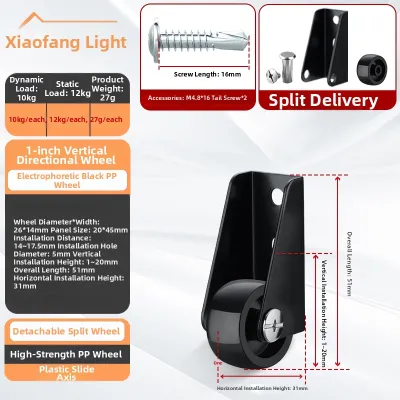
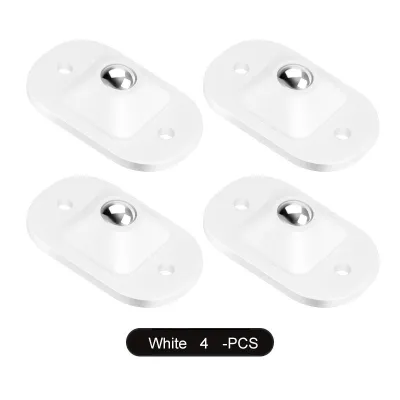
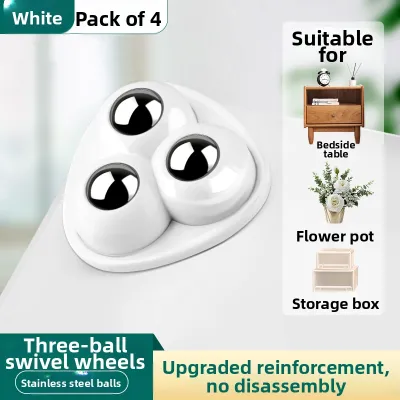
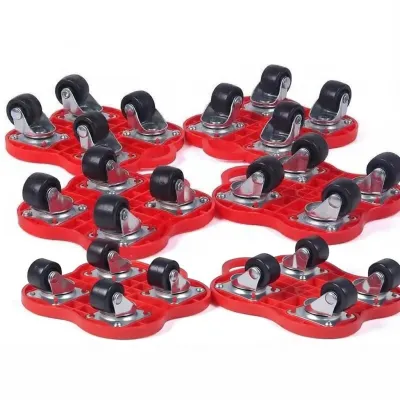
Products mentioned in this guide
![[SG Seller]No Drill Self Adhesive Swivel Caster Wheel with ke Heavy Duty Sticky Furniture Moving Roller](https://img.lazcdn.com/g/p/3f1afc8d2f9a680a5d5c8514e0b5e099.jpg_400x400q80.jpg_.webp)
Prices are valid at publication and may change. Please refer to the product page for the latest price.
Sensitive surfaces like engineered wood, laminate, and vinyl are softer and highly susceptible to indentation and surface scratches. When heavy furniture is moved on these floors, a hard wheel can compress the wood fibers or tear the vinyl wear layer. This damage is often irreversible and requires replacing entire planks or sections of the floor.
Conversely, hard surfaces like ceramic, porcelain, and natural stone tiles are highly resistant to scratching but present a different challenge: grout lines. Rolling furniture across deep grout lines or uneven tile joints subjects both the wheel and the tile edges to sudden impacts, which can chip brittle stone or crack the wheel itself.
Additionally, Singapore’s tropical climate and high relative humidity can cause wood floors to expand and contract. This movement can create slight unevenness at the joints of engineered wood planks, making it easier for wheels to catch on edges. High humidity can also affect the grip of certain wheel materials, causing them to slip rather than roll if the surface accumulates a microscopic layer of moisture.
Comparing Caster Wheel Materials for Different Surfaces
Selecting the right wheels for moving furniture requires matching the hardness of the wheel to the vulnerability of the floor. A simple rule of thumb is to use soft wheels on hard, sensitive floors and hard wheels on durable, smooth floors.

Rubber and Polyurethane for Wood and Sensitive Floors
For engineered wood, laminate, and vinyl floors, soft-tread wheels are essential to prevent permanent damage. When shopping for replacements, always check the manufacturer’s product specifications and labels for terms like “non-marking,” “soft tread,” or “thermoplastic rubber.” These materials deform slightly under load, distributing the weight over a larger surface area and absorbing minor vibrations.
Polyurethane wheels offer an excellent balance of floor protection and load-bearing durability. Unlike pure rubber, which can sometimes dry out, crack, or leave dark scuff marks on light-colored floors, polyurethane is highly resistant to flat-spotting and chemical degradation. It provides enough cushion to protect sensitive wood finishes while maintaining a higher load capacity than standard rubber.
However, soft wheels have their limitations. In highly humid environments, some low-grade rubber or soft synthetic wheels can degrade over time, becoming sticky and leaving a stubborn residue on the floor. They also exhibit higher rolling resistance on high-friction surfaces like carpets or textured tiles, requiring more physical effort to push the furniture.
Nylon and Hard Plastics for Tile and Stone
Hard surfaces like ceramic and porcelain tiles benefit from harder wheel materials such as nylon, polypropylene, or hard phenolic resins. These materials do not deform under heavy loads, allowing the wheels to roll effortlessly over grout lines and minor floor transitions without getting stuck or dragging.
When selecting hard wheels, verify their structural integrity and load ratings to ensure they can support the furniture without cracking. While porcelain tiles are incredibly durable, a cracked or damaged hard plastic wheel can develop sharp edges that scratch even the toughest glaze.
The primary trade-off with hard nylon wheels is noise and the risk of trapped debris. Hard wheels do not absorb sound, so rolling them across tiled floors can be loud. More importantly, if hard grit, sand, or small stones are trapped between a hard wheel and a hard floor, the wheel will drag the debris across the surface, causing deep scratches.
Additionally, hard plastic wheels can suffer from flat-spotting if left stationary under heavy furniture for months. When you finally try to move the piece, the flat spot will cause a bumpy, uneven roll that can damage both the wheel and the floor joints.
Matching Wheel Size, Load Capacity, and Stem Type
Before purchasing wheels for moving furniture, you must ensure they can safely support the weight of the item and fit your existing furniture frame. To calculate the required load capacity per wheel, divide the total weight of the furniture by three, rather than four. This safety margin accounts for uneven floors where one wheel may temporarily lift off the ground, transferring the entire load to the remaining three casters.
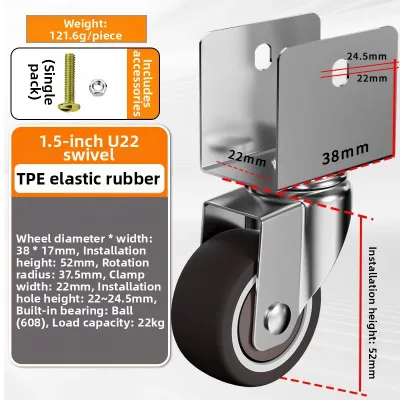
Next, measure the mounting hardware precisely. If your furniture uses stem casters, use a caliper or a ruler to measure the stem’s diameter and length. Common types include threaded stems, grip neck stems, and grip ring stems, and even a millimeter’s difference can prevent a secure fit. For plate-mounted casters, measure the distance between the mounting holes from center to center to ensure they align with the pre-drilled holes on your furniture base.
Wheel diameter is another critical factor, especially when navigating tile grout lines or floor thresholds in Singapore apartments. Larger wheels, such as those with a diameter of 50mm or greater, roll over gaps and uneven joints much more easily than small, low-profile wheels. A larger wheel reduces the angle of impact when hitting a grout line, preventing the wheel from getting stuck and minimizing the risk of tipping the furniture.
Installation Checks and Floor Protection Practices
Proper installation and regular maintenance are vital to ensure your wheels for moving do not cause accidental damage to your floors. Before installing new casters, thoroughly inspect the wheel treads for any manufacturing defects, sharp plastic flashing, or embedded grit.
Once installed, verify that all casters are securely fastened and that the swivel mechanisms rotate freely. A binding swivel caster will slide sideways instead of turning, dragging across your engineered wood or tile and leaving deep, permanent gouges.
Establish a routine maintenance schedule to clean the wheels. Hair, dust bunnies, and grit easily wrap around caster axles, preventing them from spinning. Wipe the treads with a damp cloth and use tweezers to remove any trapped debris from the axle. Check the wheels periodically for flat spots, cracks, or signs of tread wear that could expose the hard inner core of the caster to your floor.
If you notice that the mounting holes in your furniture frame have become stripped, or if the wood around the mounting plate shows signs of cracking or stress, stop immediately. Do not attempt to force the caster back in, as this can cause the furniture to tip over during movement. Consult the furniture manufacturer or a professional carpenter to repair the mounting point safely.
Frequently Asked Questions (FAQ)
Can I use the same caster wheels for both tile and engineered wood?
Yes, but you must choose a versatile compromise. A medium-hardness polyurethane wheel is generally the best choice for homes with mixed flooring. Polyurethane is soft enough not to scratch engineered wood, yet durable enough to handle the rolling friction and grout lines of tiled floors. Avoid using hard nylon wheels on wood, as they will scratch, and avoid soft rubber wheels on rough tile, as the abrasive surface will quickly wear down the rubber tread.
How do I remove scuff marks left by old caster wheels?
To remove rubber or plastic scuff marks without damaging your floor’s finish, always start with the gentlest, non-abrasive methods. Try rubbing the mark gently with a clean tennis ball or a soft microfiber cloth dampened with water and a drop of mild dish soap. For stubborn marks on engineered wood, consult your flooring manufacturer’s care guidelines before applying any specialized cleaners or solvents, and always test the solution on an inconspicuous area first to ensure it does not strip the protective sealant.
Do I need to lock the wheels when the furniture is stationary?
Locking the wheels is highly recommended for safety and stability, especially on heavy items or furniture used frequently by children or older adults. Unlocked wheels can allow furniture to drift when pushed, potentially causing tip-over accidents or scratching the floor. Keep in mind that standard swivel locks only prevent the wheel from rolling, not swiveling. For absolute stability on slick tile or polished wood floors, consider placing caster cups under the wheels or using additional floor anchors.
Community discussion
Share your experience or ask a question. Comments are reviewed before publication.