
A thermoplastic polyurethane (TPU) membrane paired with a natural, breathable top layer—such as cotton terry or bamboo-derived fabric—offers the most effective balance of liquid protection and airflow for Singapore’s humid climate. This combination blocks spills and sweat from reaching your mattress while allowing microscopic vapor molecules to escape, preventing the clammy, heat-trapping sensation common in tropical environments. Solid vinyl or PVC covers should generally be avoided for daily use, as their completely impermeable surfaces trap body heat and cause uncomfortable night sweats.
The Breathability vs. Protection Trade-off in Tropical Climates
Waterproof barriers work by creating a physical shield that prevents liquid molecules from passing through to the mattress fibers. In a year-round humid environment, this shield can also act as a barrier to air circulation. When a cover restricts airflow, the heat generated by your body during sleep becomes trapped directly beneath your sheets, raising the temperature of your sleeping microclimate.
This trapped heat stimulates sweating, but because the air cannot circulate, the moisture cannot evaporate efficiently. You can easily identify a cover with poor breathability by observable signs such as waking up feeling clammy, noticing damp patches on your bedsheets without any external spills, or feeling a distinct greenhouse effect where the mattress feels significantly warmer than the surrounding room air. Over time, this trapped condensation can pool beneath the cover, creating a breeding ground for mildew.
Products mentioned in this guide
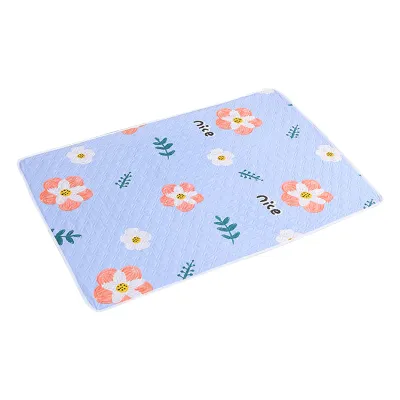
Prices are valid at publication and may change. Please refer to the product page for the latest price.
Choosing the right cover requires balancing your specific protection needs against your comfort preferences. If you are managing severe bedwetting or frequent heavy spills, you might prioritize absolute liquid blockage, accepting a warmer sleep surface as a necessary trade-off. However, if your primary goal is protecting a high-end mattress from daily sweat, light spills, and dust mites, maximizing airflow with a semi-permeable membrane is the more practical path to a comfortable night’s sleep.
Comparing Common Waterproof Cover Materials
Selecting a waterproof cover involves evaluating the physical composition of the barrier layer and how it is integrated into the bedding. Modern manufacturing offers several distinct material structures, ranging from thin, flexible synthetic membranes to heavy-duty plastic sheets and multi-layered fabric blends. Each configuration handles moisture, heat, and physical wear differently under tropical conditions.

To find the right match for your home, you must look beyond the simple waterproof label on the packaging. Understanding how these materials behave under pressure, how much noise they make when you move, and how they respond to regular laundering will help you avoid a purchase that disrupts your sleep.
TPU (Thermoplastic Polyurethane) Membranes
Thermoplastic Polyurethane, commonly known as TPU, is a highly flexible, microscopic membrane that is heat-bonded or laminated to the underside of a standard fabric cover. Unlike older plastic covers, TPU contains microscopic pores that are large enough to allow air and water vapor molecules to pass through, yet small enough to block larger liquid water molecules. This microscopic structure makes TPU a practical choice for hot sleepers who require reliable spill protection without sacrificing airflow.
Because the TPU layer is incredibly thin and elastic, it stretches naturally with your mattress, minimizing the stiff, crinkling noises associated with traditional plastic protectors. When shopping, check the product label to verify the composition of the top fabric layer, as a breathable face fabric like cotton, bamboo-derived rayon, or Tencel will enhance the overall cooling effect of the TPU backing. You should also look for specifications indicating a thin, high-grade laminate rather than a thick, rigid coating.
However, TPU membranes require careful maintenance to preserve their structural integrity. The thin polyurethane layer is highly sensitive to extreme heat and harsh chemicals, which can cause the laminate to crack, peel, or separate from the face fabric. Washing the cover in hot water or drying it on high heat settings can permanently melt or warp the membrane, instantly destroying its waterproof capabilities.
Vinyl and PVC Layers
Vinyl and Polyvinyl Chloride (PVC) covers represent the traditional approach to waterproofing, utilizing a solid, non-porous sheet of plastic to seal the mattress completely. This impermeable design makes vinyl exceptionally effective at blocking large volumes of liquid, making it a common choice for commercial settings, medical facilities, or households managing severe, frequent incontinence. Because liquids pool on the surface rather than soaking in, these covers can simply be wiped clean with a damp cloth.
Despite their superior liquid blockage, vinyl and PVC covers present significant comfort drawbacks in a humid climate. Because they allow zero airflow, they trap one hundred percent of your body heat and sweat, creating an intensely hot and clammy sleeping surface. Additionally, these materials are stiff and noisy, producing a loud, plastic-like crinkling sound every time you shift positions in bed.
If you decide that the heavy-duty protection of vinyl is necessary for your household, it is important to inspect the product packaging carefully before purchasing. Look for material disclosures to ensure the cover is free from phthalates and heavy metals, which are sometimes used to soften PVC but can off-gas over time. Choosing a vinyl cover with a zippered enclosure can also help seal out bedbugs, though you must accept the trade-off in sleep temperature.
Cotton-Backed or Terry-Top Waterproof Covers
Cotton-backed or terry-top waterproof covers utilize a multi-layered design to combine comfort with liquid protection. The top layer consists of a textured fabric, such as looped cotton terry or a soft cotton knit, which is laminated to a hidden waterproof backing underneath. This design allows the top layer to absorb initial sweat or minor spills immediately, keeping the liquid from pooling on your sheets while the backing prevents it from reaching the mattress.
The primary advantage of a natural fiber top layer is its superior moisture-wicking ability compared to fully synthetic polyester surfaces. Cotton terry naturally draws moisture away from your body, allowing it to evaporate more quickly into the room air, which helps maintain a dry and comfortable sleeping temperature. This makes terry-top covers highly suitable for humid environments where night sweats are a common concern.
Before buying, always verify the exact material used for the hidden backing, as some manufacturers pair a natural cotton top with a cheap, non-breathable vinyl backing instead of a breathable TPU membrane. Additionally, keep in mind that the thick, absorbent nature of cotton terry means these covers retain water during the wash cycle. They typically require a significantly longer drying time compared to thin, fully synthetic covers, and they must be dried thoroughly to prevent musty odors.
How to Select the Right Cover for Your Mattress and Needs
To choose the ideal waterproof cover, you must match the material properties to the specific sleep habits and needs of your household. For hot sleepers, a thin TPU membrane paired with a bamboo or Tencel top layer is essential to maximize heat dissipation. If you are protecting a bed for young children or pets, look for a cover with a highly absorbent cotton terry top layer that can soak up accidents quickly before they spread. For allergy sufferers, a fully encased zippered cover made with a breathable membrane will block dust mites and dander while maintaining a comfortable sleep temperature.
Beyond material selection, verifying the physical fit of the cover is critical to ensure it performs effectively without slipping or bunching. Always measure the exact height, width, and depth of your mattress before purchasing, as a cover that is too tight can compress your mattress corners and tear at the seams, while a loose cover will bunch up and create uncomfortable ridges under your sheets. Check the product specifications for the pocket depth and look for a high-quality, fully elasticized skirt rather than simple corner straps, which can easily slip off during the night.
When browsing online marketplaces or local retail stores, learn to spot red flags in product descriptions to avoid buying inadequate protection. Be wary of terms like “water-resistant,” “liquid-repellent,” or “spill-proof,” as these often indicate a temporary chemical coating that will wash away after a few cycles, rather than a true, permanent waterproof barrier. A genuine waterproof cover will explicitly state the material used for the barrier layer, such as TPU or polyurethane, and will offer a clear guarantee of complete liquid blockage.
Care Instructions to Maintain Waterproof Integrity
Maintaining the waterproof integrity of your mattress cover requires strict adherence to proper laundering techniques, as improper care is the leading cause of barrier failure. Before washing your new cover for the first time, always locate and read the manufacturer’s care label, as specific temperature limits and fabric instructions can vary. Treating the cover too harshly can melt the protective membrane, rendering your mattress vulnerable to future spills.
As a general rule, always wash your waterproof cover in cold or lukewarm water using a mild, liquid detergent. Avoid using chlorine bleach, fabric softeners, or harsh stain removers, as these chemicals can chemically break down the polyurethane or vinyl backing, causing it to lose its elasticity and waterproof properties. When drying, the safest method is to line-dry the cover in a shaded, well-ventilated area; if you must use a clothes dryer, select the lowest heat or “air fluff” setting to prevent the membrane from warping or blistering.
Over time, even well-maintained covers will eventually reach the end of their lifespan and require replacement. Inspect the underside of your cover during every wash cycle for visible signs of barrier failure, such as peeling laminate, fine cracks in the backing, or areas where the membrane has become brittle and stiff. If you notice any of these signs, or if water droplets placed on the backing soak through to the other side during a spot test, replace the cover immediately to ensure your mattress remains fully protected.
Frequently Asked Questions (FAQ)
Can a waterproof mattress cover completely prevent mold in a humid room?
While a waterproof cover is highly effective at preventing direct liquid spills and sweat from soaking into your mattress fibers, it cannot completely prevent mold growth on its own. In a highly humid room, moisture from the air can still condense on the outer surfaces of the cover or underneath the bed frame where airflow is restricted. To minimize the risk of mold, you should pair your mattress cover with active room ventilation, use a dehumidifier to keep indoor humidity levels below sixty percent, and ensure your bed frame has a slatted base that allows air to circulate beneath the mattress.
Do waterproof covers void the mattress warranty?
No, using a waterproof cover does not void your mattress warranty; in fact, it is often essential for maintaining it. Most mattress manufacturers include strict clauses in their warranty agreements stating that any physical stains, soilage, or liquid damage will completely void the warranty, regardless of whether the defect is related to the stain. Using a high-quality, breathable waterproof cover protects your investment from accidental spills and sweat, ensuring you remain compliant with the manufacturer’s warranty terms. Always check your specific mattress warranty document to ensure your chosen cover does not violate any unique material guidelines.
Community discussion
Share your experience or ask a question. Comments are reviewed before publication.