
Selecting the most suitable waterproof chair cover requires matching the material’s protective properties to your specific environment. A cover designed to withstand heavy outdoor downpours will perform poorly in a formal dining room, where comfort and aesthetic appeal are paramount. Conversely, a lightweight indoor cover will quickly degrade if exposed to direct sunlight and wind on an open patio. By understanding the unique demands of your space—whether it is an outdoor balcony, a busy dining area, or a high-humidity zone—you can choose a protective layer that preserves your furniture without compromising on usability.
In regions with tropical climates, such as Singapore, furniture faces constant challenges from sudden heavy rain, intense sunlight, and persistent ambient humidity. These environmental factors accelerate wear, making targeted protection essential. Rather than searching for a single universal solution, evaluating covers based on material composition, fastening systems, and breathability will yield the most reliable results for your home.
Assessing Your Chair Dimensions and Environmental Exposure
Before purchasing any protective cover, accurate measurements are essential to ensure a proper fit. Use a firm measuring tape to record the chair’s total height, width, depth, and armrest clearance. A cover that is too large will sag, creating pockets where rainwater or spilled liquids can pool, which increases the risk of seepage. Conversely, a cover that is too tight will stretch the seams excessively, leading to premature tearing at the corners and edges.
Products mentioned in this guide
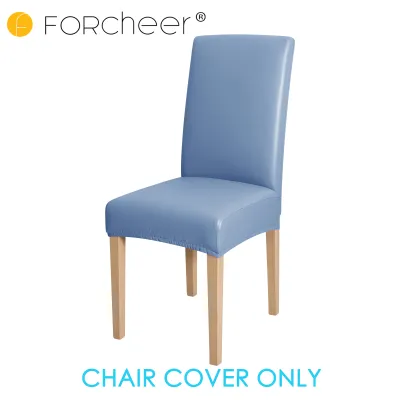
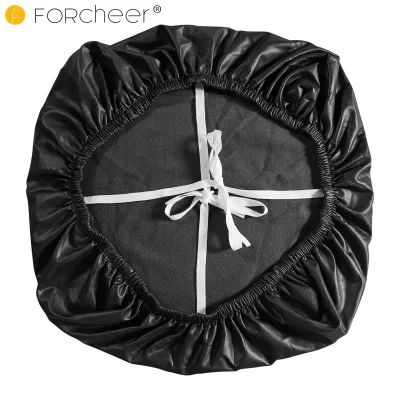
Prices are valid at publication and may change. Please refer to the product page for the latest price.
Beyond physical dimensions, you must identify the primary environmental stressors your chairs will face. Outdoor furniture requires defense against UV rays and heavy downpours, while indoor dining chairs primarily need protection from food spills and liquid stains. Additionally, check your chair manufacturer’s guidelines before applying a cover. Some wood varnishes, oil finishes, or synthetic materials can react negatively when covered for extended periods, especially if the cover material traps heat or contains chemical plasticizers that transfer to the furniture’s surface.
Outdoor Patio: Checking for Weather, UV, and Wind Resistance
Outdoor patio furniture is exposed to the harshest elements, requiring heavy-duty covers engineered for weather resistance. When evaluating options, verify product labels for UV-resistant treatments. Prolonged exposure to solar radiation breaks down synthetic fibers, causing them to fade, become brittle, and eventually crack. Look for materials with high denier ratings, which indicate thicker, more durable weaves capable of resisting physical wear.

Waterproofing capability depends heavily on construction details rather than just the fabric itself. Look for covers featuring waterproof seam taping or welded seams. Standard stitched seams contain thousands of tiny needle punctures that allow water to slowly seep through during prolonged rainstorms. Taped or welded seams seal these vulnerable points, ensuring water remains on the outside of the cover.
Wind resistance is another critical factor for outdoor setups, particularly on high-rise balconies or open gardens. Check for secure fastening mechanisms such as heavy-duty elastic hems, adjustable drawstrings, or buckle straps that loop around the chair legs. These features keep the cover firmly anchored during sudden gusts, preventing it from blowing away and leaving your furniture exposed.
Finally, ensure the cover includes built-in air vents. Vents allow moisture to escape, preventing internal condensation buildup that can damage the underlying furniture. Without proper ventilation, the temperature difference between the air inside and outside the cover creates condensation. This trapped moisture can lead to rust on metal frames or rot in wooden furniture, defeating the purpose of the cover.
Dining Room: Balancing Spill Protection with Comfort and Grip
In the dining room, the primary goal is protecting chairs from food and drink spills while maintaining a comfortable and visually appealing seating area. For this scenario, prioritize covers with spill-resistant surface coatings that repel liquids. These coatings allow liquids to bead up on the surface, giving you time to wipe them away before they soak into the fabric. Unlike stiff outdoor covers, indoor dining covers should remain soft, flexible, and quiet when sat upon.
Because dining chairs are subject to frequent spills, ease of cleaning is paramount. Verify machine-washable care labels to ensure the cover can withstand regular laundering. Covers made from polyester-spandex blends are highly practical for this purpose, as they stretch to fit various chair shapes snugly and can be thrown into the washing machine after a messy meal.
Stability is another key consideration for indoor use. Look for covers equipped with anti-slip backing or integrated grip features, such as silicone dots or textured undersides. These elements prevent the cover from sliding or bunching up when guests sit down or stand up, maintaining both safety and a neat appearance.
Lastly, consider how the cover’s texture and drape complement your interior decor. A well-fitting cover should look like a natural extension of the chair rather than a temporary plastic sheet. Opt for neutral tones or subtle patterns that coordinate with your dining room aesthetic, ensuring your furniture remains protected without sacrificing style.
Humid Areas: Managing Condensation and Mold Prevention
High-humidity environments, such as enclosed patios, poolside areas, or bathrooms, present unique challenges for furniture preservation. In these spaces, managing condensation is just as important as blocking external liquid. Review manufacturer specifications for breathability ratings to find a cover that balances water resistance with adequate air circulation.
Avoid completely non-porous plastic materials, such as cheap PVC, which trap ambient moisture against the chair frame. When warm, humid air is trapped beneath a non-breathable cover, it creates a greenhouse effect. This constant dampness promotes rapid mold and mildew growth on fabric cushions and accelerates rust on metal components. Instead, look for breathable synthetic fabrics that allow water vapor to escape while keeping liquid droplets out.
For added protection in damp environments, check for antimicrobial or mold-resistant fabric treatments. These specialized coatings help inhibit the growth of fungi and bacteria on the cover itself, preventing unpleasant odors and staining.
Regardless of the material’s protective claims, establish a routine for regular removal and airing out. Periodically removing the covers on dry days allows both the furniture and the protective fabric to breathe, ensuring any minor moisture buildup evaporates completely before it can cause long-term damage.
Evaluating Cross-Scenario Use and Long-Term Maintenance
While it may be tempting to buy a single type of cover for all your chairs, “all-purpose” covers often involve significant trade-offs. A heavy-duty outdoor cover used in a dining room will feel stiff, hot, and noisy, detracting from your guests’ comfort. Conversely, an indoor dining cover used on an outdoor patio will quickly deteriorate under UV exposure and fail to keep out heavy rain. Matching the cover to the specific demands of each environment yields the most effective long-term protection.
Maintaining your covers properly is essential to preserve their waterproof properties. Always follow the manufacturer’s exact cleaning instructions. Avoid using harsh detergents, bleach, or fabric softeners, as these chemicals can strip away water-repellent coatings. Additionally, avoid high-heat drying, which can melt waterproof backings and damage elastic components; air drying is generally the safest method.
Inspect your covers periodically for signs of wear and tear. Look for peeling inner coatings, fraying seams, or persistent mold spots that do not wash out. These signs indicate that the protective barrier has degraded, and the cover should be replaced to prevent damage to your furniture.
When outdoor covers are not in use, store them properly to extend their lifespan. Ensure they are completely dry before folding them, and store them in a cool, shaded area away from direct sunlight and pests.
Frequently Asked Questions (FAQ)
Can I use an indoor waterproof cover on outdoor patio chairs?
Indoor waterproof covers are not designed to withstand outdoor elements. They typically lack UV-resistant treatments, meaning they will quickly become brittle and tear under direct sunlight. Additionally, they rarely feature the heavy-duty seam sealing and secure fastening systems needed to keep out heavy rain and resist strong winds.
How do I test if a chair cover is truly waterproof?
To safely verify water resistance, place the cover on a flat, dry surface and pour a small amount of water onto an inconspicuous area. Observe whether the water beads up and rolls off or if it begins to soak into the fabric over several minutes. Always check the manufacturer’s specifications and warranty details for certified performance levels.
Do waterproof chair covers need anti-slip features?
Anti-slip features are highly beneficial, particularly for indoor dining chairs. While outdoor covers rely on heavy straps and buckles to stay secure against the wind, indoor covers need backing materials like silicone grips or textured surfaces to prevent them from sliding around when people sit down and move.
Community discussion
Share your experience or ask a question. Comments are reviewed before publication.